

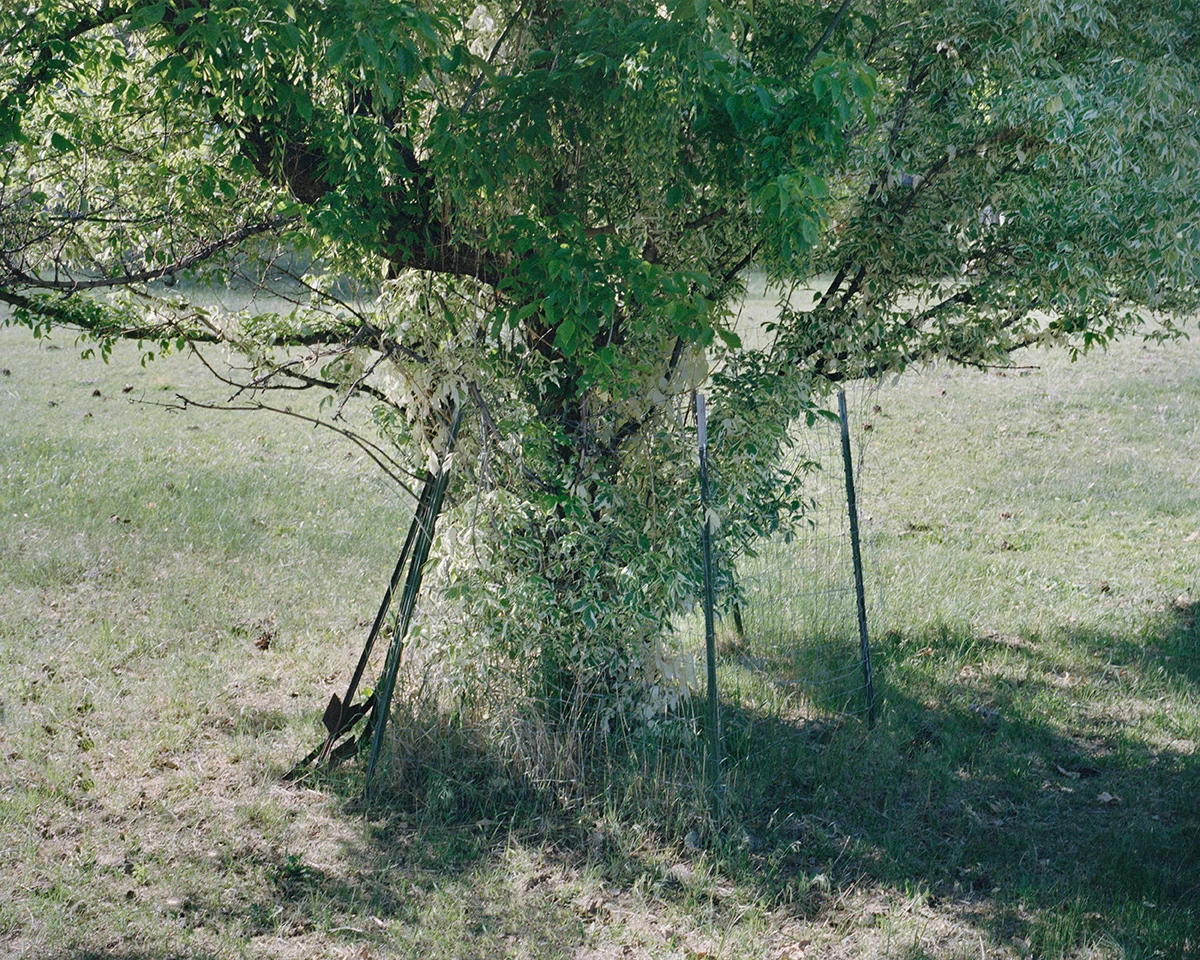
In an era defined by hyper-connectivity and the relentless hum of digital notifications, the concept of "unplugging" has shifted from a luxury to a radical psychological necessity. San Francisco-based photographer, artist, and educator Blake Masi has spent the last two summers exploring this phenomenon, documenting a remote Northern Sierra camp where the absence of technology serves as the primary architect of human experience. His ongoing project, Camp, offers a poignant, visual meditation on how individuals inhabit designed environments and how those environments, in turn, shape the collective consciousness of a post-digital generation.
The Genesis of “Camp”: Capturing the Analog Experience
The project began as a personal inquiry into the intersection of human systems and the natural world. Masi, whose broader body of work consistently interrogates how modern environments reflect the cultural and psychological conditions of our time, found the ideal subject in the Northern Sierra. The camp, an enclave of cabins nestled among ancient pines and trails hewn directly into the rugged topography, operates under a strict "no-phones" policy.
This constraint is not merely a rule; it is a structural intervention. By removing the digital tether that defines contemporary existence, the camp forces a return to a more deliberate, communal form of living. For two consecutive summers, Masi embedded himself within this community, observing how the daily cadence of shared labor, organized play, and interpersonal friction created a localized, temporary culture. The resulting photographs are not merely landscapes; they are portraits of a life lived in the present tense, existing slightly outside the relentless forward motion of contemporary time.
Chronology of a Disconnected Summer
The development of the Camp project can be viewed through the lens of a two-year immersion, characterized by seasonal cycles of growth and departure.
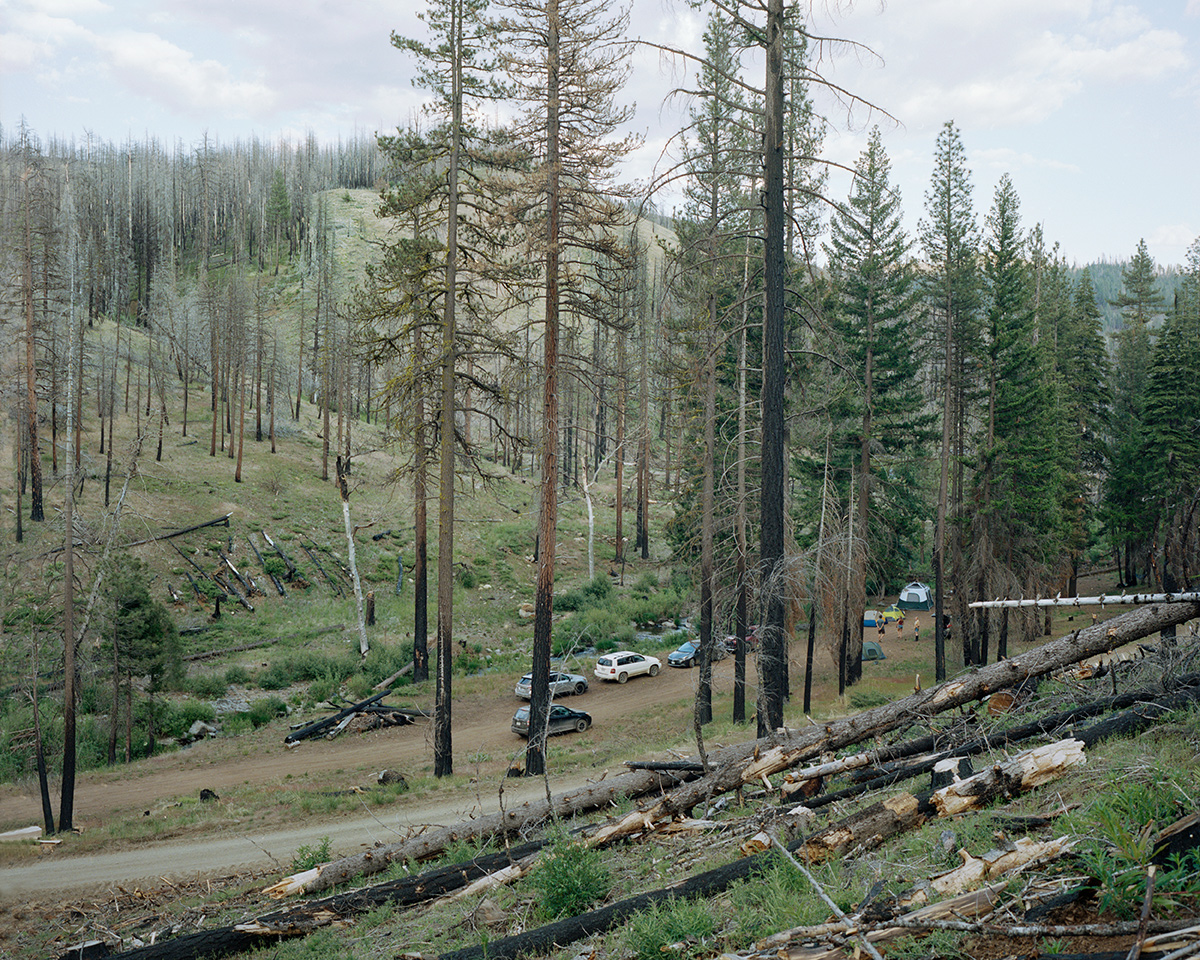
- Summer One: The Architecture of Intention. During the initial phase, Masi focused on the physical traces of human presence within the wilderness. He documented the cabins—structures that act as buffers between the raw unpredictability of nature and the need for human order. This period was marked by an observational approach, recording how communal routines began to overwrite the wild landscape.
- The Interim: Reflection and Curation. Between the two summers, Masi processed the thousands of images captured, identifying a recurring theme: the psychological imprint left by participants on their environment. He began to synthesize these images into a narrative that highlighted the tension between the artificial structures of the camp and the organic growth of the Sierra wilderness.
- Summer Two: The Human Element. Having established a baseline of the environment, the second year shifted focus toward the human participants. Masi sought to capture the "traces" people left behind—not just physical objects, but the invisible residue of their interactions, the labor they performed, and the relationships that solidified under the absence of digital interference.
Supporting Data: The Psychological Implications of Digital Fasting
While Masi’s work is primarily artistic, it sits at the center of a growing body of research regarding the "post-digital" condition. Psychologists and sociologists have increasingly turned their attention to the impacts of constant connectivity on the human psyche.
Recent studies indicate that environments like the one Masi documents offer a unique "cognitive reset." By removing the feedback loops of social media and the "fear of missing out" (FOMO), participants in such environments report a heightened sense of temporal awareness. In the camp, time is no longer measured by the scroll of a screen but by the transition from sunrise to sunset and the completion of daily tasks.
Masi’s work illustrates this phenomenon through visual motifs: the way a communal dining hall becomes a site of intense interpersonal negotiation, or how a simple hiking trail becomes a metaphor for collective progress. The camp functions as a laboratory where the tension between the artificial and the natural is negotiated daily. This "negotiation" is a critical aspect of Masi’s thesis: that human psychology inevitably impresses itself upon any landscape it occupies, whether that landscape is a suburban development or a remote mountain forest.
The Artist’s Perspective: Negotiating the Artificial and the Natural
In his own reflections on the work, Masi emphasizes the reflexive nature of the camp experience. "These photographs consider how individuals inhabit designed environments and leave traces of themselves within them," he writes. "At the camp, daily routines including play, labor, and interpersonal relationships mark the space, just as the structure of the place shapes those who move through it."
This cyclical relationship is the heart of the project. The camp is not merely a place where people go to relax; it is a "temporary world" built through collective participation. The architecture of the camp—the cabins, the dining hall, the trails—serves as the stage, but the actors are the ones who define the play.
Masi’s work asks a provocative question: If we were to remove the digital distractions that currently define our identity, what would remain of our behavior? In the Northern Sierra, he finds that what remains is a profound, albeit temporary, restoration of communal reliance. The "tension" he references is the friction of human beings learning to exist within a space that demands their full attention, forcing them to confront both the environment and each other without the buffer of a digital interface.
Broader Implications for a Post-Digital Generation
The cultural resonance of Camp is significant. As we move further into a post-digital reality—where the distinction between "online" and "offline" becomes increasingly porous—Masi’s documentation of a place where that distinction is strictly enforced provides a vital contrast.
His work suggests that the "post-digital" condition is not necessarily about the absence of technology, but about the awareness of its influence. By stepping outside of that influence for a summer, the participants in his photographs demonstrate that human identity is highly adaptable. When the digital tools of self-expression are stripped away, the participants return to more traditional methods of self-assertion: labor, conversation, and physical interaction with the environment.

This has broad implications for urban planning, education, and social design. If our environment shapes our psychological state, then the design of our cities and communities must prioritize the "communal routines" that Masi observes in the Sierra. The project serves as an implicit critique of modern, fragmented environments that discourage spontaneous human connection in favor of isolated, screen-mediated existence.
Conclusion: Looking Ahead with Blake Masi
Blake Masi’s work continues to evolve, providing a rigorous visual record of how we attempt to order the world around us. For those interested in deeper explorations of contemporary talent and visual storytelling, Masi’s work is currently featured in the latest edition of Array 4.
As we look toward the future, the lessons from the Northern Sierra camp remain relevant. We are all living in a "designed environment," and we are all leaving traces of ourselves within it. The challenge, as Masi’s photography suggests, is to remain conscious of that process—to be active participants in the construction of our collective reality rather than passive consumers of a digital one. Through the lens of his camera, we are reminded that even in the most remote corners of the world, the human desire for connection, structure, and meaning remains the most powerful force on the landscape.
For those looking to stay updated on the latest in contemporary art and photography, Booooooom continues to be a leading voice. Readers are encouraged to explore the winners of the 2025 Photo Awards, delve into the massive 276-page "Tomorrow’s Talent 5" book, or join our Secret Email Club for exclusive content and announcements.










No comments yet. Be the first to join the conversation!