

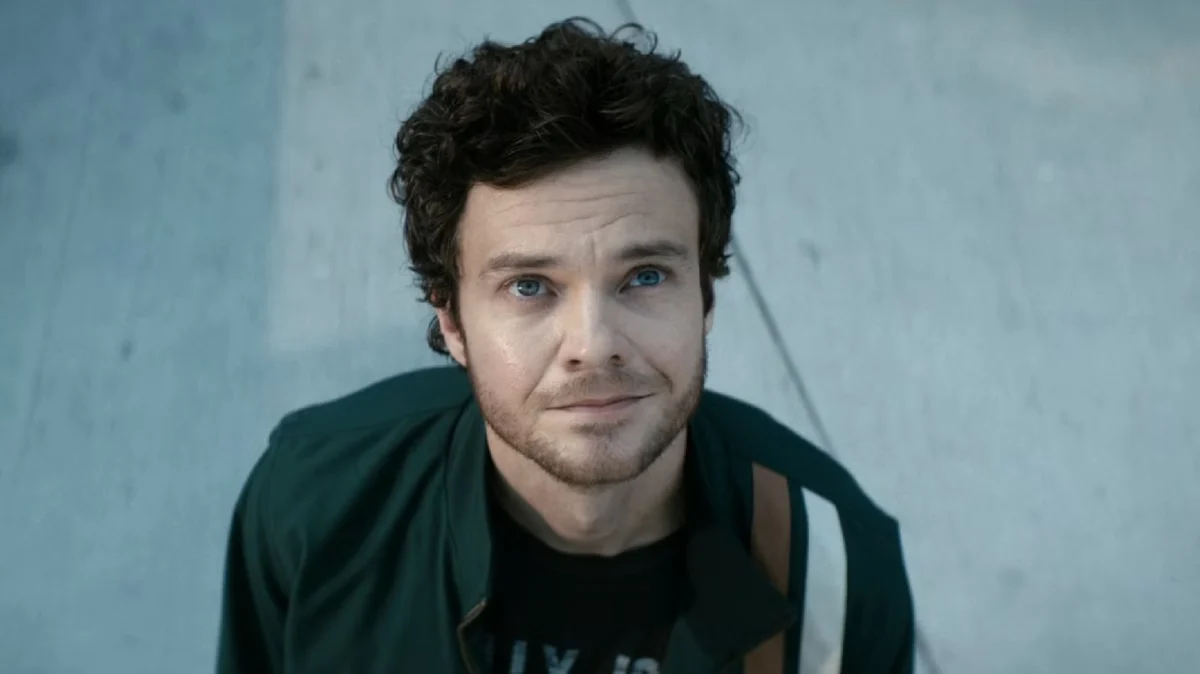
The conclusion of Amazon Prime Video’s The Boys in the series finale, "Blood and Bone," has ignited a firestorm of debate among both die-hard fans of the source material and casual viewers of the hit series. While the episode serves as a technical conclusion to the saga, many critics and audience members argue that the final act suffers from severe pacing issues, condensing a complex, multi-layered betrayal into a fleeting 15-minute climax.
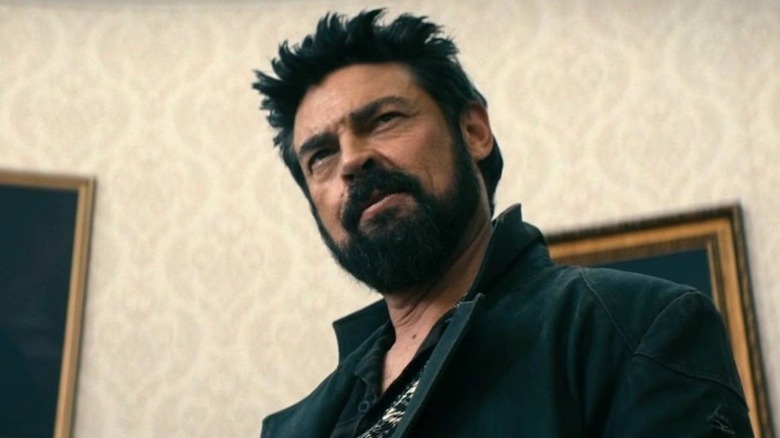
At the heart of the discourse is the character arc of Billy Butcher, portrayed with gritty intensity by Karl Urban. While the show follows the broad, tragic trajectory established in Garth Ennis and Darick Robertson’s original comic book series, the television adaptation struggles to commit to the sheer nihilism that made the printed ending so effective. By rushing the transformation of Butcher into the series’ final antagonist, the showrunners left themselves with little room for the emotional fallout that the source material leveraged so masterfully.
The Chronology of a Failed Transition
To understand the frustration surrounding the finale, one must look at the pacing of the original comics. In the source material, the death of Homelander occurs in issue #65. The subsequent issues—#66 through #71—serve as a slow-burn descent into madness for Butcher, as he systematically prepares to deploy a bio-weapon designed to eradicate all super-powered individuals, regardless of their morality. The final confrontation between Hughie and Butcher in issue #71 is earned through a methodical, multi-volume build-up that makes the eventual betrayal feel inevitable rather than impulsive.
In contrast, The Boys television series attempts to compress these tectonic narrative shifts into a single hour of television. Throughout Season 5, the writers kept the team together, delaying Butcher’s inevitable break from his allies. Despite the clear foreshadowing at the end of Season 4, where Butcher drove off with the supe-killing virus, the premiere of Season 5, "Fifteen Inches of Sheer Dynamite," saw him reuniting with the group almost immediately.
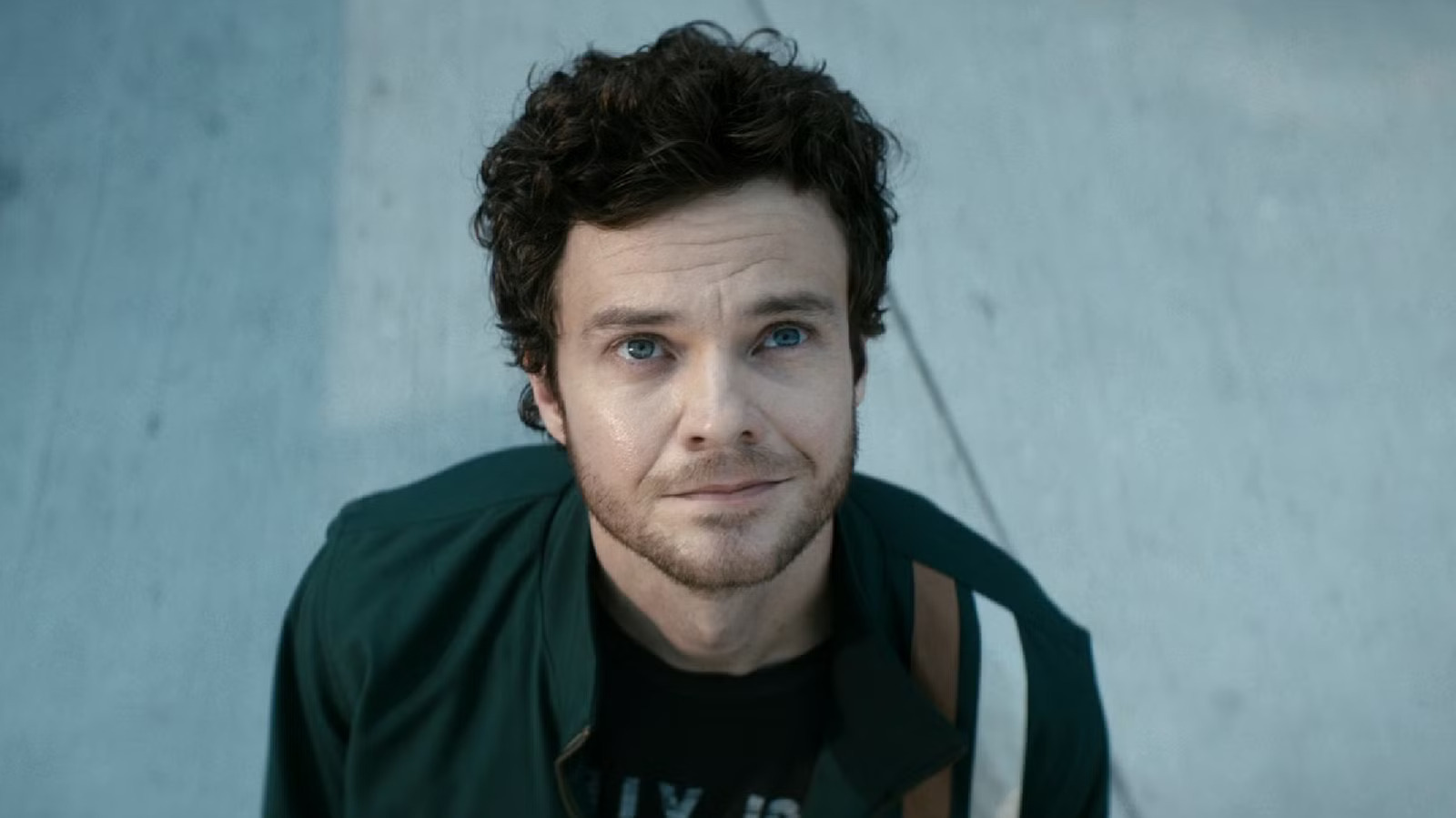
This decision necessitated a series of narrative detours—specifically the mid-season "MacGuffin hunt" for the V-One formula—that occupied the space where the show should have been exploring the widening ideological chasm between Butcher and his team. By the time the finale arrived, the transition from "anti-hero" to "villain" felt like a sudden pivot, robbing the audience of the chance to truly sit with the horror of Butcher’s final plan.
Supporting Data: Comparing the Source to the Screen
The divergence between the comic and the screen is not merely a matter of pacing; it is a fundamental shift in tone. In the comics, the death of the core team is perhaps the most defining element of the finale. Butcher, fully consumed by his hatred, systematically kills Mother’s Milk, Frenchie, and the Female (Kimiko). This act serves as the ultimate litmus test for the reader’s perception of Butcher: is he a man pushed too far, or was he always a monster hiding behind the mask of a hero?
The show, however, opted for a softer landing. Showrunner Eric Kripke has been transparent about this choice, noting in interviews that he found the mass execution of the protagonists "unsatisfying." By choosing to keep M.M. and Kimiko alive and having Homelander take responsibility for the death of Frenchie, the series avoids the bleak, soul-crushing finality of the comics. While this may be more palatable for a television audience, it fundamentally changes the nature of the final confrontation.
In the comics, Hughie’s final act is a profound tragedy—a forced choice between his moral compass and the man he once viewed as a mentor. In the show, the confrontation feels like a momentary clash of ideals. Because the show refused to let Butcher truly inhabit his role as a monster for a sustained period, his death lacks the weight of a long-gestating betrayal.
Official Responses and Creative Intent
Series creator Eric Kripke has remained steadfast in his defense of the show’s creative direction. In a recent interview with Deadline, Kripke emphasized that the fundamental beats of the finale were mapped out from the very beginning of the show’s development. "Butcher and Hughie’s last confrontation was just about the only thing we knew we were going to do," Kripke stated.
However, Kripke’s defense against claims of "filler" episodes—specifically the pivot toward the V-One formula mid-season—reveals a fundamental philosophical divide between the show’s production and its critics. Kripke argues that action and plot beats mean nothing without character development. Yet, the critique remains that the show spent so much time on the "filler" of the V-One chase that it effectively cannibalized the time needed to land the finale’s emotional punches.
The reliance on Homelander as the primary antagonist until the final moments also suggests a lack of confidence in the show’s ability to sustain interest without Antony Starr’s magnetic performance. By keeping Homelander as the central threat until the very end, the writers were unable to fully explore a world where the power dynamic had shifted to the "Boys" themselves becoming the architects of their own destruction.
The Implications of the "Butcher" Problem
The central implication of this finale is that The Boys was perhaps too attached to its own popularity to fully embrace the dark, uncompromising conclusion of its source material. The comic book ending is polarizing, yes—but it is also a singular, daring vision that refuses to apologize for its darkness. The show, by contrast, attempted to bridge the gap between a high-octane superhero satire and a character-driven drama, eventually finding itself caught between two stools.
If the show had allowed Homelander to fall in episode 4 or 6, as many critics suggested, it would have opened a three-to-four episode window to explore a post-Homelander world. This would have allowed the audience to see a world where the "heroes" were not fighting a corporate god, but rather fighting their own internal rot.
Instead, the finale chose to prioritize spectacle over the slow, uncomfortable psychological horror that Ennis perfected. The "Butcher" we saw in the finale was a man acting on impulse, driven by the loss of his dog, his stepson’s rejection, and the absence of a target. He was not the cold, calculating, and inevitable force of nature that existed in the comics.
Final Thoughts
Ultimately, The Boys will be remembered as a cultural phenomenon that redefined the superhero genre on television. However, the finale serves as a cautionary tale for adaptations of controversial source material. By sanding down the rough edges of the original ending, the showrunners succeeded in delivering a satisfyingly "big" conclusion, but they arguably sacrificed the thematic depth that made the comic book so iconic. The series finale was not necessarily a "bad" episode, but it was a missed opportunity to push the medium of the superhero satire to its absolute, logical, and terrifying conclusion. In trying to be both a hero and a villain, the television version of Billy Butcher ended up being neither—and the story suffered for it.









No comments yet. Be the first to join the conversation!