

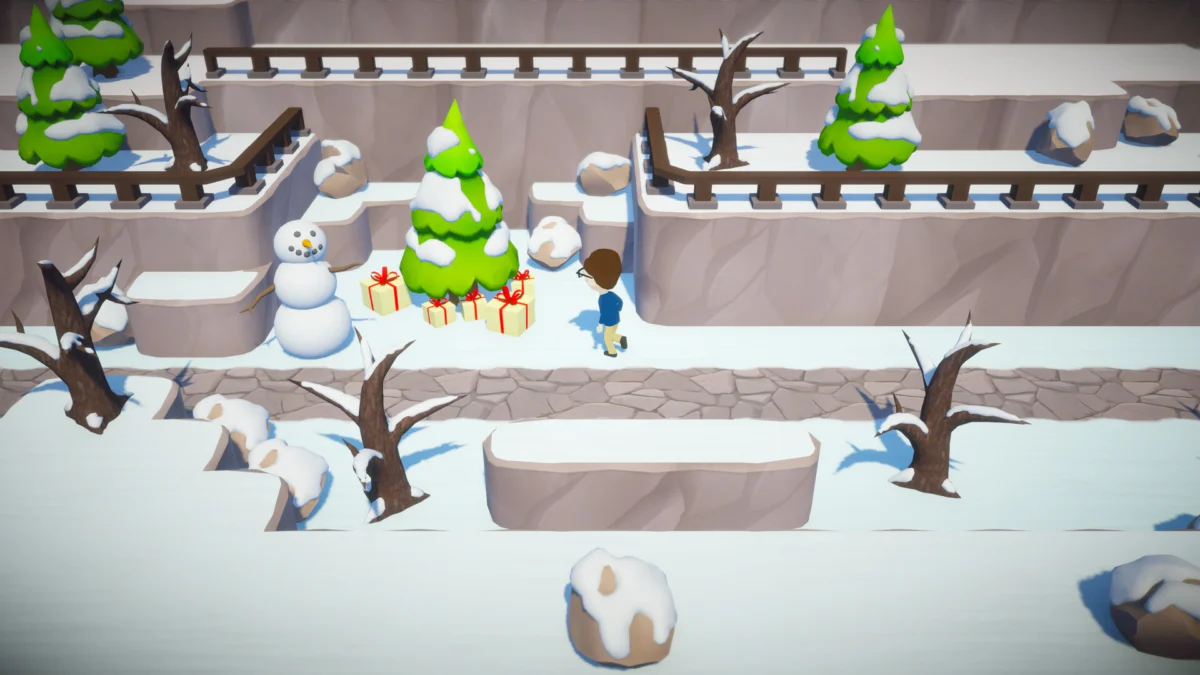
In the expansive landscape of modern indie gaming, few titles manage to subvert player expectations as effectively—or as hilariously—as Trees Hate You. While the medium has historically relegated flora to the status of background dressing or static environmental obstacles, this new title from developer Tykenn flips the script. In Trees Hate You, the forest is not merely a setting; it is an active, armed, and incredibly hostile protagonist.
What begins as a peaceful post-picnic stroll quickly devolves into a desperate fight for survival. The premise is disarmingly simple: you are trying to find your way home through a forest that has collectively decided you are an unwelcome guest. However, the brilliance of the game lies in its execution, turning the mundane act of walking through the woods into a high-stakes, slapstick gauntlet of lethal traps and arboreal ambush tactics.
The Anatomy of an Arboreal Ambush: Main Facts
At its core, Trees Hate You is a masterclass in psychological manipulation and level design. The game operates on a foundation of "gotcha" mechanics that prey on the player’s ingrained gaming habits. For decades, players have been conditioned to view trees as static assets—things to walk around, hide behind, or ignore entirely. By subverting this, the game creates a constant sense of unease.
The central conflict is simple: your character wants to leave the woods, and the trees want to prevent that by any means necessary. The game’s AI-driven environmental hazards are remarkably proactive. If you attempt to scout a path, the trees will physically shift to block your route. If you attempt to sneak, they are prone to pulling out firearms or utilizing hidden limbs to deliver a fatal blow. The result is a cycle of trial and error that feels less like a punishing "die-and-retry" game and more like a darkly comedic puzzle box.
A Chronicle of Defiance: How the Game Challenges Player Agency
To understand the appeal of Trees Hate You, one must look at the progression of the player experience. The chronology of a typical session usually follows a distinct pattern:
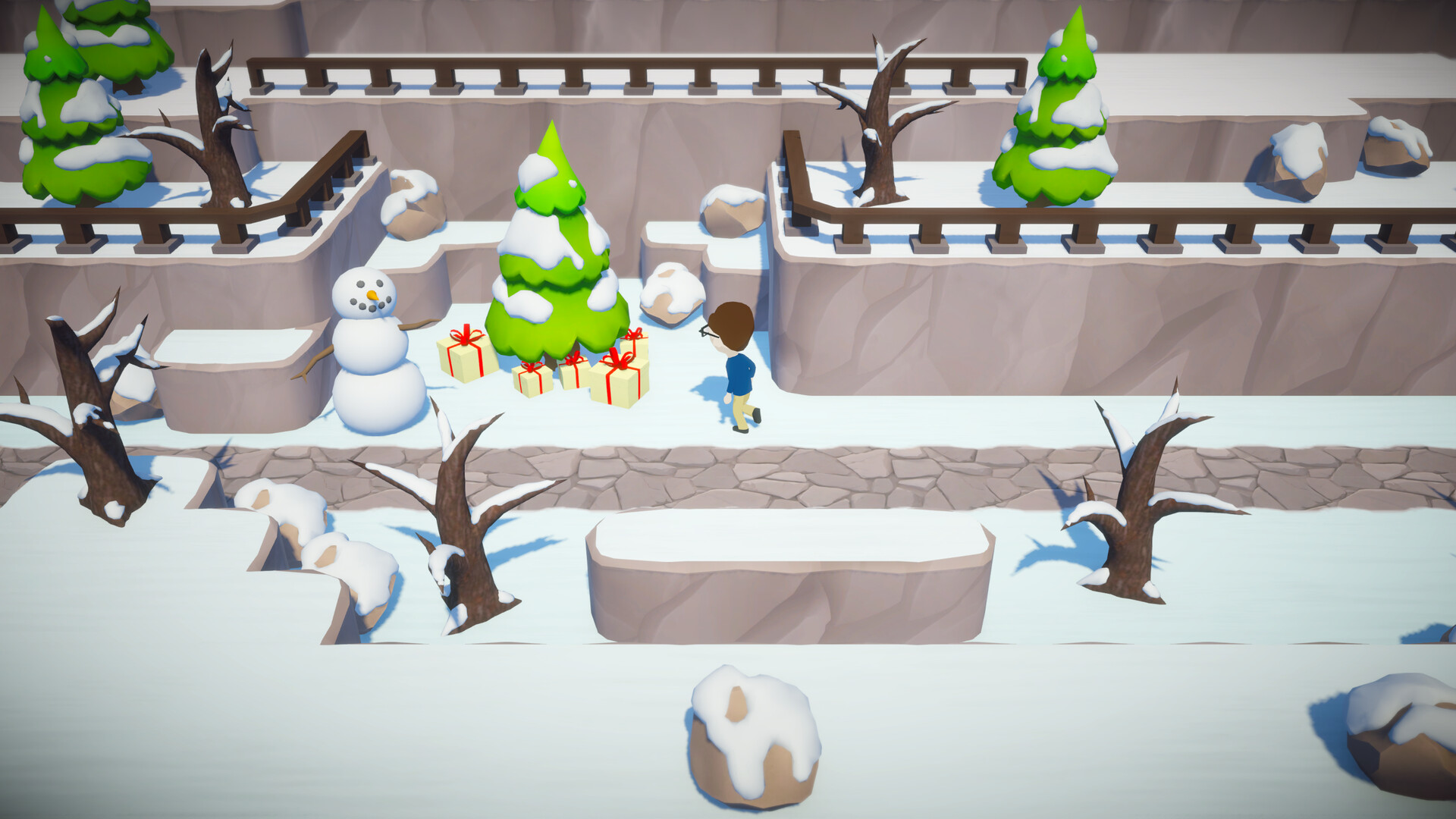
Phase 1: The False Sense of Security
The game begins in a serene, idyllic woodland environment. The art style is inviting, and the atmosphere feels like a standard walking simulator. The player, feeling confident, moves forward with the assumption that the "path" is clear.
Phase 2: The First Betrayal
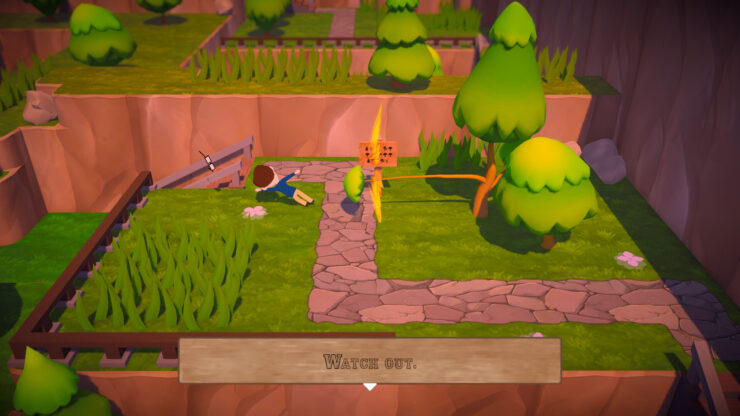
As the player approaches what looks like a harmless clearing, the environment shifts. A branch might suddenly snap forward, or a tree might reveal a hidden mechanism. The player’s first death is almost always met with shock, followed quickly by laughter. The absurdity of a pine tree wielding a handgun is the game’s signature hook.
Phase 3: Defensive Adaptation
The player begins to approach the forest with extreme caution. You stop treating the trees as scenery and start treating them as sentient combatants. You learn to anticipate the "tell" of a tree about to attack. You watch for shifts in the canopy, tremors in the trunk, and the tell-tale signs of a tree preparing to draw its weapon.
Phase 4: The Escalation
As the game progresses, the threats become more complex. Trees begin to coordinate, creating pincer movements and traps that require genuine reflexes to navigate. It is here that the game shifts from a simple joke to a legitimately engaging mechanical challenge.
Supporting Data: The Science of the "Surprise"
Why does Trees Hate You resonate so strongly with players? The answer lies in the psychological concept of "expectation violation." When a game consistently reinforces a specific set of rules (trees are background, rocks are cover, paths are navigable), the player stops questioning the environment. By breaking that rule, the developer creates a "cognitive dissonance" that results in genuine surprise.
According to preliminary feedback from the itch.io demo, players cite the "unpredictability" of the hazards as the primary reason for their engagement. Unlike traditional platformers where the danger is visible (spikes, pits, enemies), the danger in Trees Hate You is hidden in plain sight. This shifts the focus from "mechanical skill" to "observational intelligence." The player is not just jumping over obstacles; they are outsmarting a hostile ecosystem.
Perspectives from the Developer and the Community
While official responses from the developer, Tykenn, have been characteristically mysterious, the community reaction has been overwhelmingly positive. The game has gained traction on social media and streaming platforms, largely due to the "shareability" of its deaths. Watching a streamer get blindsided by a tree that seemingly popped out of thin air to deliver a slapstick-style blow has become a staple of the game’s growing popularity.
"The goal was never to create a realistic forest," one early developer statement suggested. "The goal was to create a forest that feels like it’s gaslighting the player." This design philosophy is evident in every frame of the game. By prioritizing the comedic timing of the deaths, the developer has turned frustration into a shared experience. Players aren’t just playing the game; they are sharing their most creative deaths with friends, creating a viral loop of engagement that is rare for a small-scale indie title.
Implications for the Future of Indie Gaming
The success—and the unique nature—of Trees Hate You raises interesting questions about the future of indie development. As the market becomes increasingly saturated with high-fidelity, AAA experiences that focus on realism and narrative gravitas, there is a clear, growing appetite for titles that embrace the weird, the funny, and the subversive.
- The Return of Creative Gameplay: Trees Hate You proves that you don’t need a massive budget to create a memorable experience. You only need one strong, unconventional idea.
- Subverting Tropes: The game highlights a massive opportunity for developers to take "boring" or "stale" elements of game design and make them the centerpiece of a game. If trees can be the enemy, what else can be?
- The Power of the Demo: By releasing a robust demo on itch.io, the developer has allowed the community to do the marketing for them. This "build in public" approach is becoming the gold standard for indie success.
Conclusion: Why You Should Be Watching the Woods
As of this writing, Trees Hate You is still in development, but the demo is widely considered a "must-play" for fans of unconventional indie games. It is a title that reminds us why we play games in the first place: to be surprised, to laugh, and to be challenged in ways we didn’t see coming.
Whether or not the full game will maintain this level of manic energy remains to be seen, but the initial foundation is incredibly strong. It is a rare game that manages to be both a legitimate challenge and a comedy sketch simultaneously.
So, the next time you find yourself walking through a forest, take a look at the trees around you. Do they look like they’re just standing there? Or are they waiting for you to turn your back? If Trees Hate You has taught us anything, it’s that the answer is almost certainly the latter.
For those ready to test their wits against the most hostile forest in digital history, the demo is available now on itch.io. And don’t forget to add it to your Steam Wishlist—if you’re brave enough to step into the woods again. Just remember: keep your eyes on the pines, and never, ever trust a willow.












No comments yet. Be the first to join the conversation!