

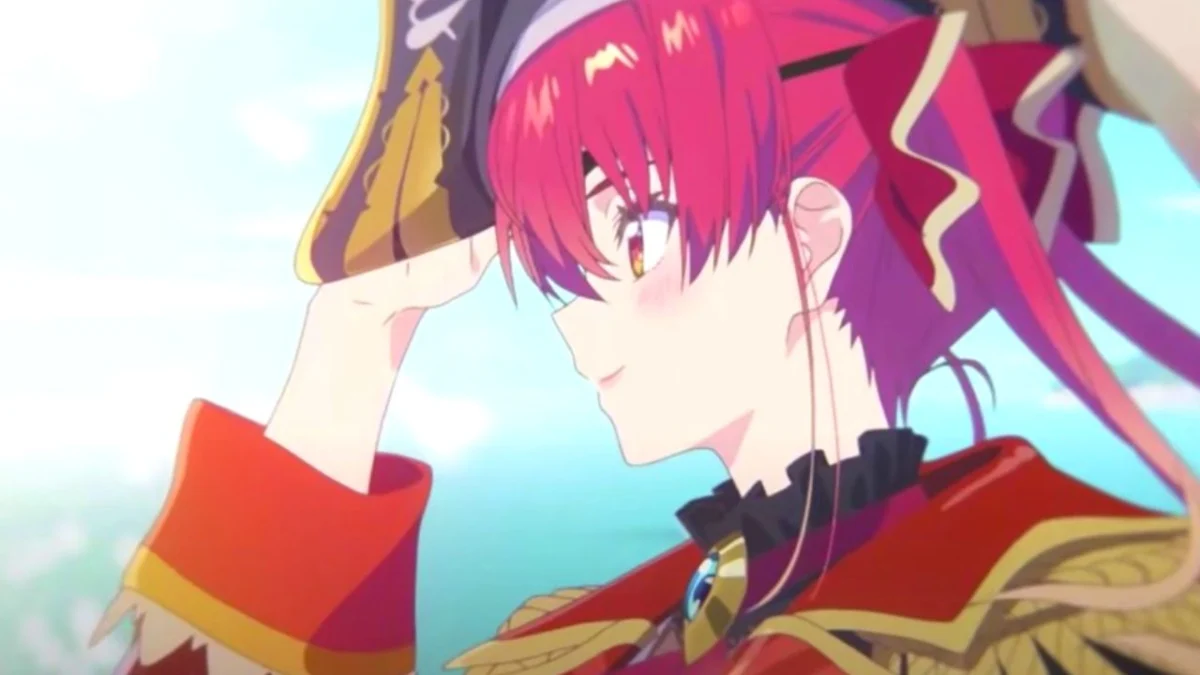
Have you ever stumbled across a YouTube livestream or a Twitch broadcast featuring a highly expressive, anime-inspired avatar interacting with a chat in real-time, and wondered about the technology behind it? You have likely encountered the phenomenon of the "VTuber" (Virtual YouTuber). At the forefront of this digital revolution stands Hololive Productions, a powerhouse agency that has transformed the landscape of online entertainment. Now, with the announcement of their ambitious "Hololive Alternative" project, the company is aiming to move beyond simple livestreaming to construct an entirely new, immersive virtual world.
The Evolution of the Virtual Idol
The concept of the VTuber—a portmanteau of "Virtual" and "YouTuber"—originated in Japan, where entertainers use motion-capture technology to inhabit 2D or 3D animated personas. While the medium started as a niche hobby, it has exploded into a global industry, with performers commanding millions of views and massive, dedicated fanbases.
Hololive Productions, managed by the parent company Cover Corp., has become the standard-bearer for this industry. By providing talent with sophisticated rigging, custom character designs, and technical support, they have fostered a roster of over 50 performers. Household names like Takanashi Kiara and Ninomae Ina’nis are not merely streamers; they are brand entities capable of holding sold-out virtual concerts, releasing original music, and fostering parasocial relationships that feel remarkably grounded despite the digital divide.
Hololive Alternative: Constructing a Digital Metaverse
"Hololive Alternative" represents the company’s most significant pivot to date. Rather than viewing the talents as individuals operating in isolation, the project seeks to weave their unique character lore into a singular, cohesive narrative universe.
The initiative was teased through a high-production promotional video released on their official portal, which showcased breathtaking animation sequences. These visuals hinted at a sprawling world—a departure from the static backgrounds typically seen in streaming setups. The objective is clear: to build an interactive virtual space where content creators can host live events, performances, and collaborative projects, effectively bridging the geographical gaps between fans and performers.
By creating a "metaverse" for their talent, Hololive is attempting to solve the biggest hurdle in modern streaming: the limitations of the camera frame. In this new world, distance, language, and physical constraints would theoretically dissolve, allowing for a more fluid and inclusive community experience.
A Chronology of Expansion
To understand the weight of this announcement, one must look at the meteoric rise of Cover Corp. since its inception in December 2019.
- Late 2019 – 2020: The rapid scaling of the Hololive brand. The company focused on expanding its roster into international markets, including the launch of Hololive English (Hololive-EN), which proved that the VTuber appeal was not restricted to Japanese speakers.
- Early 2021: The official announcement of "Hololive Alternative." This marked the company’s transition from an agency managing streamers to a multimedia production house.
- March 2021: The recruitment phase. The company opened auditions for new talent to integrate into the burgeoning ecosystem, setting a strict deadline of March 26th to ensure a fresh influx of creators.
- Mid-2021 and Beyond: The integration of supplementary media. The company announced the development of an original manga series set within the "Alternative" universe, signaling a long-term commitment to transmedia storytelling.
Supporting Data: The Scale of the Phenomenon
The sheer reach of Hololive is a testament to the viability of the virtual medium. With a roster exceeding 50 active talents, the aggregate viewership numbers are staggering. In 2020 and 2021, Hololive talents consistently dominated the lists of the most-watched streamers on platforms like YouTube.
The recruitment drive for "Hololive Alternative" is not merely a staffing choice; it is a strategic expansion of their content library. By casting a wider net for talent, they are looking to diversify their storytelling capabilities. Whether it is through gaming, music, or collaborative role-play, the "Alternative" project acts as a funnel to keep viewers within the Hololive ecosystem for longer durations.
Official Stance and Visionary Leadership
Motoaki Tanigo, the CEO of Cover Corp. and a visionary in the field, has been vocal about his long-term goals for the company. In various interviews and statements, Tanigo has emphasized that his vision for the future of entertainment is "boundaryless."
"We want to create a world where performers and fans can coexist regardless of their physical location," Tanigo has noted. The "Alternative" project is the architectural realization of that sentiment. By investing heavily in original animation and narrative-driven content, Hololive is signaling to the industry that VTubing is not a fad, but a legitimate form of professional entertainment that can stand alongside traditional anime and television production.
The Implications of a Virtual World
The introduction of "Hololive Alternative" carries significant implications for the future of the creator economy:
- Transmedia Storytelling: By moving into manga and serialized animation, Hololive is proving that digital avatars can carry deep, complex narratives. This moves the medium away from "personality-driven" content toward "lore-driven" engagement.
- Cultural Diplomacy: One of the most successful aspects of the Hololive model is its ability to transcend language barriers. Through the "Alternative" project, the company hopes to create a shared cultural space where fans from Tokyo to New York can participate in the same live event, essentially acting as a bridge between cultures.
- Technological Innovation: To pull off a project of this scale, the technical infrastructure must be robust. This will likely drive further innovation in real-time motion capture, AI-driven lip-syncing, and virtual environment rendering—technologies that will eventually trickle down to smaller creators.
- A New Paradigm for Fandom: Fans are no longer just passive viewers; they are active participants in a growing lore. When a company releases a manga based on the "Alternative" world, it rewards the long-term fans who have spent months dissecting the subtle hints and character backstories dropped during livestreams.
The Road Ahead
As the project continues to unfold, the expectations are high. The integration of the manga series and the ongoing recruitment of new talent suggest that the "Alternative" world will grow in complexity.
For the fans, the anticipation is palpable. Every teaser, every social media update from the official Hololive Alternative Twitter account, and every mention of the project by the talents themselves creates a sense of collective excitement. It is a bold experiment—a high-stakes gamble that a group of virtual characters can sustain a multimedia universe that functions as a legitimate alternative to traditional media.
Whether or not "Hololive Alternative" succeeds in becoming the digital utopia it promises to be, it has already achieved one thing: it has forced the rest of the world to take VTubers seriously. The virtual world is expanding, and it seems that Hololive is determined to be the architect of its landscape. As fans, we are left to wait and watch, eager to see what magic they will bring to our screens next. The line between the digital and the physical is blurring, and in this new era of entertainment, the only limit is the imagination of the creators and the community that sustains them.









No comments yet. Be the first to join the conversation!