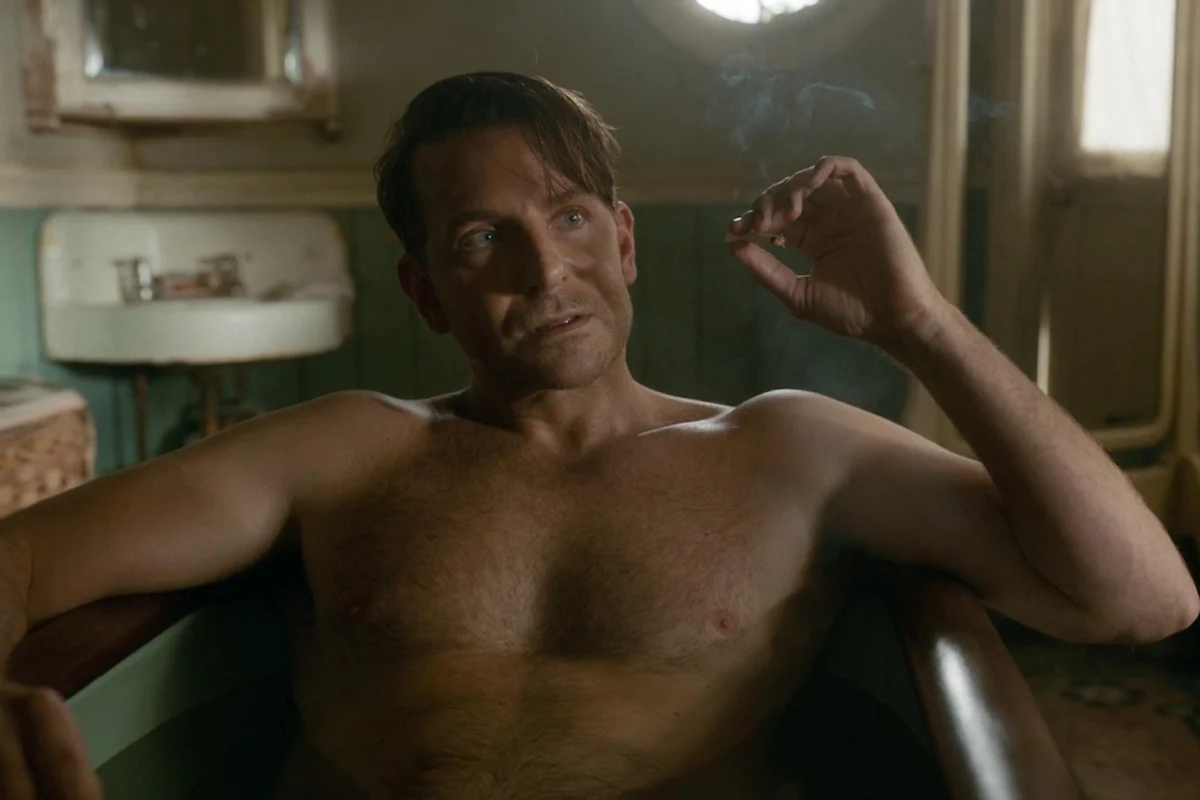
In the ever-evolving landscape of feature animation, few studios have defined the "talking animal" genre as effectively as Disney-Pixar. However, their latest project, Hoppers, marks a seismic shift in tone and thematic ambition. While audiences might initially draw comparisons to the studio’s 2016 hit Zootopia, Hoppers eschews the polished, aspirational veneer of that film in favor of a gritty, high-stakes exploration of environmental collapse and the brutal realities of the natural world.
Where Zootopia presented a civilized, albeit flawed, utopia, Hoppers offers a visceral counterpoint: a world on the precipice of ecological destruction. This is not a fable about overcoming prejudice in a gleaming metropolis; it is an urgent, chaotic, and darkly optimistic look at the survival of the planet and the tenuous connection between humanity and the wild.
The Genesis of Conflict: A World Without Primates
To understand the stakes of Hoppers, one must first understand its geography. Unlike Zootopia, which famously removed all primates to create a clean slate, Hoppers acknowledges the presence of humans—and positions them as the primary antagonists. In this narrative, humans are not merely bystanders; they are the architects of environmental decay.
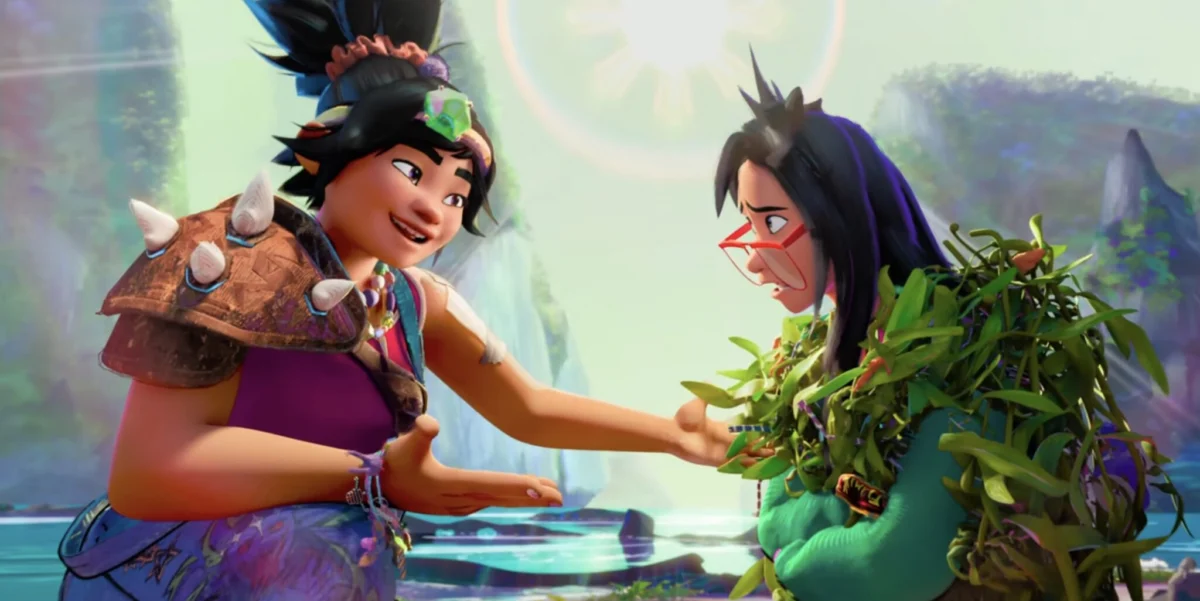
The story centers on Mabel, a lifelong rebel whose environmental activism is rooted in a childhood spent in a protected glade. When her grandmother passes, leaving her as the sole steward of this natural sanctuary, Mabel finds herself pitted against the bureaucratic juggernaut of Mayor Jerry. Jerry’s plan to pave over the glade to construct a highway represents the classic "David vs. Goliath" trope, but the film introduces a radical technological twist: the Hopper program.
The Hopper Technology: Bridging the Species Divide
At the heart of the film’s narrative is the work of Dr. Sam, a biology professor whose research promises a technological solution to environmental preservation. The "Hoppers" are robotic animals capable of being piloted by human consciousness. These shells are indistinguishable from their organic counterparts, but their true utility lies in their ability to bridge the communicative gap between species.
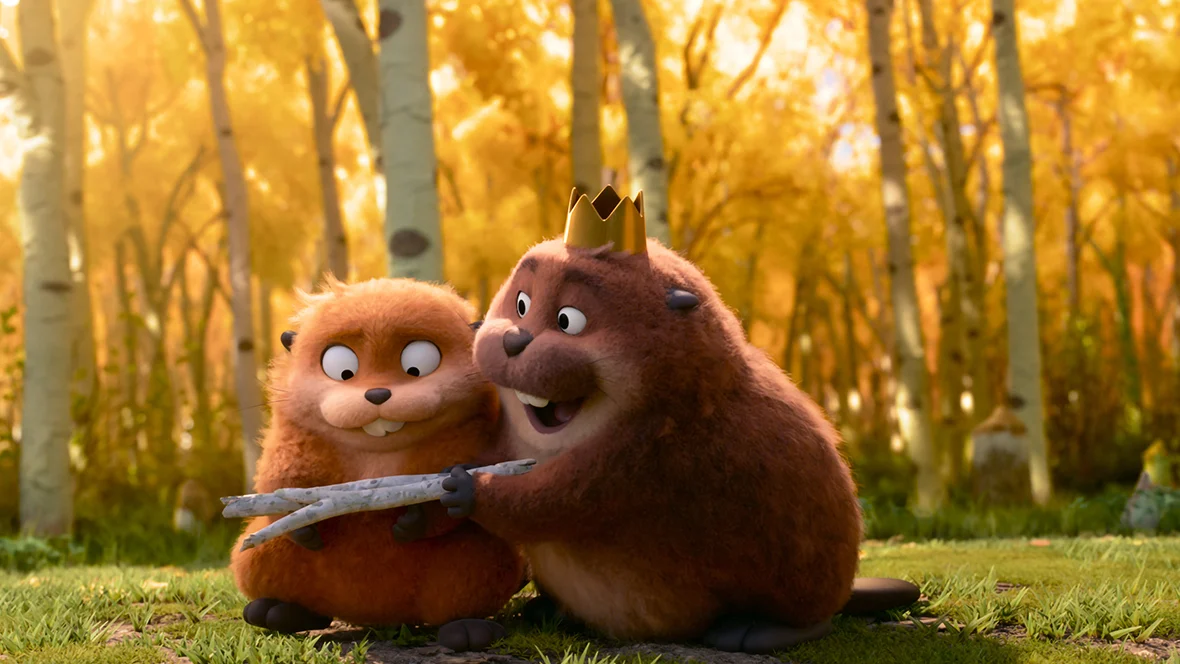
Equipped with sophisticated translation earpieces, these robotic vessels allow humans to understand the complex vocalizations of everything from apex predators to the humblest insect. When Mabel hijacks a robotic beaver, she gains entry into a hidden world that has been forced into hiding.
The Reality of "Pond Rules"
Upon entering the beaver dam, Mabel discovers the true extent of human interference. Mayor Jerry has deployed sonic weaponry—disguised as fake trees—to drive local wildlife into an overcrowded, confined space. Within this refuge, the animals operate under "Pond Rules."
Unlike the sanitized version of nature seen in most family films, Hoppers embraces the food chain. Predators eat prey. There is no moral judgment attached to the act; it is simply the survival mechanism of a world being crushed by human expansion. This serves as a pointed critique of the questions fans often posed about Zootopia—specifically, how a society of predators and prey could coexist without cannibalism. Hoppers provides a blunt, sobering answer: nature does not negotiate, and it does not apologize.
Chronology of Escalation: From Activism to All-Out War
The narrative trajectory of Hoppers is one of escalating intensity, driven by Mabel’s inadvertent interference in animal politics.
- Initial Discovery: Mabel infiltrates the beaver pond, learning of the sonic weapon plot orchestrated by Mayor Jerry.
- The Breach of Protocol: Mabel saves Loaf, a beaver, from a bear named Ellen. This act of "mercy" disrupts the status quo, drawing the ire of the predator class.
- The Great Animal Council: Mabel brings her human perspective to the Council, an governing body of animal royalty. Her impassioned, albeit naive, rhetoric inspires the Council to order the assassination of Mayor Jerry.
- The Tragic Accident: In a moment of high-stakes chaos, Mabel accidentally causes the death of the Insect Queen, triggering a shift in the political landscape of the animal kingdom.
- The Human-Animal Conflict: Following the death of the Insect Queen, a new, extremist Insect King rises to power, declaring a war of extermination against the humans of Beaverton.
- The Climax: With the Hopper technology hijacked and the human population of Beaverton in mortal danger, Mabel and her unlikely ally, King George (the Mammal King), must navigate a path to de-escalation before the city—and the glade—is lost entirely.
Supporting Data: The Political Parallels
The film makes no attempt to hide its political metaphors. The animals’ society, much like the human one, is rife with ambition, bureaucracy, and structural failure. The Insect King and Mayor Jerry are intentionally mirrored characters: both are driven by a hunger for power and an unwavering belief in their own supremacy.
The "Great Animal Council" serves as a mirror to human legislative bodies, demonstrating that politics is not a uniquely human vice. The film’s message is clear: whether you are an insect, a shark, or a human politician, the desire to consolidate power remains a constant, dangerous force.
The Role of Diplomacy
The film’s most surprising turn is Mabel’s pivot from eco-warrior to diplomat. After inciting the Council to violence, she finds herself in the uncomfortable position of protecting the very man she despises. This complexity elevates the film above standard morality plays. Mabel learns that "saving the world" is not about choosing sides in a war, but about facilitating communication between parties that have forgotten how to speak to one another.
Official Responses and Creative Vision
While Disney-Pixar has yet to release a formal mission statement regarding the film’s darker themes, production notes suggest that Hoppers was conceived as an attempt to "reintroduce the wild" into the family film genre. By utilizing the Hopper technology, the creators intended to highlight the importance of listening to the natural world rather than simply imposing our will upon it.
Industry analysts have noted that Hoppers represents a significant financial and creative risk for the studio. By opting for a narrative that centers on "ruthless" animals who are "matter-of-fact" about their survival, Pixar is testing the boundaries of its traditional audience. However, early test screenings suggest that the film’s "surprisingly optimistic" core—summarized by Mabel’s plea that "we’re all in this together"—resonates deeply with modern viewers grappling with their own environmental anxieties.
Implications: The Future of "Human-Animal" Animation
The implications of Hoppers are profound. If the film succeeds, it may signal a trend toward more intellectually rigorous animation that does not shy away from the harsh realities of the natural world.
- A Shift in Tone: Hoppers proves that "family-friendly" does not have to mean "conflict-free."
- Environmental Engagement: By framing environmentalism as a series of complex political and social negotiations rather than a simple "good vs. evil" battle, the film provides a more nuanced framework for young audiences to discuss climate change and habitat destruction.
- Technological Storytelling: The use of the "Hopper" device allows for a unique narrative perspective, turning human characters into observers of a world they have spent centuries trying to ignore.
Ultimately, Hoppers serves as a bridge. It reminds us that while we are distinct from the animal kingdom, we are inextricably linked to it. Through the use of humor—as seen in the bizarre yet endearing interaction between King George and the modern language of emojis—the film reminds us that communication is possible, even between the most unlikely of allies.
As Mabel and George prove in the film’s final act, the path forward isn’t found through the destruction of one group by another, but through the difficult, messy, and absolutely essential work of cooperation. Whether it’s through the high-tech sensors of a robotic beaver or a simple string of heart emojis, the message remains the same: we are all sharing this planet, and it is long past time we learned how to act like it.