

FOR IMMEDIATE RELEASE
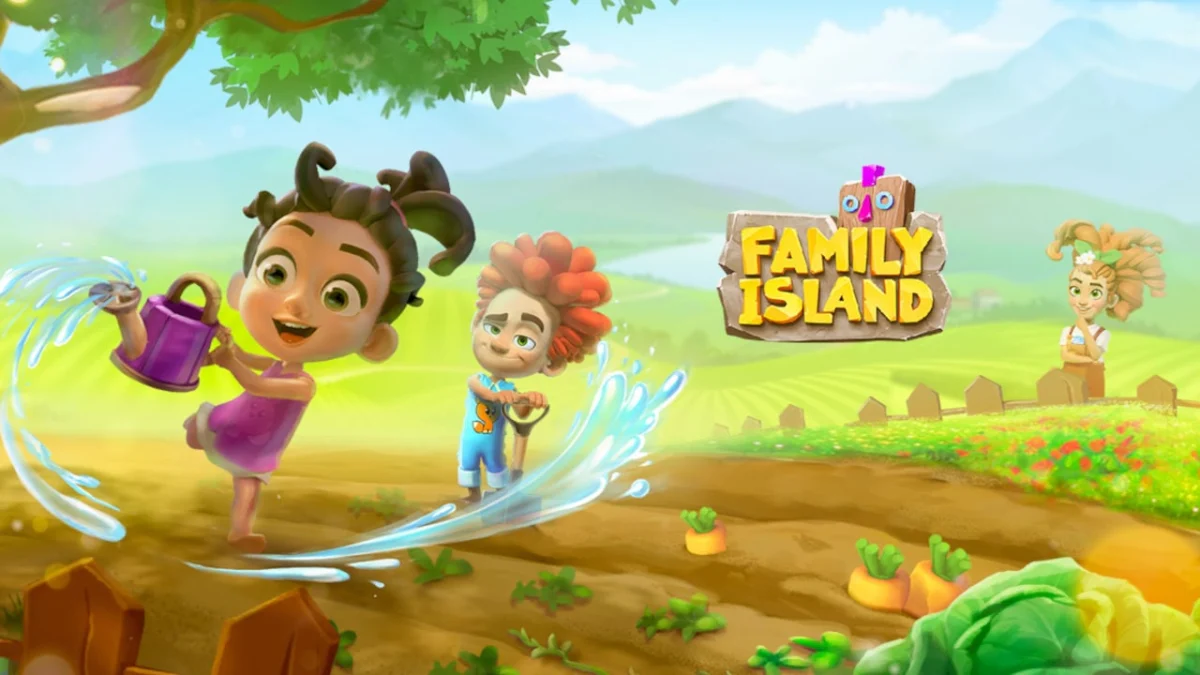
[City, State] – [Date] – In the bustling digital landscape of mobile gaming, few titles capture the essence of escapism and strategic resource management quite like Melsoft Games’ "Family Island." Transporting players to a vibrant, prehistoric world, the game challenges individuals to build, farm, and thrive on a deserted island, all while managing the essential resource that underpins every action: energy. This comprehensive guide delves into the multifaceted strategies available to players seeking to optimize their energy acquisition, ensuring sustained progress and an enriched gameplay experience without constant reliance on premium purchases.
Main Facts: The Lifeblood of Island Life
"Family Island" offers a captivating blend of simulation, adventure, and resource management, set against the backdrop of a Stone Age family striving for survival and prosperity after a volcanic eruption. Players are tasked with exploring new islands, cultivating crops, raising livestock, and constructing elaborate structures to transform a barren land into a thriving community. At the heart of this intricate ecosystem lies energy, the finite resource required for almost every action, from clearing debris and chopping trees to harvesting crops and crafting tools.
The scarcity of energy is a deliberate design choice, encouraging strategic planning and prompting players to seek various avenues for replenishment. While in-app purchases offer a direct route to immediate energy boosts, a robust suite of free methods exists, allowing dedicated players to enjoy the game extensively without incurring costs. These methods range from daily bonus links distributed via official social media channels to intricate in-game mechanics tied to progression, family well-being, and resource gathering. Understanding and effectively utilizing these free energy sources is paramount for long-term enjoyment and success in "Family Island." This article aims to be the definitive resource for players looking to master these strategies, providing a consolidated view of current freebie opportunities and evergreen tactics.
Chronology of Energy Acquisition Methods: A Daily and Strategic Approach
The acquisition of energy in "Family Island" is a blend of daily opportunities and continuous in-game strategies. Players must adopt a multi-pronged approach, integrating both immediate gratification from daily bonuses and long-term planning through gameplay mechanics.
Daily Bonus Links: A Consistent Lifeline
One of the most immediate and accessible methods for acquiring free energy comes through daily bonus links. Melsoft Games, the developer behind "Family Island," actively engages its player base through official social media platforms, primarily Facebook. Here, the social media team regularly publishes unique links that, when clicked, instantly reward players with various in-game freebies, often including significant quantities of energy, coins, or other valuable resources.
These links are time-sensitive, typically expiring after 24-48 hours, underscoring the importance of vigilance. Aggregator sites and dedicated fan communities often compile these links, providing a convenient, centralized hub for players to claim their daily rewards without sifting through social media feeds. The value of these daily links cannot be overstated; they serve as a crucial top-up, particularly beneficial for players planning extensive tasks or recovering from a depletion of their energy reserves. Their consistent availability makes them a foundational element of any free energy strategy, and checking for new links should be among a player’s first daily actions within the game.
Last checked for freebies on June 2nd, 2026. (Note: This date indicates a forward-looking commitment to continuous updates by resource aggregators.)
In-Game Strategies: Sustaining Progress
Beyond the daily external links, "Family Island" is replete with internal mechanics designed to reward active gameplay and strategic resource management with free energy. These methods form the backbone of sustainable play, ensuring that even without external bonuses, players can maintain progress.
The Nourishment Loop: Feeding the Family
At the core of "Family Island" is the well-being of the family unit. Just as in real life, consuming food provides the energy needed to perform tasks. In the game, regularly feeding your family members is a direct and highly effective way to replenish energy. As players progress, they unlock various recipes and cooking facilities, allowing them to prepare more substantial and energy-rich meals. Prioritizing food production and cooking becomes a cyclical process: gather ingredients, cook meals, feed the family, gain energy, and use that energy to gather more ingredients. This mechanic reinforces the game’s simulation aspect and encourages players to maintain a balanced farm economy.
Foraging for Fuel: Gathering Resources
The primitive setting of "Family Island" means that nature itself is a source of sustenance and energy. Scattered across the various islands are natural resources like wild mushrooms and berries. Simply collecting these readily available food items can provide small, incremental boosts of energy. While individually small, these gains accumulate over time and can be crucial during moments of low energy, allowing players to perform a few more actions that might lead to larger rewards or complete a critical task. Developing an eye for these natural energy sources and incorporating their collection into routine exploration is a smart, passive energy-gathering strategy.
The Virtue of Patience: Regenerative Energy
"Family Island," like many mobile games, features a passive energy regeneration system. Energy slowly replenishes over time, even when the player is not actively engaged with the game. This passive regeneration is a fundamental aspect of the game’s pacing, designed to encourage players to return periodically. However, it’s crucial to understand the energy cap: once your energy bar is full, no further energy will be generated until some is spent. Therefore, strategic breaks are beneficial, but players should avoid letting their energy sit at its maximum for extended periods, as this wastes potential regeneration. Balancing active play with periods of regeneration is key to maximizing this free energy source.
Building for Bigger Reserves: House Upgrades
To make passive energy regeneration more efficient and allow for longer active play sessions, players must focus on increasing their maximum energy capacity. This is primarily achieved by leveling up the family house, the central hub of their island. Each significant upgrade to the house not only enhances its aesthetic appeal and unlocks new functionalities but also directly increases the player’s energy cap. Prioritizing house upgrades in the early and mid-game is a strategic decision that pays dividends in the long run, allowing players to accumulate more energy during regeneration periods and undertake more extensive tasks before needing to replenish. This long-term investment in infrastructure directly translates to greater energy freedom.
Progression Rewards: Levelling Up Your Avatar
As players engage with "Family Island," completing tasks, constructing buildings, and exploring new areas, they accumulate experience points (XP). Earning enough XP leads to an increase in the player’s overall level. Each time a player levels up, they are rewarded with a variety of valuable items, and these rewards frequently include substantial amounts of energy. These level-up bonuses can be significant, offering a much-needed surge of energy that can propel players through challenging quests or enable them to tackle large-scale projects. Consistent engagement and progression naturally lead to these energy windfalls, making player level advancement a critical, albeit less direct, method of energy acquisition.
Event-Driven Opportunities
Beyond daily links and core mechanics, "Family Island" frequently introduces time-limited events. These special events, often themed around holidays or specific in-game narratives, present players with unique quests and challenges. Completing event-specific tasks or reaching certain milestones within these events often rewards players with exclusive items, resources, and, crucially, significant quantities of energy. Participating in these events is an excellent way to supplement energy reserves, providing a dynamic and engaging method of acquisition that keeps gameplay fresh and rewarding. Players should monitor in-game announcements and social media for details on upcoming events.
Daily Quests and Achievements
The game also incorporates a system of daily quests and long-term achievements. Daily quests are small, manageable tasks that refresh each day, offering immediate rewards upon completion, which can often include energy or items that indirectly lead to energy. Achievements, on the other hand, are long-term goals that reward players for reaching significant milestones in various aspects of the game, such as constructing a certain number of buildings, harvesting a specific amount of crops, or exploring a set number of islands. Both systems provide structured pathways for players to earn consistent rewards, including energy, encouraging regular play and exploration.
Supporting Data and Community Insights
The demand for energy in "Family Island" is a testament to its pivotal role in the game’s economy and player experience. With millions of downloads globally, the game boasts a massive and highly engaged player base, all grappling with the same energy constraints. This collective experience has fostered vibrant online communities where players share strategies, tips, and, most importantly, aggregate the elusive daily free energy links.
Player forums, dedicated subreddits, and fan-run Facebook groups are rich sources of information, often featuring discussions on optimal energy usage, event strategies, and efficient farming layouts. Players frequently debate the "economic value" of energy, comparing the cost of in-app purchases against the time investment required for free acquisition. The consensus generally points towards a balanced approach, where free methods are maximized, and purchases are reserved for moments of extreme need or to support specific, time-sensitive goals.
The constant search for free energy highlights a core tenet of the free-to-play (F2P) model: balancing player engagement with monetization. Developers like Melsoft Games carefully calibrate energy mechanics to encourage consistent play and, at times, tempt players towards microtransactions. However, the abundance of free energy methods ensures that the game remains accessible and enjoyable for non-spending players, fostering a loyal community. This delicate balance is crucial for player retention, as excessive frustration due to energy scarcity can lead to player churn. The shared experience of managing this resource forms a significant part of the game’s community bonding.
Official Responses and Developer Stance
Melsoft Games maintains a transparent and proactive approach to communicating with its player base, particularly concerning freebies and game mechanics. Their official Facebook page serves as the primary conduit for distributing daily free energy links, demonstrating a direct commitment to providing non-monetized pathways for progress. This strategy not only rewards loyal players but also acts as a powerful engagement tool, driving traffic to their social media channels and fostering a direct line of communication.
The developers regularly release game updates that introduce new content, features, and sometimes, adjustments to game balance. While direct changes to energy regeneration rates are less frequent, new islands, challenges, or event mechanics can indirectly influence energy consumption and acquisition strategies. For instance, the introduction of a new island with dense obstacles might increase the demand for energy, prompting players to lean more heavily on daily links and stored reserves. Conversely, new event types might offer more generous energy rewards, temporarily alleviating scarcity.
Melsoft Games also actively monitors player feedback, often gleaned from community forums and direct support channels. While specific responses to energy-related complaints are rarely made public in detail, the continuous evolution of events and the consistent provision of freebies suggest an ongoing effort to maintain player satisfaction and ensure the game remains enjoyable for a diverse audience, including those who prefer not to spend money. Their strategy appears to be one of constant refinement, balancing the necessities of a commercial F2P title with the desire to provide a rewarding experience for all players.
Implications and Future Outlook
The strategic management of free energy in "Family Island" has significant implications for player retention, the sustainability of the F2P model, and the game’s long-term appeal. For players, mastering these free methods translates directly into a more satisfying and less frustrating gameplay experience. It empowers them to progress at their own pace, explore content fully, and participate in events without feeling compelled to spend real money. This sense of agency is vital for fostering a dedicated player base.
From a broader industry perspective, "Family Island" exemplifies how F2P games can successfully integrate monetization while still offering substantial value to non-paying users. The robust system of free energy acquisition acts as a vital counterweight to the game’s premium offerings, ensuring that the game remains accessible and fair. This balance is critical in an increasingly competitive mobile gaming market, where player expectations for free content are high.
Looking ahead, the evolution of energy mechanics in "Family Island" and similar titles will likely continue to adapt to player feedback and market trends. We might see more dynamic energy events, personalized energy boosts based on player activity, or even collaborative energy-sharing features within guilds or alliances. As game developers seek innovative ways to engage players and extend the lifespan of their titles, the humble energy bar will remain a central point of design and strategy. The longevity of "Family Island" will depend not only on new content but also on its continued commitment to providing equitable and engaging ways for all players to power their prehistoric adventures, ensuring that the dream of building a thriving island paradise remains within reach, regardless of budget.
### End of Article ###












No comments yet. Be the first to join the conversation!