

In the landscape of modern sequential storytelling, the traditional "direct market"—the world of local comic book shops and monthly single-issue print runs—is often viewed as the definitive barometer for success. However, industry veteran Justin Jordan, known for his work on DC Comics’ The Curse of Brimstone and Image Comics’ Luther Strode, suggests that the most vital pulse of the medium now beats far away from the local longbox. His hit series, Urban Animal, illustrates a paradigm shift in how creators monetize their work in the digital age.
The State of the Industry: Beyond the Direct Market
For decades, the health of the comic book industry has been measured by sales charts in the direct market. Yet, as Jordan points out, this narrow view ignores the massive, sprawling audience engaging with comics digitally. While direct market publishers grapple with fluctuating monthly sales, other segments of the medium—most notably manga and webcomics—are achieving readership numbers that would be considered monumental in print.
The sheer scale of platforms like Webtoon is staggering. Jordan notes that while some industry analysts worry about the "death" of comics, they are likely just looking in the wrong places. When a creator like Dav Pilkey can sell millions of Dogman copies annually, it is clear that comics are not in decline; they are simply evolving.
The Mechanics of Urban Animal: A Case Study
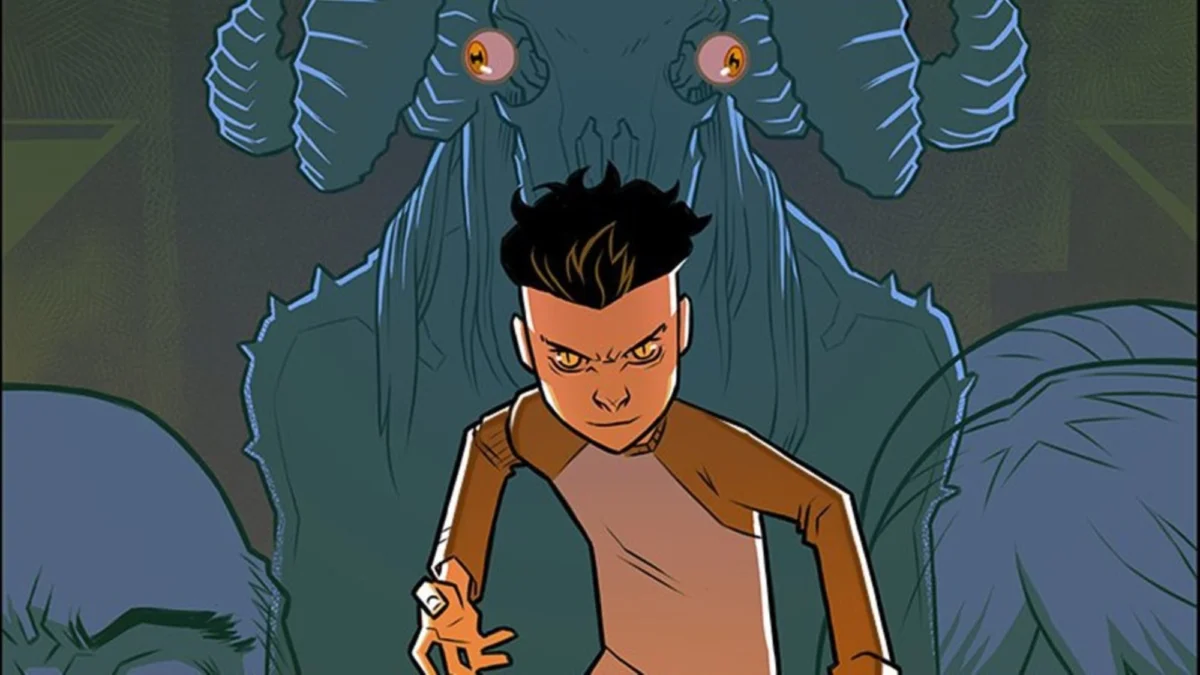
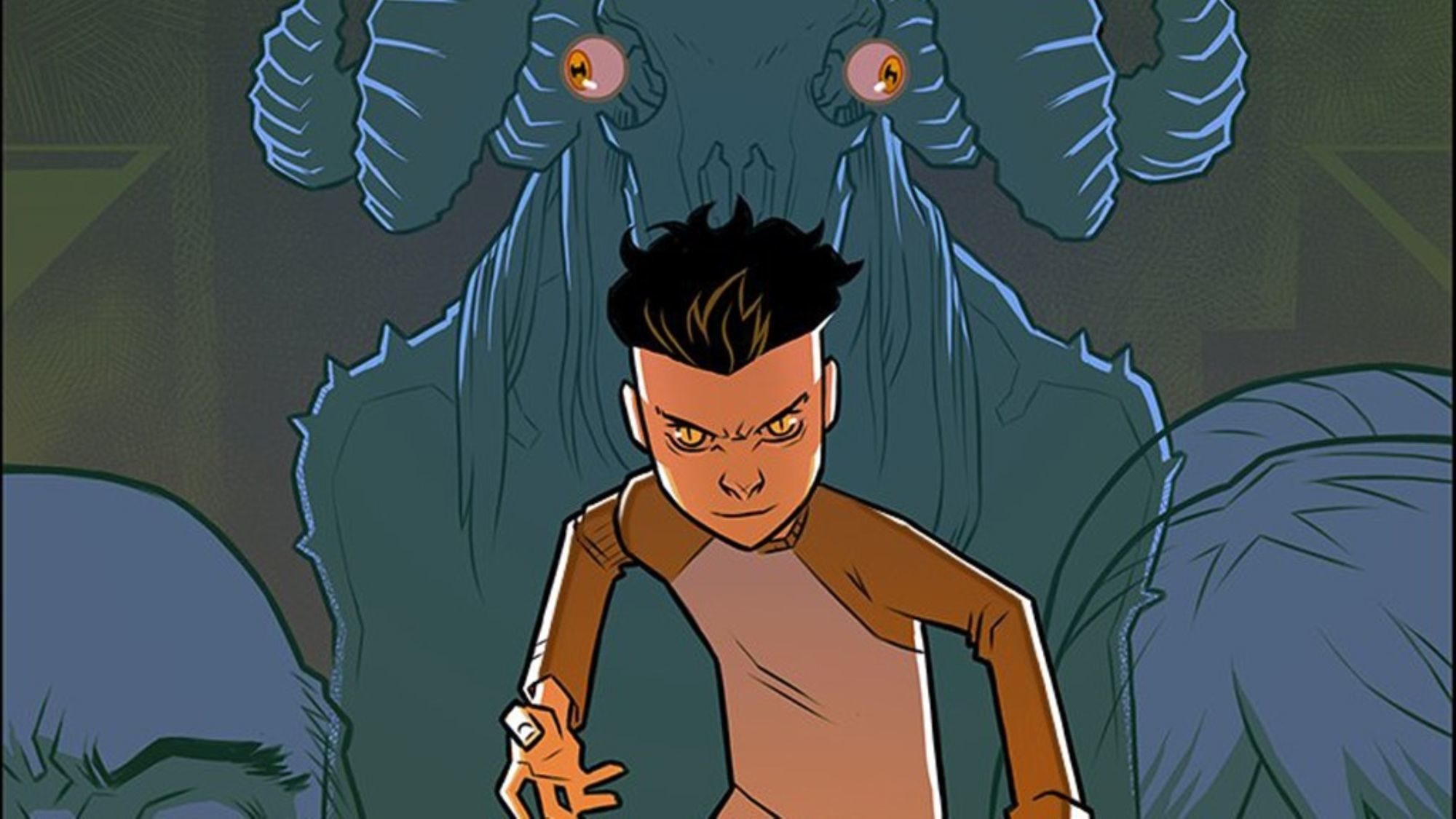
Urban Animal, a collaboration between Jordan, artist John Amor, and letterer Micah Myers, serves as a primary example of this digital evolution. The story centers on Joe Gomez, a high schooler who discovers he is a Chimera—a shape-shifting nature spirit capable of turning into a saber-toothed tiger.
The series boasts over 465,000 subscribers on Webtoon. In the world of webcomics, subscribers are a powerful indicator of long-term engagement. While the total number of unique readers fluctuates, the series consistently draws between 80,000 and 100,000 readers every single week. This consistent weekly readership places Urban Animal in a bracket that rivals the top ten bestselling print comics in any given month, despite the series being entirely free to read.
The Financial Architecture of Webtoon
The core challenge for any digital creator is monetization. If the content is free, how does the business model survive? For Jordan, the answer lies in a multi-layered approach that combines licensing, ad revenue, and the "Fast Pass" system.

The "Fast Pass" program is a critical component of Webtoon’s ecosystem. It allows dedicated fans to pay roughly 50 cents to access episodes before they are released to the general public. While a "paid" audience of 4,000 per week might seem modest compared to traditional print runs, the lack of overhead—printing, shipping, and distribution costs—makes the margins significantly different.
Jordan reveals that, when aggregated, his earnings from Urban Animal are often on par with, or exceed, his compensation for writing work-for-hire scripts for major publishers like DC Comics. Because the series is licensed to the platform rather than sold outright, Jordan retains more creative agency and ownership, allowing for long-term revenue streams through merchandise and eventual print editions.

Chronology of a Digital Hit
- Initial Launch: Urban Animal debuts on the Webtoon platform, utilizing the "canvas" system for organic growth.
- Platform Partnership: Due to consistent engagement, the series is elevated to a "feature" status, securing a licensing fee and enhanced promotional support from Webtoon.
- Seasonal Expansion: The story progresses through multiple seasons, accumulating a volume of content equivalent to approximately 30 standard-sized direct market issues.
- The Print Pivot: Following the success of the digital series, Jordan announces a partnership with Rocketship Entertainment to bring Urban Animal to the physical market via a Kickstarter campaign.
The Strategic Shift to Crowdfunding
Jordan’s move to bring Urban Animal to print via Kickstarter is a calculated strategic maneuver. While he has participated in crowdfunding campaigns for other projects, this marks his first time helming the process.
Partnering with Rocketship Entertainment—a publisher that has successfully shepherded other major webtoon titles like Let’s Play into the physical realm—allows Jordan to bypass the logistical nightmares of self-publishing. The process of reformatting a vertical-scrolling webcomic into a traditional print layout is a specialized skill set, one that requires significant time and technical expertise. By offloading this to an experienced partner, Jordan can focus on the creative aspects of the series while tapping into the growing appetite for "meaty" physical collections of hit web-series.
Implications for the Future of Comics
The success of Urban Animal signals a broader trend: the "hyperserialized" format of webcomics is changing how stories are paced and consumed. Because creators receive immediate feedback via comments and "likes," the storytelling becomes an iterative process.
This model offers several key implications for the broader comic industry:

- Direct-to-Consumer Independence: The ability to bypass traditional distributors allows creators to reach global audiences instantly, removing the gatekeepers that have historically limited the scope of comic narratives.
- Long-Tail Profitability: By building a massive digital archive, creators like Jordan are essentially building a library of intellectual property. As the series reaches a critical mass of pages, it becomes a valuable asset for licensing, print collections, and potential adaptations.
- Redefining "Success": The direct market has long prioritized "first week sales" as the primary metric for success. Digital platforms, however, prioritize "retention" and "cumulative readership." This shift incentivizes stories that are designed to be binged, rather than just collected.
Official Perspective: The Creator’s View
Jordan remains pragmatic about the industry’s obsession with print numbers. He admits that he once fell into the trap of conflating "comics" with "direct market comics." Today, he views his work on Urban Animal as a laboratory for the future. He emphasizes that while the print market still offers a tactile experience that digital cannot replicate, the digital landscape is where the growth, the community, and the financial sustainability of the medium are currently being forged.
"I’m in a somewhat unique position because I’ve done a lot of creator-owned, a lot of work for hire, and a lot of work outside of the direct market," Jordan stated. "It gives me a chance to see that while the direct market has its ups and downs, the appetite for sequential storytelling is higher than ever."
Conclusion: A New Era
As Jordan prepares for the next phase of Urban Animal—including the launch of its first print volume—it is clear that the project is more than just a hobby or a side-gig. It is a robust business model that highlights how digital platforms are providing a stable, scalable foundation for comic creators.
For aspiring creators, the lesson is clear: the path to a sustainable career in comics may no longer require a pitch to the Big Two publishers. Instead, it may lie in the pockets of the millions of readers scrolling on their phones, waiting for the next episode to drop every Saturday. Whether the industry at large chooses to embrace this shift or remain anchored to the declining print-only model remains to be seen, but the data suggests that the future of comics is already being written in the vertical scroll.










No comments yet. Be the first to join the conversation!