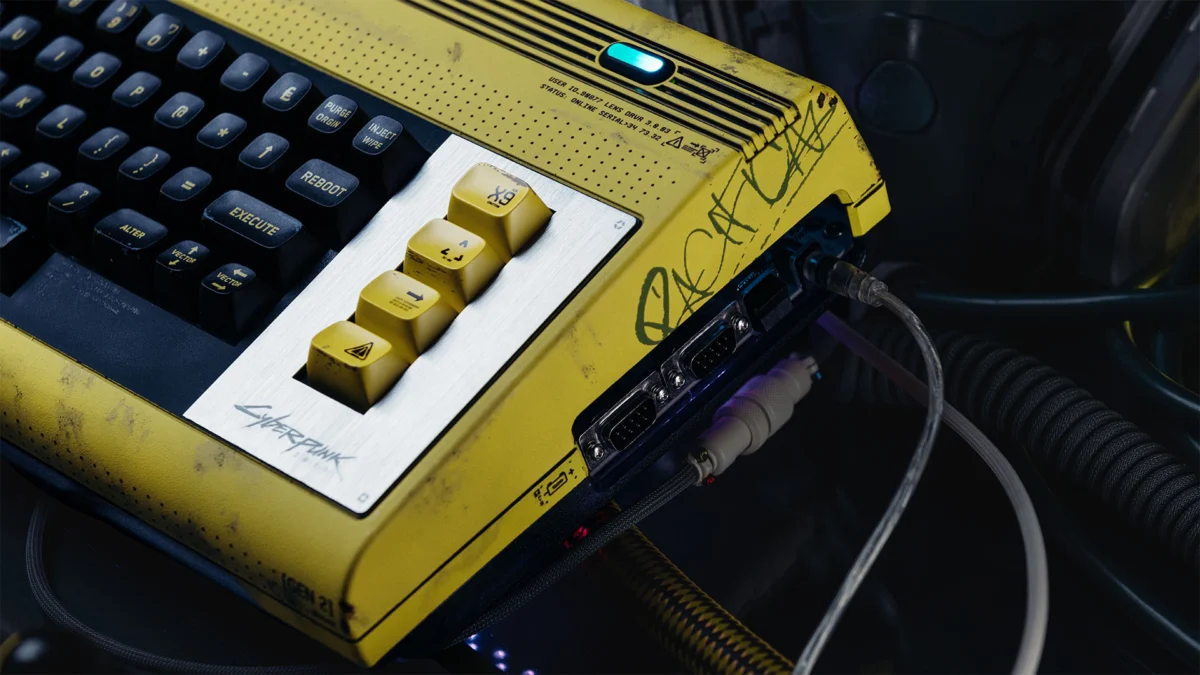
In a surprising intersection of retro-computing nostalgia and modern high-fidelity gaming, Commodore has officially announced a collaborative venture with CD Projekt Red. The result is the "Commodore 77," a special edition of the company’s flagship Commodore 64 Ultimate (C64U) hardware, reimagined through the lens of the dystopian, neon-soaked aesthetic of Cyberpunk 2077. This release represents more than just a cosmetic overhaul; it is a significant technological leap that aims to bridge the gap between 1980s computing architecture and modern enthusiast expectations.
The Genesis of the Commodore 77
The announcement, which dropped earlier today, confirms that the Commodore 77 is the first branded hardware partnership in the company’s storied 68-year history. While the Commodore 64 remains one of the most iconic machines in computing history—renowned for its influence on the 8-bit home console market—the collaboration with CD Projekt Red marks a departure into the realm of high-end collector’s hardware.
The project is the brainchild of Commodore’s President, CEO, and Chief Product Officer, Peri Fractic, who revealed that the partnership was sparked by a mutual appreciation for the legacy of the original Commodore 64. During high-level discussions with CD Projekt Red’s Joint CEO, Michał Nowakowski, it was discovered that Nowakowski is a lifelong devotee of the platform. This shared enthusiasm for the intersection of "art and machine" served as the foundation for the C77’s development.
"For us both, this has been a collaboration where art imitates life, and in turn, life for the denizens of Night City now imitates that art," Fractic stated in the official press release. "We hope they enjoy their new terminal."
Technical Specifications: Beyond the Beige Bread Bin
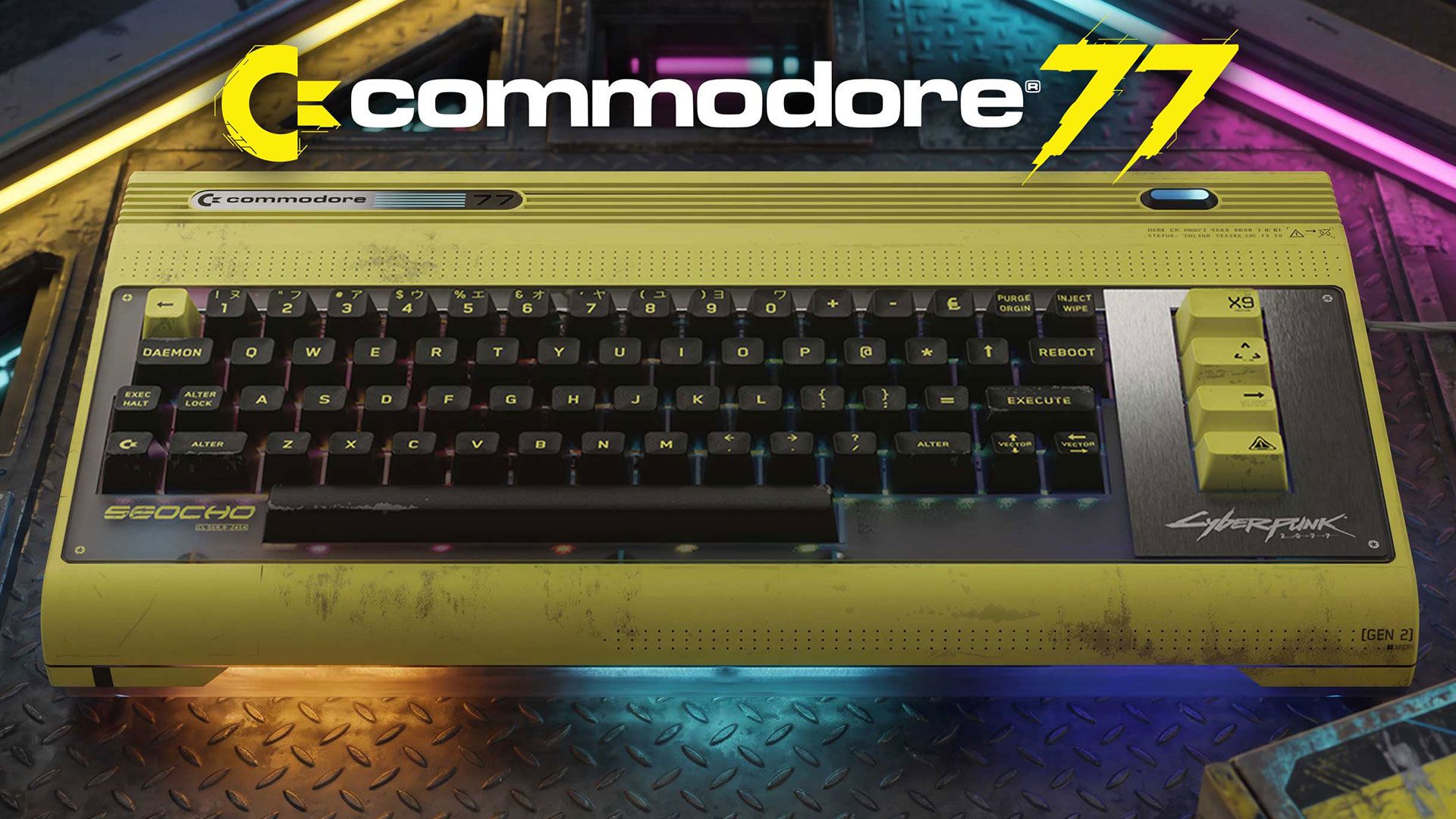
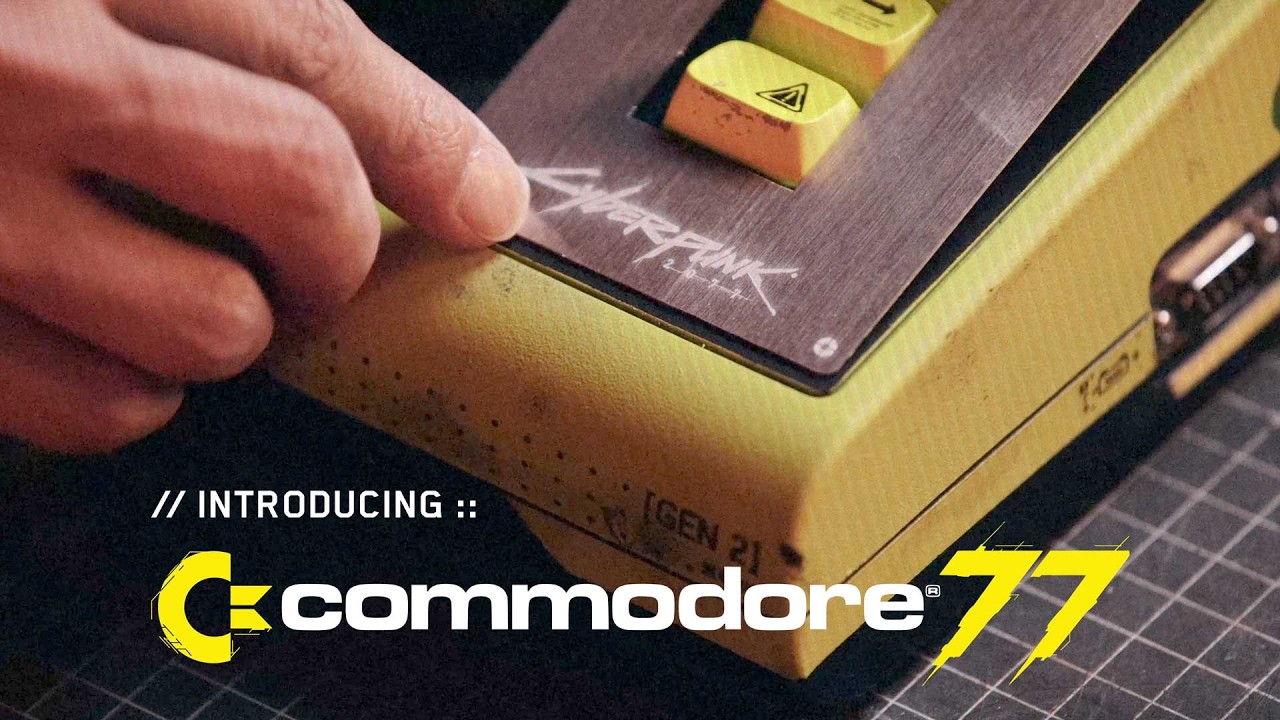
While the original Commodore 64 is remembered for its iconic beige chassis, the Commodore 77 discards this aesthetic entirely in favor of a sleek, industrial design. The unit features a distinctive brushed metal plate positioned to the right of the keyboard, providing a tactile, premium feel that evokes the high-tech, low-life aesthetic of the Cyberpunk universe.
However, the internal hardware is where the most significant upgrades reside. The standard C64U utilizes the AMD Xilinx Artix-7 XC7A50T FPGA (Field Programmable Gate Array). The C77, however, steps up to the more robust Artix-7 XC7A100T. This upgrade is substantial, effectively doubling the logic capacity and block RAM, while providing significantly more I/O throughput.
While Commodore has been coy about the specific performance ceiling of this new chip, they have teased that the C77 is capable of achieving speeds of 77 MHz. To put this into perspective, the original Commodore 64 operated at a modest 1 MHz. While the jump to 77 MHz might seem small by modern CPU standards, in the world of cycle-accurate FPGA emulation, this represents a massive increase in overhead, potentially allowing for more complex graphical rendering, faster data processing, and enhanced audio synthesis that far exceeds the capabilities of the original MOS Technology 6510 processor.
The Cyberpunk Experience: Software and Audioscape
The C77 experience is heavily curated to immerse the user in the world of Cyberpunk 2077. Upon booting the system, users are greeted by a custom, theme-appropriate BASIC 2.0 boot screen. The operating environment has been overhauled with new menu color palettes that align with the game’s distinctive interface, creating a cohesive visual language.
Included with the system is an exclusive 2MB demo cartridge. Developed by the renowned Polish C64 demo group, Arise, this cartridge serves as a technical showcase for the C77’s capabilities. The demo features an original soundtrack by chiptune legend LukHash, which takes full advantage of the C64U’s 24-channel stereo SID (Sound Interface Device) chip architecture.
The hardware also includes a dynamic lighting system: the smoked translucent base of the unit contains LEDs that pulse and "dance" in synchronization with the audio output, effectively turning the computer into a visual component of the user’s setup.
Chronology of the Project
The development of the Commodore 77 was a tightly guarded secret, but it follows a clear trajectory of Commodore’s recent efforts to modernize its hardware library:
- Early 2024: Preliminary discussions between Commodore and CD Projekt Red leadership regarding a potential hardware collaboration.
- Late 2024: The engineering team selects the Artix-7 XC7A100T as the core FPGA to ensure the C77 could handle custom, high-fidelity demo software.
- Mid-2025: Finalization of the industrial design, including the implementation of the brushed metal deck and the custom LED light-show base.
- August 2026: Concurrent with the launch of the Alien Breed 35th Anniversary Collection, Commodore ramps up marketing for the upcoming hardware project.
- Today: Official reveal of the Commodore 77, with preorders opening immediately.
- Early 2027: Anticipated shipping date for the first production run of the consoles.
Implications for the Retro-Computing Market
The release of the Commodore 77 signals a shift in how retro-tech is being marketed to modern consumers. By positioning the C77 as a "lifestyle" product rather than just a hobbyist tool, Commodore is attempting to capture the demographic of collectors who value both technical prowess and high-end aesthetic design.
The decision to swap the FPGA to a more powerful tier suggests that Commodore is looking to future-proof their hardware. With twice the logic capacity of the standard C64U, the C77 is capable of running more intensive homebrew software, sophisticated emulations of other 8-bit systems, and potentially even newer, custom-coded games that push the boundaries of what the 6502 architecture can achieve.
Furthermore, the collaboration with a major gaming studio like CD Projekt Red provides a blueprint for future partnerships. If the C77 proves successful, it could open the door for other "franchise hardware" releases, essentially creating a new market for themed, limited-run retro computers that function as both functional hardware and collectible art pieces.
Pricing and Availability
The Commodore 77 is priced at $377, a nod to the game’s title. Beyond the machine itself, the retail package is designed to be an "experience," containing:
- A custom neon-themed power indicator.
- A set of exclusive Cyberpunk 2077 stickers and collector pins.
- Themed packaging designed to resemble in-game corporate cargo.
- A spiral-bound, lore-heavy user manual.
- Access to exclusive "type-in" BASIC programs specifically tailored for the C77.
Preorders are currently open, though potential buyers should note that shipments are not expected to begin until early 2027. Given the limited nature of such collaborative hardware releases, it is highly likely that the C77 will see significant interest from both the long-standing Commodore community and the massive Cyberpunk 2077 fanbase.
Official Stance and Community Reception
Commodore’s leadership has been vocal about the importance of this release, not just for the brand, but for the preservation of computing history. By keeping the spirit of the Commodore 64 alive through modern iterations like the C64U and the C77, the company is ensuring that a new generation of programmers and gamers remains engaged with the fundamental logic of early computing.
"We aren’t just selling a machine," noted a company spokesperson during the launch event. "We are selling the idea that the 8-bit era isn’t a dead-end technology, but a foundation upon which we can build new, exciting, and visually stunning digital experiences."
While some purists may question the shift away from the traditional aesthetic of the Commodore 64, the prevailing sentiment in the enthusiast community is one of excitement. The move to the XC7A100T processor is being viewed as a "dream spec" for the platform, offering a significant performance headroom that ensures the machine will remain relevant for years to come.
As the industry moves toward 2027, the Commodore 77 stands as a testament to the enduring legacy of the 8-bit era. It serves as a bridge between the past and the future—a machine that, while rooted in the foundational computing of the 1980s, is clearly designed for the neon-lit realities of the 21st century. Whether as a serious tool for development or a centerpiece for a collector’s desk, the C77 is set to become a defining piece of hardware for the next decade.