By Matthew Wilson | Tech & Gaming Correspondent
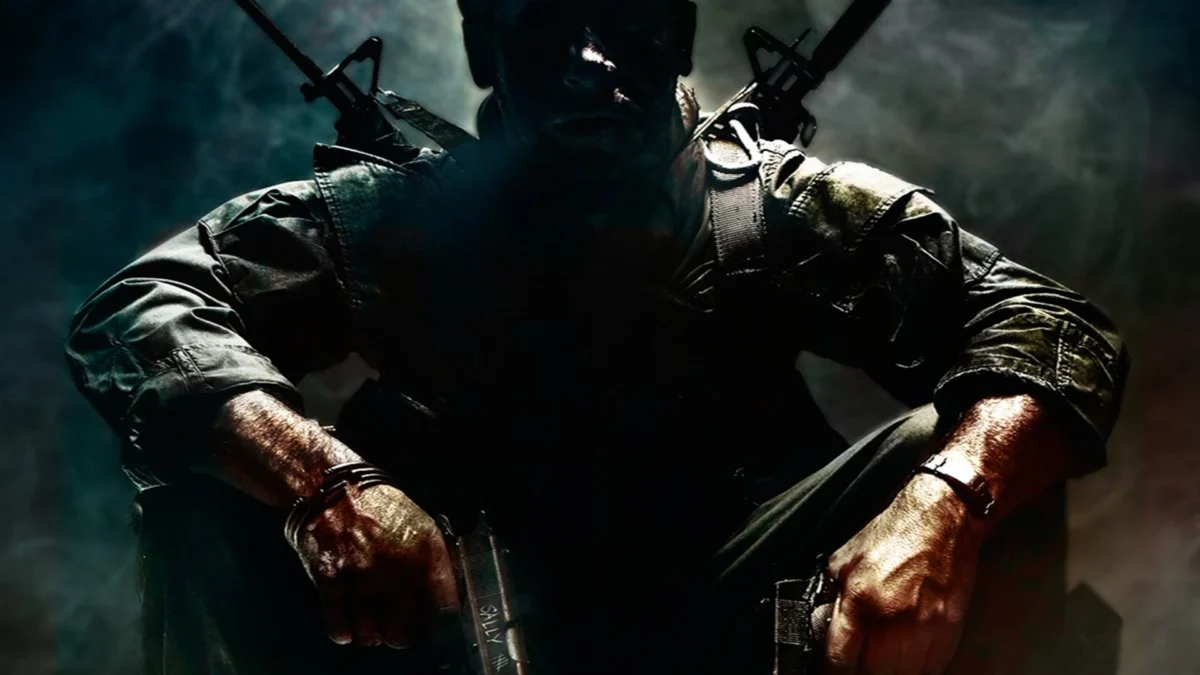
The recent arrival of Call of Duty: Black Ops and Black Ops II on PlayStation 4 and PlayStation 5 was met with widespread excitement. For many, these titles represent the zenith of the franchise—a golden era of map design, weapon balance, and competitive momentum. However, the anticipated return to these classics has soured rapidly. Within days of their re-release, the multiplayer experience has been decimated by a wave of malicious hacking, rendering the games largely unplayable for those seeking a legitimate competitive environment.
Despite the move to modern hardware, the underlying architecture remains tethered to decade-old vulnerabilities. As players report everything from intrusive aim-assist manipulation to account-breaking XP exploits, the community is left questioning why Activision chose to relaunch these titles without a robust security overhaul.
The Core Conflict: When Modern Hardware Meets Ancient Code
The primary grievance among the player base is the disparity between the hardware the games are running on and the outdated security protocols protecting them. While PlayStation 4 and PlayStation 5 offer superior processing power and stable frame rates compared to the original PlayStation 3 hardware, the games themselves are essentially running on the same legacy code that powered the 2010 and 2012 releases.
In the world of cybersecurity, "security through obscurity" is a failed strategy. Because the Black Ops source code has been scrutinized by modders and malicious actors for over a decade, exploits have become common knowledge. By porting these titles without implementing a modern, server-side anti-cheat engine, Activision has essentially rolled out a red carpet for hackers.
The Arsenal of Malice: What Players Are Facing
Reports from across the community—and corroborated by industry analysts at MP1st—indicate a terrifying range of capabilities available to cheaters in these lobbies:
- ESP and Wallhacks: Providing real-time locational data on every player on the map.
- Aim-Locking: Automated targeting that renders gunfights impossible for legitimate players.
- XP Manipulation: The most dangerous exploit, allowing cheaters to forcefully alter the experience points of others in the lobby.
- Negative XP: A malicious tool that drives a player’s progression into the negatives, effectively locking them out of multiplayer modes and resetting their hard-earned rank to zero.
A Chronology of a Failed Launch
The trajectory of this release serves as a case study in why "nostalgia" is not a substitute for product maintenance.
- Pre-Launch (Weeks prior): Enthusiasts speculated that the re-releases would include "quality of life" updates. Hopes were high that Activision would implement a modern matchmaking system or, at the very least, a basic reporting tool that actually functions.
- Launch Week: Players flocked to the PlayStation Store, eager to relive the glory days of Nuketown and Firing Range. Initial performance was praised, but within 48 hours, the first reports of "modded lobbies" began surfacing on social media platforms like X (formerly Twitter) and Reddit.
- The Weekend Crisis: By the first full weekend, the situation reached a breaking point. What should have been a high-engagement period became a toxic environment. Numerous players took to forums to report "max-level" hackers who were actively sabotaging the progress of everyone else in the game.
- Current State: The community has moved into a "defensive" posture. Players are now circulating "blacklists" and warning others to avoid specific game modes, such as Domination, where the density of hackers is highest.
Supporting Data: The Economic and Technical Toll
The financial implications of this situation are significant. At a price point of $40 per title, consumers are purchasing a product that, in its current state, fails to deliver its primary value proposition: a functional, competitive multiplayer mode.
The Risk of Account Contamination
Beyond the immediate frustration of losing a match to an aim-botter, there is a legitimate concern regarding account health. The ability for a hacker to manipulate a user’s XP raises questions about how Activision’s internal systems perceive these accounts.
If an innocent player is suddenly "boosted" to max rank by a hacker, or if their XP is corrupted into the negatives, they risk being flagged by automated moderation systems. In many instances, "boosted" accounts are banned during developer sweep-waves. This creates a scenario where the victim of a hack may also become a victim of a permanent ban, despite having no control over the environment they were placed in.
The "Private Lobby" Limitation
As it stands, the only viable way to enjoy Black Ops in 2024 is through private, invite-only lobbies. While this preserves the nostalgia for those with a large social circle, it ignores the millions of players who expect a standard "Public Match" experience. When the core feature of a multiplayer-focused game—public matchmaking—becomes a "no-go zone," the product ceases to be a full game and becomes a restricted utility.
Official Responses and the "Silence" Problem
To date, Activision has provided no official statement regarding the state of these specific re-releases. This silence is particularly deafening given the company’s massive investment in the Ricochet anti-cheat system for the Modern Warfare and Warzone series.
The lack of integration of Ricochet into these legacy titles suggests a tactical decision by the publisher: treat these as "legacy ports" with minimal ongoing support, rather than "live service" titles. However, the community argues that if you are charging a premium price for a multiplayer game in the current market, the developer has an ethical obligation to maintain the integrity of the ecosystem.
Industry experts suggest that integrating a modern anti-cheat into the Black Ops engine would require a massive development effort, essentially rebuilding the networking layer of the game. For Activision, this may be seen as a poor return on investment, yet the reputational damage caused by this "nightmare" launch could prove more costly in the long run.
Implications: The Future of Classic Re-releases
This debacle raises a broader question regarding the preservation of online games. If major publishers cannot—or will not—secure the servers for their classic titles, what is the future of online multiplayer gaming?
The "Consumer Protection" Argument
If a product is sold as a "multiplayer game," it must function as such. When a developer sells a title that is known to be infested with exploits, they are arguably selling a defective product. This case could eventually fuel debates regarding digital consumer rights and whether players deserve refunds for games that are rendered unplayable by third-party malicious actors that the developer refuses to mitigate.
The Path Forward: What Needs to Change?
To rectify this situation, three steps are essential:
- Immediate Transparency: Activision must acknowledge the issue and provide a roadmap for security updates. A simple "we are aware" post would do wonders for community relations.
- Implementation of Server-Side Filtering: Even without a full Ricochet deployment, implementing basic server-side filters to detect and kick users with abnormal XP rates or impossible stats would significantly clean up the public lobbies.
- Enhanced Reporting Tools: The current reporting system is effectively a "black hole." Providing a dedicated channel for reporting hackers in legacy titles would allow for targeted bans, even if automated systems are not yet in place.
Final Thoughts: A Lost Opportunity
The re-release of Black Ops had the potential to be a resounding success, a celebration of one of the most beloved entries in the history of the FPS genre. Instead, it has become a cautionary tale. By prioritizing a quick release over a secure experience, Activision has managed to turn a beloved memory into a modern nightmare.
Until such a time as the servers are fortified against the current wave of exploiters, players are advised to proceed with extreme caution. If you see grenade suicides, strange lobby behavior, or suspicious XP spikes, leave immediately. Your digital safety and your account’s integrity are worth far more than a single match of Black Ops.
For now, the servers remain in a state of chaos. Whether Activision chooses to intervene or let these classics wither remains the most pressing question for the Call of Duty community. One thing is certain: nostalgia has a price, and right now, the community is paying it in full—with their time, their patience, and their data.