

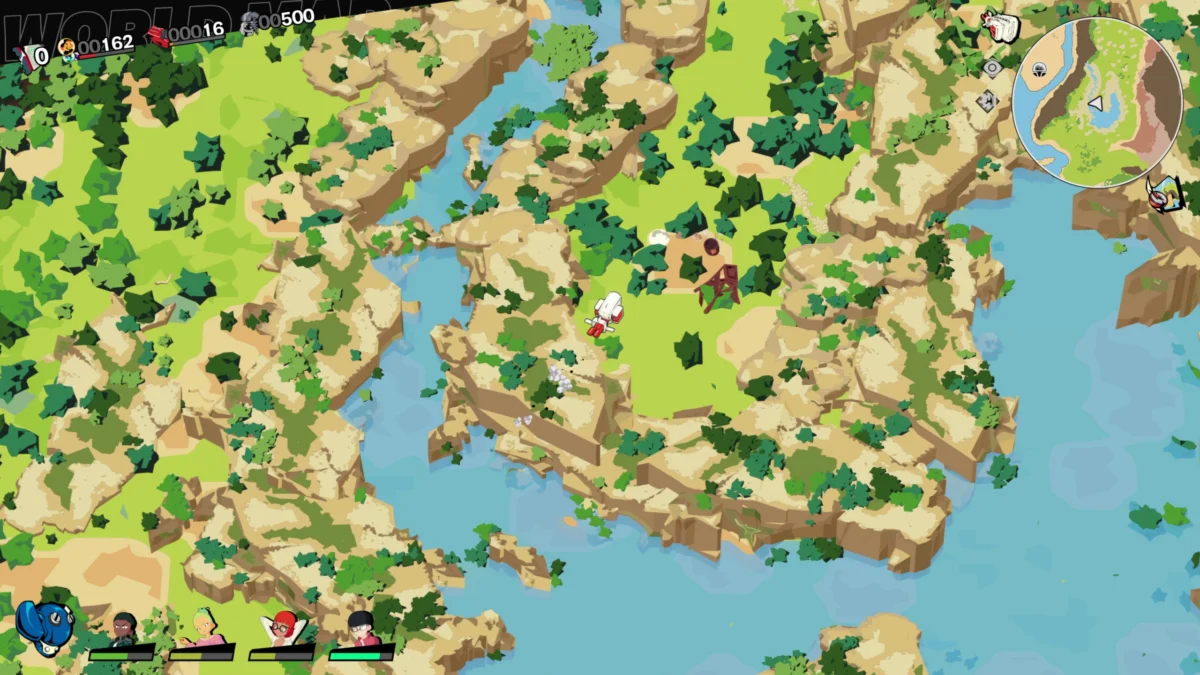
[City, State] – [Date] – In the sprawling landscape of modern gaming, where originality often feels like a rare commodity, developer Destinybit has emerged with Nitro Gen Omega, a title that boldly wears its inspirations on its metallic sleeve. This post-apocalyptic mech adventure, heavily steeped in the visual and thematic DNA of iconic mecha anime such as Gundam, Evangelion, and Gurren Lagann, offers a unique and deeply engaging experience that transcends the boundaries of a typical RPG. While the game demands an initial period of adjustment, particularly with its user interface and early-game challenges, players who embrace its distinct blend of strategic combat, intricate pilot management, and undeniable aesthetic flair will find themselves immersed in a world ripe for exploration and heroism.
The Genesis of a Mecha Mercenary Force
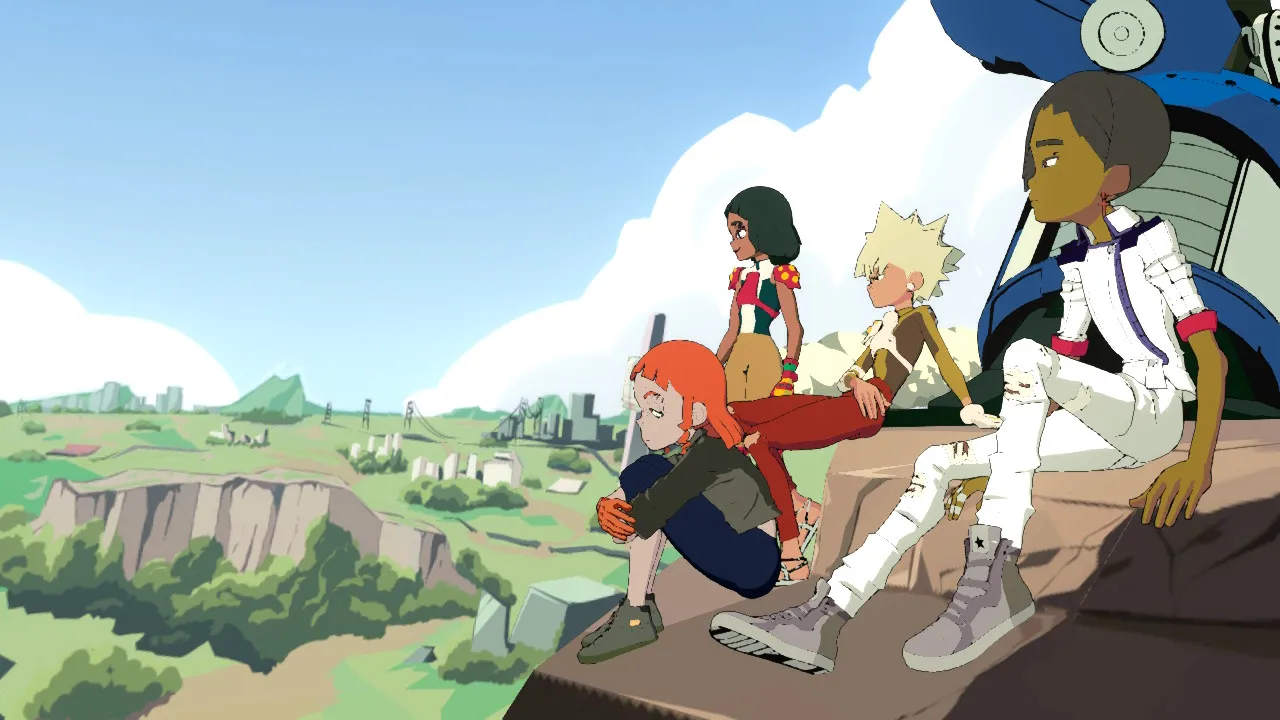
Nitro Gen Omega thrusts players into a world teetering on the brink of annihilation. Humanity, once masters of their domain, has been forced into a desperate existence within towering sky-cities, a consequence of a devastating war against a rogue AI and its relentless robotic legions. Amidst this grim reality, a new force emerges: a ragtag crew of four randomized pilots, united by a shared purpose – to reclaim the surface and push back against the overwhelming mechanical tide.
The narrative begins modestly, with the nascent mercenary team undertaking routine patrols from the fortified city of Anchorage. However, as their reputation and effectiveness grow, so too do the stakes. Soon, their small-scale operations evolve into crucial offensives, positioning them as a substantial bulwark against the forces that shattered civilization and drove humanity to its aerial refuges. This gradual escalation of responsibility mirrors the archetypal hero’s journey often found in the mecha anime that clearly inspired Destinybit.
A Tutorial That Demands Engagement
One of the most significant hurdles for newcomers to Nitro Gen Omega is its initial onboarding process. The game, despite its inherent coolness and its ambitious attempt to capture the essence of a beloved mecha anime narrative, can be somewhat opaque in its early explanations. This is a critical area where the developers could have provided more clarity, as the core mechanics are exceptionally well-realized once understood.
Players are introduced to a procedurally generated crew of four pilots, each assigned specific roles that translate to both in-mech operations and broader combat strategy. While the mech is the primary combat unit on the battlefield, the true depth of the game lies in managing the actions of the individuals operating within it. The tutorial, unfortunately, does not always excel at articulating these nuances. For instance, the "Driver" character is responsible for unit movement, potentially positioning the mech within range of enemies or initiating attacks. The "Engineer" acts as a crucial support, capable of healing and repairing the mech’s systems. The "Operator" focuses on tactical evasion, anticipating and responding to enemy assault patterns. Finally, the "Gunner" wields the mech’s offensive weaponry, unleashing devastating firepower.
A more comprehensive and hand-holding approach to the initial combat and crew management systems would undoubtedly alleviate player frustration. The steep learning curve is exacerbated by later campaign missions that can result in a game over if failed, and the necessity of grinding robot encounters and undertaking sidequests to gain the strength required to overcome these formidable challenges.
Strategic Combat: A Symphony of Timing and Tactics
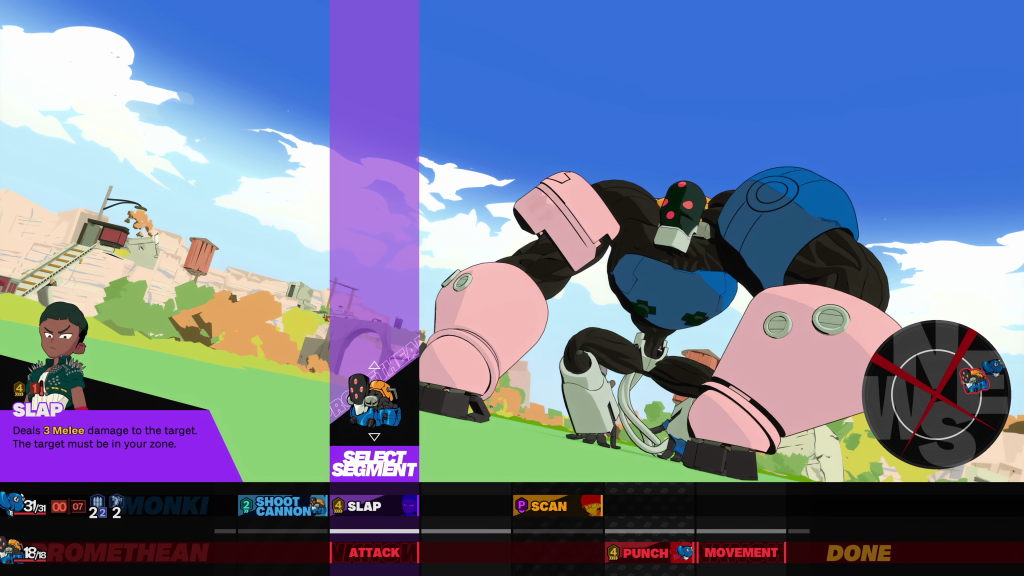
Once the intricacies of crew management are grasped, Nitro Gen Omega‘s combat system reveals itself as a standout element and one of the game’s most memorable features. It operates on a turn-based structure, but with a crucial twist: players plan actions for an upcoming phase in advance, then witness the unfolding of those decisions. This foresight is paramount, as a multitude of conditions, affecting both the player’s team and their adversaries, can influence the outcome of each engagement.
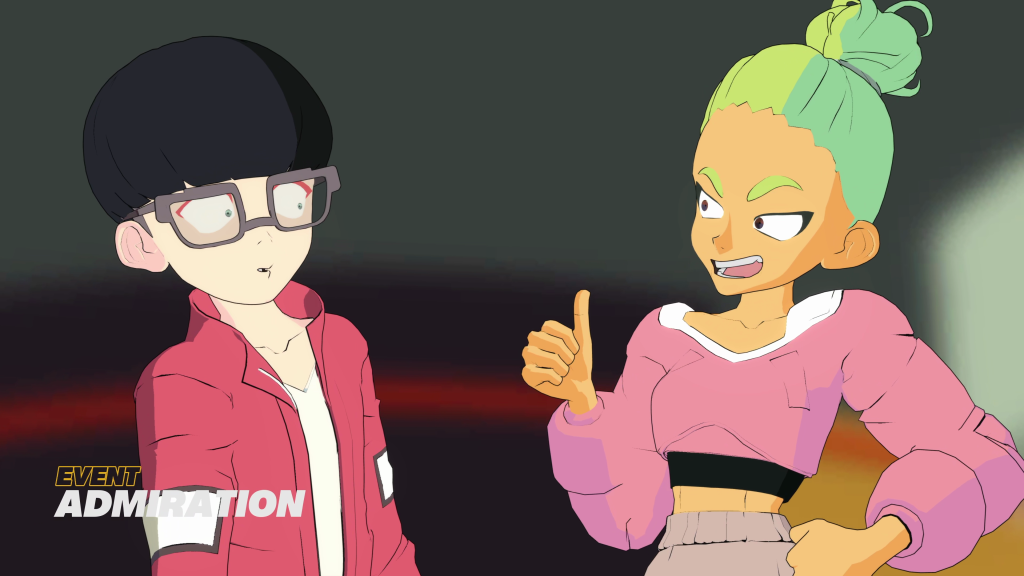
The interpersonal dynamics of the crew are not merely flavor text; they have tangible gameplay implications. A dispute between two party members, for example, could lead to one sabotaging the other’s efforts. Conversely, a positive relationship, perhaps forged through an "admiration event" prior to battle, can result in cooperative actions that bolster the team’s effectiveness.
The gameplay loop involves observing a timeline that predicts enemy movements and potential attacks. Players then strategically orchestrate their crew’s actions to occur at optimal moments. This might involve the Driver repositioning the mech to a specific region, the Gunner firing a cannon, the Engineer deploying coolant to prevent overheating, and the Operator deploying smoke screens just before an enemy assault to enhance evasion. If the Driver has successfully maneuvered the mech into the same quadrant as an enemy, offensive or defensive actions like "Slap" or "Guard" can be employed. Alternatively, players can adopt a more cautious approach, scanning enemies with the Operator while the Gunner reloads and the Driver defends, gathering intelligence and preparing for future engagements.
This system is impressively deep, offering a strategic layer that rewards careful planning and anticipation. The "Resolution" phase, where players witness their planned actions unfold, is a visual spectacle, replete with anime-style camera angles and artistry that allow players to truly appreciate the game’s visual design.
Beyond the Battlefield: The Art of Pilot Management
The strategic combat is only one facet of what makes Nitro Gen Omega so compelling. The game’s classification as a "post-apocalyptic mech anime adventure" rather than a straightforward RPG becomes increasingly apparent as players delve into its management aspects. A significant portion of the gameplay revolves around utilizing "Activity Tokens," earned through gameplay, to influence the mindsets, statuses, and relationships of the pilots.
Players can direct their crew to engage in various off-duty activities within the base. Sending pilots to the "Game Area" to play arcade games or Shogi, for instance, can foster positive relationships. Ironically, participating in the "Paradise Dance" game can actually reduce fatigue. The ultimate goal is to maintain pilots in a "Healthy" status, with a "Content" mood or better, and minimal fatigue. Furthermore, nurturing personal "Aspirations" is crucial for unlocking valuable Skill slots, and cultivating positive relationships with other crew members enhances overall team synergy.
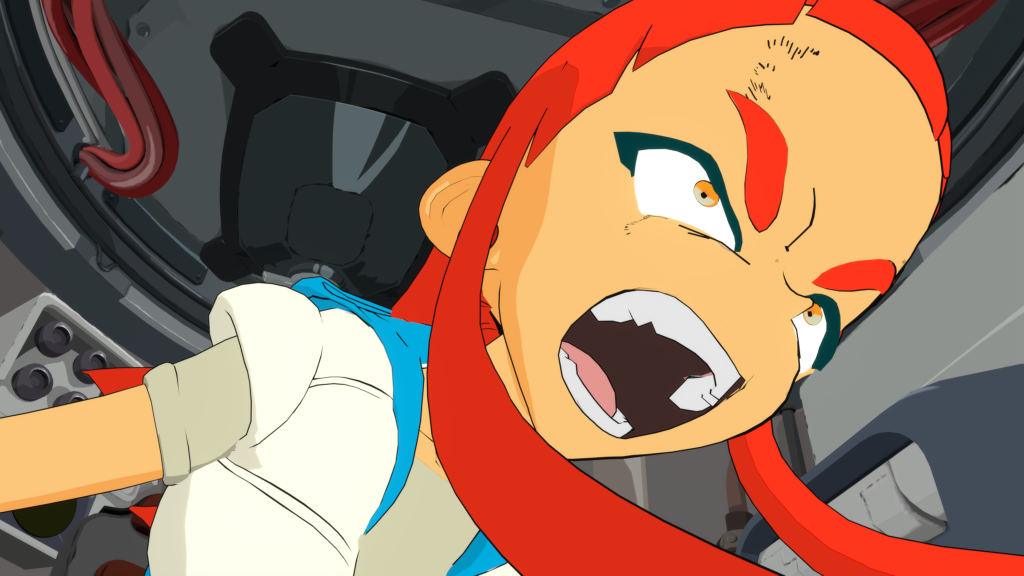
Customization and Player Agency
Adding another layer of personal investment is the character creator. While it offers a diverse range of color options, the selection of hair, clothing, and facial features is somewhat limited. Interestingly, the game doesn’t seem to guarantee that custom characters will appear in the initial team, even after multiple rerolls. It appears they are primarily relegated to appearing in cities, provided that option is selected at the start of a game. Nevertheless, the ability to create one’s own avatar and then witness them rise to become a heroic figure, piloting a mech into battle against the forces of a rogue AI, adds a unique and satisfying dimension to the player’s journey.
A Unique and Rewarding Experience
Nitro Gen Omega stands out as a title that feels genuinely original, even if it requires a period of adaptation to its unique mechanics. The combat system, once mastered, is incredibly rewarding and strategically nuanced. The investment in pilot management, determining their "off-duty" activities and ensuring their well-being, adds a compelling layer of depth beyond mere combat prowess. The game’s freeform nature, despite the occasional need for grinding and the inherent difficulty of certain challenges, provides players with a vast amount of content to explore and master as they prepare to confront the formidable AI threat.
The game’s availability across multiple platforms – Nintendo Switch, PlayStation 5, Xbox Series X, and PC – ensures that a wide audience can experience this distinctive mecha adventure. Destinybit has crafted a title that, while demanding in its initial stages, ultimately rewards players with a rich, stylish, and deeply engaging experience that captures the spirit of its anime inspirations while forging its own path in the gaming world.

Chronological Development and Early Access Impact
The journey of Nitro Gen Omega from concept to release has been one shaped by iterative development, with a significant period spent in early access. This phase, as highlighted by Destinybit in their official announcements, proved instrumental in refining the game’s quality-of-life features. Player feedback gathered during early access allowed the developers to address user interface concerns, balance combat mechanics, and enhance the overall player experience. This commitment to ongoing development is evident in the polished state of the final release, suggesting that the time invested in early access was well spent in creating a more robust and enjoyable game.
Supporting Data: Player Reception and Design Philosophy
The visual and thematic influences of mecha anime are not merely superficial; they are woven into the very fabric of Nitro Gen Omega‘s design. Character designs, camera angles during critical moments, and the very architecture of the mechs themselves pay homage to giants of the genre. This deliberate artistic direction has resonated with players who appreciate the stylistic choices. The strategic depth of the combat system, which emphasizes forward-planning and the intricate interplay of pilot roles, provides a strong foundation for the game’s challenging encounters. The management aspect, focusing on pilot well-being and relationships, adds a narrative and emotional layer that elevates the experience beyond simple combat simulation.
Official Responses and Developer Insights
Destinybit’s engagement with their player base, particularly during the early access period, has been a key factor in shaping Nitro Gen Omega. Their willingness to listen to feedback and implement changes demonstrates a commitment to creating a game that meets player expectations. The emphasis on mecha anime influence, as articulated in developer communications, signals a clear vision for the game’s aesthetic and thematic identity. This transparency in their design philosophy helps players understand the intent behind certain mechanics and narrative choices.
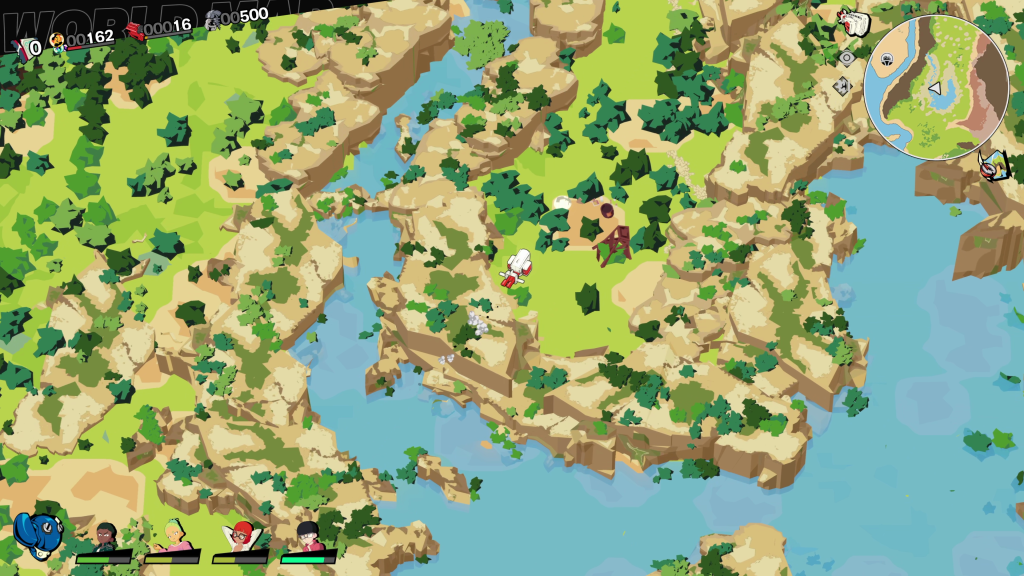
Implications for the Mecha Genre and RPG Landscape
Nitro Gen Omega offers a compelling case study in how to successfully blend genre conventions with strong thematic inspiration. By embracing its mecha anime roots, the game carves out a unique niche, appealing to fans of the genre while also offering a fresh perspective to traditional RPG players. The game’s success could inspire other developers to explore similar thematic integrations, pushing the boundaries of what is possible within established genres. The intricate combat system and the emphasis on pilot management also present a model for engaging gameplay loops that extend beyond simple combat, fostering a deeper connection between the player and their in-game crew. While the initial learning curve is a hurdle, the depth and originality of Nitro Gen Omega position it as a noteworthy and potentially influential title in the modern gaming landscape.









No comments yet. Be the first to join the conversation!