
 Basiran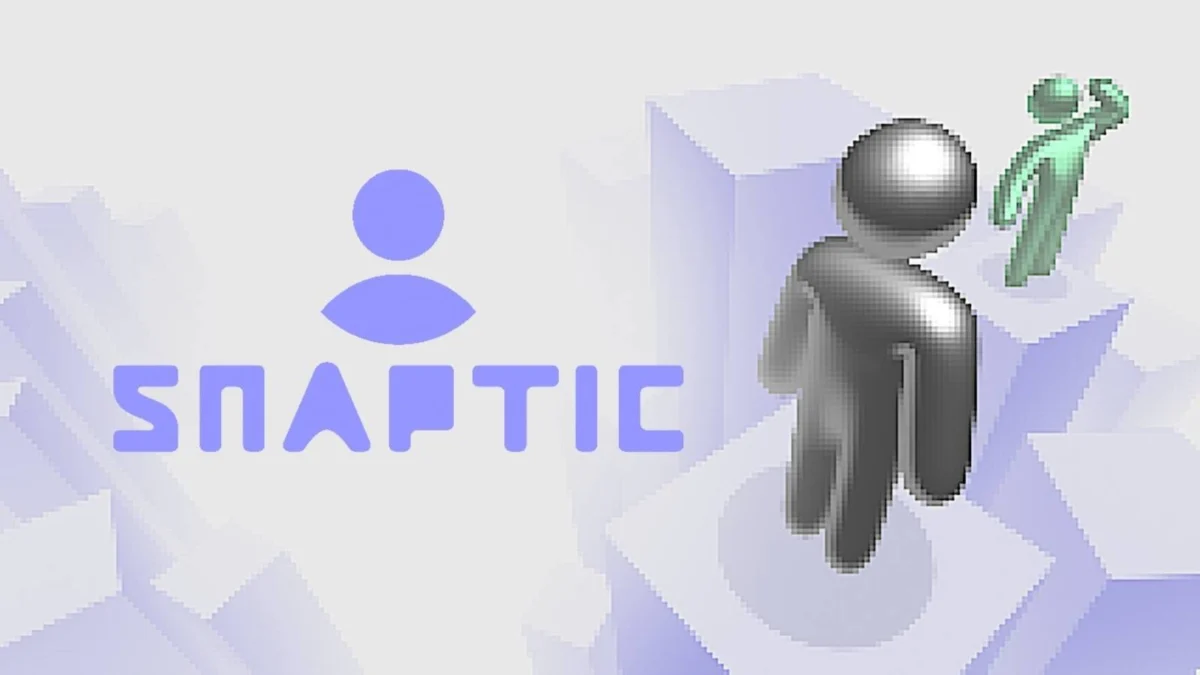
In the landscape of modern gaming, where hyper-realistic graphics and sprawling open worlds often dominate the discourse, a peculiar, minimalist puzzle-platformer has managed to capture the collective imagination of the internet. SNAPTIC, a physics-based title that wears its early-2000s digital aesthetic like a badge of honor, has officially shattered its crowdfunding goals, signaling a profound hunger for the "lost" internet history of the dial-up era.
Within just six hours of its September 29 launch on Kickstarter, SNAPTIC surpassed its $60,000 funding target. By the time the dust settled on its first day, the project had secured over $60,936 from 1,342 backers. As of this writing, the campaign momentum continues to surge, with more than $94,000 pledged by over 2,068 backers, leaving a full 29 days for the project to reach even loftier stretch goals.
The Chronology of a Digital Phenomenon
The trajectory of SNAPTIC’s success is a case study in effective community engagement and the potent currency of nostalgia. The campaign went live on the morning of September 29, accompanied by a trailer that acted as a digital time capsule.
For many backers, the decision to support the project was instantaneous. The developer, operating under the moniker "snaptic," had managed to cultivate a pre-launch interest that converted into funding almost the moment the campaign page went live. By the time the average user had finished watching the debut trailer, the project had already cleared its initial financial hurdle. This rapid-fire success trajectory—where the goal was met while the broader gaming press was still drafting their initial headlines—highlights a growing trend of "community-first" funding, where a niche aesthetic can bypass the slow-burn marketing models of traditional publishing.
A Deep Dive into the World of ‘SNAPTIC’
At its core, SNAPTIC is a physics-based puzzle-platformer set within the decaying architecture of an offline laptop. Players assume the role of "Anon," a featureless, humanoid protagonist who navigates a surreal digital landscape. The gameplay mechanics revolve around two primary abilities: the manipulation of magnetic objects and a transformation feature that allows Anon to morph into a marble to navigate treacherous, obstacle-ridden environments.
The narrative depth, however, is what appears to be keeping players engaged beyond the initial aesthetic hook. Anon is not merely exploring a game world; he is a digital archaeologist. Players are tasked with scouring old cache files, deciphering fragmented chat logs, and viewing corrupted camcorder footage to piece together the history of a dying system. The stakes are high: if the player fails to uncover the mystery behind the laptop’s shutdown—the only home Anon has ever known—the files that house his friends will be deleted, effectively erasing them from existence.
The AIM Connection: Aesthetic and Cultural Resonance
The most striking element of SNAPTIC is its visual identity. Its protagonist, a simple, yellow humanoid figure, bears an unmistakable resemblance to the iconic "Running Man" mascot of AOL Instant Messenger (AIM).
While the developers have clarified that SNAPTIC is not an official AOL project or a licensed revival, the visual shorthand is intentional. The game evokes the specific "vibe" of the early internet: the blocky, low-fidelity graphics, the sound of a screeching modem, and the feeling of a digital space that felt small, intimate, and infinitely mysterious.
For a generation that grew up with the chime of an AIM sign-on sound, SNAPTIC serves as a bridge to a pre-social media era. It captures a time when the internet felt like a physical place you "logged into" rather than a constant, ambient background noise. This aesthetic choice is not merely retro for the sake of being retro; it is a narrative tool that grounds the player in a world of discarded data, turning the mundane detritus of a 2005 computer desktop into a sprawling, surrealist adventure.
The Crowdfunding Landscape: A Rising Tide
The success of SNAPTIC is not an isolated event but rather the latest chapter in a broader shift in how games are financed. Kickstarter has, over the past 24 months, evolved into a high-stakes launchpad for projects that cater to specific, highly engaged fan communities.
The sheer velocity of SNAPTIC’s funding echoes recent industry successes that have pushed the boundaries of crowdfunding:
- The Cyberpunk 2077 Trading Card Game: This project, leveraging one of the most recognizable IPs in modern gaming, raised a staggering $6 million in just a few hours after clearing its $100,000 goal in under five minutes.
- The Neopets TTRPG: This project reached its funding goal in under six hours, though it later served as a cautionary tale for developers regarding the importance of content moderation and community management following backlash over an unapproved playtest document.
- Elestrals Awakened: Proving that original IP can still compete with established giants, this Pokémon-inspired RPG raised over $1.3 million, solidifying its place as one of the most crowdfunded games of 2025.
What these projects share—including SNAPTIC—is a clear value proposition. Whether it is a massive brand like Cyberpunk or a niche, nostalgia-heavy project like SNAPTIC, backers are increasingly willing to pay a premium to participate in the development process of games that reflect their specific interests.
Implications for the Future of Indie Development
For the developers at snaptic, the challenge now shifts from securing funding to scaling development. With the initial $60,000 goal eclipsed, the focus has pivoted toward stretch goals. The developers have hinted that additional funding will be funneled into expanding the scope of the game—potentially adding more environments, deeper narrative branches, and more complex puzzle mechanics that were not possible under the original, tighter budget.
The industry is watching closely. The success of SNAPTIC suggests that the "Indie Renaissance" is moving into a phase of hyper-specialization. Rather than attempting to compete with AAA titles in scale, indie developers are finding success by creating highly immersive, mood-driven experiences that lean heavily into specific cultural moments.
Furthermore, the game’s PC-first approach, with a Steam release date currently listed as "to be announced," reflects the cautious optimism of a team that realizes the pressure of high expectations. By avoiding a firm release date, the developers are signaling a commitment to quality, a necessity when the community has already invested nearly six figures into the project’s vision.
Conclusion: A Digital Eulogy
SNAPTIC represents more than just a successful Kickstarter campaign; it is a digital eulogy for an era of the internet that has largely been swept away by the current tide of algorithmic feeds and high-definition interfaces. By turning the "ghosts" of the early 2000s—the corrupted files, the chat logs, and the simple, pixelated icons—into a functional world, the developers have tapped into a vein of deep-seated collective nostalgia.
As the campaign enters its final weeks, the excitement surrounding SNAPTIC shows no sign of waning. Whether it lives up to the lofty expectations set by its explosive launch remains to be seen. However, for now, the project stands as a testament to the fact that when it comes to game development, sometimes the most compelling worlds are the ones we remember, rather than the ones we build from scratch. For those waiting for a return to the simplicity of the early digital frontier, SNAPTIC may just be the portal they have been looking for.


 Suro Senen
 Pevita Pearce




