

The long-standing rivalry between Mac and Windows has long been defined by a simple dichotomy: the creative professional’s preference for Apple’s seamless, highly efficient silicon, versus the Windows user’s need for modularity, raw power, and broad hardware compatibility. For years, Apple’s transition to its proprietary M-series chips in 2020 solidified the MacBook’s reputation as the gold standard for power efficiency and creative workflow performance.
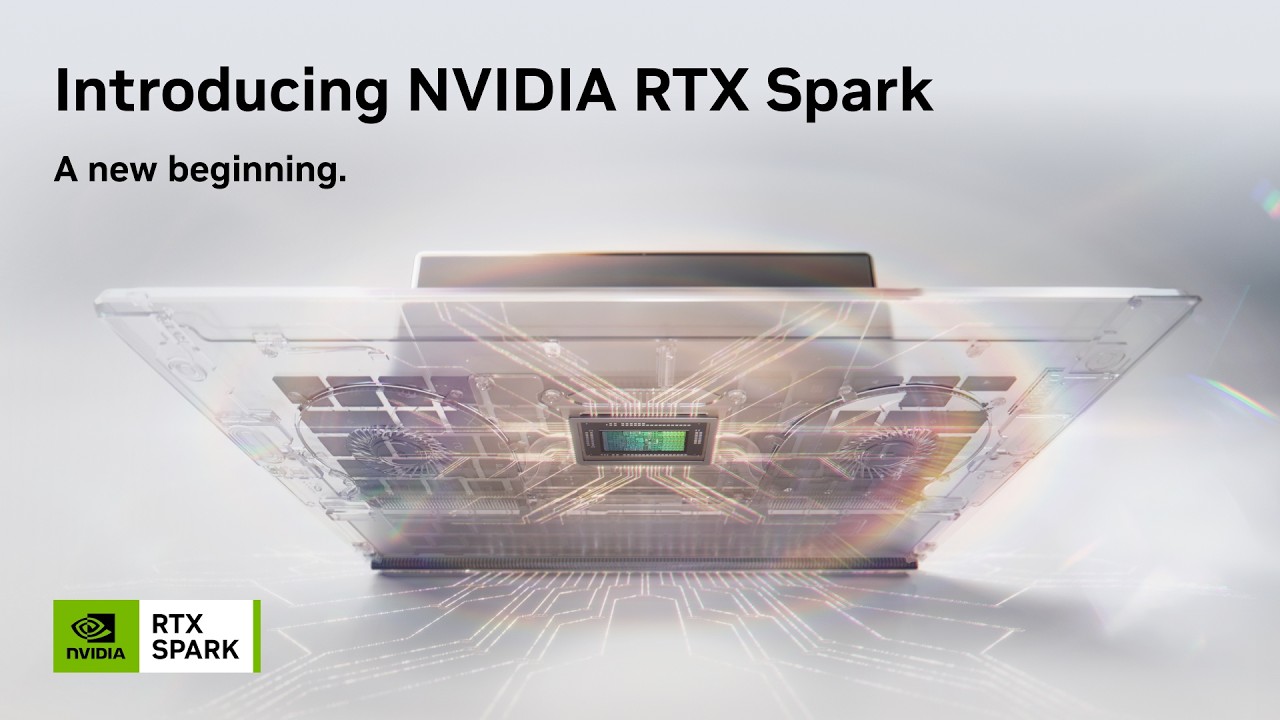
However, the tide is beginning to shift. Nvidia, the undisputed titan of graphics processing, has officially entered the laptop CPU arena with the launch of "RTX Spark"—a revolutionary superchip that promises to redefine the Windows PC experience. Billed by the company as a "reinvention of the personal computer," RTX Spark is not merely an incremental upgrade; it is a direct challenge to the supremacy of Apple Silicon.
The Architecture of the Spark: A New Era of Efficiency
Nvidia’s entry into the laptop processing market is built on a fundamental architectural shift. While traditional PCs have long relied on x86 CISC (Complex Instruction Set Computing) architectures, RTX Spark embraces the RISC (Reduced Instruction Set Computing) philosophy, similar to the path taken by Apple with its M-series.
The RTX Spark "superchip" is a marvel of engineering. At its heart lies a Blackwell-architecture RTX GPU, featuring an impressive 6,144 CUDA cores and fifth-generation Tensor Cores capable of advanced FP4 precision. This GPU is tethered to a high-performance 20-core Nvidia Grace CPU, co-designed with MediaTek, using the ultra-fast NVLink-C2C chip-to-chip interconnect. This allows for unified memory configurations reaching up to 128GB of LPDDR5X, effectively bridging the gap between CPU and GPU tasks in a way that rivals the high-bandwidth memory architecture of the MacBook Pro.
Nvidia’s boldest claim is that the integrated graphics performance of the RTX Spark is comparable to a discrete RTX 5070 Laptop GPU. Furthermore, the chip boasts a staggering 1 petaflop of AI performance, signaling that this hardware is designed not just for rendering, but for the future of local, on-device AI agent processing.
A Chronology of the Shift
The path to this moment has been paved by a series of strategic moves in the silicon industry.
- Late 2020: Apple launches the M1 chip, stunning the industry with an unprecedented balance of battery life and performance. The "Mac vs. Windows" debate shifts decisively in Apple’s favor for creative professionals.
- 2021–2023: Qualcomm makes inroads into the Windows ecosystem with Snapdragon chips. While these devices show promise in endurance, they consistently lag behind in heavy-duty graphics performance, leaving a void for high-end creators.
- Early 2024: Industry rumors circulate regarding Nvidia’s desire to leverage its Blackwell architecture for a consumer-grade laptop platform.
- Mid-2024 (Computex): Nvidia CEO Jensen Huang takes the stage to unveil RTX Spark. The narrative focuses on "Personal AI" and the integration of Windows agents directly into the operating system’s interface.
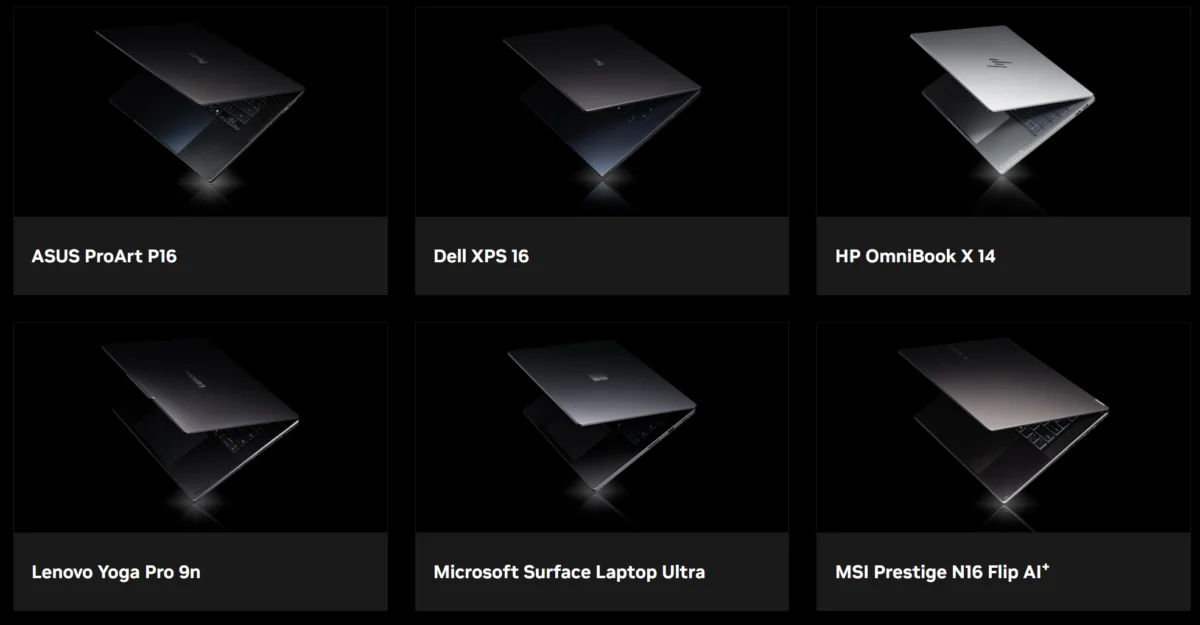
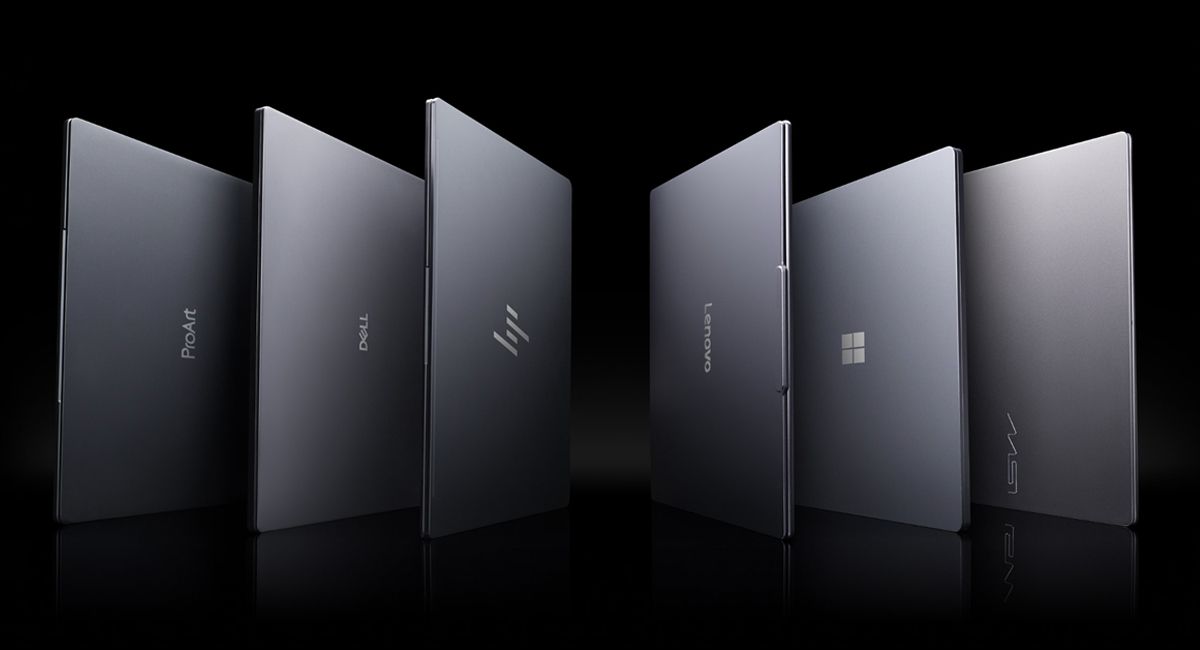
- Late 2024: The announcement of the initial wave of hardware partners confirms the platform’s arrival, with major OEMs like Asus, Dell, HP, Lenovo, and Microsoft integrating the chip into flagship devices.
Supporting Data: Powering the Creative Workflow
Nvidia is positioning RTX Spark as a creator’s powerhouse, optimizing over 1,000 applications and games for its unique architecture. The performance metrics shared by the company paint a compelling picture for professionals in animation, CAD, and high-end video production.
The chip’s Blackwell decoder is specifically tuned to handle 12K 4:2:2 video streams, a massive leap for cinema-grade editing. For those working in 3D, the combination of OptiX and DLSS allows for the rendering of "ultralarge" scenes that would typically bring even high-end workstations to their knees. Perhaps most impressively, the chip is capable of running 120-billion-parameter large language models (LLMs) with a 1-million-token context window—all locally, without the latency or privacy concerns associated with cloud-based AI.
In the realm of gaming and real-time visualization, RTX Spark supports ray tracing, DLSS 4.5, and the new "Ray Reconstruction" second-generation transformer model, which is set to arrive in Blender 5.3. These features promise to drastically reduce rendering times for artists while maintaining the visual fidelity expected of professional-grade creative tools.
Official Responses and Strategic Partnerships
The launch is characterized by a "whole-ecosystem" approach. Nvidia is not working in isolation; it has partnered closely with Microsoft to ensure that the Windows experience is tailored to the strengths of the Spark architecture.
"We are building the future of the personal computer," Jensen Huang remarked during his keynote. The focus is on deep integration—RTX Spark-powered Windows agents will be accessible directly from the taskbar, allowing users to automate complex workflows, from image generation in Photoshop to batch processing in Premiere Pro, with simple natural language commands.
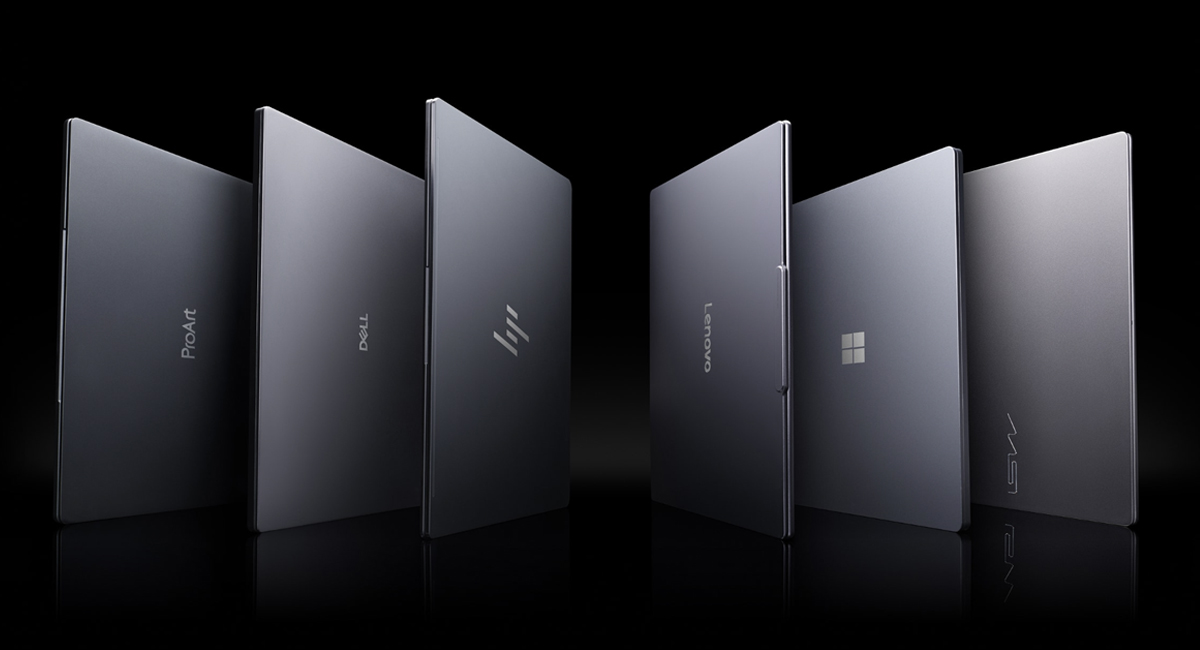
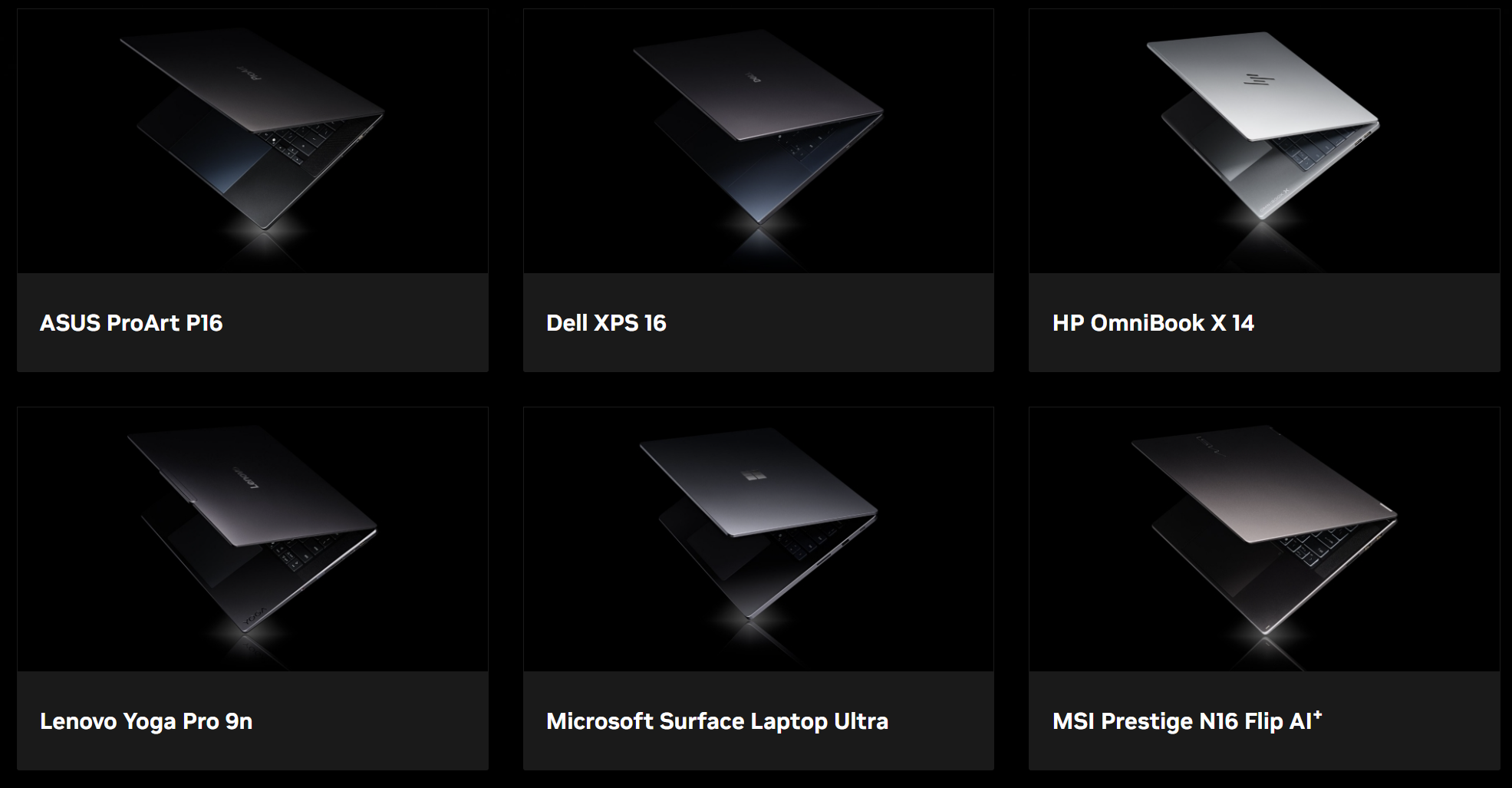
Major hardware manufacturers have already committed to the platform. The list of inaugural devices includes:
- Asus Pro Art 16: A long-time favorite for CAD and animation professionals.
- Microsoft Surface Laptop Ultra: Marketed as the most powerful machine the company has ever produced.
- Dell XPS 16: A premium contender for mobile workstations.
- HP OmniBook X 14, Lenovo Yoga Pro 9n, and MSI Prestige N16 Flip AI: A diverse range of form factors to suit different creative niches.
Implications: Can Windows Reclaim the Creative Crown?
The emergence of the RTX Spark platform represents a pivotal moment for the Windows ecosystem. For years, the barrier to entry for creative professionals looking at Windows was the perceived lack of an "Apple-like" experience—that specific blend of hardware-software synergy that made the M-series so appealing.
However, the transition comes with a significant caveat: price. Nvidia’s decision to aim for the premium market from day one is a high-stakes gamble. Pricing for RTX Spark-equipped laptops is expected to start between $2,000 and $2,500, with top-tier configurations hitting the $6,000 mark.
This puts Nvidia in direct competition with the most expensive machines in Apple’s stable, such as the 16-inch MacBook Pro with the M5 Max chip and 128GB of unified memory. The question remains: will the creative industry be willing to pay a premium for a new architecture that, while powerful, is still finding its footing in terms of software optimization and OS-level stability?
Moreover, the success of the platform rests on Microsoft’s shoulders. If Windows cannot provide a smoother, more intuitive, and more reliable operating environment than macOS, the hardware advancements of the RTX Spark may be overshadowed by software friction.
Finally, the market is becoming increasingly crowded. Intel is not standing still; it plans to launch its own competitive chip later this year, reportedly utilizing more cost-effective memory and cooling solutions. This suggests that while RTX Spark might set the standard for high-end performance, the broader "AI-laptop" race is only just beginning.
For the creative professional, the choice is no longer just about the brand on the lid of the laptop. It is becoming a decision about which AI-integrated ecosystem will define the future of their workflow. Whether Nvidia’s Spark can truly ignite a shift away from the Mac remains to be seen, but one thing is certain: the era of the "smart" creative workstation has arrived, and the competition has never been fiercer.









No comments yet. Be the first to join the conversation!