

By The Graphic Policy Editorial Team
May 12, 2026
The sun-drenched facade of the California Dream is finally peeling away in Devil’s Luck: A Hailstone Story #5. As the miniseries reaches its long-awaited conclusion, readers are invited to witness the inevitable collapse of Tim, a character whose descent from a naive, desperate dentist into the harrowing underworld of illicit trade has been one of the most compelling narratives in recent independent comics.
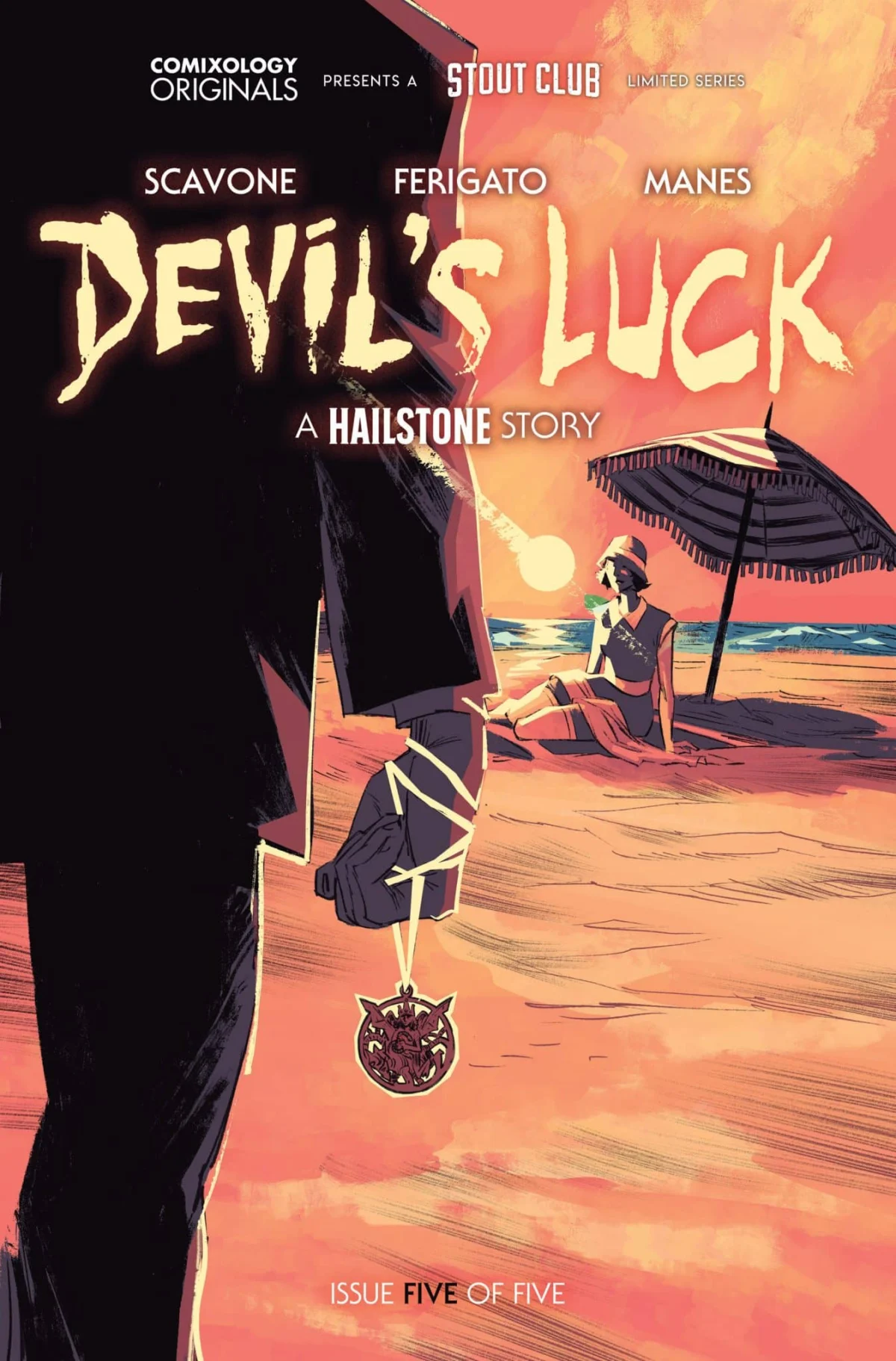
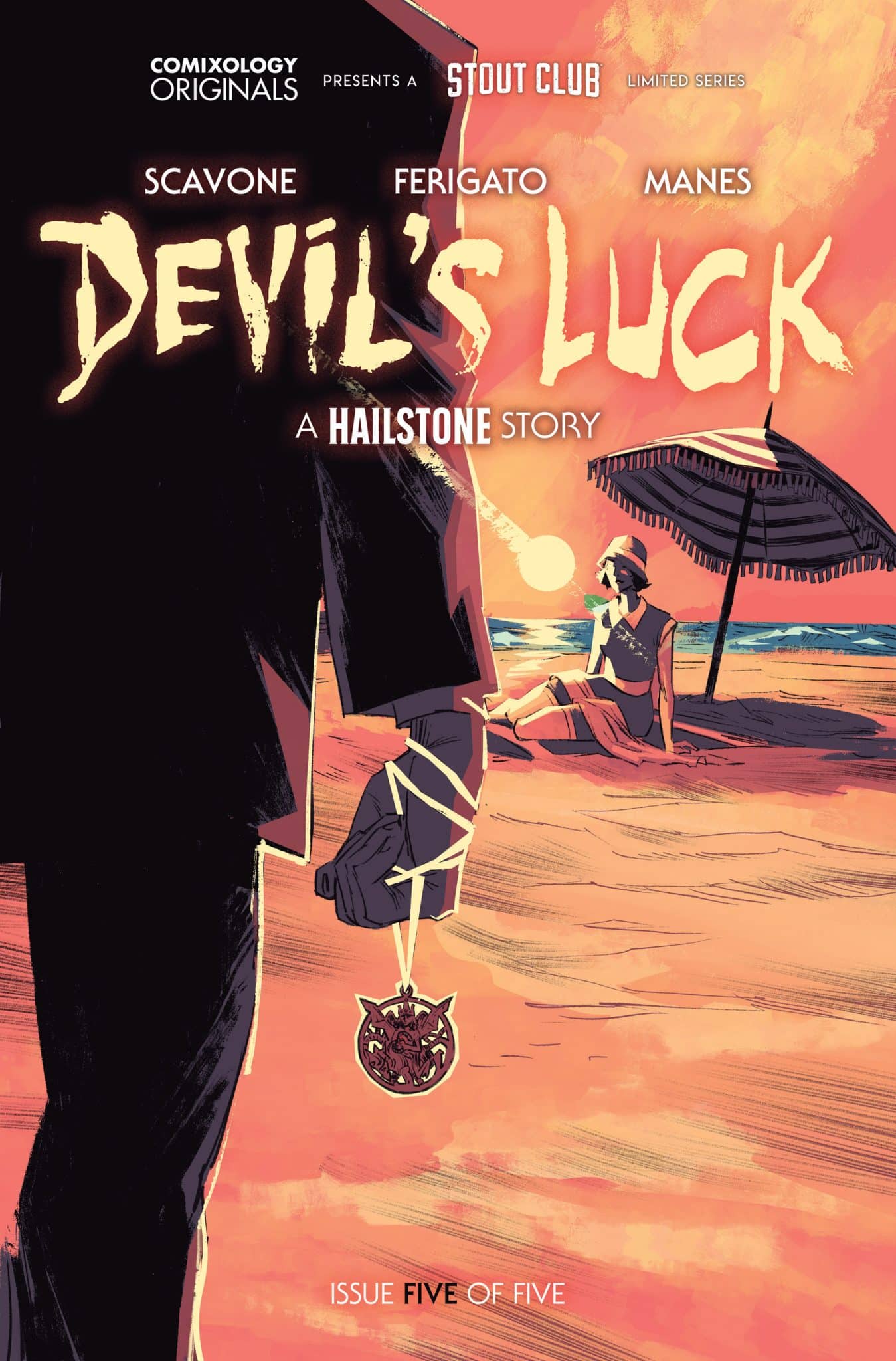
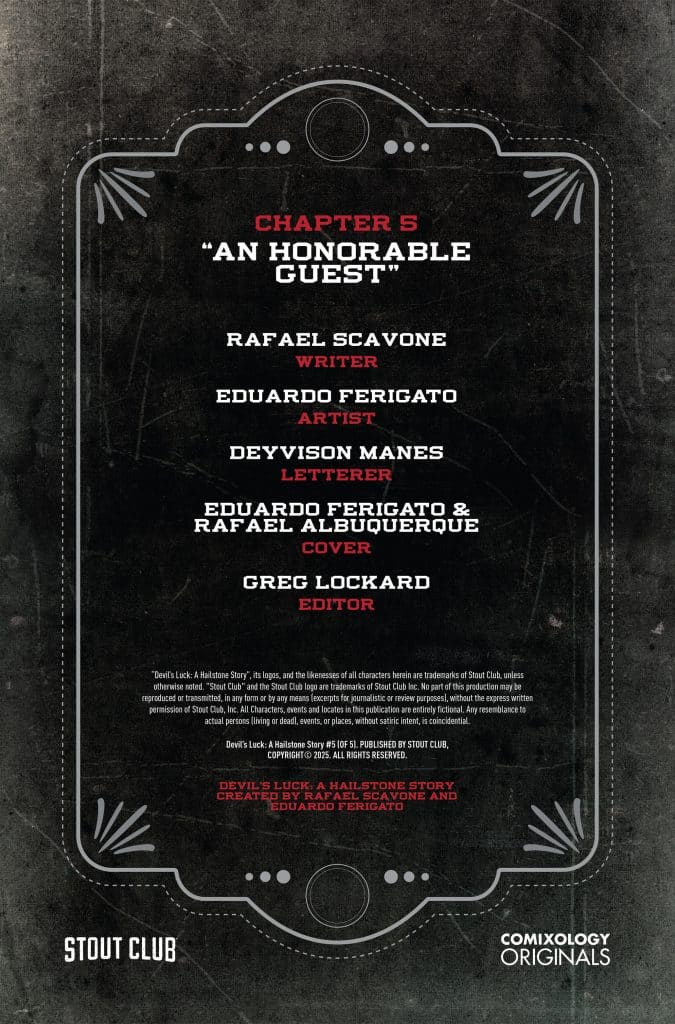
With the creative powerhouse of writer Rafael Scavone and artist Eduardo Ferigato at the helm, the fifth and final issue arrives in an oversized format, promising a resolution that is as brutal as it is inevitable. Featuring a striking cover collaboration between Ferigato and Rafael Albuquerque, this finale serves as the capstone to a story that has consistently questioned the price of ambition and the morality of desperation.
Main Facts: The Conclusion of a Descent
The narrative trajectory of Devil’s Luck has been defined by a singular, fatal mistake: a dentist’s choice to prioritize greed over ethics when presented with the golden teeth of a mysterious patient. What began as a localized moral dilemma has spiraled into a bloody, high-stakes journey that now reaches its breaking point.
In this oversized final issue, the stakes are existential. Tim, who spent the previous four issues attempting to outrun the consequences of his choices, finds himself trapped. The "California Dream"—a symbol of prosperity and a fresh start—has proven to be a mirage. As the narrative reaches its crescendo, Tim is forced to confront a reality that he has spent his entire journey ignoring: the truth about his own complicity in the darkness that has consumed his life.
The issue, published under the Comixology Originals banner, emphasizes the "Hailstone" aesthetic—gritty, atmospheric, and character-driven—maintaining the high standard of visual storytelling that has become the trademark of Scavone and Ferigato’s collaboration.
Chronological Evolution: From Patient to Predator
To understand the weight of the fifth issue, one must look back at the steady deterioration of Tim’s moral compass over the preceding installments.
- The Catalyst: In the early chapters, the series established the baseline for Tim’s life—mundane, underpaid, and unfulfilled. The introduction of the "mysterious patient" served as the disruption that shifted the story from a domestic drama into a crime thriller.
- The Slippery Slope: Issues two and three saw Tim navigating the underground, attempting to monetize his discovery. During this phase, the narrative focused on the logistics of his greed and his clumsy attempts to navigate a world far more dangerous than the one he inhabited behind a dental chair.
- The Turning Point: By issue four, the "bloody path" became inescapable. Tim’s attempts to dodge the repercussions of his actions resulted in a series of violent escalations. The dream of California began to look less like a destination and more like a tomb.
- The Finale: Issue five finds Tim at the end of his rope. The chronological progression has been a tight, claustrophobic spiral. The pacing in this final chapter is designed to mirror the frantic energy of a man who has finally realized that there is no exit strategy.
Supporting Data: The Creative Synergy
The success of Devil’s Luck cannot be discussed without highlighting the technical synergy between Scavone’s writing and Ferigato’s illustrative style.
- The Scripting: Rafael Scavone has utilized the "Hailstone" narrative framework to explore the psyche of a "common man" in extraordinary circumstances. By focusing on the minutiae of the dentist’s life—the mundane tools of his trade turned instruments of potential wealth—Scavone grounds the supernatural and criminal elements of the story in a reality that feels uncomfortably close to home.
- The Visual Language: Eduardo Ferigato’s art has been instrumental in establishing the tone. His use of shadow and composition creates a sense of dread that permeates every panel. The oversized format of the final issue allows for expanded splash pages and more intricate detail, giving Ferigato the space to depict the final, chaotic moments of Tim’s journey with visceral clarity.
- The Cover Art: The collaboration between Ferigato and Rafael Albuquerque for the cover is a significant industry milestone for this project. Albuquerque, known for his definitive work on American Vampire, brings a signature aesthetic that complements Ferigato’s style, signaling to readers that the conclusion of this series is an event of significant artistic weight.
Official Context and Industry Implications
Devil’s Luck: A Hailstone Story is a prime example of the current shift in the digital comics landscape. By utilizing the Comixology Originals platform, the creators have been able to bypass traditional gatekeeping, delivering a mature, serialized crime drama directly to an international audience.
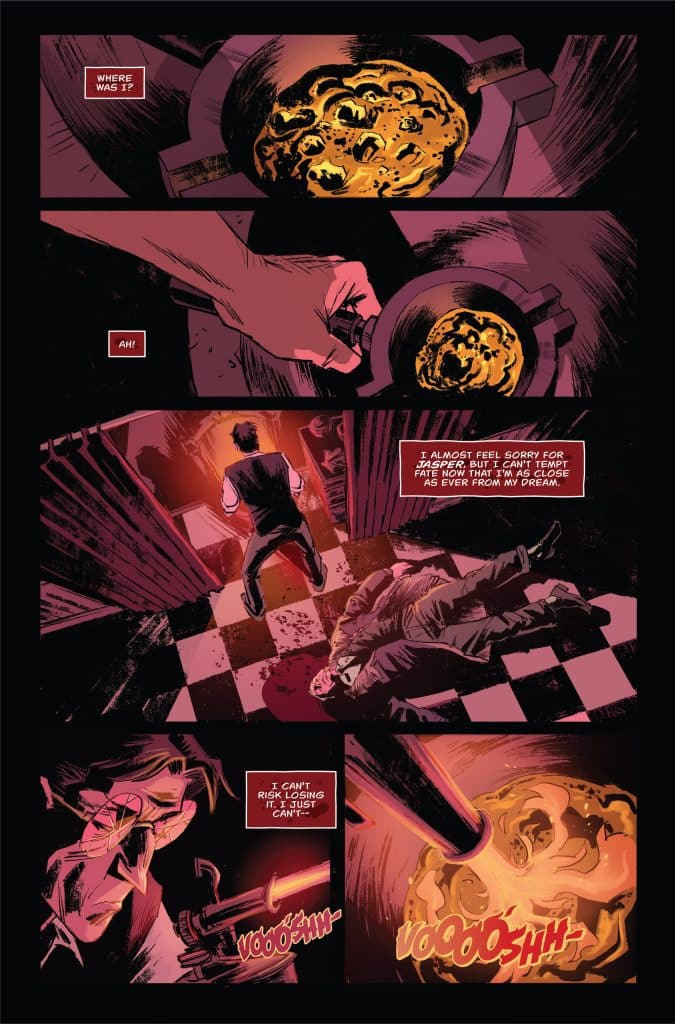
Industry analysts note that projects like Devil’s Luck are shifting the expectations for digital-first releases. The high production value—evidenced by the detailed line work and the choice of an oversized format for the finale—challenges the perception that digital-first content is inherently "lesser" than print-first titles.
Furthermore, the series underscores the trend of "auteur-driven" creator-owned projects. Scavone and Ferigato have maintained tight control over the narrative vision, allowing for a story that is cohesive, self-contained, and uncompromising. This is a critical development for the medium, as it proves that niche, genre-bending stories can find a dedicated audience when given the creative freedom that digital platforms afford.
Implications: The Truth Tim Cannot Face
The thematic core of the fifth issue is the inevitability of truth. Throughout the series, Tim has been a master of self-deception, justifying his criminal activities as a means to an end. However, the "truth he’s not ready to face" suggests a psychological reckoning that transcends mere physical survival.
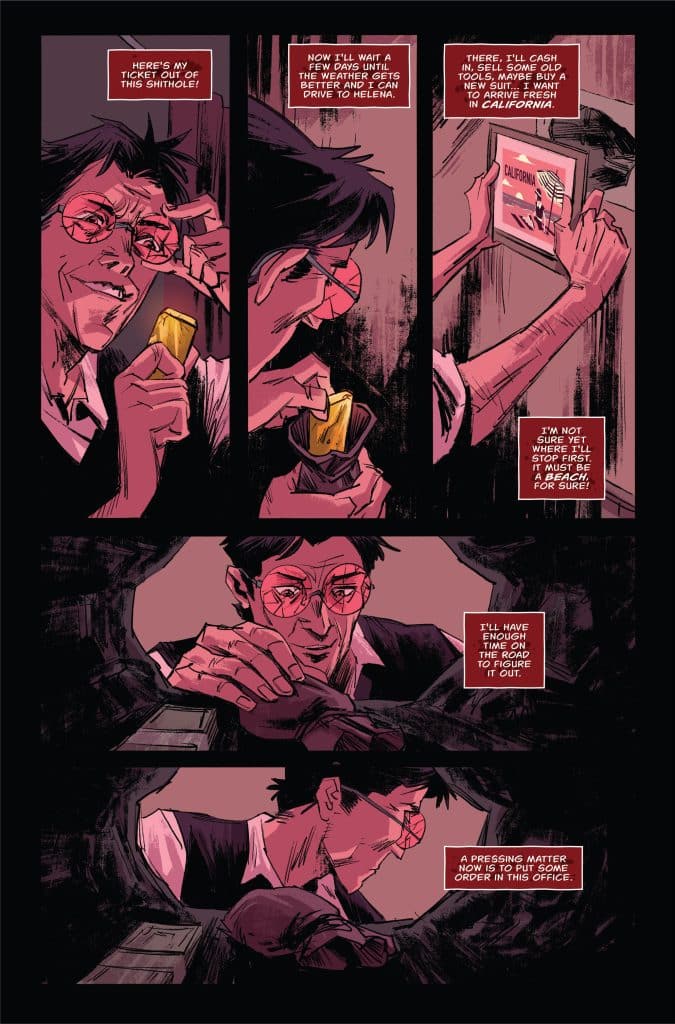
The implication here is that the damage done to Tim’s soul—the "devil’s luck" that he initially courted—has finally exacted its payment. In the final pages of the story, the reader is left to consider whether the "California Dream" was ever a viable goal, or if it was merely a psychological crutch used to mask a deeper, inherent darkness within the protagonist.
As the series concludes, it leaves behind a legacy of intense, character-focused storytelling. It is a cautionary tale, not just about greed, but about the slow erosion of the self. Tim’s story is a stark reminder that when one decides to walk a path paved with the remains of others, the destination is rarely the one they envisioned when they started.
Final Thoughts
Devil’s Luck: A Hailstone Story #5 is a bold, uncompromising conclusion to a series that has dared to be uncomfortable. For fans of crime noir, character studies, and top-tier comic book art, this finale is essential reading. It is a masterclass in pacing and tension, cementing Scavone and Ferigato’s positions as vital voices in the contemporary comics scene.
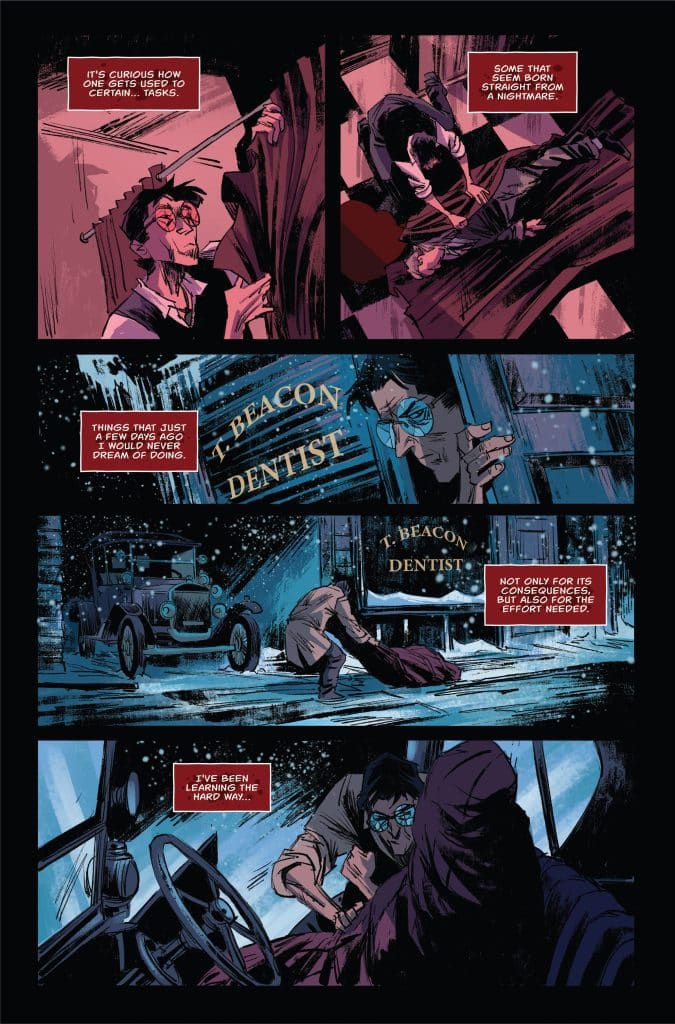
As we turn the final page on Tim’s California dream, we are reminded that sometimes, the most dangerous thing a person can do is get exactly what they think they want.
Interested in following the latest from the team?
Be sure to keep an eye on Graphic Policy for further analysis of the indie comics market and upcoming releases from the creators of Devil’s Luck.










No comments yet. Be the first to join the conversation!