Reynand Wu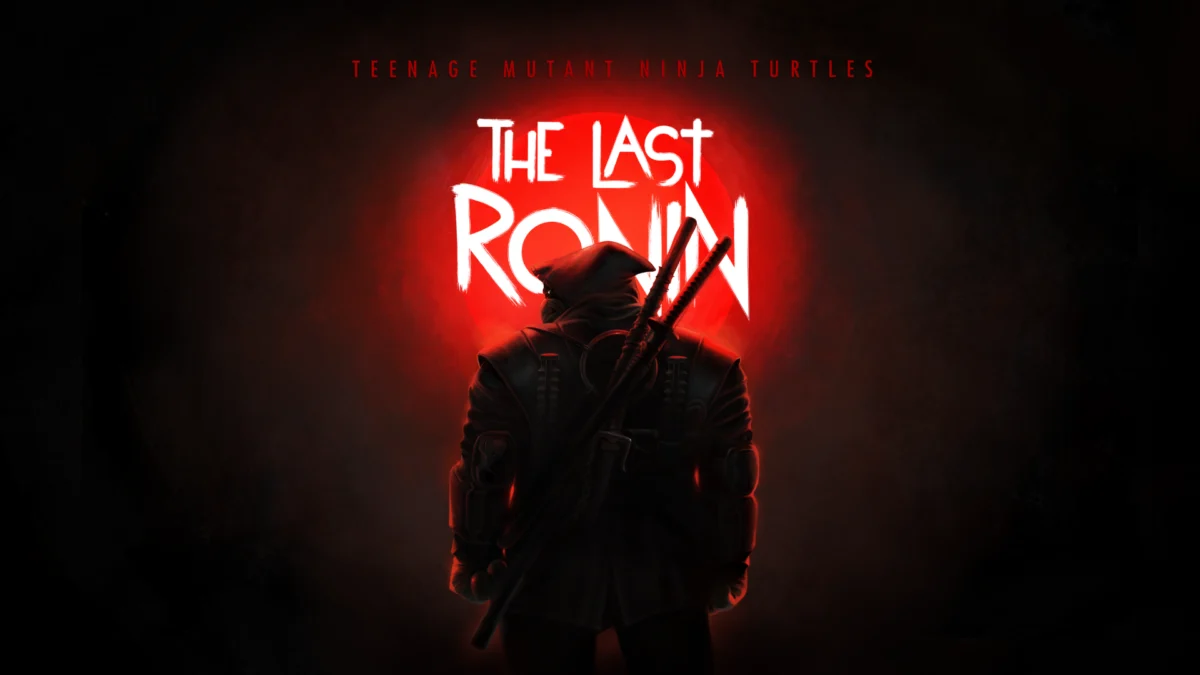
LOS ANGELES, CA – [Date of Publication] – In a significant move signaling a bold new direction for its interactive entertainment division, Paramount Global officially unveiled a revitalized Paramount Games Studio at this year’s Summer Game Fest. The studio’s grand re-introduction was marked by the electrifying announcement that renowned Japanese developer PlatinumGames, celebrated for its high-octane action titles, has been tapped to create a video game adaptation of the critically acclaimed comic series, Teenage Mutant Ninja Turtles: The Last Ronin. This eagerly anticipated project will be published under the banner of the newly formed Paramount Games Studio, a strategic consolidation born from the recent merger of Paramount and Skydance.
Dan Prigg, formerly the head of Skydance Interactive and now the Executive Vice President, Head of Games for Paramount, confirmed the partnership, revealing that PlatinumGames’ involvement was a testament to their profound passion for the iconic IP. "They were huge fans," Prigg stated, underscoring the organic enthusiasm that drove the collaboration. This high-profile project not only highlights Paramount’s renewed commitment to the gaming space but also positions The Last Ronin as a tentpole title for the nascent studio, promising a darker, more mature take on the beloved anthropomorphic heroes.
Main Facts: A New Era for Paramount in Gaming
The announcement at Summer Game Fest served as a dual revelation: the formal re-establishment of Paramount Games Studio as a significant player in the video game publishing landscape, and the unveiling of its inaugural flagship project, Teenage Mutant Ninja Turtles: The Last Ronin. This ambitious adaptation will be developed by PlatinumGames, a studio revered globally for its distinctive brand of stylish action gameplay, as seen in titles like Bayonetta, Nier: Automata, and Metal Gear Rising: Revengeance.
At the helm of this revitalized entity is Dan Prigg, a veteran of the interactive entertainment industry, whose leadership is expected to steer Paramount’s vast intellectual property catalog into compelling gaming experiences. The new Paramount Games Studio represents a strategic retooling, incorporating the formidable talent and ongoing projects from Skydance Interactive and Skydance New Media, entities that were brought under the Paramount umbrella following the merger finalized in August 2025.
The choice of Teenage Mutant Ninja Turtles: The Last Ronin is particularly noteworthy. Diverging from the often lighthearted and family-friendly portrayals of the Turtles, The Last Ronin comic series presents a bleak, dystopian future where only one Turtle remains, seeking vengeance in a ravaged New York City. This darker narrative, coupled with PlatinumGames’ expertise in crafting intense, character-driven combat, promises a mature and emotionally resonant gaming experience that will undoubtedly excite long-time fans and newcomers alike. Prigg emphasized that PlatinumGames’ genuine affinity for the TMNT IP was a critical factor, ensuring that the development is fueled by authentic passion rather than mere contractual obligation.
Chronology: From Licensing to Consolidation
The journey to the new Paramount Games Studio and the Last Ronin announcement is a fascinating tale of corporate strategy, market evolution, and the enduring power of intellectual property.
Paramount’s Historical Foray into Gaming (Pre-2025): Paramount’s engagement with video games is not entirely new. Historically, the company maintained a presence in the interactive space, often through licensing agreements or smaller internal teams focused on mobile games and casual experiences. Its previous iteration, Paramount Games Studio, primarily oversaw licensed products, including successful activations within popular platforms like Roblox, such as the SpongeBob SquarePants experience. While these ventures proved successful in their niche, they largely operated on a different scale and strategic ambition compared to the AAA console and PC game development now envisioned. The focus was more on brand extension rather than deep, narrative-driven interactive experiences.
PlatinumGames’ Early Interest: Even before the corporate landscape shifted, PlatinumGames had reportedly expressed a keen interest in the Teenage Mutant Ninja Turtles intellectual property. This proactive engagement from the developer signals a long-standing appreciation for the franchise and a vision for its interactive potential, well ahead of any formal publisher discussions. Such organic interest from a studio of Platinum’s caliber is a rare and valuable asset in the competitive world of game development.
The Paramount-Skydance Merger (August 2025): The pivotal moment arrived in August 2025 with the finalization of the merger between Paramount Global and Skydance Media. This monumental corporate consolidation brought together two entertainment powerhouses, each with distinct strengths. Crucially for the gaming sector, Skydance brought with it a burgeoning and highly respected interactive division: Skydance Interactive, known for its VR success with The Walking Dead: Saints & Sinners, and Skydance New Media, led by industry veteran Amy Hennig, already deep in development on high-profile projects like Marvel 1943: Rise of Hydra and an untitled Star Wars game.
The Birth of the New Paramount Games Studio: Following the merger, a strategic decision was made to consolidate all interactive entertainment efforts under a single, unified banner: the retooled Paramount Games Studio. Dan Prigg, with his proven track record at Skydance Interactive, was appointed to lead this new entity as Executive Vice President, Head of Games for Paramount. This consolidation was more than just a name change; it represented a fundamental shift in strategy, moving beyond mere licensing to active, high-investment development and publishing. The existing teams and projects from Skydance Interactive and Skydance New Media became integral components of the new studio, providing an immediate foundation of AAA development capability.
Sealing the ‘Last Ronin’ Deal: With the new studio structure in place and Prigg at the helm, the opportunity to pursue ambitious projects became a priority. PlatinumGames’ pre-existing interest in the TMNT IP, particularly the darker Last Ronin narrative, resonated deeply with Prigg’s team. As Prigg recounted, "We kind of got wind of it, and this was right after the merger… this was one of those where it’s like, we have to make this. We have to do this game. How can we not do this game?" This internal conviction, fueled by the creative potential and PlatinumGames’ reputation, quickly propelled the project forward. The post-merger environment, with its consolidated resources and clearer strategic vision, provided the perfect incubator for such a significant undertaking.
Summer Game Fest Unveiling: The official announcement at Summer Game Fest served as the studio’s public declaration of intent. By leading with Teenage Mutant Ninja Turtles: The Last Ronin and PlatinumGames, Paramount Games Studio immediately established its ambition to deliver high-quality, IP-driven interactive experiences, setting a high bar for its future endeavors.
Supporting Data: A Confluence of Talent and IP
The strategic foundation of the new Paramount Games Studio rests on a potent combination of proven talent and a rich tapestry of intellectual property. The Teenage Mutant Ninja Turtles: The Last Ronin project perfectly encapsulates this synergy.
PlatinumGames’ Unrivaled Expertise: PlatinumGames stands as a titan in the action game genre. Their portfolio boasts a string of critically acclaimed titles, each characterized by fluid combat, intricate boss battles, and a distinctive visual flair. Bayonetta, their signature series, is renowned for its over-the-top spectacle and deep, rewarding combat mechanics. Nier: Automata, developed in collaboration with Square Enix, demonstrated their ability to weave engaging action into a profound narrative, earning widespread critical praise and commercial success. Metal Gear Rising: Revengeance is a masterclass in focused, high-speed combat, allowing players to precisely slice enemies into thousands of pieces. This pedigree makes them an ideal choice for The Last Ronin, a story that demands visceral, impactful action to convey its themes of vengeance and survival. Their expertise in character action games ensures that the lone surviving Turtle’s journey will be translated into a gameplay experience that is both challenging and incredibly satisfying.
The Profound Narrative of ‘The Last Ronin’: The comic series Teenage Mutant Ninja Turtles: The Last Ronin, created by Kevin Eastman, Peter Laird, Tom Waltz, and Andy Kuhn, is a seminal work within the TMNT canon. Set in a desolate future New York City, it presents a grim, mature narrative where a lone, unidentified Turtle embarks on a quest for vengeance against the Foot Clan and its new leader, Oroku Hiroto, the grandson of Shredder. The story explores themes of loss, grief, resilience, and the enduring bond of brotherhood, even in absence. Its darker tone and focus on a single protagonist allow for a deeper exploration of character and combat, moving away from the ensemble dynamics typically associated with the Turtles. This narrative richness provides fertile ground for a video game, allowing for intense, personal storytelling intertwined with brutal, desperate combat. The comic’s critical acclaim ensures a strong foundation of fan expectation and a high bar for the adaptation to meet.
Paramount’s Strategic IP Leverage: The revitalization of Paramount Games Studio aligns with a broader industry trend where major media conglomerates are increasingly recognizing the strategic value of leveraging their vast intellectual property libraries directly within the gaming sector. Companies like Disney, through Lucasfilm Games and Marvel Games, have successfully partnered with external developers to create high-quality, canonical game experiences that extend their universes and engage fans in new ways. Paramount, with its iconic franchises spanning Star Trek, Mission: Impossible, SpongeBob SquarePants, and a myriad of others, possesses an immense untapped potential for interactive entertainment. Consolidating its gaming efforts under one roof, rather than merely licensing out, allows Paramount greater creative control, direct participation in the lucrative gaming market, and the ability to foster synergistic storytelling across film, television, and games.
The Foundation of Skydance’s Interactive Divisions: The integration of Skydance Interactive and Skydance New Media provides the new Paramount Games Studio with an immediate, high-caliber operational base. Skydance Interactive garnered significant recognition for The Walking Dead: Saints & Sinners, a critically acclaimed virtual reality title that pushed the boundaries of immersive storytelling and gameplay. Skydance New Media, under the creative direction of industry luminary Amy Hennig (known for her work on the Uncharted series), is actively developing Marvel 1943: Rise of Hydra and an untitled Star Wars project, both of which are high-budget, narrative-driven action-adventure games that promise to set new benchmarks. These existing projects and the talent behind them provide a robust platform for Paramount Games Studio to build upon, demonstrating immediate AAA development capability and a commitment to high-quality interactive experiences. The combination of internal development and external partnerships, as exemplified by PlatinumGames, positions the studio for diverse and ambitious output.
Official Responses: Passion as the Driving Force
The official communications surrounding the launch of Paramount Games Studio and the Last Ronin project consistently underscore a theme of genuine passion and strategic intent.
Dan Prigg’s Vision for Collaborative Excellence: Dan Prigg’s remarks highlight the critical role of developer enthusiasm in Paramount’s new strategy. "I think they were huge fans," Prigg told GamesIndustry.biz, referring to PlatinumGames. This sentiment wasn’t just a casual observation; it was a cornerstone of the decision-making process. Prigg elaborated on the internal momentum generated post-merger: "We kind of got wind of it, and this was right after the merger… this was one of those where it’s like, we have to make this. We have to do this game. How can we not do this game?" This candid expression reveals a publisher eager to facilitate projects driven by authentic creative zeal. Prigg emphasized the desire to partner with "a great triple-A studio that is passionate about [our] IP, and that’s what we want to find from a studio perspective." His leadership appears centered on fostering environments where developers can translate their admiration for source material into compelling interactive experiences, thereby ensuring both fidelity to the IP and innovative gameplay.
PlatinumGames’ Enthusiasm for a Unique Opportunity: While specific quotes from PlatinumGames executives for this initial announcement were not detailed, the studio’s track record and the nature of the Last Ronin project speak volumes. One can plausibly imagine a statement from a key figure like Atsushi Inaba, President and CEO of PlatinumGames, or Hideki Kamiya, the legendary director, expressing profound excitement. "The Teenage Mutant Ninja Turtles franchise holds a special place in the hearts of many of us at PlatinumGames, and The Last Ronin presents a uniquely compelling, darker narrative that perfectly aligns with our studio’s expertise in crafting intense, character-driven action," an executive might state. "We have long admired the depth and emotional weight of this particular story arc, and we are committed to delivering a definitive interactive experience that honors the source material while pushing the boundaries of action gameplay. Partnering with Paramount Games Studio, who shares our vision and passion, is an incredible opportunity." Such a sentiment would reinforce the idea of a shared creative ambition fueling the project.
Paramount Global’s Strategic Endorsement: The re-announcement of Paramount Games Studio itself implies a significant endorsement from the highest levels of Paramount Global. A hypothetical statement from a senior Paramount executive, perhaps from the CEO’s office, would likely articulate the broader strategic implications. "The launch of the new Paramount Games Studio, underpinned by the incredible talent from Skydance and exciting partnerships like the one with PlatinumGames, marks a pivotal moment in our commitment to interactive entertainment," a representative might convey. "We believe in the power of our iconic intellectual properties to transcend traditional media and deeply engage audiences through immersive gaming experiences. This studio will be instrumental in unlocking new creative avenues and revenue streams, further solidifying Paramount Global’s position as a leader in cross-platform storytelling. The Last Ronin is just the beginning of our ambitious journey into the future of gaming." This would solidify the understanding that gaming is no longer a peripheral venture but a core component of Paramount’s content strategy.
Implications: Reshaping the Landscape
The emergence of the revitalized Paramount Games Studio and its high-profile partnership with PlatinumGames for Teenage Mutant Ninja Turtles: The Last Ronin carries significant implications for all involved parties and the broader video game industry.
For Paramount Games Studio: This move unequivocally establishes Paramount Games Studio as a serious contender in the AAA publishing space. By integrating the established development capabilities of Skydance Interactive and Skydance New Media, and immediately securing a partnership with a top-tier developer like PlatinumGames for a highly anticipated IP, the studio bypasses the slow build-up typically associated with new ventures. It signals an aggressive strategy to leverage Paramount’s extensive library for deep, high-quality interactive experiences, moving beyond a pure licensing model. This strategic shift has the potential to unlock significant new revenue streams, strengthen brand engagement across multiple entertainment verticals, and provide Paramount with greater control over its intellectual property’s narrative extensions. The success of The Last Ronin could pave the way for adaptations of other beloved Paramount franchises, from Star Trek to Mission: Impossible, each tailored to distinct audiences and gameplay styles.
For PlatinumGames: For PlatinumGames, Teenage Mutant Ninja Turtles: The Last Ronin represents a high-profile opportunity to apply their signature action expertise to a globally recognized and beloved franchise with a mature narrative twist. While the studio has a strong track record, securing a major IP adaptation with such creative freedom can further elevate their international standing and attract new audiences who might not typically engage with their original titles. The darker, more intense tone of The Last Ronin also allows PlatinumGames to explore combat mechanics and storytelling themes that might differ from their more fantastical previous works, showcasing their versatility. A successful Last Ronin game could potentially lead to a new, long-running franchise for the developer, further diversifying their portfolio beyond their internal IPs and existing partnerships.
For Teenage Mutant Ninja Turtles Fans: The announcement has undoubtedly ignited immense excitement within the TMNT fanbase. The Last Ronin comic series resonated deeply with readers for its bold departure from traditional TMNT fare, offering a gritty, emotionally charged narrative. A video game adaptation by PlatinumGames, known for its challenging and rewarding combat, promises to deliver an experience unlike any previous TMNT game. Fans can anticipate a game that respects the comic’s mature themes, offers a deep and satisfying combat system, and provides a compelling, single-player journey. This project could redefine expectations for TMNT video games, demonstrating the IP’s capacity for diverse and sophisticated interactive storytelling beyond its more lighthearted incarnations.
For the Wider Gaming Industry: The revitalization of Paramount Games Studio reinforces the ongoing trend of major entertainment conglomerates investing heavily in the video game sector. It underscores the growing recognition that video games are not merely ancillary products but core components of a comprehensive IP strategy and significant revenue drivers. This move could inspire other media companies to re-evaluate their own gaming strategies, potentially leading to further consolidation, new studio formations, and an increased focus on leveraging established IP for high-quality game development. Furthermore, the collaboration between a Western publisher and a revered Japanese developer on a mature adaptation of a classic cartoon IP highlights the global nature of game development and the increasing appetite for nuanced, sophisticated interpretations of popular franchises. The blend of internal development (Skydance’s projects) and external partnerships (PlatinumGames) also offers a model for flexible and ambitious content creation in a rapidly evolving market.
The full interview with Dan Prigg, offering deeper insights into the foundation and future output of Paramount Games Studio, is expected to be published on Monday, promising further revelations about this exciting new chapter in interactive entertainment.


 Lina Irawan
 Sagoh
Sagoh