By Staff Reporter
July 14, 2026
In a strategic maneuver that blends the comfort of yesteryear with the aggressive digital demands of the modern quick-service restaurant (QSR) industry, Pizza Hut has launched a sweeping new marketing campaign dubbed “Hut Originals.” The initiative, arriving just weeks after parent company Yum! Brands announced the divestiture of the iconic pizza chain, aims to solidify customer loyalty through a potent mix of retro-inspired streetwear, a value-driven menu, and a prioritized digital experience.
The Strategic Pivot: A Brand in Transition
The launch of the “Hut Originals” campaign comes at a pivotal juncture for Pizza Hut. Following ten consecutive quarters of same-store sales declines, Yum! Brands has moved to offload the asset in two major transactions totaling $2.7 billion. LongRange Capital has agreed to purchase the brand’s core operations for $1.5 billion, while Yum China Holdings is set to acquire the China-based business for $1.2 billion.
Despite the impending ownership change, Pizza Hut remains committed to its current marketing trajectory. The brand is betting heavily on “nostalgia marketing,” a proven tactic that leverages the emotional connection consumers have with the restaurant’s 1980s and 90s aesthetic. By leaning into its classic decor, original restaurant design, and the enduring legacy of the “Book It!” reading program, Pizza Hut is attempting to convert the adult generation that grew up with the brand into high-frequency digital users.
Chronology of a Digital Evolution
The “Hut Originals” campaign is not merely a branding exercise; it is an incentive structure designed to funnel consumers into the company’s proprietary ecosystem.
- Early 2026: Yum! Brands reports that its digital sales reached nearly $11 billion in the first fiscal quarter, with the digital mix across its portfolio climbing to 63%.
- Late June 2026: Yum! Brands confirms the sale of Pizza Hut to LongRange Capital and Yum China Holdings, signaling a massive shift in corporate strategy.
- July 14, 2026: Pizza Hut officially unveils the “Hut Originals” campaign, featuring the “Throwback Value Menu” and a limited-edition apparel drop.
- July 16, 2026: The official launch of the streetwear collection, with early-access privileges granted exclusively to members of the Hut Rewards program.
This sequence highlights a clear intent: to maximize the value of the brand’s digital footprint—specifically the mobile app and loyalty program—before the transition to new ownership is finalized.
The "Hut Originals" Experience: Fashion Meets Food
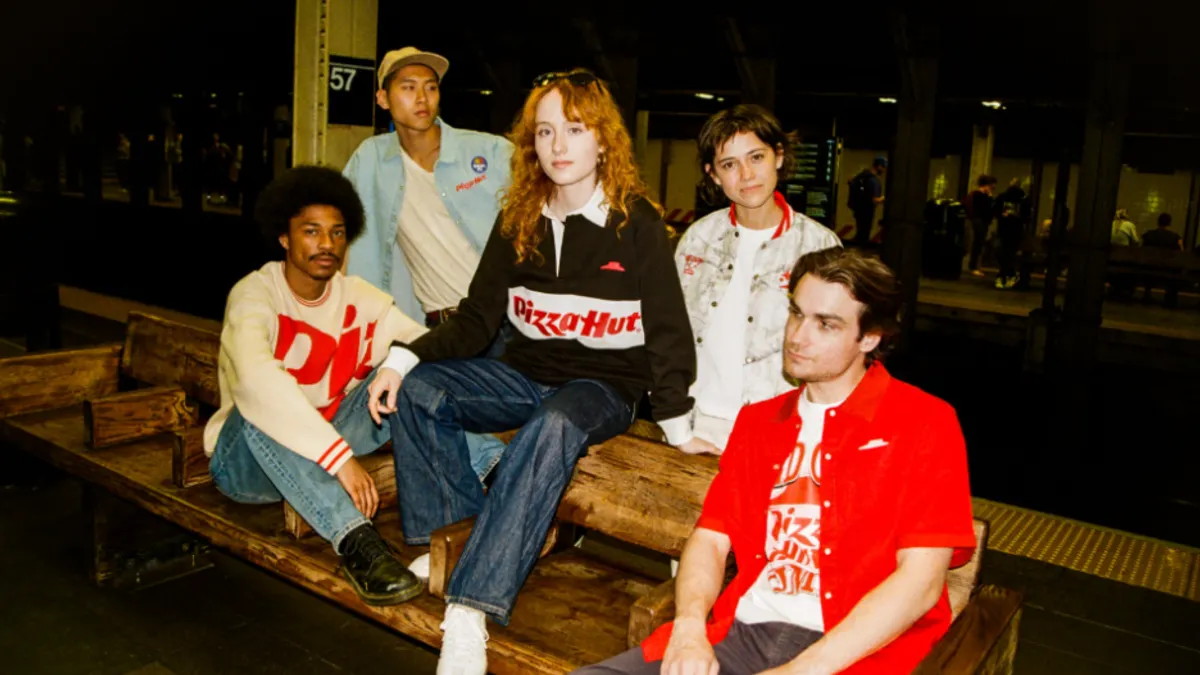
The centerpiece of the campaign is a collaboration with Dinner Service NY, a firm known for creating upscale, brand-integrated apparel. The resulting streetwear collection draws direct inspiration from the vintage uniforms and iconic visual language of Pizza Hut’s golden era. The lineup includes rugby shirts, sweaters, branded totes, and socks, all designed to appeal to the growing intersection of fast-food culture and street fashion.
To drive app adoption, the brand has instituted a tiered access model. While the general public can purchase items beginning July 16, Hut Rewards members gain a two-hour head start, a subtle but effective tactic for boosting app downloads and registrations.
Simultaneously, the “Throwback Value Menu” is designed to address the persistent consumer demand for affordability in a high-inflation environment. Participating locations are rolling out nostalgic pricing and offerings, including:
- $10 Stuffed-Crust Pizzas.
- $4 Cinnamon Sticks.
- $3 Pepsi and $3 Personal Pan Pizzas.
- New additions: A $6 Triple Cheese Mac and $6 S’mores Sticks.
Supporting Data: The Power of Loyalty
The shift toward digital loyalty is not unique to Pizza Hut; it is a systemic shift across all Yum! Brands properties. During a recent investor earnings call, Christopher Turner, CEO and director of the company, underscored that loyalty programs are the cornerstone of future growth.

"Digital sales and rewards programs are the engines of our enterprise," Turner stated. The data supports this: as of Q1 2026, the digital-first approach has successfully mitigated some of the friction caused by the economic downturn. By bundling value-priced menu items with exclusive digital access to merchandise, Pizza Hut is attempting to stabilize its bottom line through increased visit frequency.
The brand’s previous successes in this area provide a roadmap. Earlier this year, the company’s partnership with Tom Brady to promote a $10 pizza offer ahead of the Super Bowl saw significant engagement. By blending high-profile celebrity marketing with tangible, budget-friendly offers, Pizza Hut has demonstrated that its customer base is highly responsive to value-based promotions.
Industry Implications: The QSR Landscape
The broader restaurant industry is watching the Pizza Hut transition closely. As quick-service chains face mounting pressure from rising labor costs, food inflation, and the proliferation of third-party delivery apps, the ability to control the first-party data captured through rewards programs has become the ultimate competitive advantage.
Marketing in a "Tough Economy"
The emphasis on the Throwback Value Menu is a response to a shifting consumer sentiment. According to recent market analysis, diners are increasingly prioritizing "bang for their buck," moving away from premium-priced items in favor of "value bundles." Pizza Hut’s strategy of reintroducing classic, low-cost favorites is a direct answer to the price-sensitivity of the modern consumer.
The Challenge of New Ownership
The sale to LongRange Capital presents both risks and opportunities. For the new owners, the “Hut Originals” campaign serves as a baseline—a way to measure how effectively the brand can monetize its heritage. If the campaign succeeds in driving higher daily active users (DAU) on the app, it will significantly increase the valuation and operational health of the chain as it exits the Yum! Brands umbrella.

Conversely, if the reliance on nostalgia fails to mask the underlying operational issues that led to ten quarters of declines, the new management may need to move beyond marketing tactics and address deeper structural challenges, such as store-level efficiency and supply chain modernization.
Looking Forward: A Brand Reborn?
As the industry moves toward an increasingly digitized future, the case of Pizza Hut remains a fascinating case study in brand resilience. By commodifying its own history—turning old uniforms into streetwear and bringing back the price points of the past—the brand is attempting to create a "halo effect" that makes its digital loyalty program seem more like a membership to a club rather than just a way to order food.
Whether these efforts will be enough to reverse the long-term sales decline remains to be seen. However, in the short term, the “Hut Originals” campaign provides a clear roadmap for how a legacy brand can leverage its past to secure a foothold in a digital-first future. For the loyalty program members who gain early access to the apparel, the campaign is a win; for the investors waiting to see if the brand can be turned around, it is a critical test of whether nostalgia can truly serve as a sustainable business model in the modern era.
As the company prepares to transition to its new ownership, the "Hut Originals" initiative serves as a definitive statement: Pizza Hut is not going anywhere, and it is prepared to use every tool in its history to stay relevant in a highly competitive, data-driven market.