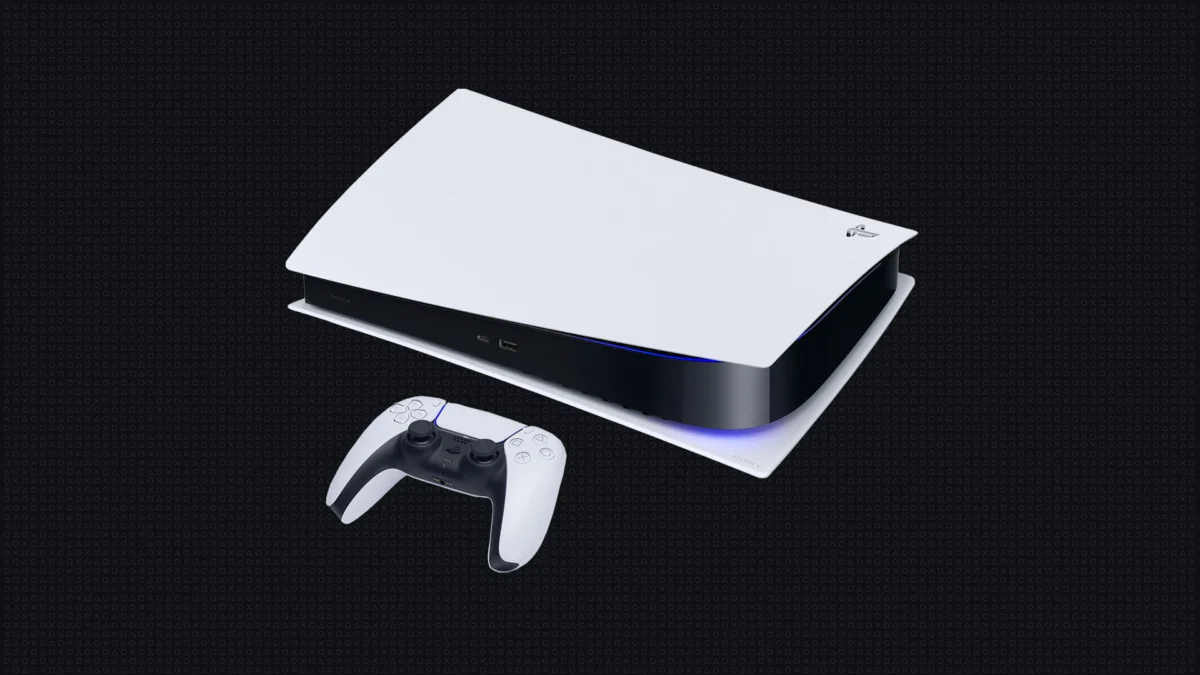
TOKYO, Japan – July 1, 2026 – Sony Interactive Entertainment (SIE) has officially announced a seismic shift in its gaming strategy, declaring that it will cease the production of physical PlayStation games starting in January 2028. This move, which will make all new PlayStation titles digital-only, has ignited a firestorm of controversy among the global gaming community, with many fans decrying the decision as a betrayal of consumer trust and a harbinger of a "cooked" future for game ownership.
The announcement, made public on July 1, 2026, and set to take effect for new games released on PlayStation consoles from 2028 onwards, marks a definitive end to the physical media era for one of the world’s leading console manufacturers. While Sony points to surging digital sales as justification, the decision comes amidst a broader climate of economic uncertainty and growing anxieties within the gaming industry, amplifying the outcry from a passionate fanbase.
The Main Facts: A Digital Future by Decree
The core of Sony’s contentious announcement is straightforward: from January 2028, all new PlayStation games will exclusively be released in digital formats. This means the iconic Blu-ray discs that have accompanied PlayStation consoles for generations will no longer be manufactured for upcoming titles. The news was met with immediate and widespread backlash, particularly from long-time fans who vividly recall Sony’s contrasting stance a little over a decade ago.
In 2013, PlayStation executives famously ridiculed Microsoft’s initial, restrictive digital rights management (DRM) policies for the Xbox One, positioning themselves as the champions of physical media and game sharing. A satirical video released by PlayStation at the time, demonstrating the "ease" of sharing physical games, has since resurfaced, garnering thousands of new comments highlighting the profound irony of Sony’s current pivot. Comments such as "I KNEW this would eventually age poorly" and "When you live long enough to become the villain" encapsulate the deep sense of disillusionment felt by many.
Sony’s justification for this radical shift hinges on evolving consumer behavior. The company recently reported that an overwhelming 85% of its fourth-quarter PlayStation 5 game sales were digital. This statistic, they argue, reflects a clear customer preference for downloadable titles, making a digital-only future a logical, if not inevitable, progression. However, for many gamers, the perceived convenience of digital downloads does not outweigh the fundamental concerns surrounding game ownership, preservation, and the increasing financial pressures they face.
Chronology of a Digital Transition: From Physical Champion to Digital Dominator
The journey to Sony’s 2028 digital-only mandate is a complex narrative, woven through shifting industry trends, evolving consumer habits, and strategic business decisions. Understanding this chronology is crucial to grasping the current fan reaction.
The 2013 Standoff: Xbox One vs. PlayStation 4
The pivotal moment often referenced by disgruntled fans dates back to the Electronic Entertainment Expo (E3) in 2013. Microsoft, in its initial reveal of the Xbox One, outlined a vision heavily reliant on digital licenses, requiring an always-on internet connection and imposing restrictions on used game sales and game sharing. The announcement was met with widespread public condemnation.

Sony, poised to launch the PlayStation 4, capitalized on this misstep with remarkable agility. At their own E3 press conference, then-SIE President Jack Tretton and Shuhei Yoshida, President of SIE Worldwide Studios, delivered a now-legendary video tutorial demonstrating how to "share" a physical PS4 game: by simply handing the disc to a friend. This moment was a public relations masterstroke, cementing PlayStation’s image as the consumer-friendly alternative and arguably contributing significantly to the PS4’s dominant market position over the Xbox One. The irony of this historical moment is not lost on fans today, who view Sony’s current decision as a complete reversal of its once-championed principles.
The Slow Digital Creep: Rising Download Sales
Despite its public defense of physical media, Sony, like the rest of the industry, gradually witnessed and facilitated a steady increase in digital game sales throughout the PS4 generation. The convenience of pre-loading games, instant access, and digital storefront sales progressively eroded the dominance of physical discs. By the time the PlayStation 5 was announced, the groundwork for a digital-first future was already being laid.
The PS5 Era: Dual Models and Strategic Signals
The launch of the PlayStation 5 in late 2020 provided a clear signal of Sony’s long-term intentions. For the first time, Sony offered two distinct versions of its flagship console: a standard model with a Blu-ray disc drive and a "Digital Edition" without one, priced $100 lower. This move allowed consumers to choose their preferred format, but it also normalized the idea of a disc-less future. The Digital Edition’s existence served as a proof-of-concept for an entirely digital ecosystem, and its reported strong sales likely bolstered Sony’s confidence in the viability of a disc-free future.
Over the past few years, Sony executives have also made statements indicating a desire to "eke out more profits from its digital sales." Given that digital sales bypass retailers and distributors, they typically offer higher profit margins for publishers. This economic incentive, combined with the observed shift in consumer behavior, appears to have culminated in the decision to fully embrace a digital-only model.
Supporting Data: A Confluence of Economic and Industry Pressures
Sony’s announcement doesn’t occur in a vacuum. It’s set against a backdrop of significant economic and structural challenges plaguing the broader video game industry, which have contributed to the current climate of discontent among gamers.
Industry in "Existential Crisis"
The past year has been described by some analysts as an "existential crisis" for the gaming industry. Mass layoffs have become alarmingly common, with major studios and publishers shedding thousands of jobs. Notable examples include extensive cuts at Bungie, a studio acquired by Sony, which also saw the abrupt cessation of major updates for its flagship title, Destiny 2. These corporate restructurings, often driven by a quest for efficiency and higher profit margins, have fostered a sense of instability and insecurity among both developers and consumers.
Soaring Costs and Diminishing Ownership
Gamers are increasingly feeling the squeeze of rising costs across the board. Component shortages, partly exacerbated by the surging demand for advanced chips in the artificial intelligence sector, have led to multiple price increases for consoles like the PS5. Storage solutions, such as high-speed SSDs essential for modern gaming, now command prices comparable to, or even exceeding, the cost of consoles just a few years ago.

While base game prices haven’t universally skyrocketed, the "mainstream acceptance" of $70 (USD) titles has become standard, with highly anticipated games like Grand Theft Auto 6 potentially pushing the envelope further towards $100 or more. Adding to this burden, Sony recently announced price increases for its PlayStation Plus subscription service, which offers access to a rotating library of digital games and online multiplayer. This combination of higher hardware costs, more expensive games, and pricier subscriptions means that hobbyists are paying more than ever before, yet paradoxically, they "own less than ever."
The Perils of Digital-Only: Preservation and Access
The digital-only future also raises profound concerns about game preservation and consumer access. Sony’s simultaneous announcement regarding the imminent closure of the PlayStation Store for the PS3 and PS Vita consoles serves as a stark, real-world example of these fears. While these stores operated well past the active lifespan of their respective hardware, their eventual shutdown means that countless digital-only titles and DLC for those platforms will become inaccessible, effectively vanishing from the market.
This prospect highlights a critical flaw in the digital-only model: game libraries are tied to the ongoing support and operational decisions of a single corporate entity. As one fan articulated on the PlayStation blog, "You’re putting a finite existence on gaming, subject to the whims and maintenance of a single corporate entity. I hope you realize what a terrible decision this is. Especially with the growing global prices of memory." The fear is that a future digital-only PS5 library could face a similar fate decades down the line, leaving players without access to their purchased content if servers are shut down or licenses expire.
The Retail Apocalypse: GameStop’s Future
The implications extend beyond consumers to the retail sector. GameStop, a prominent brick-and-mortar video game retailer, has long relied heavily on physical game sales, including new releases and the lucrative used game market. Sony’s decision is seen as a direct threat to its business model. A popular thread on the GameStop subreddit, titled "So is Gamestop doomed?", reflects the genuine anxiety among employees and investors about the future viability of such establishments in an increasingly digital landscape. The disappearance of physical media removes a core product offering and the ability to trade or resell games, which are critical components of GameStop’s revenue.
Official Responses and Implicit Justifications
Sony Interactive Entertainment’s official blog post announcing the end of physical disc production has been met with an overwhelmingly negative response, accumulating over 3,400 comments, nearly all expressing dissatisfaction, anger, or despair. Despite the fierce backlash, Sony’s official communication remains focused on the business rationale, largely implying that the move is a response to market trends and a pursuit of greater efficiency and profitability.
Sony’s Stated Position
While the provided text doesn’t include a lengthy, direct quote from a Sony executive defending the decision, the company’s implicit justification rests heavily on the aforementioned statistic: "85% of its fourth quarter PlayStation 5 game sales are digital." This figure is presented as incontrovertible evidence that the market has already spoken, and that a transition to digital-only is merely aligning their business model with established consumer preferences.
Furthermore, the decision is consistent with Sony’s broader strategic goals outlined in recent earnings calls. The company has explicitly signaled its intention to "eke out more profits from its digital sales." Digital distribution eliminates manufacturing, packaging, shipping, and retail intermediary costs, allowing Sony to retain a larger percentage of each game sale. In an environment where PS5 console sales have been "flat for a while now" and new console sales overall have "reached a 25-year low" due to increased costs and economic pressures, maximizing revenue from software sales becomes paramount.

Addressing Concerns (or Lack Thereof)
Notably, Sony’s announcement, as described in the original article, does not appear to directly address the myriad concerns raised by fans regarding game ownership, preservation, or the potential for account bans to revoke access to entire digital libraries. This lack of explicit reassurance has only fueled the anger, leading to threats of boycotts against future PlayStation consoles. Comments like "I will never buy another Playstation" and "Well, I’m not buying PS6 then" reflect a profound loss of trust and loyalty among a segment of the fanbase.
The timing of the announcement, coinciding with the PS3 and PS Vita store closures, further exacerbates the issue. While Sony might view these as separate, necessary business decisions, the cumulative effect on consumers is a reinforcement of the ephemeral nature of digital content.
Implications: The Future Landscape of Gaming
The implications of Sony’s move are far-reaching, touching upon every aspect of the gaming ecosystem, from individual consumers to the broader industry structure.
For Gamers: Ownership, Access, and the Digital Divide
For the average gamer, the most immediate and profound implication is the fundamental shift in the concept of "owning" a game. With physical discs, a consumer possesses a tangible item that can be played offline (after initial installs/patches), loaned, resold, or cherished as a collector’s item. In a digital-only world, players primarily purchase a license to access content, which can be revoked (e.g., via account bans), delisted (making it unavailable for re-download), or rendered unplayable if servers are shut down.
This raises significant concerns about digital rights management (DRM), consumer protection, and the long-term accessibility of games. The ability to resell games, a cornerstone of the secondary market and a way for many to afford new titles, will vanish entirely for PlayStation users. This also creates a digital divide, potentially alienating gamers with unreliable internet access or those who prefer the tangible aspect of collecting.
For Game Preservation: A Looming Crisis
The most dire implication is for video game preservation. Without physical copies, the responsibility for archiving and maintaining access to games falls entirely on the platform holder. The closures of the PS3 and PS Vita stores serve as a grim precedent, illustrating how easily digital libraries can become inaccessible. Future generations may find it increasingly difficult, if not impossible, to experience a significant portion of gaming history if publishers do not implement robust, long-term preservation strategies. While emulation can sometimes fill the gap, it relies on community effort and is often legally ambiguous.
For the Gaming Industry: Consolidation and New Business Models
Sony’s decision could accelerate industry trends towards consolidation and subscription-based models. With direct control over distribution, Sony can push its PlayStation Plus service more aggressively, potentially making it the primary gateway for many players. This also gives Sony more leverage over developers, who will become entirely dependent on the PlayStation Store for reaching console players.

The move also impacts competition. While Xbox still offers physical discs, its Game Pass subscription service is a major pillar of its strategy, already leaning heavily into digital access. Nintendo, with its cartridge-based system and strong physical sales, might find itself as the last major console holdout for physical media, potentially attracting a niche of collectors and preservationists.
For Retailers: An Existential Threat
The end of physical game production is an existential threat to traditional video game retailers. Stores like GameStop, already struggling in a shifting market, will lose a core product category and their lucrative used game market. This could force further store closures, job losses, and a complete reimagining of what a dedicated game retailer even looks like.
A Calculated Risk
Ultimately, Sony’s pivot is a calculated risk. While it promises increased profitability and streamlined operations, it alienates a significant portion of its loyal fanbase, invites accusations of hypocrisy, and raises fundamental questions about the future of game ownership. The long-term success of this strategy will depend not only on continued digital sales growth but also on how Sony addresses the legitimate concerns of its consumers regarding access, preservation, and the perceived erosion of their rights as game owners. The "future is cooked" sentiment is not merely hyperbole for many; it represents a genuine fear for the very nature of their cherished hobby.