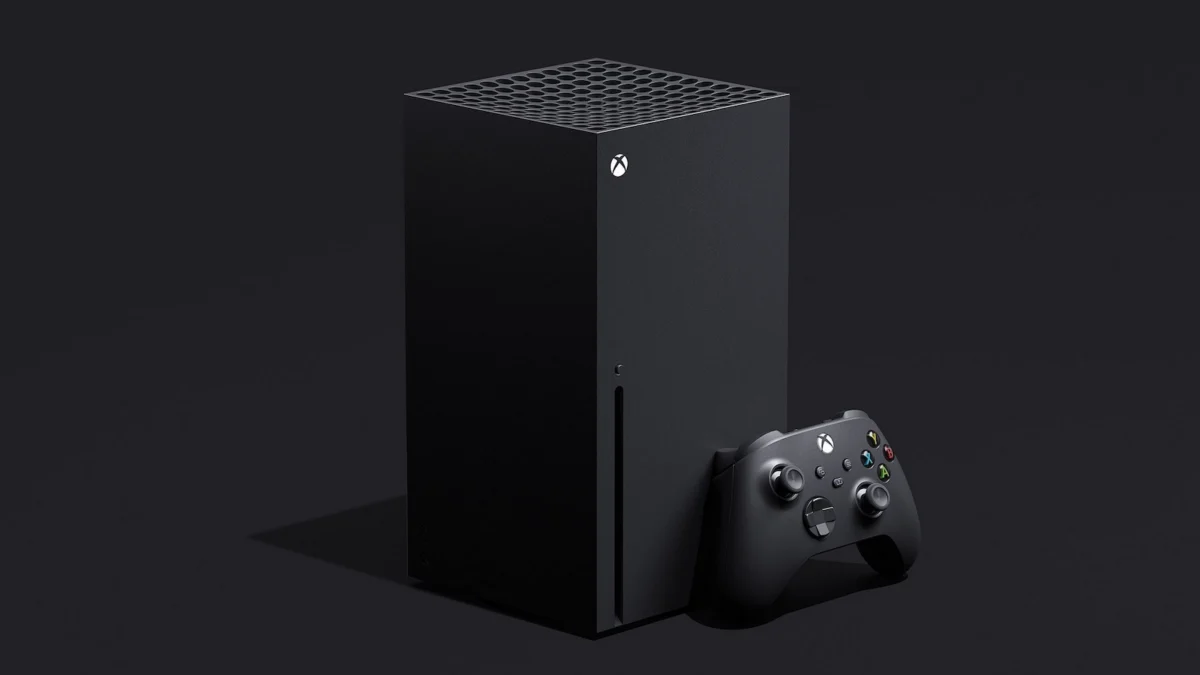
In a significant shift that signals the inevitable sunset of physical media in gaming, Microsoft is reportedly testing a revolutionary “disc-to-digital” feature for its Xbox ecosystem. As the industry grapples with the transition toward an all-digital landscape, this initiative aims to provide a bridge for long-time collectors, allowing them to convert their physical Xbox One and Xbox Series X game discs into digital entitlements linked directly to their Microsoft accounts.
This development arrives at a critical juncture for the gaming giant, which is currently deep in the development of its next-generation hardware, codenamed "Project Helix." By creating a path for physical media to evolve into digital licenses, Microsoft is attempting to solve one of the most pressing concerns for modern gamers: the preservation of legacy collections in an era where optical disc drives are becoming increasingly rare.
The Mechanics of the "Disc2Digital" Initiative
According to internal reports, the system—internally referred to as "Disc2Digital"—has recently moved into an active testing phase among Microsoft employees. The functionality, which was first hinted at via cryptic code references in the Xbox PC application earlier this year, is designed to be as seamless as possible for the end-user.
How the Conversion Works
The process is straightforward in theory: a player inserts a compatible Xbox One or Series X disc into their console while signed into their Microsoft account. Upon launching the game, the system verifies the physical media. Once the verification is successful, the console grants the user a digital license for that specific game.
Crucially, this is not a permanent, one-way conversion that destroys the utility of the disc. Instead, the digital entitlement remains tethered to the physical copy. If a user chooses to sell, trade, or lend their game to a friend, the digital entitlement effectively travels with the disc. Once the new owner inserts the disc and signs into their own account, the digital rights transfer accordingly. This ensures that the secondary market—a cornerstone of the physical gaming experience—is not entirely obliterated by the transition to digital licensing.
Limitations and Exclusions
Despite the potential convenience, the program is not a blanket solution for all physical media. Microsoft has explicitly noted that the system will not support titles from the original Xbox or the Xbox 360 era. Furthermore, the company has cautioned internal testers that eligibility will vary depending on manufacturing dates and specific disc batch metadata. Some older Xbox One discs, specifically those produced before certain security and formatting standards were implemented, may simply not possess the necessary architecture to communicate with the verification servers.
A Chronology of the Digital Shift
To understand why Microsoft is investing in this technology, one must look at the trajectory of the industry over the last decade.
- 2013: The Rocky Start: When the Xbox One was first announced, Microsoft attempted to push a "digital-first" ecosystem that was met with massive public backlash. The company was forced to retract several policies, reinforcing the necessity of the disc drive.
- 2020: The Digital Pivot: With the launch of the Xbox Series S—a console without a disc drive—Microsoft officially signaled that it was ready to cater to an all-digital audience.
- 2024: The Infrastructure Build: Throughout this year, references to "Disc2Digital" began appearing in software updates for the Xbox PC app, suggesting that the company had moved from the conceptual phase to technical implementation.
- 2025–2026: The Testing Phase: As current reports indicate, internal testing is now underway, with the feature serving as a potential cornerstone for the "Project Helix" console launch.
Industry Implications: The Digital Future
Microsoft’s initiative does not exist in a vacuum. It is a direct response to the broader industry movement toward a paperless, disc-less future. Sony, Microsoft’s primary competitor, recently confirmed that it plans to cease the production of physical PlayStation games by 2028. This move has sent shockwaves through the collecting community, raising questions about ownership, preservation, and the longevity of digital storefronts.

The Preservation Dilemma
For years, the "physical vs. digital" debate has centered on ownership. Digital games are essentially licenses that can be revoked, whereas physical discs provide a sense of tangible control. By implementing a disc-to-digital program, Microsoft is attempting to offer the best of both worlds: the convenience of digital play—such as cloud gaming access and "Xbox Play Anywhere" functionality—with the physical portability of a disc.
If a future Xbox console lacks a disc drive, this program acts as an "exit strategy" for the physical generation. It allows players to "future-proof" their current libraries, ensuring that their investment in physical media remains relevant even when the physical hardware (the disc drive) disappears from the living room.
Economic and Environmental Impact
The environmental impact of shifting away from physical discs—which require plastic manufacturing, global shipping, and retail shelf space—is a significant driver for the industry. However, the economic impact is more complex. Physical media provides retailers like GameStop and local independent stores with a primary revenue stream. If Microsoft successfully digitizes the physical library, the reliance on these retail partners may diminish further, forcing a restructuring of how games are sold and traded.
Expert Analysis and Consumer Reception
Industry analysts suggest that the success of the Disc2Digital program will hinge on its transparency and the breadth of its compatibility list. "If the library of eligible games is too small, or if the process feels like a bureaucratic hurdle rather than a benefit, players will simply ignore it," says one industry consultant. "But if Microsoft makes this an automatic, ‘plug-and-play’ experience, they could effectively neutralize the anxiety that gamers feel about moving to a digital-only console."
Furthermore, the integration with Xbox Cloud Gaming is a game-changer. Once a disc is converted to a digital entitlement, the user can potentially stream that game to a handheld device or a smart TV, even if they are away from their console. This level of utility creates a compelling incentive for consumers to participate in the program, even if they are generally resistant to the idea of "losing" their physical collection.
What’s Next for Project Helix?
As Microsoft prepares to unveil its next-generation hardware, all eyes are on whether the company will take the bold step of removing the disc drive entirely. The Disc2Digital program is the "missing piece of the puzzle." Without it, an all-digital console would alienate millions of existing Xbox owners who have spent thousands of dollars on physical discs over the last decade.
By providing a bridge, Microsoft is not just launching a feature; they are managing a migration. They are essentially telling their user base: "You don’t have to leave your collection behind." Whether this strategy is enough to satisfy the purists who cherish the act of holding a game box in their hands remains to be seen. However, in an increasingly digital world, Microsoft’s pragmatic approach may prove to be the blueprint for the entire gaming industry to follow.
As of this writing, Microsoft has not provided an official release date for the public rollout of the Disc2Digital feature, but analysts expect it to be a key talking point during the lead-up to the next Xbox hardware reveal. For now, the "Disc2Digital" system remains a promising beacon for those who want to keep their history alive, even as the future moves into the cloud.