

As the Atlantic hurricane season approaches, meteorological agencies and academic institutions have released their annual outlooks, painting a picture of a potentially subdued, yet dangerous, season. While current forecasts lean toward a below-normal level of activity, experts are sounding a note of caution: in the volatile world of tropical meteorology, statistical averages offer little comfort to those in the path of a rogue storm.
Main Facts: A Statistical Look at the 2026 Outlook
The National Oceanic and Atmospheric Administration (NOAA), which governs the National Weather Service (NWS), has released its official seasonal outlook for the 2026 Atlantic hurricane season. The agency’s data suggests a 55 percent probability of a below-normal season, a 35 percent chance of near-normal activity, and a slim 10 percent chance of an above-normal season.
These figures are corroborated by independent analysis from Colorado State University (CSU), a leading institution in tropical cyclone research. CSU forecasters anticipate a total of 13 named storms throughout the season. Of these, they project six will strengthen into hurricanes, with two reaching major hurricane status—storms capable of catastrophic damage.
Despite these lower-than-average numbers, the underlying mechanics of the Atlantic basin remain complex. Forecasters have noted that while the eastern tropical and subtropical Atlantic currently feature slightly cooler-than-normal water temperatures, the western tropical Atlantic is experiencing warmer-than-average conditions. This thermal disparity is critical; warmer ocean temperatures typically lead to lower atmospheric pressure and a more unstable environment, which serves as a catalyst for hurricane intensification.
Chronology of Preparedness: From Forecast to Reality
The journey of a hurricane season begins months before the first gust of wind is recorded. For climatologists like Haiyan Jiang of Florida International University, the process involves tracking global climate phenomena, such as El Niño.
"There is a high chance of a strong El Niño developing, which could significantly boost water temperatures in the Gulf of Mexico," Jiang explained. This cyclical warming of the Pacific, which often has cascading effects on Atlantic wind shear, is a primary driver behind the current "below-average" prediction.
However, meteorologists emphasize that a season’s "overall activity" is not a predictor of landfall events. NWS and NOAA officials clarify that seasonal outlooks are broad-brush strokes. They do not account for the short-lived, localized weather patterns that determine where and when a storm will strike. A season could be statistically quiet, yet produce one "lucky" storm—a catastrophic outlier that devastates a specific region.
The naming convention for the 2026 season has already been established, with a list that includes:
| Arthur | Hanna | Omar |
| Bertha | Isaias | Paulette |
| Cristobal | Josephine | Rene |
| Dolly | Kyle | Sally |
| Edouard | Leah | Teddy |
| Fay | Marco | Vicky |
| Gonzalo | Nana | Wilfred |
Supporting Data: The Risk to Coastal Communities
The probabilistic models provided by Colorado State University highlight the geographical distribution of risk for the 2026 season. According to their data, there is a 32 percent probability of a hurricane making landfall anywhere along the United States coastline. When broken down by region, the US East Coast, including the Florida peninsula, faces a 15 percent chance of landfall. The Gulf Coast—stretching from the Florida panhandle to Brownsville, Texas—carries a slightly higher risk of 20 percent.
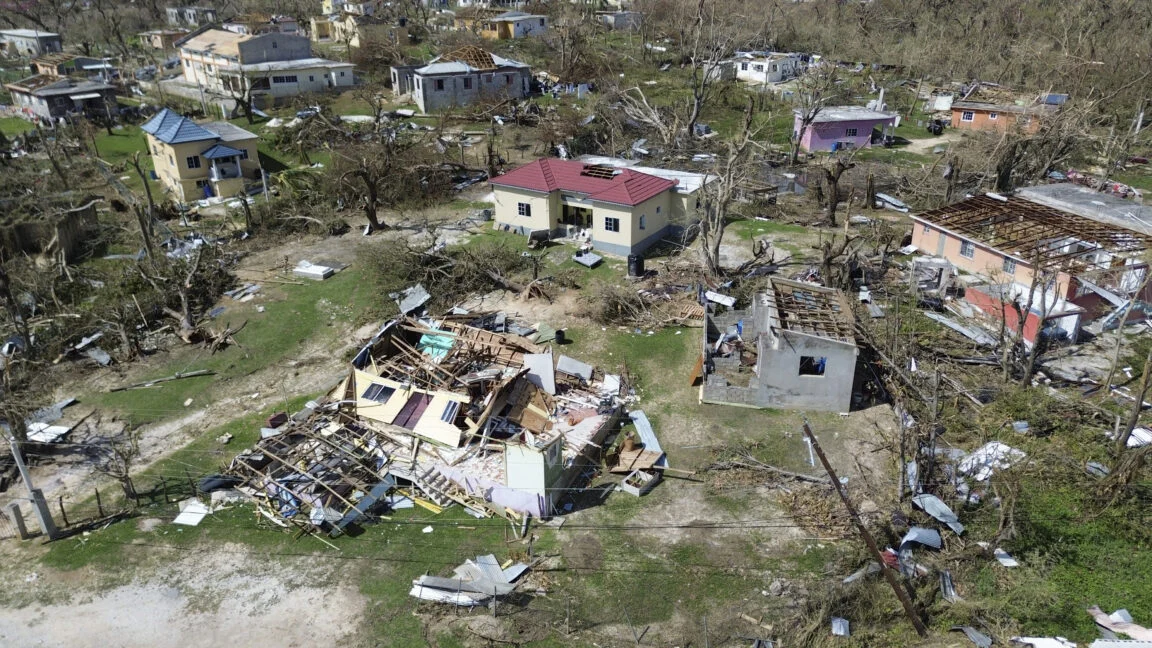
These percentages, while appearing modest, represent significant human and economic stakes. The memory of the 2025 season serves as a stark reminder of the limitations of "seasonal averages." Despite the absence of US landfalls last year, Hurricane Melissa acted as a devastating exception. Striking Jamaica as a Category 5 storm, Melissa resulted in nearly $9 billion in damages and the tragic loss of 95 lives across the Caribbean.
"Just because it’s a below-average season doesn’t mean a very powerful hurricane won’t make landfall in the United States," says meteorologist Alessi, highlighting the danger of complacency. The destruction wrought by Melissa illustrates that a single storm, even in a quiet year, can redefine a region’s economic and social landscape for years to come.
Official Responses and Meteorological Insight
The scientific community remains unified on one front: the need for individual and community preparedness. While the NWS provides the technical infrastructure for tracking, their mandate is to interpret data, not to predict the trajectory of individual storms until they manifest.
NOAA’s oversight ensures that the data released to the public is consistent and vetted. However, the nuance provided by university-led researchers—such as the CSU team—adds depth to the conversation. By analyzing the interplay between Atlantic sea-surface temperatures and atmospheric stability, these researchers provide the context necessary to understand why a season might be quiet, without providing a false sense of security.
For residents in hurricane-prone zones, the advice remains consistent: the "seasonal forecast" is a tool for climate scientists and emergency management planners, not a definitive roadmap for homeowners. The atmospheric conditions that dictate hurricane development can change in a matter of days, turning a "below-normal" season into a high-impact event for those in the path of a singular, powerful storm.
Implications: The Psychological and Practical Challenge
The primary challenge for emergency management agencies in 2026 is the "normalization of deviance" regarding climate risk. When agencies predict a below-average season, public vigilance often wanes. This is a psychological hurdle that meteorologists struggle to overcome every year.
The Economic Burden
The economic implications of hurricane preparedness are immense. From the hardening of infrastructure to the cost of flood insurance and disaster relief funds, the financial burden of a hurricane season is a year-round issue. When a season is predicted to be mild, there is often a political and social temptation to redirect funds away from disaster mitigation. Experts argue that this is a dangerous gamble.
The Role of Infrastructure
Resilience is not just about boarding up windows; it is about long-term infrastructure planning. Coastal regions must continue to invest in drainage systems, sea walls, and building codes that can withstand the increasingly unpredictable nature of Atlantic storms. As ocean temperatures rise globally, the baseline for what constitutes a "normal" storm is shifting, potentially making even "below-average" years more destructive than they were in decades past.
Individual Responsibility
Ultimately, the burden of preparedness falls on the individual. Haiyan Jiang’s advice to Floridians—"We see outliers all the time, especially with hurricanes. So I believe we need to get prepared"—is a mantra that applies to every coastal resident from Texas to Maine.
Preparation includes:
- Developing an Emergency Plan: Knowing evacuation routes and communication protocols.
- Securing Property: Retrofitting homes to meet modern wind-resistance standards.
- Financial Readiness: Reviewing insurance policies to ensure coverage for flood and wind damage, as these are often separate entities.
- Maintaining Kits: Keeping essential supplies—water, non-perishable food, medical supplies, and power sources—stocked throughout the duration of the season.
Conclusion: A Season of Vigilance
As we look toward the 2026 Atlantic hurricane season, the data provided by NOAA and Colorado State University offers a window into the expected climate patterns of the coming months. While the statistics favor a less active season, the history of tropical meteorology is written by the storms that defied the models.
Whether the season produces thirteen named storms or five, the impact on a single household can be total. The lesson of the 2026 forecast is not one of relief, but of cautious awareness. By respecting the volatile nature of the Atlantic basin and preparing for the worst-case scenario regardless of the seasonal probability, communities can mitigate the risks posed by these formidable natural forces.
As experts like Jiang and Alessi suggest, the best strategy is to prepare for the outlier. In a world where climate patterns are increasingly difficult to predict, vigilance remains the most effective defense against the unpredictability of the hurricane season.
This article originally appeared on Inside Climate News, a nonprofit, non-partisan news organization that covers climate, energy, and the environment. Sign up for their newsletter here.












No comments yet. Be the first to join the conversation!