The Godzilla franchise is currently navigating a historic zenith. Following the Academy Award-winning success of Godzilla Minus One and the massive box-office footprint of the Legendary Pictures MonsterVerse, the King of the Monsters has reclaimed his throne as a global pop-culture juggernaut. However, while the live-action iterations of the character are flourishing, a shadow of uncertainty has fallen over the franchise’s ambitious foray into the world of television animation.
Recent reports from industry insiders and community stakeholders suggest that Godzilla Singular Point, the high-concept anime series that debuted on Netflix in 2021, may have met a premature end. Despite a cliffhanger ending that promised a grand expansion of its unique lore, evidence points toward a behind-the-scenes collapse of the project’s second season.
Main Facts: The Stalled Momentum of ‘Singular Point’
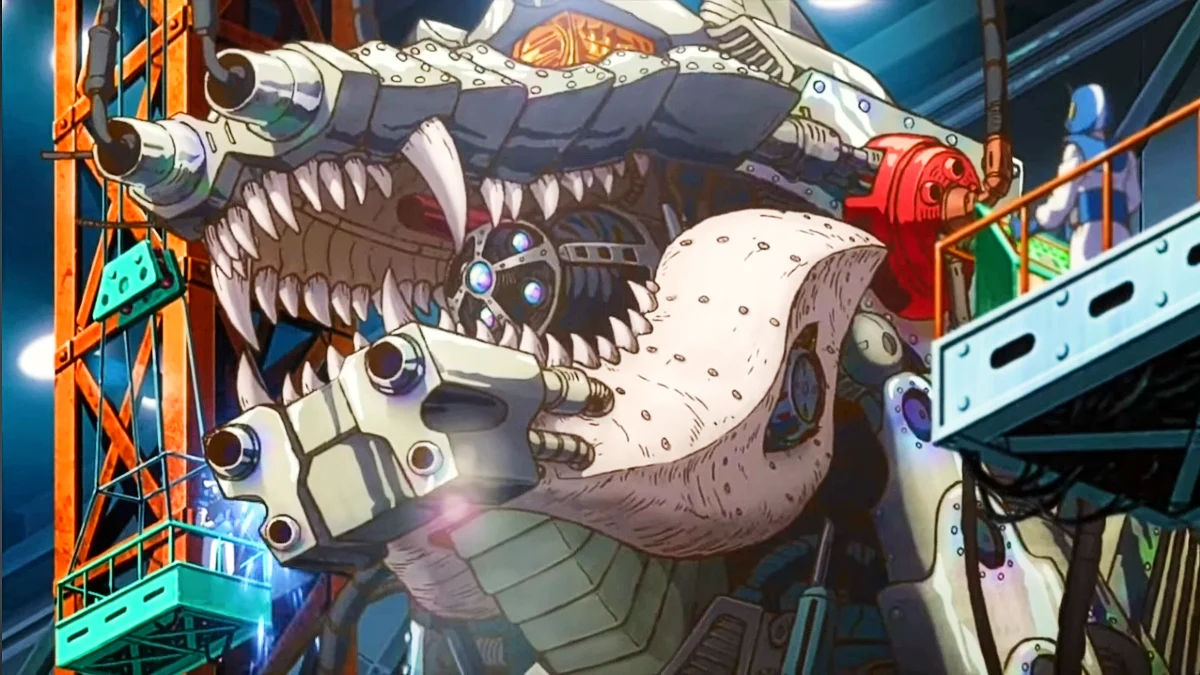
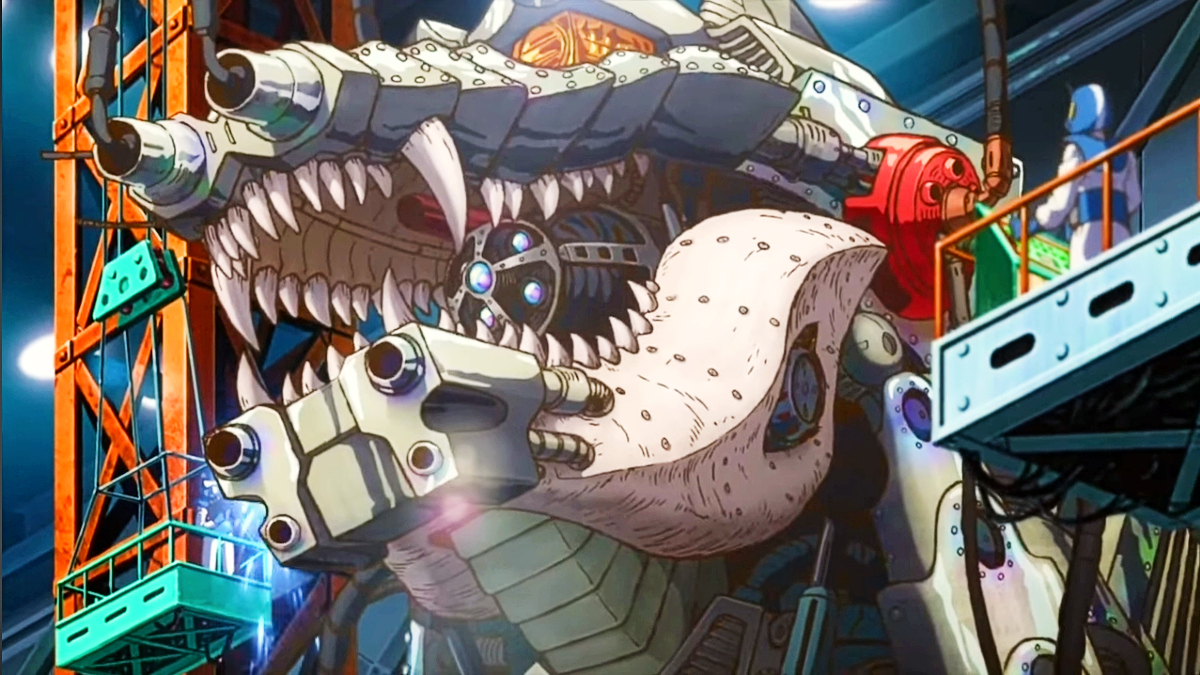
For over three years, fans of Godzilla Singular Point have waited for news regarding a continuation. The first season, a collaboration between the powerhouse animation studios Bones (My Hero Academia) and Orange (Beastars), concluded with a post-credits sequence featuring the construction of a robotic titan—widely identified as a reimagined Mechagodzilla—and the enigmatic return of characters in a timeline-bending twist.
However, the silence from Toho Co., Ltd. and Netflix has recently been punctuated by discouraging updates. According to D Man1954, a prominent chronicler of kaiju news with a track record of accessing internal industry developments, Season 2 was not merely a hypothetical concept; it was a project in active development.
The core facts regarding the current situation are as follows:
- Active Development Stalled: Internal reports suggest that a second season was planned, prioritized, and had begun the early stages of production.
- Production Collapse: Despite the initial momentum, the project reportedly "collapsed" behind the scenes. While the specific reasons remain protected by non-disclosure agreements, the failure is described as a definitive halt rather than a temporary delay.
- Shift in Strategy: Toho appears to be pivoting away from the dense, theoretical physics-heavy narrative of Singular Point in favor of new, yet-to-be-announced animated projects that may follow a more traditional "shonen" or action-oriented structure.
- The Five-Year Gap: With 2025 approaching, the window for a traditional seasonal renewal is closing, leading analysts to believe the series has been quietly shelved in favor of a franchise "soft reboot" in the animated space.
Chronology: From Experimental Roots to the Current Limbo
To understand the weight of the Singular Point silence, one must examine the timeline of Godzilla’s animated evolution, which has been marked by bold experimentation and varying degrees of critical success.
2017–2018: The Polygon Pictures Trilogy
Toho’s first major modern attempt at Godzilla anime was the trilogy consisting of Planet of the Monsters, City on the Edge of Battle, and The Eater of Stars. Released globally on Netflix, these films introduced a sci-fi future where Godzilla had conquered Earth. While visually striking, the trilogy was polarizing due to its slow pacing and its subversion of traditional kaiju action.
2021: The Launch of ‘Singular Point’
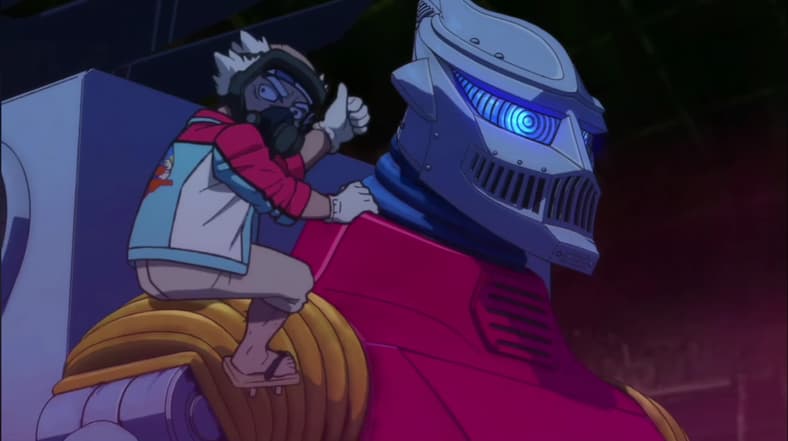
In April 2021 (June 2021 globally on Netflix), Godzilla Singular Point was released. It represented a radical departure from the Polygon trilogy. It utilized a "hard science" approach, incorporating real-world physics, temporal paradoxes, and Indian mythology. Directed by Atsushi Takahashi and written by Japanese sci-fi novelist Toh EnJoe, the series was praised for its intellectual depth and its vibrant redesigns of classic monsters like Anguirus, Rodan, and Jet Jaguar.
2022–2023: The Great Silence
Following the successful reception of Season 1, fans expected an announcement within 12 to 18 months. Instead, Toho focused its marketing efforts on the 70th-anniversary project (Godzilla Minus One) and the expansion of the MonsterVerse on Apple TV+ with Monarch: Legacy of Monsters. During this period, rumors of a Singular Point renewal persisted but lacked official confirmation.
2024: The Collapse Becomes Public
By mid-2024, insider reports began to surface indicating that the "Mechagodzilla" season had hit a wall. While the animation industry often deals with long lead times, the lack of even a "production started" graphic at major events like Anime Japan or San Diego Comic-Con signaled internal trouble.
Supporting Data: Analysis of Reception and Market Performance
The potential cancellation of Godzilla Singular Point can be analyzed through the lens of its performance and the logistical hurdles of its production.
Critical vs. Commercial Dissonance
Singular Point holds a respectable rating among critics, often praised for being the most "intelligent" Godzilla story ever told. However, audience data suggests a divide. The heavy reliance on dialogue-driven scenes explaining "Red Dust" and "Archetype" (the show’s fictional substances) proved a barrier to entry for casual viewers expecting a monster-brawl-of-the-week format.
The Complexity of Collaboration
The series was a rare co-production between Studio Bones (handling 2D hand-drawn characters) and Studio Orange (handling 3D CGI monsters). This hybrid approach is expensive and requires meticulous scheduling. If one studio’s pipeline becomes overwhelmed—Bones, for instance, has been heavily committed to the My Hero Academia finale and Metallic Rouge—the delicate balance of the co-production can fail.
Streaming Metrics
Netflix’s renewal algorithm relies heavily on "completion rates"—the percentage of viewers who finish a season within the first 28 days. While specific numbers for Singular Point are proprietary, the dense narrative structure may have led to a lower completion rate compared to more accessible anime hits like Cyberpunk: Edgerunners or Blue Eye Samurai.
Official Responses: The Strategy of Silence
To date, Toho Co., Ltd. has issued no formal statement regarding the cancellation or continuation of Godzilla Singular Point. In the Japanese entertainment industry, this "silence as a statement" is common. Unlike Western networks that often issue press releases for cancellations, Japanese IP holders frequently let projects fade from the public eye if a renewal is not forthcoming.
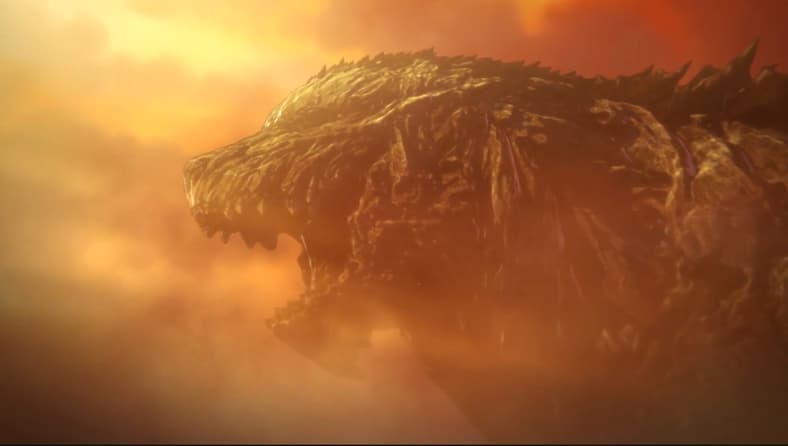
However, Toho’s broader corporate strategy offers some clues. In recent investor reports, Toho has emphasized "Global Brand Expansion." The success of Godzilla Minus One proved that there is a massive global appetite for a "back-to-basics" Godzilla—a terrifying, destructive force of nature. Singular Point, with its colorful Jet Jaguar and its multi-dimensional math problems, may no longer align with the "Prestige Kaiju" brand Toho is currently cultivating.
When asked about the future of Godzilla anime at various press junkets, Toho executives have remained vague, often pivoting to the fact that "multiple projects are always in various stages of consideration." This suggests that while Singular Point may be dead, the medium of anime remains a vital part of their long-term plan.
Implications: What Lies Ahead for Godzilla in Animation?
The reported collapse of Godzilla Singular Point Season 2 has significant implications for the franchise and its fans.
1. The Lost Lore of the "Singular Point"
The most immediate casualty is the narrative. Season 1 left the "Catastrophe" unresolved and introduced a version of Mechagodzilla that appeared to be constructed from the bones of a previous Godzilla—a nod to the 2002 film Godzilla Against Mechagodzilla. Unless this story is continued in a manga or light novel format, these plot threads will remain eternally dangling.
2. A Shift Toward "Shonen" Sensibilities
Rumors have begun to circulate regarding a "successor project" that deviates sharply from the intellectual tone of Singular Point. Observers have described this potential new series as having a "Dragon Ball-tinged" or "shonen-esque" energy. This suggests a focus on high-energy battles, power scaling, and perhaps a younger protagonist, aimed at capturing the demographic that made Kaiju No. 8 a recent global success.
3. The MonsterVerse Expansion
While Toho’s domestic anime efforts may be in flux, the MonsterVerse is picking up the slack. With the success of the Skull Island anime on Netflix, there is a proven blueprint for Western-produced Godzilla animation. It is possible that the future of Godzilla on the small screen will be dominated by the "Power-Up" Godzilla of the MonsterVerse rather than the "Lovecraftian" Godzilla of Singular Point.
4. The Niche vs. The Mainstream
The failure to secure a second season for Singular Point may signal a retreat from experimental storytelling within the Godzilla brand. If the most "daring" anime project in the franchise’s history couldn’t sustain its production, Toho may play it safe with future iterations, sticking to established tropes of the genre.
In conclusion, while the sun is shining on Godzilla’s live-action endeavors, the "Singular Point" appears to have reached its event horizon. For fans who appreciated the series’ intellectual rigor and unique aesthetic, the news of a production collapse is a sobering reminder of the volatility of the modern animation industry. As the King of the Monsters moves toward his next transformation, the Mechagodzilla of the Singular Point universe may remain a silent sentinel of a future that never came to be.