

FOR IMMEDIATE RELEASE
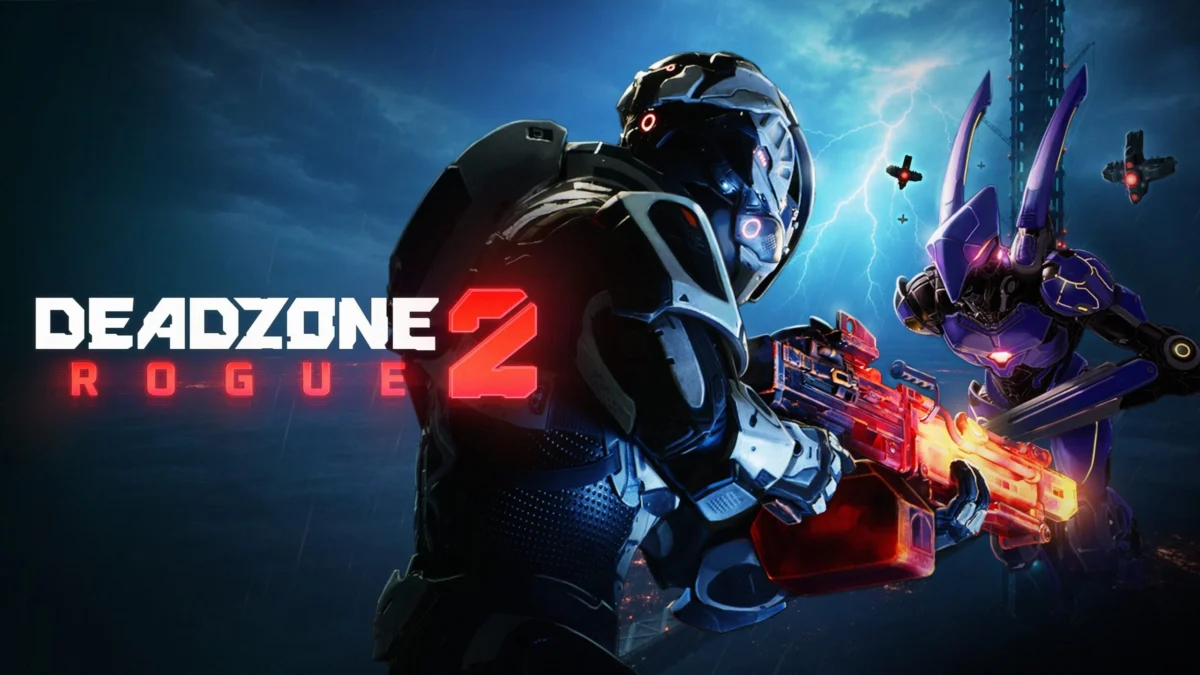
Prophecy Games, the acclaimed independent studio behind the widely successful Deadzone: Rogue, has officially announced Deadzone: Rogue 2, a direct sequel poised to elevate the science-fiction roguelite first-person shooter genre. Set to launch on PlayStation 5, Xbox Series X|S, and PC via Steam, the announcement has ignited anticipation among fans of the original and newcomers alike. While a definitive release date remains under wraps, the studio has confirmed that a playable demo will be available soon, offering players an early glimpse into the expanded universe and enhanced gameplay.
Deadzone: Rogue 2 builds upon the foundation of its predecessor, which garnered a "Very Positive" review status and attracted over half a million players to its unique blend of intense FPS action and persistent roguelite progression. Players will step into the boots of Talon 13-10, a protagonist navigating a desolate, fallen Earth, now overrun by the relentless "Monarch’s endless machines." The core gameplay loop promises deep customization, encouraging players to experiment with a vast array of weapons, augments, and elemental abilities to craft devastating builds. The game is designed for both solo adventurers and cooperative teams, allowing friends to join forces in the fight against overwhelming odds, growing stronger with each procedurally generated run. The announcement was accompanied by an official trailer, providing a cinematic look at the game’s dark sci-fi aesthetic, frenetic combat, and the formidable robotic adversaries that await.
The Evolution of a Franchise: From Rogue to Rogue 2
The journey to Deadzone: Rogue 2 is a testament to the organic growth and community-driven success that independent developers can achieve. Prophecy Games, while perhaps not a household name on the scale of industry giants, carved out a significant niche with its inaugural title, Deadzone: Rogue. The original game distinguished itself in a crowded market by delivering a compelling blend of fast-paced first-person shooting, the high-stakes permadeath and procedural generation inherent to roguelites, and a captivating science-fiction backdrop.
The Genesis of Deadzone: Rogue
Deadzone: Rogue emerged onto the scene with a clear vision: to create an accessible yet challenging experience that rewarded player skill and adaptability. Upon its initial release, the game quickly resonated with a segment of the gaming community hungry for replayable content and emergent gameplay. Its "Very Positive" reviews were not merely a superficial accolade but reflected a genuine appreciation from players for its tight controls, satisfying gunplay, and the addictive loop of "just one more run." The game’s success was further amplified by its robust player count, exceeding half a million, a remarkable feat for an indie title. This critical and commercial reception solidified Prophecy Games’ reputation as a developer capable of delivering engaging and well-crafted experiences within the roguelite FPS genre. The original game’s development likely involved a lean team, focusing on iterative design and responsive feedback, a characteristic often seen in successful indie ventures that build strong community ties. This foundation of player satisfaction and positive engagement laid the groundwork for future ambitions.
The Road to Sequel Announcement
The decision to develop Deadzone: Rogue 2 was undoubtedly influenced by the overwhelming positive response to its predecessor. The half-million-strong player base of Deadzone: Rogue not only provided a robust financial incentive but also represented a dedicated community eager for more content within the universe. It is plausible that Prophecy Games, from early on, envisioned a larger narrative and more expansive gameplay systems than what could be contained within the first title. The development cycle for Rogue 2 likely began shortly after the original had established its firm footing, with the team meticulously analyzing player data, community feedback, and internal design aspirations.
This period would have involved extensive concepting, pushing the boundaries of what made the first game special while also identifying areas for significant improvement and innovation. The studio would have iterated on new mechanics, refined existing ones, and explored new artistic directions for the "fallen Earth" setting and the enigmatic "Monarch’s endless machines." The official announcement of Deadzone: Rogue 2, complete with a compelling trailer and multi-platform confirmation, signifies the culmination of these efforts, moving from internal development into the public eye. Such an announcement, especially without a firm release date, often signals a confident development phase, where the core experience is solidifying, and the team is preparing for broader player engagement, notably through the upcoming demo. This strategic reveal allows Prophecy Games to build anticipation, gather early impressions, and continue refining the game based on initial public feedback.
Deep Dive into Deadzone: Rogue 2’s Mechanics and Lore
Deadzone: Rogue 2 is poised to expand significantly upon the established framework of its predecessor, promising a deeper, more engaging experience across its core gameplay, narrative, and aesthetic design. The brief overview provided by Prophecy Games hints at a title that not only retains the addictive qualities of the original but also introduces layers of complexity and strategic depth.
Gameplay Innovations and Core Loop
At the heart of Deadzone: Rogue 2‘s appeal lies its commitment to player agency and emergent gameplay. The description emphasizes the ability to "combine weapons, augments, and elements to forge devastating builds." This suggests a robust customization system far beyond simple weapon upgrades. "Augments" could refer to passive abilities, active skills, or even modifications to the player character’s physical attributes, allowing for diverse playstyles ranging from tanky close-quarters combatants to agile, long-range snipers. The inclusion of "elements" hints at a synergistic system where different damage types or status effects can be combined for explosive results, creating unique interactions that players will discover and master over countless runs. This depth in build crafting is a cornerstone of successful roguelites, offering immense replayability as players continuously uncover new and powerful combinations.
The roguelite elements, particularly the phrase "grow stronger each run," point towards a sophisticated meta-progression system. While individual runs will undoubtedly feature temporary power-ups and randomized loot, there will likely be permanent upgrades or unlocks that persist across playthroughs. This could include new weapons, character classes, starting augments, or even lore discoveries that enrich the overall experience. The procedural generation, a hallmark of the genre, will ensure that no two runs are ever truly identical, forcing players to adapt their strategies and builds to ever-changing environments and enemy encounters.
As a first-person shooter, Deadzone: Rogue 2 must deliver satisfying gunplay. The mention of "blasting through Monarch’s endless machines" implies a focus on kinetic, impactful combat against a diverse array of robotic adversaries. Players can expect a variety of weapon types, from ballistic firearms to energy-based weaponry, each with distinct feel and strategic applications. The challenge will likely stem from the sheer numbers and varied attack patterns of Monarch’s forces, requiring precise aiming, tactical movement, and effective utilization of the player’s chosen build.
The inclusion of cooperative play further enhances the game’s depth. Playing "solo or with friends" suggests a seamless integration of multiplayer, where players can team up to tackle challenges that might be too formidable for a single operative. Co-op introduces new strategic considerations, such as coordinating builds, managing crowd control, and reviving downed teammates, adding another layer of engagement and replayability.
The Fallen Earth Setting and Narrative Threads
Deadzone: Rogue 2 transports players to a "fallen Earth," a classic sci-fi trope that offers fertile ground for rich world-building. This isn’t merely a backdrop but an active participant in the game’s atmosphere and challenges. One can imagine a landscape scarred by cataclysmic events, with remnants of human civilization juxtaposed against the cold, metallic efficiency of Monarch’s machines. The environment itself could present unique hazards, resource opportunities, and strategic points of interest, influencing combat encounters and exploration.
The protagonist, Talon 13-10, immediately evokes a sense of a specialized, perhaps even mass-produced, operative. The designation "13-10" hints at a lineage or a unit, suggesting a background rooted in military or synthetic origins. This opens up narrative possibilities regarding Talon’s purpose, his connection to the fallen Earth, and his ultimate objective against Monarch. Is Talon a lone survivor, a resurrected hero, or a repurposed machine fighting against its own kind? The "adventure" genre tag attached to the game implies that beyond the endless combat, there will be a narrative arc, lore to uncover, and mysteries to solve regarding the fate of Earth and the rise of Monarch. This narrative layer will provide context and motivation for the player’s relentless fight.
Market Context and Genre Appeal
The roguelite FPS genre has witnessed a significant surge in popularity in recent years, with titles like Risk of Rain 2, Gunfire Reborn, and Roboquest captivating audiences with their blend of procedural generation, persistent progression, and satisfying gunplay. This genre thrives on replayability, as players are continually presented with fresh challenges and opportunities to experiment with different builds. The appeal lies in the dynamic nature of each run, where unexpected synergies and random drops can turn a struggling player into an unstoppable force, fostering a sense of mastery and discovery.
Deadzone: Rogue 2 enters this vibrant market with the advantage of a proven predecessor and a clear understanding of what makes the genre tick. Its focus on deep customization through weapons, augments, and elements, combined with solo and co-op play, positions it to carve out its own identity. Prophecy Games appears to be aiming for a title that not only satisfies fans of the original but also attracts new players seeking a high-quality, replayable sci-fi shooter experience. The challenge will be to innovate sufficiently to stand out while retaining the core tenets that made Deadzone: Rogue a success.
Prophecy Games’ Vision and Community Engagement
The announcement of Deadzone: Rogue 2 is more than just a game reveal; it’s a statement from Prophecy Games about their continued commitment to their burgeoning franchise and their relationship with their player base. Having achieved considerable success with their debut title, the studio is now poised to leverage that momentum and deliver an even more ambitious sequel.
Developer Commentary and Aspirations
While specific quotes from Prophecy Games’ development team are not yet widely available beyond the game overview, the implicit message is clear: they are incredibly proud of Deadzone: Rogue‘s performance and the community it fostered. The mention of "over half a million players and ‘Very Positive’ reviews" is not just a statistic; it’s a testament to the connection they forged with their audience. This success serves as a powerful validation of their initial vision and provides a robust foundation for the sequel.
Their aspirations for Deadzone: Rogue 2 are evident in the game’s description. They aim to build upon the core mechanics that made the original addictive, refining the combat, expanding the customization options, and deepening the lore. It is highly probable that Prophecy Games has meticulously reviewed feedback from the first game, identifying areas where players desired more depth, variety, or quality-of-life improvements. The sequel represents an opportunity to address these points while also introducing their own new ideas and innovations. By explicitly stating that players will "grow stronger each run, solo or with friends," they are reaffirming their commitment to both satisfying progression and versatile multiplayer options, key pillars of the roguelite experience. This reflects a studio that listens to its community and strives to evolve its offerings based on player desires.
The Significance of the Upcoming Demo
The decision to release a "demo coming soon" for Deadzone: Rogue 2 is a strategic move that carries significant weight, especially for a roguelite title. Demos are invaluable tools for player engagement and feedback, allowing prospective players to experience the core mechanics firsthand before committing to a purchase. For a genre where the "feel" of combat, the rhythm of progression, and the variety of builds are paramount, a demo is arguably more critical than for other genres.
This upcoming demo will serve several crucial purposes:
- Showcasing Core Gameplay: It will allow players to directly experience the enhanced first-person shooter mechanics, the impact of combining weapons, augments, and elements, and the overall flow of a typical run. This is essential for demonstrating how Rogue 2 improves upon its predecessor.
- Gathering Early Feedback: Prophecy Games can collect invaluable data and qualitative feedback from a broad audience, identifying potential issues, balancing concerns, or unexpected player strategies. This feedback loop is vital for fine-tuning the game before its full release.
- Building Hype and Community: A demo generates immediate buzz, creating conversations within gaming communities, on streaming platforms, and across social media. It transforms abstract promises into concrete experiences, converting curiosity into anticipation.
- Managing Expectations: By offering an early taste, Prophecy Games can set realistic expectations for the game’s scope and mechanics, ensuring that players understand what Deadzone: Rogue 2 is and isn’t.
For a studio like Prophecy Games, which has already established a strong rapport with its player base, a demo is an extension of that relationship. It signals transparency and a willingness to involve the community in the final stages of development. It aligns with a potential strategy of an Early Access phase on PC (though not explicitly stated), where community involvement is central to iterative improvement, or simply as a powerful marketing tool leading up to a full launch across all announced platforms. The demo will be the first tangible proof of the sequel’s ambition and a critical step in building sustained excitement for its eventual release.
The Future of the Deadzone Franchise and Beyond
The announcement of Deadzone: Rogue 2 represents a significant milestone for Prophecy Games and carries broader implications for the roguelite FPS genre and the landscape of independent game development. It signals not just the continuation of a successful series but also the potential for further growth and innovation within the studio and the wider gaming market.
Market Impact and Player Expectations
For Prophecy Games, the launch of Deadzone: Rogue 2 is an opportunity to solidify its position as a significant player in the indie space. A successful sequel can exponentially boost a studio’s reputation, attracting more talent, securing future funding, and enabling more ambitious projects. It moves them beyond being a "one-hit wonder" and establishes a sustainable franchise. The multi-platform release across PlayStation 5, Xbox Series X|S, and PC is a clear indication of their intent to reach the broadest possible audience, maximizing their commercial potential and brand recognition. This cross-platform strategy is crucial in today’s interconnected gaming ecosystem, ensuring that players can experience the game regardless of their preferred hardware.
Player expectations will undoubtedly be high. Fans of the original Deadzone: Rogue will anticipate a game that expands on everything they loved, with improved graphics, deeper mechanics, and a richer world. New players, drawn by the genre’s popularity and the positive reputation of the first game, will expect a polished, engaging, and highly replayable experience. The challenge for Prophecy Games will be to meet these diverse expectations while also innovating sufficiently to prevent the sequel from feeling like a mere iteration. The success of Rogue 2 could significantly impact the competitive roguelite FPS market, potentially inspiring other developers to push the boundaries of procedural generation, build customization, and narrative integration within the genre.
Long-Term Vision and Potential Expansions
The very nature of roguelite games, with their emphasis on replayability and emergent gameplay, makes them ideal candidates for long-term content support. If Deadzone: Rogue 2 achieves similar or greater success than its predecessor, it’s highly plausible that Prophecy Games will support it with continuous content updates, including new weapons, augments, characters, environments, enemies, and even narrative expansions. This "live-service lite" approach can keep the community engaged for years, transforming the game into a living, evolving experience.
Beyond post-launch content, the success of Deadzone: Rogue 2 could pave the way for further entries in the "Deadzone" universe. This might include additional sequels, spin-off titles exploring different genres or character perspectives, or even transmedia adaptations if the lore proves compelling enough. The establishment of a coherent and engaging science-fiction universe provides a rich foundation for future storytelling and gameplay experiences, allowing Prophecy Games to build a legacy around the "Deadzone" brand.
Ultimately, Deadzone: Rogue 2 is a testament to the power of independent game development. It demonstrates that passion, creative vision, and a deep understanding of player desires can lead to the creation of compelling franchises that stand alongside those from larger studios. As the "demo coming soon" draws closer, the gaming community eagerly awaits its chance to once again dive into the desolate, machine-infested world of Deadzone and forge their path to survival. The future of Talon 13-10, and indeed the entire Deadzone franchise, looks promisingly explosive.











No comments yet. Be the first to join the conversation!