

In a landmark move for digital safety and content integrity, YouTube has announced the global expansion of its advanced AI-driven likeness detection tools. What began as a highly restricted pilot program for high-profile figures has now evolved into a platform-wide security layer, allowing any user over the age of 18 to monitor, detect, and take action against unauthorized uses of their facial likeness in synthetic or AI-altered media.
This initiative, which marks a significant shift in how social media giants manage the proliferation of deepfakes, represents the culmination of two years of intensive development. As generative AI makes it easier than ever to create hyper-realistic depictions of individuals without their consent, YouTube’s proactive stance positions it as a leader in the battle against digital impersonation and non-consensual synthetic media.
The Core Mechanism: How Likeness Detection Functions
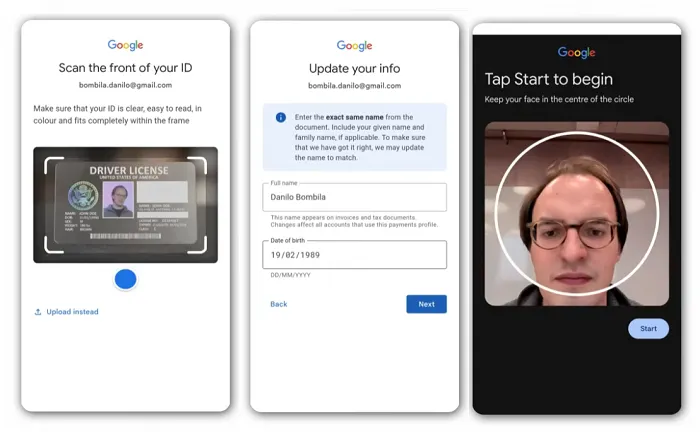
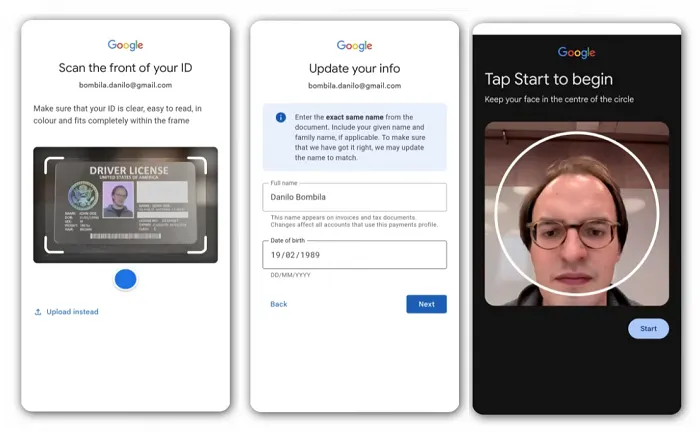
At the heart of this new suite of tools is a sophisticated detection architecture that leverages biometric verification to safeguard user identity. To access these protections, users must enroll by providing a verifiable face scan and, in many instances, government-issued identification. This data serves as the digital fingerprint that YouTube’s automated systems use to cross-reference new uploads.
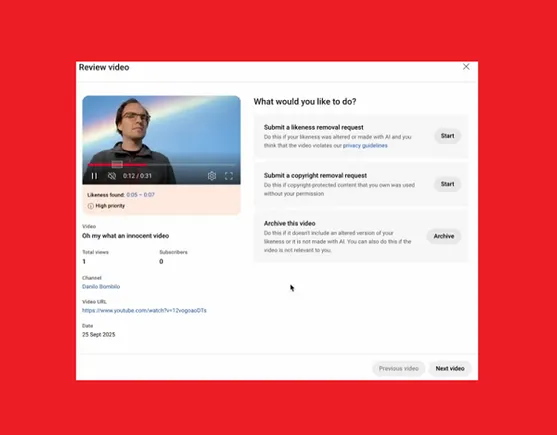
Once a user is enrolled, the system constantly scans the platform’s massive library of incoming content. If the AI detects a match—identifying a video that contains a synthetic or altered version of the user’s face—the system triggers an automated alert within YouTube Studio. This notification provides the user with visibility into how their image is being utilized across the platform.
Crucially, this system does not grant users an immediate, unilateral "delete" button for any content featuring their face. Rather, it provides a streamlined, priority pathway to report content that violates YouTube’s existing Privacy Guidelines. By providing creators with the evidence of unauthorized usage, YouTube empowers them to make informed decisions about whether to request a takedown, facilitating a more transparent and manageable process for addressing potential harm.
A Chronology of Implementation: From Pilot to Platform-Wide Standard
The rollout of these tools has been a methodical, iterative process, reflecting YouTube’s cautious approach to managing sensitive biometric data and privacy concerns.
The Developmental Phase (2023–2025)
The foundation for this technology was laid over the past two years, as YouTube’s engineering teams worked to refine facial recognition accuracy while minimizing the risk of false positives. During this time, the company focused on building a robust infrastructure capable of processing the vast scale of video uploads on the platform daily.
The "MadeOn" Announcement (September 2025)
The first public acknowledgement of these capabilities occurred during YouTube’s MadeOn event in September 2025. There, the company outlined its vision for the future of AI-powered creative tools and, by extension, the necessary guardrails to protect creators.
Phased Expansion (Late 2025 – Early 2026)
- Initial Pilot (October 2025): The feature was first tested with a select, small group of creators to assess the user interface and the efficiency of the reporting workflow.
- High-Risk Expansion (March 2026): Recognizing that journalists, government officials, and political candidates were at a heightened risk of impersonation and deepfake-driven misinformation, YouTube expanded access to these high-profile cohorts.
- Broader Access (April 2026): The tool was extended to other individuals identified as being at higher risk of targeted harassment or identity theft, further refining the system’s performance in real-world scenarios.
Universal Availability (Mid-2026)
Following the success of these targeted rollouts, YouTube is currently in the process of a gradual, global deployment to all users aged 18 and older. This rollout is expected to complete over the coming weeks, effectively turning the platform into a self-policing environment for identity protection.
Official Stance and Philosophy
YouTube’s leadership has framed this rollout not merely as a technical update, but as a moral imperative in an era where trust in digital media is eroding. In a statement regarding the launch, the company emphasized its commitment to creator autonomy: "As AI-generated content continues to evolve, we’re committed to creating an environment where you can upload content to YouTube while staying in control of your likeness."

This "industry-first" tool is designed to provide what the company calls "peace of mind." By shifting the burden of detection from the individual—who could previously only rely on manual discovery—to the platform’s automated systems, YouTube is fundamentally changing the power dynamic between victims of impersonation and malicious content creators.
Implications for the Digital Ecosystem
The decision to provide these tools to every adult user has profound implications for the social media industry at large.
Setting the Gold Standard for Safety
For years, social media platforms have been criticized for their reactive approach to AI-generated harm. With this move, YouTube has established a new benchmark for what "proactive protection" looks like. It is widely expected that competitors will face increased pressure from regulators and user advocacy groups to implement similar biometric verification and detection systems.
The Contrast with Industry Peers
The urgency of this initiative is underscored by recent controversies at other platforms. For instance, the legal challenges faced by X (formerly Twitter) regarding "nudification" and unauthorized AI-generated content highlighted a dangerous vacuum in user protection. Where other platforms have left users largely to fend for themselves, struggling with opaque reporting forms and slow response times, YouTube’s integration of identity verification into the reporting process suggests a more robust, systematic approach to accountability.
The Future of "Truth" in Content
While these tools are a powerful deterrent, they are not a silver bullet. The cat-and-mouse game between AI-generated content creators and detection algorithms is ongoing. As synthetic media becomes more sophisticated, the challenge will be for YouTube’s detection tools to keep pace with "deepfake" technology that bypasses traditional facial recognition. Furthermore, there is the ongoing challenge of defining the boundaries between parody, satire, and malicious impersonation—a nuance that AI systems still struggle to interpret.
Challenges and Future Considerations
Despite the positive reception, the implementation of such a system brings inherent complexities. The collection of government IDs and face scans carries significant privacy risks. YouTube must ensure that this biometric data is stored with the highest levels of encryption and that access is strictly limited to prevent data breaches that could lead to the very identity theft the system aims to prevent.
Additionally, there is the potential for misuse. As with any reporting tool, there is a risk that bad actors could attempt to use the likeness detection system to suppress legitimate criticism or parody by flagging content that does not actually violate the platform’s guidelines. YouTube’s ability to adjudicate these disputes accurately will be the ultimate test of the system’s efficacy.
Conclusion
YouTube’s expansion of likeness detection is a watershed moment for the internet. By arming every adult user with the technology to protect their identity, the platform is attempting to reclaim the concept of personal agency in an era of digital manipulation. While the technology is still maturing, the move represents a necessary evolution in how social media companies address the risks posed by artificial intelligence.
As the rollout continues, the focus will shift from the availability of these tools to their effectiveness in practice. If successful, this initiative could serve as the foundation for a safer, more transparent digital landscape, where users can share their creative work without the looming fear that their likeness will be weaponized against them. For now, all eyes are on YouTube to see if this ambitious, industry-first project can truly deliver on its promise of a more secure future.












No comments yet. Be the first to join the conversation!