

By Callum Mercer, Senior Editor
Updated: May 5, 2026
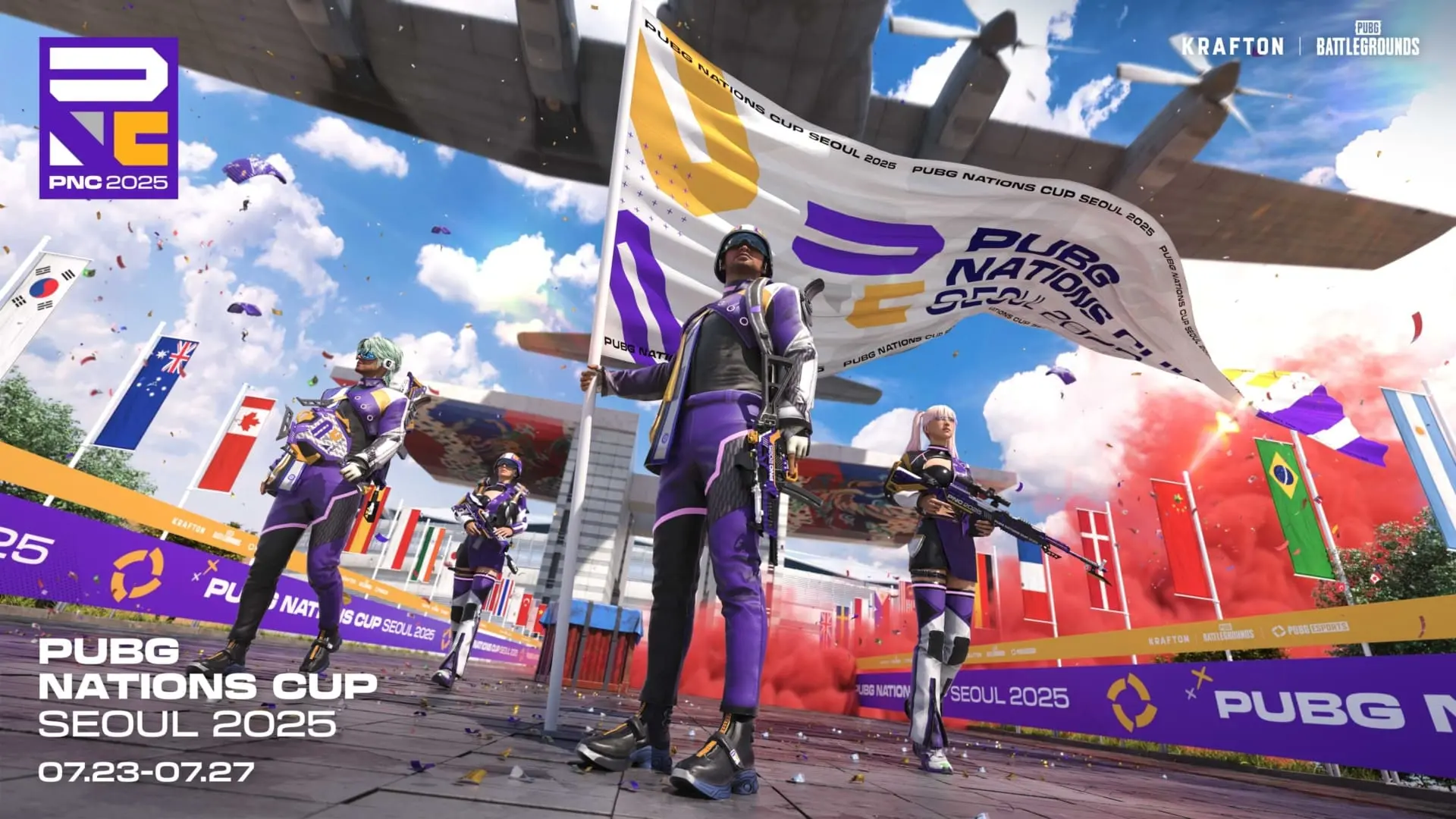
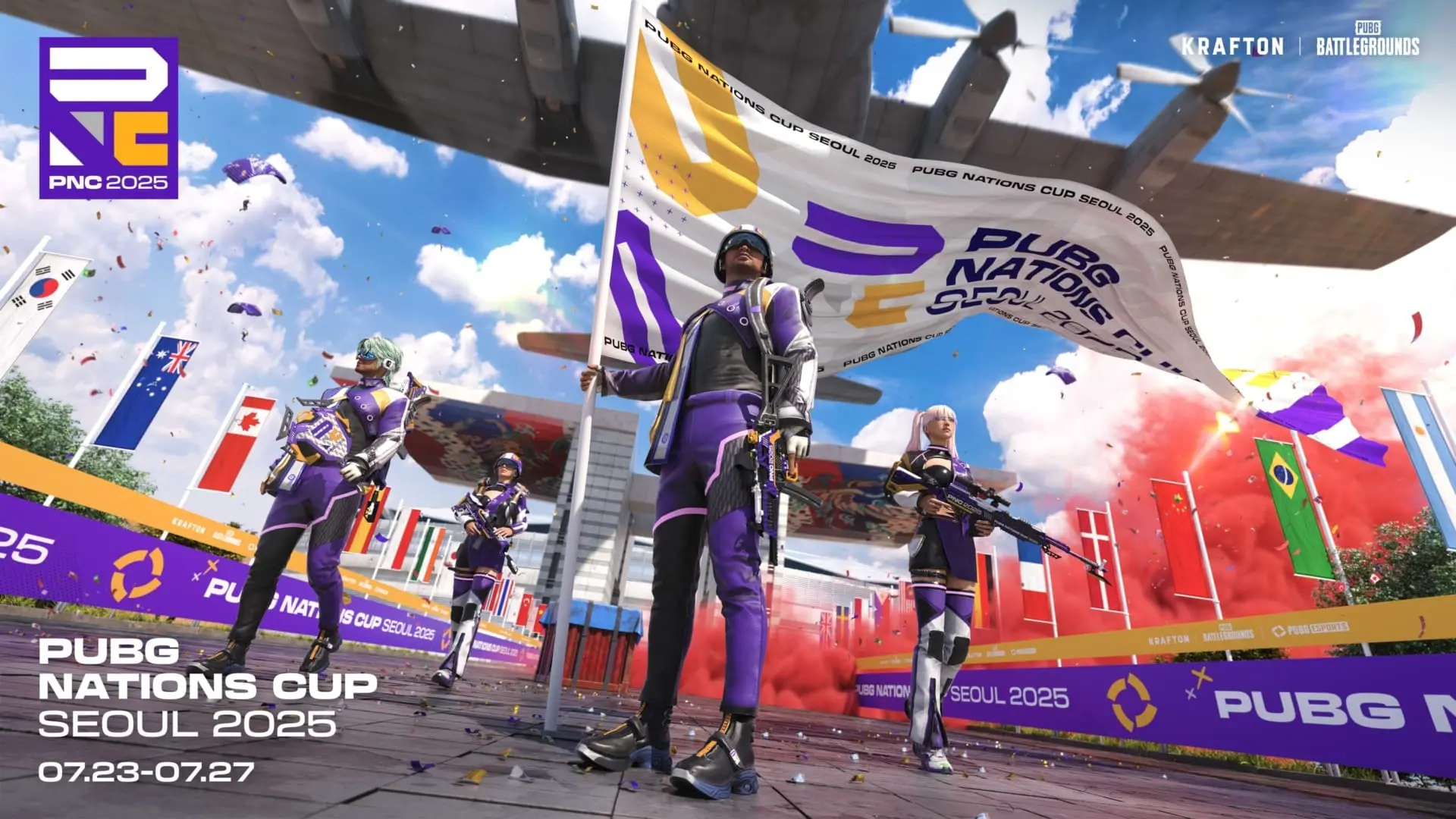
The landscape of professional PUBG: Battlegrounds is undergoing a significant transformation. With the official announcement from PUBG Esports regarding the qualification protocols for the PUBG Nations Cup (PNC) 2025, the tournament is shifting from an exhibition-style spectacle into a rigorous, system-led test of national pride. As 24 national teams prepare to descend upon the Olympic Handball Gymnasium in Seoul, South Korea, this July, the stakes for regional representation have never been higher.
This latest update provides the clarity that the competitive community has long demanded, moving away from discretionary selection processes toward a transparent, data-driven framework. By standardizing how players are selected across the EMEA and Americas regions, PUBG Esports is signaling a clear intent: to foster a legitimate, professionalized national-team ecosystem that mirrors the prestige of traditional sports.
The Foundation: A New Standard for Player Selection
For years, the PNC has been a fan-favorite, often characterized by high-octane gameplay and national fervor. However, critics have frequently pointed to the lack of a standardized, transparent selection process as a point of contention. The 2025 iteration seeks to address this head-on.
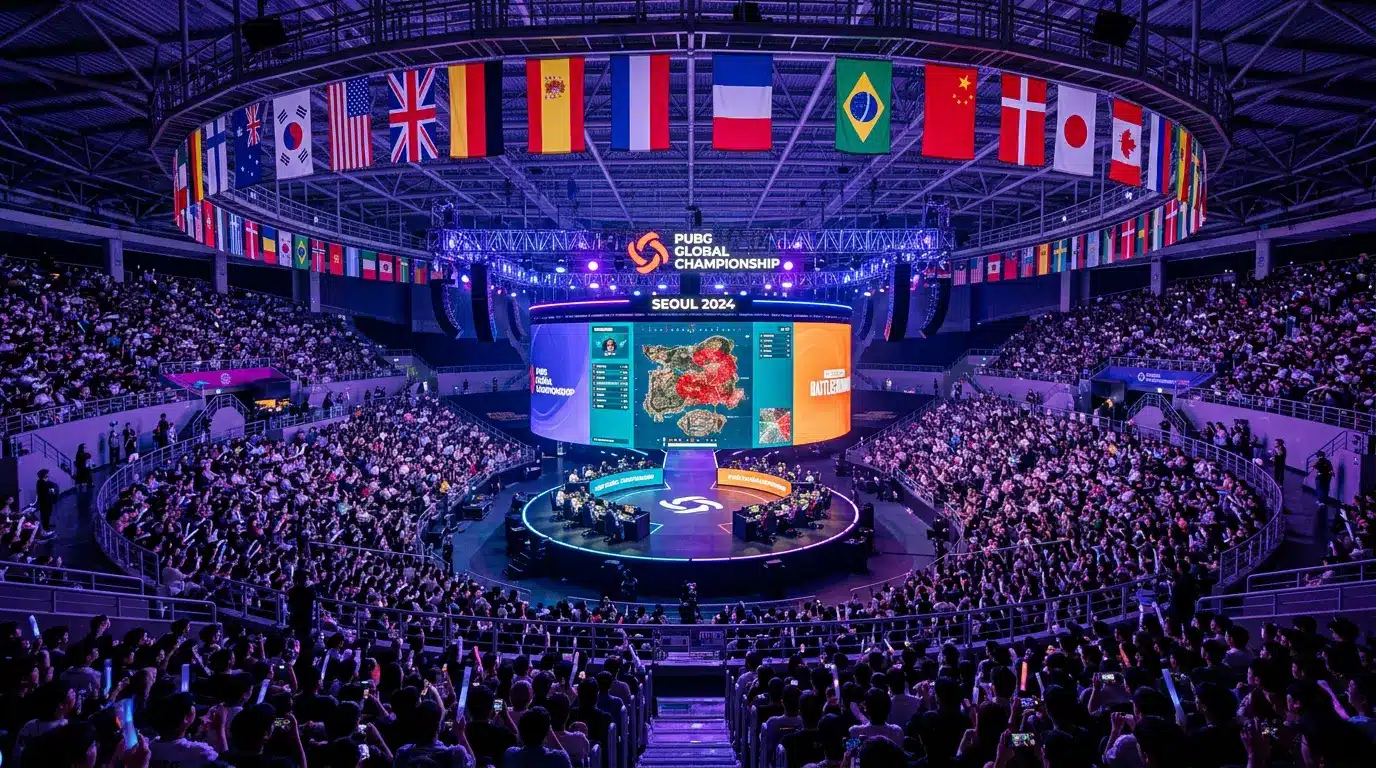
The core of this new directive is a structural commitment to competitive integrity. By anchoring player selection to the results of regional circuits—specifically the PUBG EMEA Championship (PEC) Spring 2025 and the PUBG Americas Series (PAS5)—PUBG Esports is creating a direct line of continuity between the daily grind of the pro circuit and the ultimate stage in Seoul.
The most critical regulatory change is the implementation of a two-player-per-organization cap. This rule is designed to prevent national squads from becoming mere extensions of existing club rosters, ensuring that the "National Team" title remains authentic. While the developer has left room for potential exemptions—acknowledging that some regions may lack the elite depth required to form competitive squads without clustered talent—the overarching message is clear: diversity of representation is a priority.
Chronology of the Road to Seoul
The journey to the Olympic Handball Gymnasium is a multi-stage process that began in the early months of 2026 and will culminate in the intense mid-summer heat of late July.
- Q1 2026: Initial competitive windows opened across global regions, with the PUBG EMEA Championship and PUBG Americas Series serving as the primary proving grounds.
- April 2026: PUBG Esports releases formal competitive updates, establishing the rules of engagement for national selection, including the controversial but necessary organization caps.
- May 2026 (Current Phase): Regional qualification pipelines reach their climax. The results from the Spring championships are being audited to determine the core of each nation’s roster.
- Late June 2026: Final rosters for the 24 competing nations are expected to be finalized, marking the transition from individual club performance to national unit training.
- Late July 2026: The PUBG Nations Cup 2025 commences in Seoul, South Korea, bringing together the world’s elite to compete on the global stage.
Supporting Data: Why Structure Matters
The move toward a more "system-led" selection process is not merely an administrative choice; it is a strategic business decision. As analyzed in recent assessments of esports media value during Q1 2026, competitive visibility is the primary driver of sponsor interest and viewer retention.

By forcing teams to build rosters through a combination of performance and tactical diversity (due to the organization caps), PUBG Esports is essentially engineering high-stakes roster drama. In countries where a single organization has historically dominated the domestic circuit, selectors are now forced to look at secondary and tertiary talent. This has two major effects:
- Talent Scouting: It forces regional coaches and selectors to evaluate players who might otherwise be overshadowed by "star" teammates, expanding the pool of recognized professional talent.
- Competitive Parity: By diluting the power of a single club’s core across multiple potential national configurations, the overall skill floor of the tournament is raised.
Furthermore, the choice of Seoul as the host city is symbolic. As a historical hub for the development of modern esports, the Olympic Handball Gymnasium provides the necessary gravitas to frame PNC 2025 as a marquee event. This is not a "side-show" or an off-season vacation; it is the centerpiece of the 2026 competitive calendar.
Implications for the Professional Ecosystem
The shift toward a more coherent, standardized tournament ecosystem has deep implications for the future of PUBG as an esport. For years, the scene has been criticized for being fragmented, with disparate tournament formats making it difficult for casual fans to follow the narrative of the game.
The current strategy—seen also in the recent ENC 2026 game-lineup confirmation—suggests that PUBG Esports is finally aligning its various competitive products into a singular, recognizable narrative. By linking the PNC directly to the regional circuits, they are incentivizing players to compete year-round. A player who performs well in the PEC or PAS is not just playing for prize money; they are effectively auditioning for a spot on the national team.
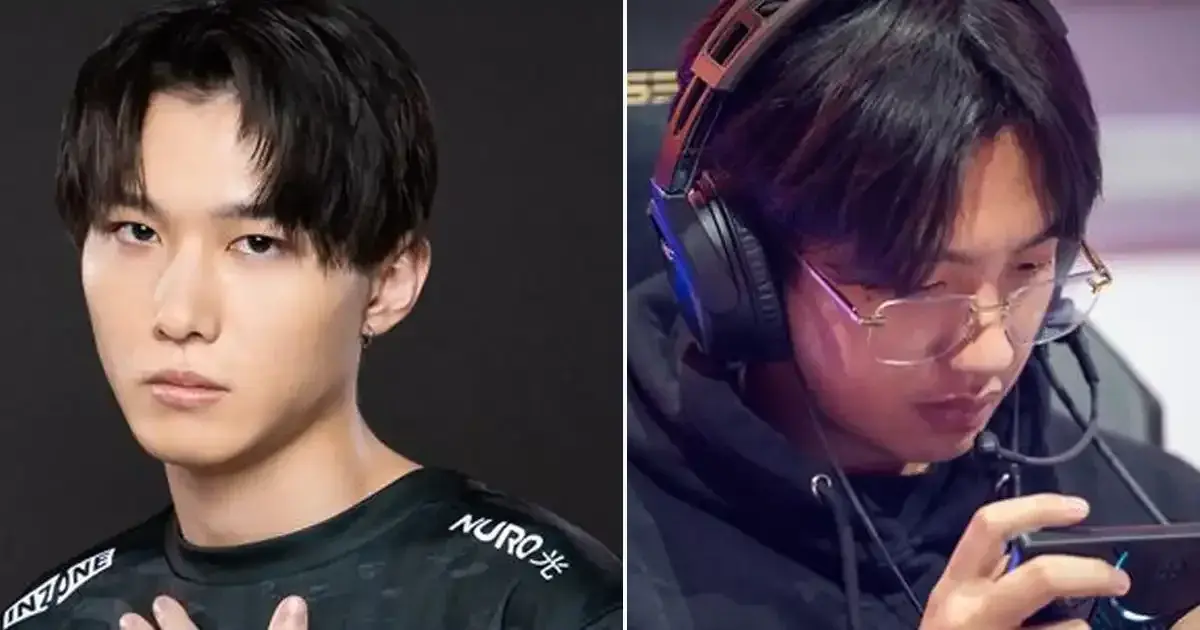
However, the pressure is now on the players. With the roster selection process becoming more rigid, the "chemistry" factor becomes the ultimate variable. A team comprised of four of the highest-rated players in a country may fail if they cannot integrate their playstyles under the pressure of a two-player-per-org constraint. We are likely to see a surge in demand for professional coaches capable of managing these temporary, high-pressure rosters in the coming weeks.
The Roster Drama: What to Watch For
As we approach the final roster reveals, the "roster drama" will likely center on the tension between meritocracy and chemistry.
For the Americas and EMEA, the most anticipated aspect of the next few weeks is the handling of the aforementioned "exemptions." Will major nations with high concentrations of talent, such as those with deep-rooted domestic scenes, be allowed to bypass the two-player cap? If so, the competitive balance could be thrown off. If not, we may see some surprising omissions of world-class players who simply didn’t fit into the "optimal" composition required by the new rules.
Furthermore, the inclusion of 24 teams suggests a wider, more inclusive tournament than previous years. This broadens the narrative scope, allowing for "Cinderella" stories from emerging regions to clash with the established powerhouses of the scene.
Conclusion: A Marquee Event in the Making
The PUBG Nations Cup 2025 is shaping up to be a definitive test of the developer’s new philosophy. By enforcing stricter rules on team composition and tying them directly to performance-based qualification, PUBG Esports is stripping away the randomness that once defined the event.
The goal is clear: to deliver a tournament that is as rigorous as it is entertaining. If the rules result in balanced, star-studded, and strategically diverse rosters, the PNC 2025 will cement itself as a cornerstone of the competitive year.
For the fans, the message is simple: keep your eyes on the results of the regional championships. The names you see climbing the leaderboards in the PEC and PAS today are the same ones who will be representing their flags in Seoul this July. The transition from club-based leagues to national-team glory has officially begun, and the structure is now in place to ensure that only the most deserving, and most cohesive, units survive the lobby.
As the industry continues to value visibility and consistent storytelling, the PUBG Nations Cup 2025 stands as a testament to the game’s endurance and its evolution into a more mature, structured, and professionalized competitive product. We aren’t just watching a game anymore; we are watching a global sport reach its maturity.











No comments yet. Be the first to join the conversation!