Azzam Bilal Chamdy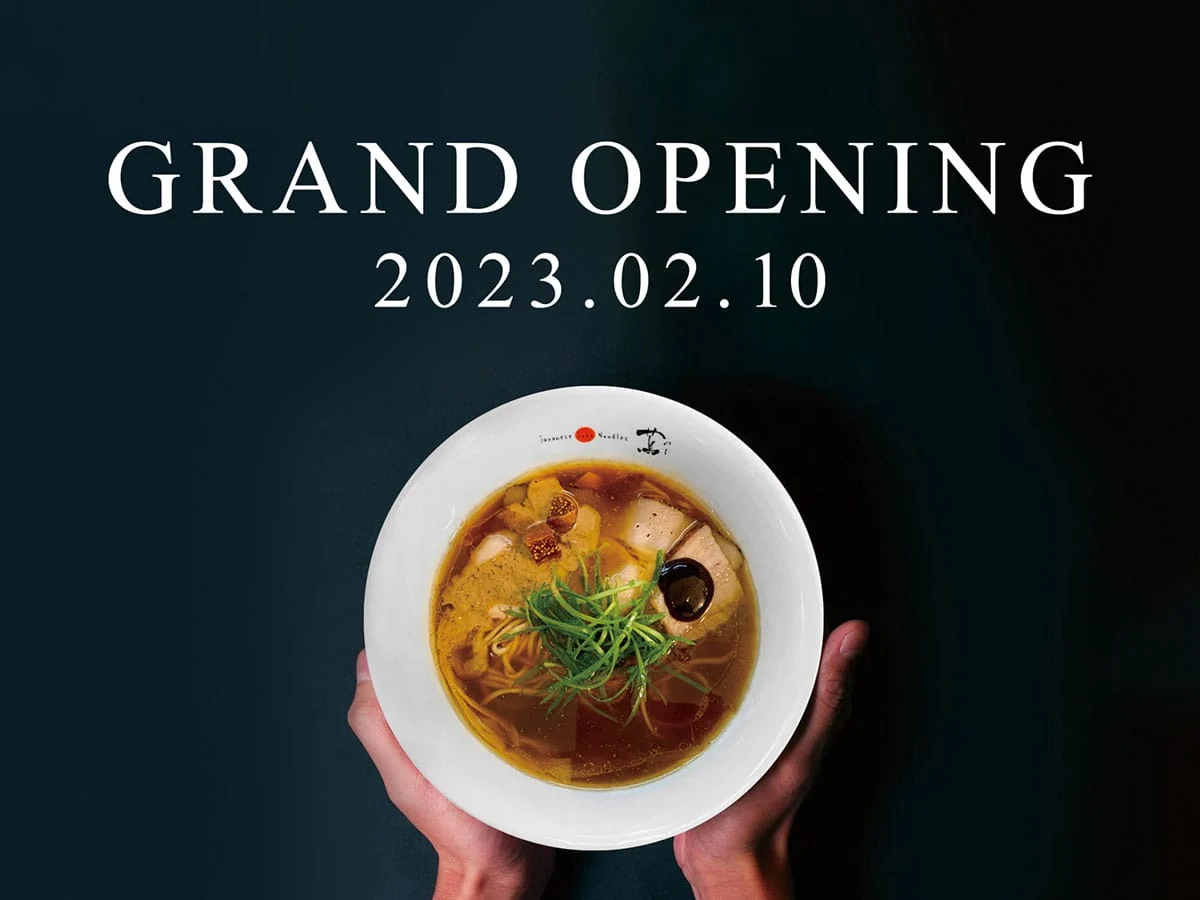
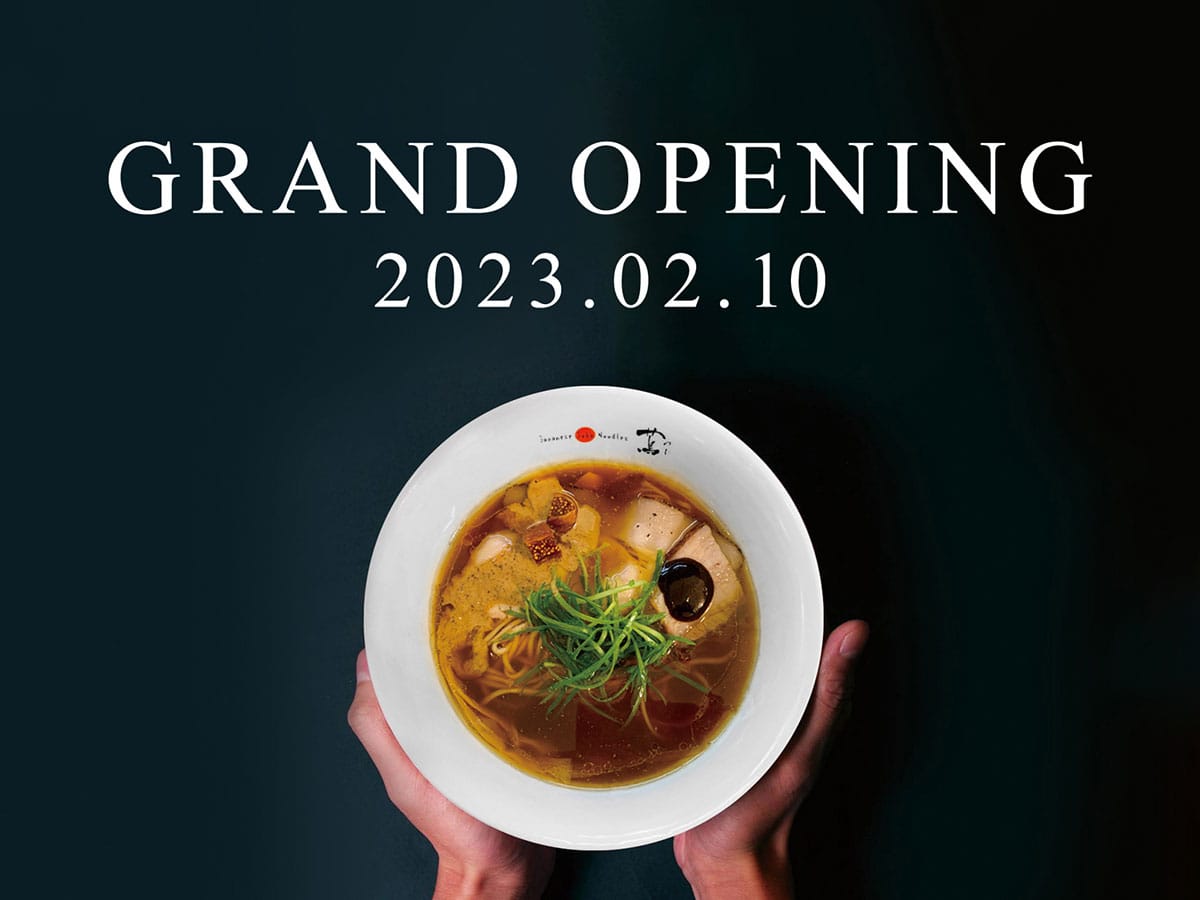
For the global culinary community, few names carry as much weight in the humble world of ramen as Japanese Soba Noodles Tsuta. After a period of profound uncertainty that left devotees of the world’s first Michelin-starred ramen shop in a state of suspense, the institution officially returned to the Tokyo dining landscape on February 10, 2023. Nestled in the stylish, tranquil neighborhood of Yoyogi-Uehara in Shibuya, the reopening marks not just a revival, but a reimagining of what a bowl of noodles can represent in the 21st century.
Main Facts: A New Chapter in Shibuya
The reopening of Tsuta is more than a mere business restart; it is a cultural event. Operated by Tsutanote, Inc., the restaurant has established itself as an ambassador for Japanese culinary craftsmanship. Following its closure in September 2022—a departure that was met with significant public speculation—the brand has returned with a revitalized mission.
The new location in Yoyogi-Uehara serves as a testament to the brand’s enduring legacy. By moving from its historical roots, the restaurant is signaling a shift toward a more modern, globalized aesthetic while maintaining the rigorous standards that earned it global acclaim. The core identity of the shop remains anchored in the philosophy of "unlimited possibilities," a mantra that drives its chef-driven approach to blending traditional Japanese umami with globally sourced, high-integrity ingredients.
Chronology: From Sugamo to Global Icon
To understand the weight of this reopening, one must look back at the trajectory of the brand.
- January 26, 2012: Tsuta opens its doors in Sugamo, Tokyo. From the outset, the shop aimed to elevate ramen from a "quick meal" to a refined dining experience, utilizing the term "Japanese Soba Noodles" to frame ramen as a sophisticated cousin to Japan’s historical noodle traditions.
- 2016: A watershed moment in culinary history. Tsuta becomes the first ramen establishment in the world to be awarded a Michelin star, shattering the perception that high-end gastronomy was reserved for French or Kaiseki dining.
- September 2022: The original shop closes its doors "for various reasons," leaving a void in the Tokyo ramen scene and sparking rumors about the future of the brand.
- February 10, 2023: After months of silence and preparation, Tsuta marks its official reopening in the Yoyogi-Uehara district, welcoming a new generation of patrons.
Supporting Data: The Philosophy of Chemical-Free Excellence
What sets Tsuta apart is not just its status, but its uncompromising commitment to ingredient purity. In an era where mass-produced additives are common, Tsuta has maintained a strict "chemical-free" policy. This is not merely a marketing claim but a logistical challenge that requires direct partnerships with local producers.
The restaurant’s approach involves:

- Sourcing Integrity: Every component, from the base stock (dashi) to the hand-pressed noodles, is curated for its natural flavor profile. By avoiding artificial flavor enhancers, the kitchen relies on the intrinsic umami of premium seafood, mushrooms, and rare soy sauces.
- Global Fusion: The "new" Tsuta menu continues the tradition of incorporating ingredients from outside Japan—such as truffle oil, balsamic vinegar, or specific varieties of European butter—to bridge the gap between traditional Japanese craft and global flavor palettes.
- The "Soba" Philosophy: By labeling their ramen as "Japanese Soba," the shop highlights the 100-year evolution of ramen within the context of Japan’s broader 1,000-year-old noodle history. It is an acknowledgment that while ramen is relatively "young," it has achieved a level of cultural depth that deserves the same respect as artisanal soba.
Official Responses and Culinary Vision
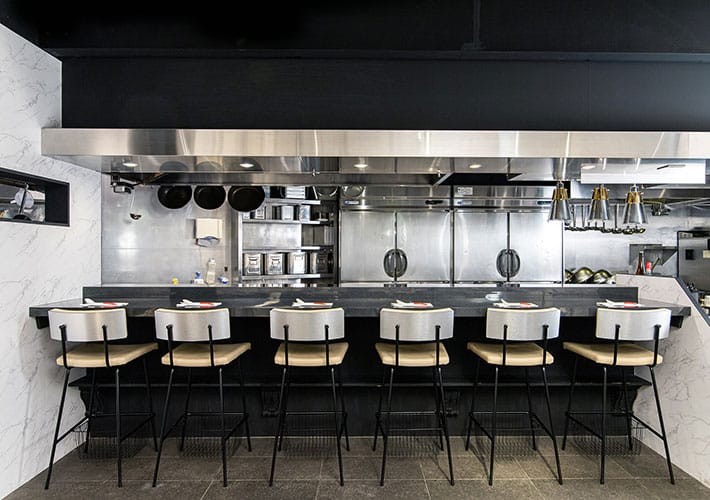
In the lead-up to the reopening, representatives from Tsutanote, Inc. emphasized that the move to Yoyogi-Uehara was a necessary step in the evolution of the brand. The vision for the new space was to create an environment that feels less like a traditional "ramen shop" and more like an intimate culinary studio.
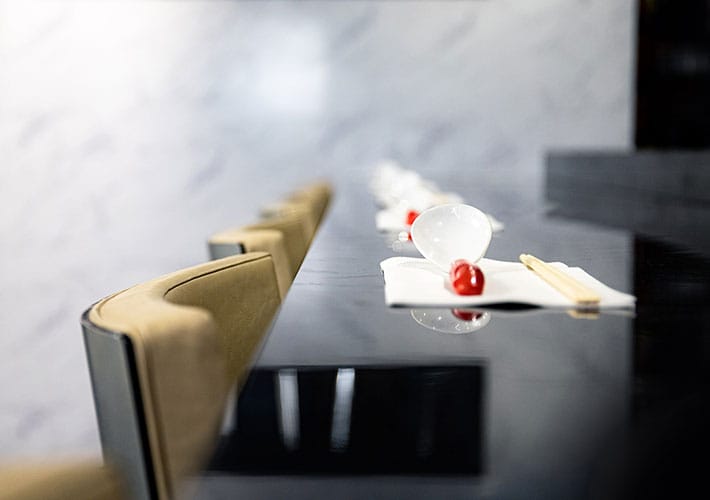
The design of the new location is unconventional, moving away from the cramped, high-turnover seating models common in Tokyo’s ramen alleyways. Instead, the layout prioritizes the comfort of the guest and the visibility of the kitchen, allowing the customer to witness the precision of the preparation. This "unconventional service" is a deliberate choice to align the dining experience with the high level of the food served in the bowl. The brand asserts that the "Tsuta experience" is not just about the taste, but about the atmosphere of creativity that surrounds the act of eating.
Implications: The Future of High-End Ramen
The return of Tsuta carries significant implications for the future of ramen as a global cuisine.
1. The Normalization of High-End Ramen
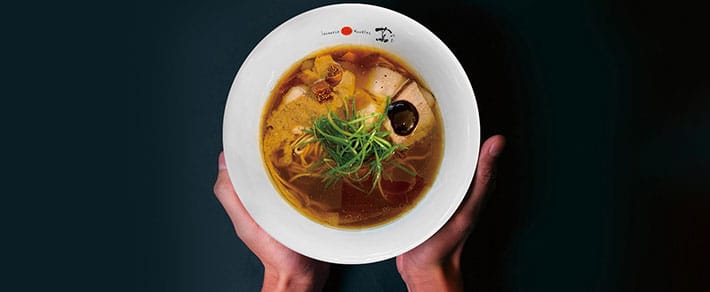
When Tsuta first won its Michelin star, it was an outlier. Today, it stands as the progenitor of a movement. Its success has encouraged other chefs to treat ramen as a canvas for fine dining, influencing culinary trends in major cities like New York, Paris, and London. By returning to the scene, Tsuta reminds the industry that ramen can sustain a "fine-dining" business model without sacrificing the soul of the dish.
2. Location as Strategy
The choice of Yoyogi-Uehara—a neighborhood known for its artistic community, small boutiques, and sophisticated cafes—rather than the more frantic tourist hubs, suggests that the brand is focusing on quality-over-quantity. This move implies that the "new" Tsuta is intended for the connoisseur, the person who travels across the city specifically for a bowl of noodles that challenges their perception of the dish.
3. Sustainability and Purity
The industry at large is facing pressure to become more transparent about food sources. Tsuta’s continued commitment to chemical-free ingredients provides a roadmap for other ramen shops to follow. By proving that one can reach the highest echelons of critical acclaim without resorting to synthetic flavor enhancers, they are setting a benchmark for the next generation of ramen chefs.
Conclusion: A Legacy Reborn
The story of Tsuta is one of resilience. The journey from a small, unassuming shop in Sugamo to a global standard-bearer for Japanese cuisine has been defined by a refusal to compromise. While the physical location has changed, the essence of the restaurant—the delicate balance of dashi, the perfect texture of the noodles, and the avant-garde spirit of the chef—remains intact.
For those planning to visit, the experience promises to be a reflection of the past decade’s growth. It is a fusion of the old and the new, the traditional and the experimental. As the doors remain open in Yoyogi-Uehara, Tsuta continues to prove that ramen is not just a dish, but a culinary language—one that, in the right hands, can tell a story of innovation, heritage, and the relentless pursuit of perfection.
The grand reopening of Tsuta is a reminder that the most significant stories in food are often found in the simplest of ingredients, provided there is a master at the helm. Whether you are a seasoned ramen aficionado or a curious traveler, the new Tsuta awaits, ready to redefine your expectations one bowl at a time.
Shop Information (Reference Only):
- Establishment: Japanese Soba Noodles Tsuta
- Location: Yoyogi-Uehara, Shibuya Ward, Tokyo, Japan
- Reopening Date: February 10, 2023
- Specialty: Chemical-free, Michelin-starred ramen with global fusion influences.
- Operations: Managed by Tsutanote, Inc.
Reported by the grape Japan editorial staff.


 Neng Nana
 Asro
Asro