

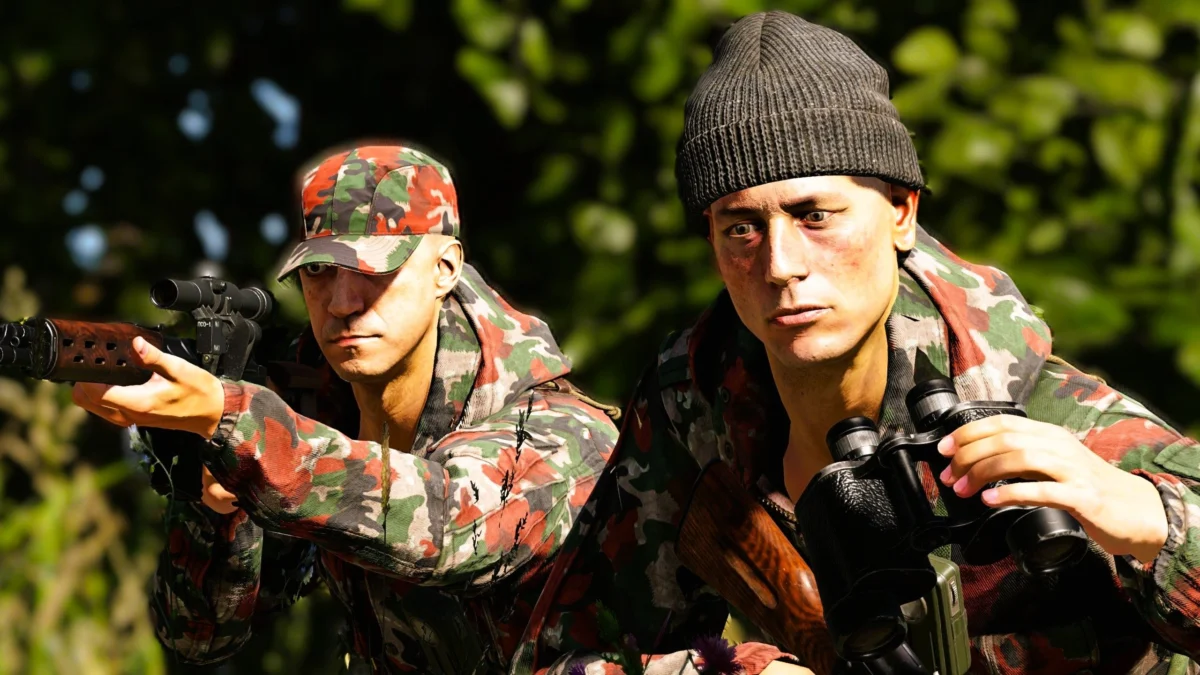
The geopolitical landscape of ARMA Reforger has been irrevocably altered. Following months of fervent community requests and rigorous testing within the game’s experimental branch, Bohemia Interactive has officially deployed Update 1.7. While the patch notes highlight a variety of technical refinements and quality-of-life improvements, the true headline is the long-awaited integration of the Freedom and Independence Army (FIA) as a fully playable, player-controlled faction.
Since the inception of the series in the early 2000s, the FIA has served as the quintessential partisan force—a group of ragtag insurgents fighting for their sovereignty against the crushing weight of Cold War superpowers. However, the introduction of human-controlled FIA units has transformed these "freedom fighters" from predictable AI placeholders into a wildcard force that has fundamentally shifted the meta-game, leading to a surge in emergent gameplay, illicit arms dealing, and complex political maneuvering across the islands.
A Chronology of the Insurgent Evolution
The journey to this update was not a short one. The ARMA community has long clamored for a departure from the binary conflict between the United States and the Soviet Union.
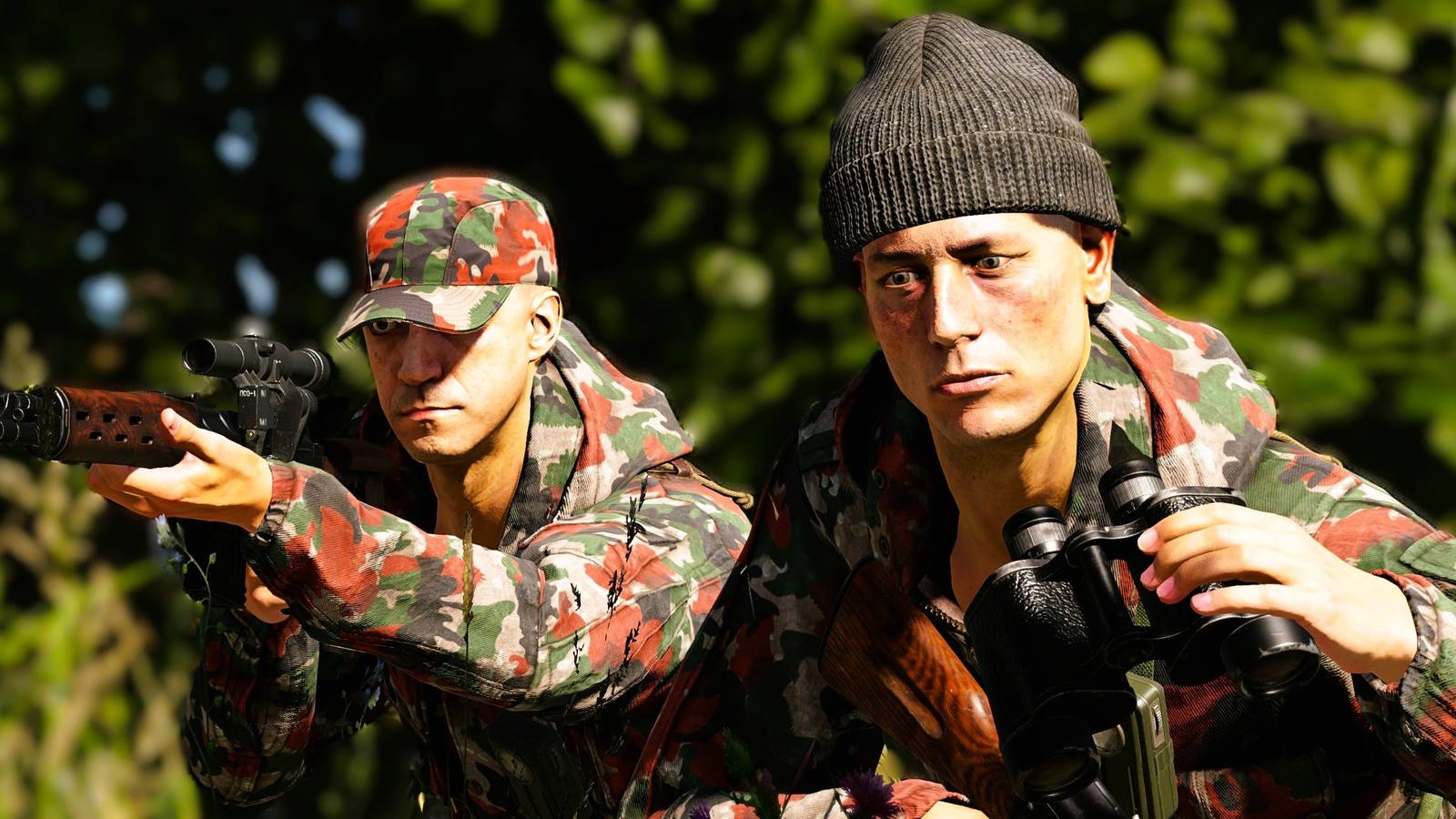
- Pre-1.7 Era: The FIA existed primarily as a static, AI-governed nuisance or a third-party environmental hazard. Their behavior was scripted, predictable, and ultimately limited in its impact on the grand strategy of a server match.
- The Experimental Phase: In early 2026, Bohemia Interactive opened the experimental servers to test player-controlled FIA units. Early reports from these sessions suggested that the inclusion of a third human-led faction would create a "chaos factor," preventing the stalemates that often occurred when US and Soviet forces locked into static frontlines.
- The Launch of 1.7: Released on May 29, 2026, the update officially brought the FIA into the fold. Players now have the agency to coordinate partisan strikes, manage logistics, and—most controversially—negotiate with the very armies they were supposedly created to oppose.
The Shift from Partisans to Power Brokers
The most significant implication of Update 1.7 is the human element. Previously, the FIA was a "formulaic" entity. Whether it was a coordinated squad of snipers or a light infantry push, the AI’s decision-making process was governed by fixed parameters. Now, the FIA is defined by the unpredictability of human intent.
Commanders of FIA units are no longer bound by the rigid logic of the Cold War. Instead, they are operating under the pressures of a resource-starved environment. Because the FIA lacks the massive logistical pipelines enjoyed by the US and Soviet forces, they are forced to innovate. In many cases, this innovation has manifested as blatant corruption.
Observers have noted that the "blood-and-soil" ideology of the resistance is frequently being traded for modern hardware. The phenomenon of the "arms-dealing rebel" has become a staple of post-update gameplay, where the FIA acts as a mercenary entity, trading tactical favors for access to M16A2 rifles, grenade launchers, and heavy ordnance.

Data and Observations: The Economics of Conflict
The internal economy of ARMA Reforger matches has shifted toward a barter-based system. According to player reports and field correspondence, the following trends have emerged:
- The "Marriage of Convenience": It is now common to see an FIA squad and a US platoon pause hostilities to jointly assault a Soviet-held objective. Once the point is neutralized, the truce evaporates, and the factions return to their status as enemies.
- Mercenary Diversion Tactics: Tactical commanders have begun "outsourcing" their maneuvers. A Soviet commander, for example, might provide a stash of ammunition to an FIA unit in exchange for a diversionary attack on an American flank. This allows the primary force to maintain the element of surprise while the rebels take the brunt of the defensive fire.
- The Black Market Supply Chain: The shortage of high-grade weaponry among the FIA has created a high-demand market. Vehicles, particularly those with mounted heavy weaponry like the .50 cal Humvee, are often used as bargaining chips. Instances have been documented where entire armored assets were "gifted" to rebels in exchange for intel or a temporary cessation of insurgent raids.
Official Responses and Developer Intent
Bohemia Interactive has remained relatively quiet on the moral implications of this emergent behavior, focusing instead on the technical success of the update. The official patch notes emphasize the, "expansion of faction dynamics" and the, "increased complexity of theater-wide operations."
In community forums and developer diaries, the team has expressed satisfaction with the "chaos" introduced by the update. The development team’s goal was to break the stagnation of the base game, and by all metrics, they have succeeded. By providing the tools for players to act as insurgents, they have inadvertently created a sandbox where the rules of war are determined by the highest bidder.
Implications for the Future of ARMA Reforger
The introduction of the FIA as a playable faction is not just a content update; it is a stress test for the social contract of the ARMA player base. The existence of these "sellout" factions raises a fundamental question: Is the goal of the game to win the war, or is it to survive long enough to become the most powerful warlord on the island?
The Erosion of Ideology
While the FIA is supposed to be the moral heart of the Reforger conflict, the current reality shows a rapid erosion of that identity. When a player is faced with the choice between a noble death and a profitable deal, the data suggests that the latter is becoming increasingly common. This shift poses a challenge for community servers that pride themselves on "mil-sim" (military simulation) authenticity. If players cannot trust their comrades—or their supposed allies—the entire structure of the game becomes volatile.
The "Tactical Barbie" Effect
A primary driver of this corruption is the community’s obsession with gear. ARMA players—often jokingly referred to as "tactical Barbies"—possess a near-insatiable desire for high-tier equipment. The FIA, by nature of their role, are often under-equipped. When these players finally get their hands on a faction that can be molded, they use the FIA’s status as a "rebel force" to justify engaging in illicit trade. They are not just playing a soldier; they are playing a merchant of death.
Conclusion: A New Frontier of Warfare
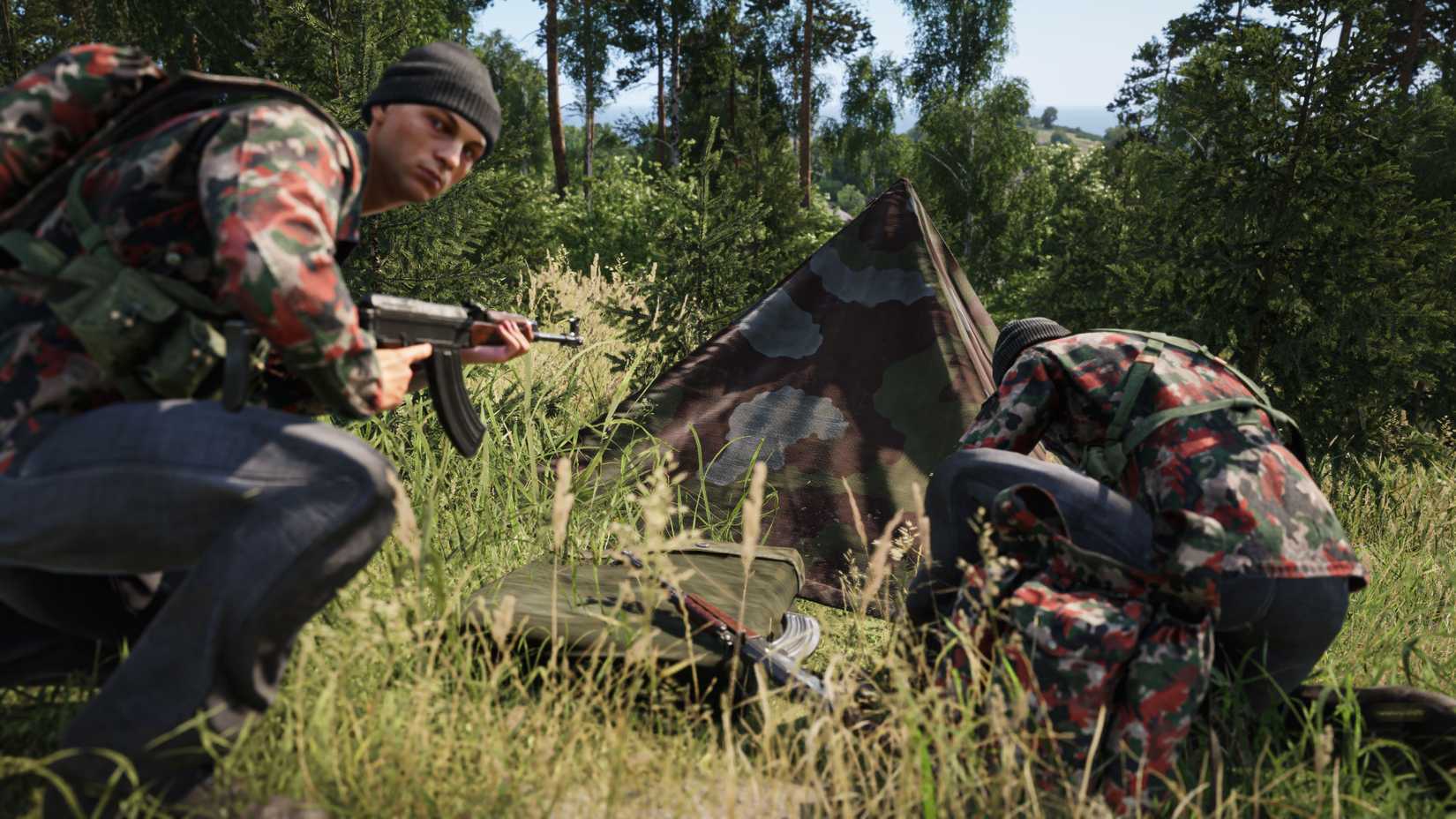
Update 1.7 has succeeded in its primary objective: it has made ARMA Reforger more dynamic, unpredictable, and challenging. However, it has also stripped away the thin veneer of righteous conflict. The FIA is no longer just a collection of freedom fighters; they are now a central component of a complex, dirty, and deeply human web of corruption.
For those heading into the fray, the message is clear: trust no one. The soldier in the woods wearing an FIA patch might be a hero fighting for his land, or he might be a merchant looking to trade your location to the enemy for a crate of rockets. The islands of Reforger have always been dangerous, but now, the danger is as much about the politics in your pocket as it is about the bullets in your magazine.
As we look toward future updates, one must wonder if the developers will implement systems to curb this corruption, or if they will continue to lean into the chaos. Regardless, the landscape of ARMA Reforger has been permanently altered, and the era of the warlord has officially begun. Players are encouraged to review the full patch notes and exercise extreme caution when approaching any "friendly" rebels in the field—their loyalty is now officially for sale.











No comments yet. Be the first to join the conversation!