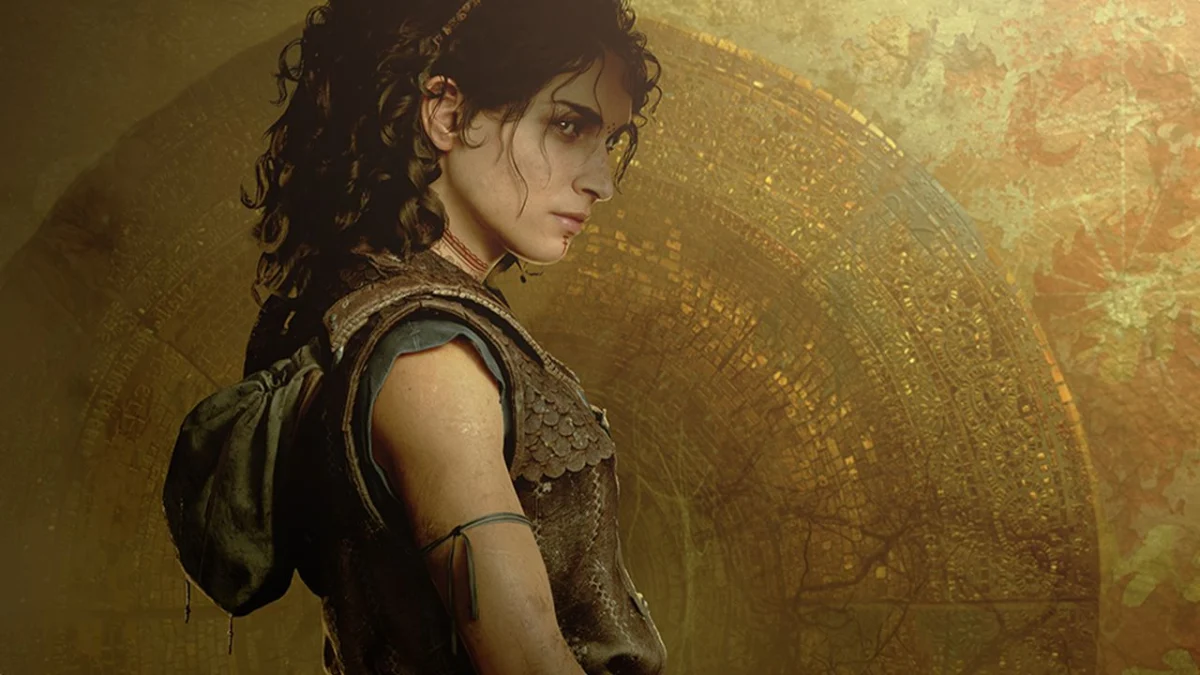
The Verdict: A New High-Water Mark for Asobo Studio
Beautiful, creative, and consistently unsettling, Resonance: A Plague Tale Legacy does more than merely continue a beloved franchise; it redefines it. By daring to introduce combat into a series defined by vulnerability and stealth, developer Asobo Studio has taken a significant creative risk. The result is not just one of the year’s best games, but a triumphant evolution that proves the Plague Tale DNA is robust enough to survive—and thrive—in new territory.
Main Facts: A Bold Prequel
- Resonance: A Plague Tale Legacy
- Developer: Asobo Studio
- Publisher: Focus Entertainment
- Release Date: August 27
- Platforms: PlayStation 5, Xbox Series X/S, PC
- Core Experience: A narrative-driven action-adventure title that serves as a prequel to the critically acclaimed Innocence and Requiem.
The game shifts the focus from the de Rune siblings to Sophia, the pirate captain introduced in Requiem. Set against the backdrop of an ancient, mysterious Minoan island, Resonance bridges the gap between traditional stealth-puzzle gameplay and a more tactile, action-oriented approach.
Chronology and Narrative Arc
The story follows Sophia on a journey to uncover the truth of her past, a quest that eventually leads her to the fabled island of the Minotaur. Initially, the tone is one of adventure and discovery. Playing as a protagonist with more "swagger" and combat proficiency than Amicia de Rune creates a refreshing, almost carefree atmosphere in the opening chapters.
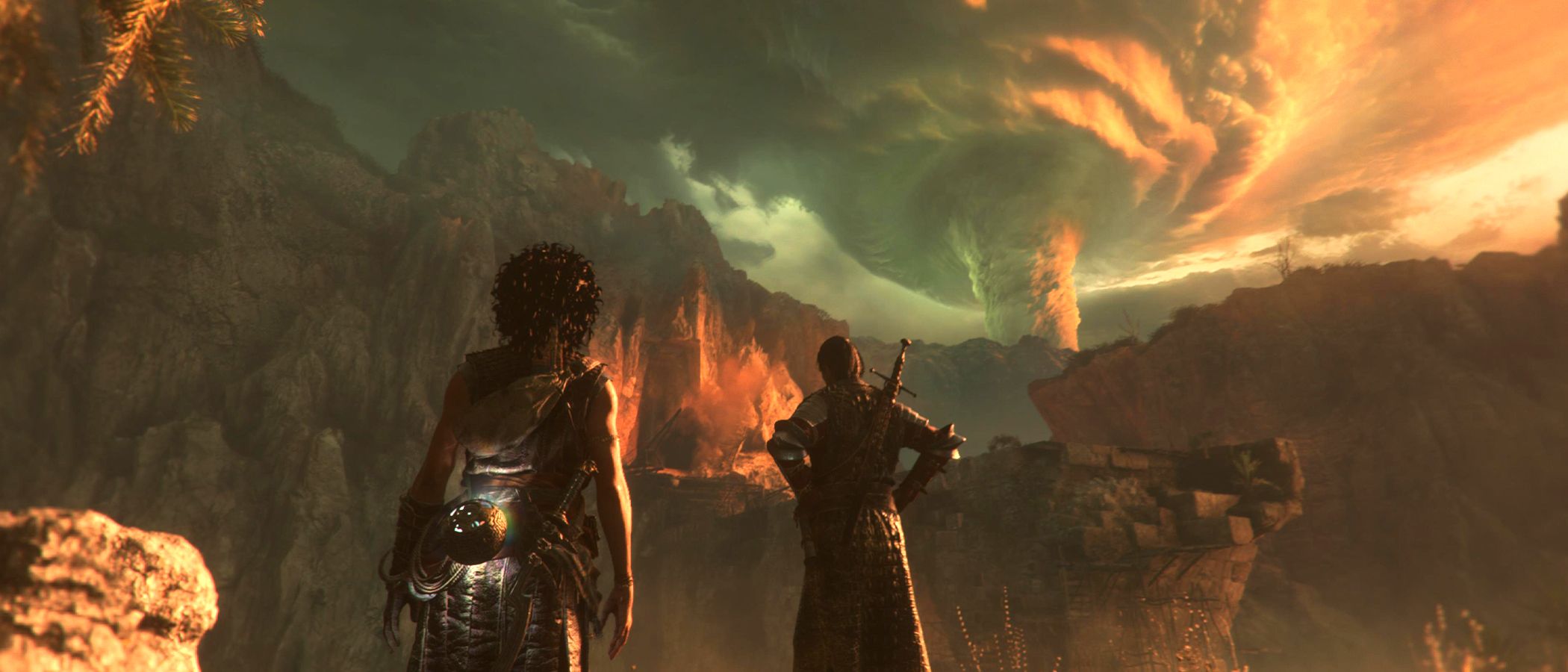
However, as is the hallmark of the Plague Tale series, this levity is a slow-burn illusion. As Sophia delves deeper into the island’s catacombs, the narrative takes a dark turn. The "visions" of the ancient hero Theseus serve as a bridge between eras, showing that the Macula—the supernatural blood infestation—has plagued the world far longer than previously thought. The game’s emotional core remains anchored in the consequences of power, as Sophia realizes that her blade is an insufficient tool against the eldritch horrors lurking beneath the island’s sun-drenched ruins.
Combat and Gameplay Mechanics: A Calculated Risk
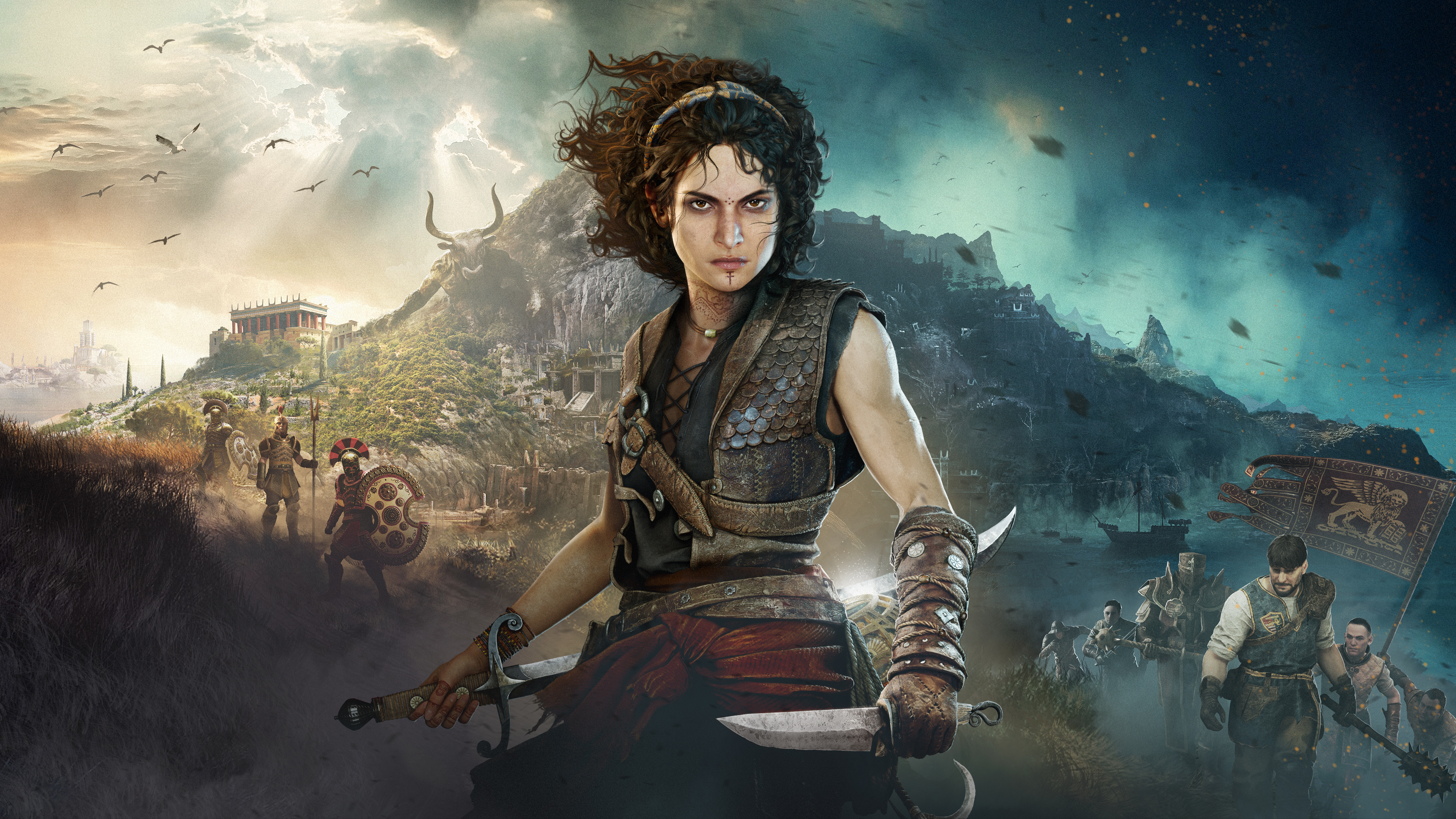
When it was announced that Resonance would feature full-scale sword combat, many fans feared the series would lose its identity. The concern was that the game would devolve into a "14th-century God of War," losing the tension that made the previous entries so unique.
The Combat System
While the swordplay is functional, it is intentionally kept secondary to the core experience. Sophia’s moveset includes parries, dodges, and environmental interactions, such as kicking foes off cliffs or into traps. It is a system built for balance rather than complexity. The upgrade tree, which allows for advanced maneuvers like double kicks or specialized weapon buffs, serves to make the player feel more capable without transforming the game into a pure action title.
The Return to Stealth
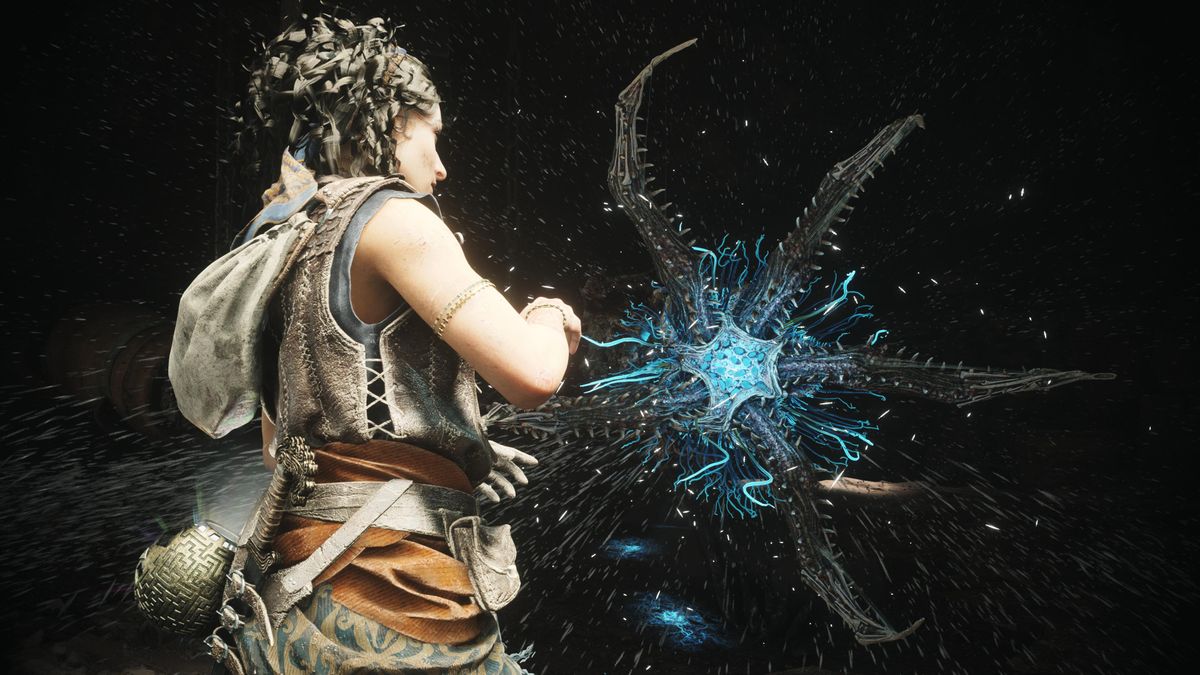
Crucially, Asobo never allows the combat to overshadow the stealth-puzzle foundation. When the game aims to truly terrorize the player, it strips away the weaponry. The introduction of the "dust-tracking" mechanic is a stroke of genius. A new, worm-like creature tracks Sophia by the fluorescent dust she kicks up while moving. This turns every traversal sequence into a high-stakes puzzle of light, shadow, and movement. The player must choose between speed and silence, creating a palpable, claustrophobic dread that mirrors the rat swarms of previous titles.
Supporting Data and Technical Execution
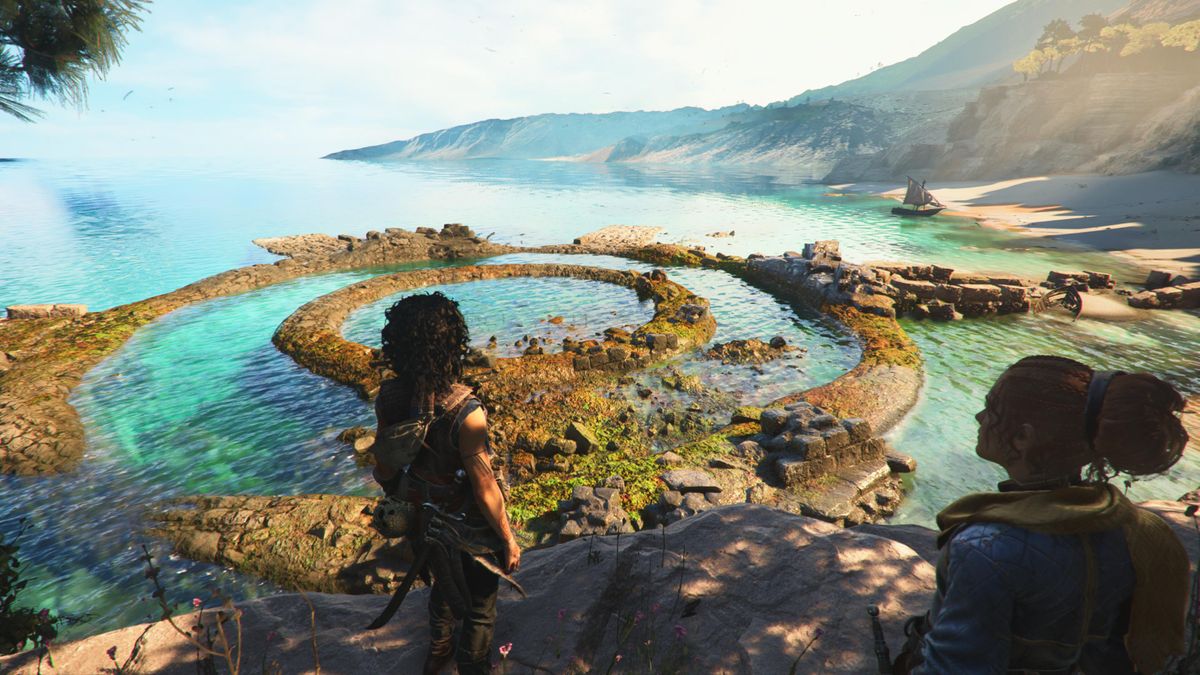
The visual and auditory design of Resonance stands as a benchmark for the current generation of hardware. The transition from the brilliant blue skies of the Mediterranean coast to the rotting, Macula-infested depths of the catacombs is a masterclass in environmental storytelling.
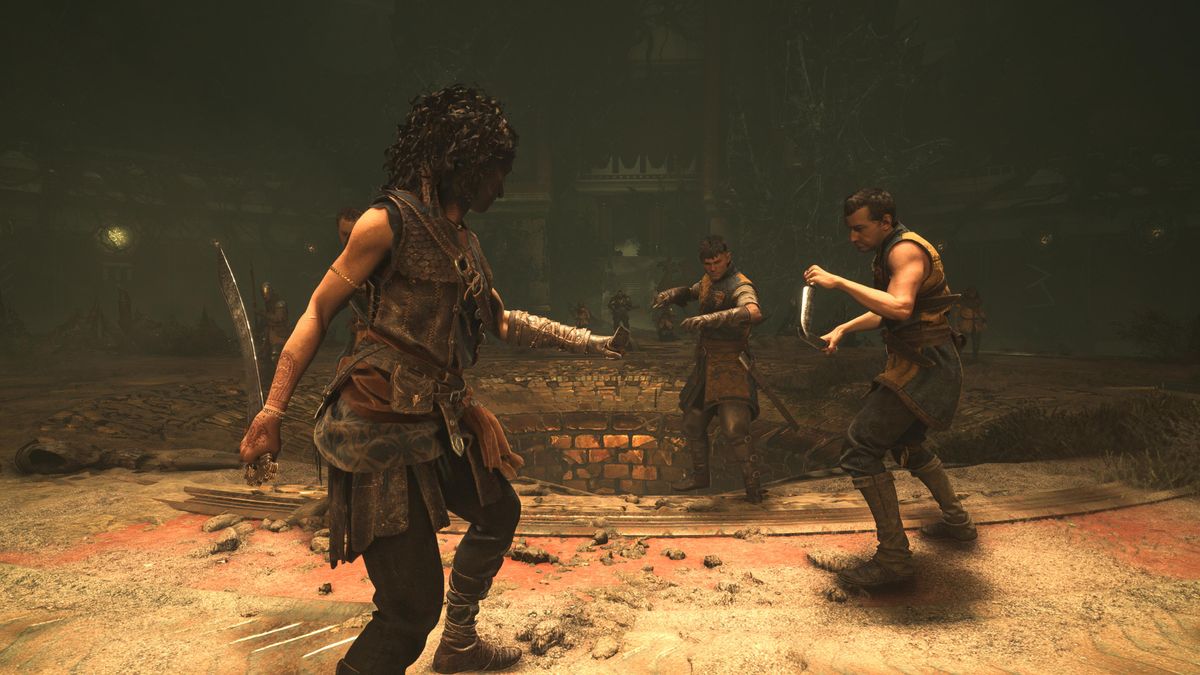
- Environmental Design: The island of Minoa is a character in itself. The contrast between the pristine, ancient architecture and the organic, pulsating decay of the Macula creates a visual dissonance that feels genuinely disturbing.
- The "Dust" Mechanic: Technically, the way the game renders the dust being sucked away by the approaching monster—coordinated with the creature’s rhythmic, heavy breathing—is one of the most immersive horror mechanics in recent memory.
- Puzzle Integration: The use of the ancient golden sphere to manipulate light remains the thematic glue of the experience. These puzzles, while not punishingly difficult, serve to deepen the lore and maintain the series’ signature connection between light, survival, and salvation.
Official Perspective and Design Philosophy
Asobo Studio has stated that the goal for Resonance was to expand the "language" of the Plague Tale universe. In an interview, representatives from the development team noted that they wanted to provide players with more agency in how they deal with the encroaching darkness, while ensuring that the "helplessness" that defines the series remains intact.
The studio’s decision to keep combat "basic" compared to high-octane action games was a deliberate choice to ensure the narrative, rather than the power fantasy, remained the primary driver of the experience. By forcing the player to confront the limits of violence, the developers have stayed true to the series’ somber, heartfelt core.
Implications: The Future of the Franchise
Resonance is, without question, the strongest entry in the series. It proves that a franchise does not need to remain static to be effective. By introducing a new protagonist and a new set of stakes, Asobo has successfully broadened the scope of the Plague Tale universe.
Key Takeaways for the Future:
- Narrative Versatility: The success of Resonance suggests that the Plague Tale universe can sustain multiple stories across different time periods and protagonists.
- Mechanic Evolution: The game shows that light-based puzzles and stealth can evolve alongside combat, rather than being replaced by it.
- The "Plague Tale" Signature: The game reaffirms that as long as the series maintains its focus on emotional depth, atmospheric tension, and the terrifying, beautiful intersection of history and supernatural horror, it will continue to resonate with its audience.
In conclusion, Resonance: A Plague Tale Legacy is a triumph of design. It is a game that respects its past while confidently stepping into the future. For those who feared that the addition of a sword would ruin the experience, rest assured: the heart of the series is not only intact, it is beating stronger than ever. Asobo Studio has not only created a stellar prequel; they have opened the door to a much larger, stranger, and more intriguing world for us to explore in the years to come.