

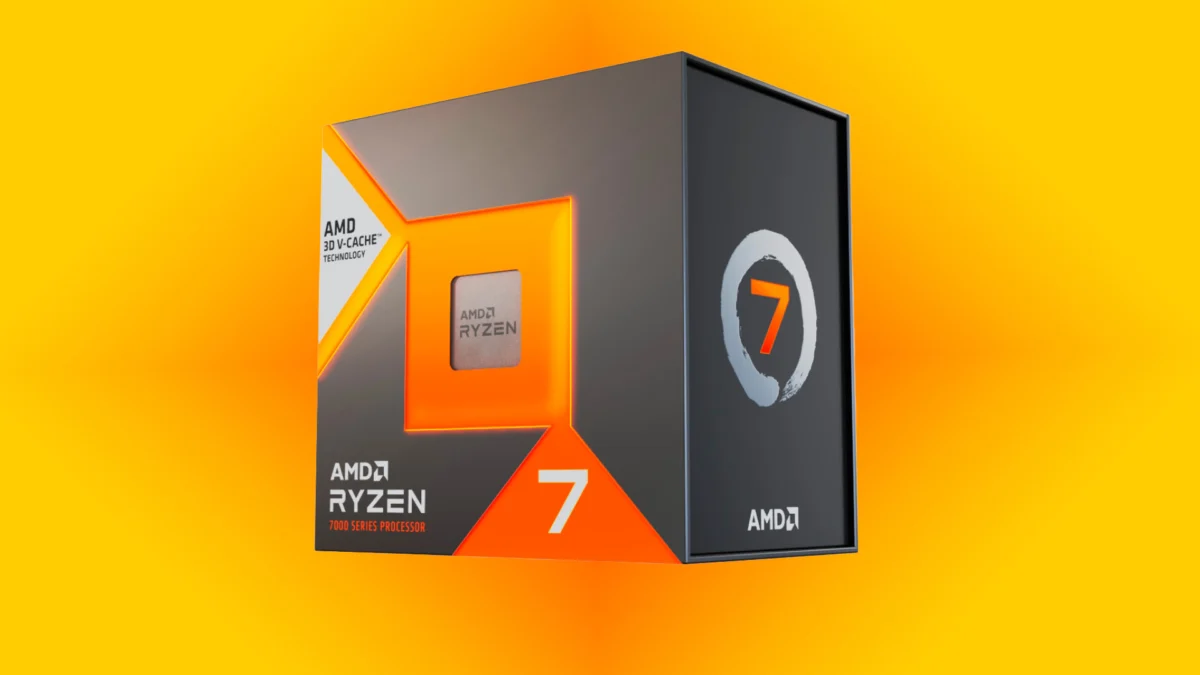
In the high-stakes arena of desktop computing, AMD has carved out a formidable reputation by leveraging its proprietary 3D V-Cache technology to dominate the gaming CPU market. While the Ryzen 7 7800X3D has long been heralded as the "gold standard" for gamers, reports from reputable industry leakers suggest that AMD is preparing to broaden its reach. New information indicates the company is readying the Ryzen 7 7700X3D, a processor designed to bring the signature performance benefits of stacked cache memory to a more accessible price point.
By repurposing high-quality silicon into a lower-binned, highly efficient gaming chip, AMD appears to be doubling down on its commitment to maintaining market leadership. This strategic move, while not yet officially confirmed, could reshape the mid-range landscape for PC builders looking to squeeze maximum frames out of their systems without the premium cost associated with flagship hardware.
Main Facts: The Emergence of the Ryzen 7 7700X3D
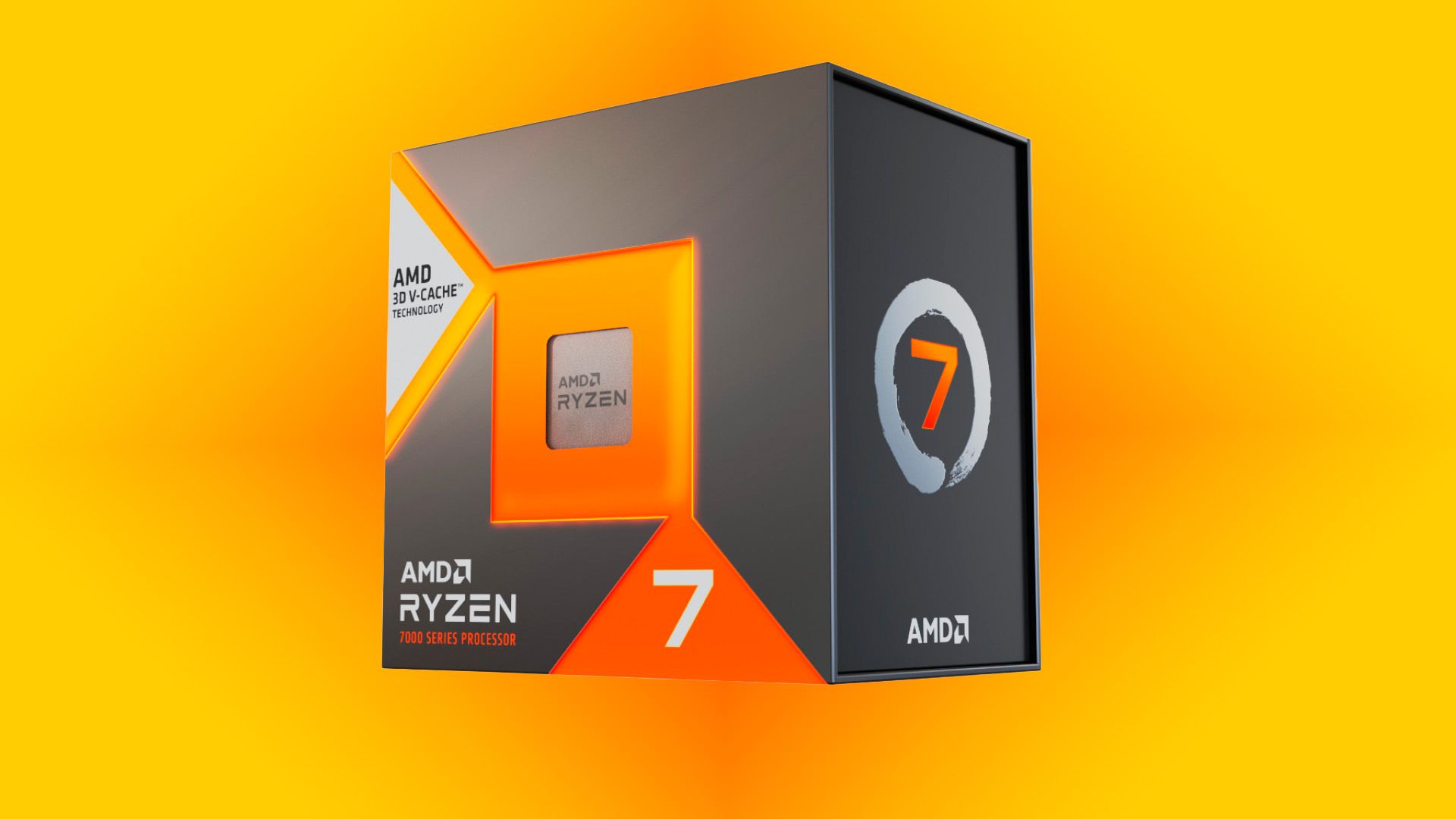
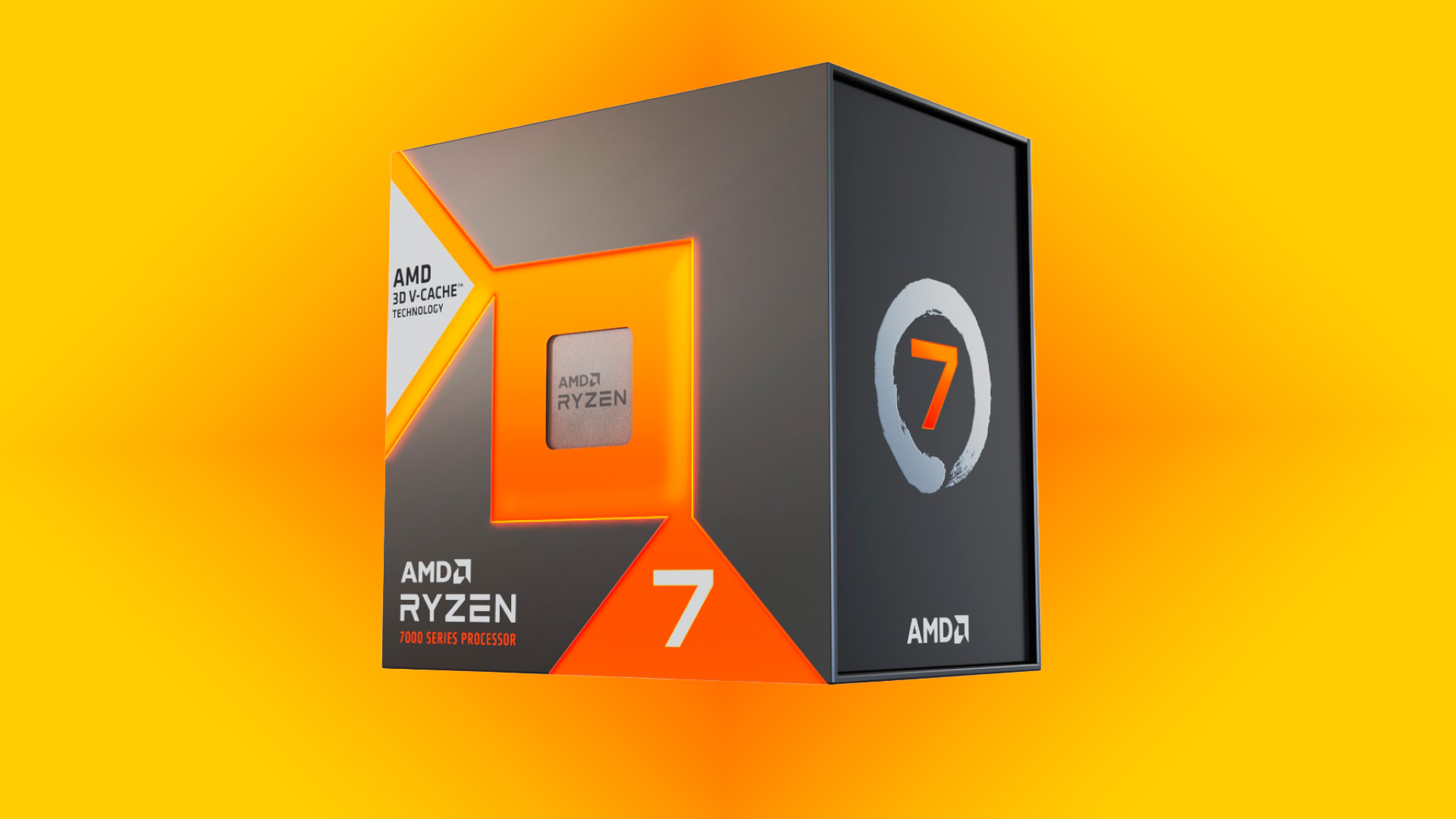
The core narrative surrounding the rumored Ryzen 7 7700X3D is one of strategic segmentation. According to hardware leaker chi11eddog, AMD is positioning this processor as a slightly toned-down version of the acclaimed 7800X3D. While the silicon lineage remains largely identical, the 7700X3D is expected to feature refined clock speeds that allow it to fit into a more competitive price bracket.
Key Technical Specifications (Rumored)
- Architecture: Zen 4 (with 3D V-Cache)
- Core/Thread Count: 8 Cores / 16 Threads
- Base Clock: 4.0 GHz (vs 4.2 GHz on the 7800X3D)
- Boost Clock: 4.5 GHz (vs 5.0 GHz on the 7800X3D)
- L3 Cache: 96 MB
- TDP: 120W
The primary differentiator here is the clock speed. By lowering the base and boost frequencies, AMD is likely utilizing silicon that didn’t quite make the cut for the 7800X3D binning process, effectively turning what might have been discarded waste into a highly capable gaming product. This is a common and highly effective practice in the semiconductor industry, allowing manufacturers to maximize yields and reduce environmental and financial overhead.
Chronology: The Evolution of 3D V-Cache
To understand the significance of the potential 7700X3D launch, one must look at the trajectory of AMD’s 3D V-Cache technology over the past several years.
The Dawn of V-Cache (2022)
AMD introduced the concept of vertical cache stacking with the Ryzen 7 5800X3D. It was a revolutionary moment in PC hardware, proving that increasing cache size—rather than just frequency—could provide massive performance gains in gaming, effectively extending the lifespan of the AM4 platform.
The Ryzen 7000 Series Expansion (2023)
In 2023, AMD brought this technology to the AM5 platform with the Ryzen 7 7800X3D and its higher-tier counterparts, the 7900X3D and 7950X3D. The 7800X3D, in particular, became the darling of the enthusiast community, offering unmatched gaming efficiency and frame rates.
The Current Landscape (2024 and Beyond)
As the Ryzen 7000 series matures, the market has seen increased volatility, particularly concerning the cost of DDR5 memory. While performance has remained top-tier, the barrier to entry for the AM5 platform has been high. The emergence of the 7700X3D suggests that AMD is looking to lower that barrier, potentially preparing the market for future shifts in competitive pricing against Intel’s latest offerings.
Supporting Data: Why Clock Speed Isn’t Everything
A common misconception among PC enthusiasts is that higher clock speeds always correlate linearly with better gaming performance. In reality, the "gaming gold" that AMD has discovered lies in the L3 cache.
The Cache Advantage
Modern games are increasingly sensitive to latency. When a CPU has to pull data from system RAM, it incurs a latency penalty. By keeping more data on the processor die via 3D V-Cache, the CPU spends less time waiting for memory and more time rendering frames.
The Ryzen 7 7700X3D will retain the same 96MB of L3 cache found in the 7800X3D. Consequently, while the 500 MHz deficit in boost clock speed might result in slightly lower synthetic benchmark scores (such as in productivity tasks or file compression), the real-world impact in gaming will likely be negligible for the vast majority of titles. For a gamer playing at 1440p or 4K, where the GPU is often the bottleneck, the 7700X3D will likely offer performance indistinguishable from its more expensive sibling.
Thermal Considerations
The 120W TDP remains consistent across the stack. While the 7700X3D may technically run slightly cooler due to the lower clock frequencies, it will still require robust cooling solutions. AMD’s recommendation for high-quality liquid cooling remains in place, emphasizing that these chips are still performance-oriented hardware that demands proper thermal management to maintain peak performance under load.
Official Responses and Market Positioning
As of this writing, AMD has maintained a policy of silence regarding the 7700X3D. This is standard corporate procedure; companies rarely comment on unreleased hardware until the official launch window is imminent. However, industry analysts note that if the 7700X3D is indeed restricted to specific regions or limited to OEM (Original Equipment Manufacturer) partners—such as pre-built gaming PC manufacturers—it would be a defensive move to ensure that system integrators have a compelling product to sell without cannibalizing the retail sales of the 7800X3D.
If the chip receives a general retail launch, it would signal that AMD is ready to fight a price war in the mid-range segment. Given that the 7800X3D has already seen price reductions since its initial $449 MSRP, the 7700X3D would need to land at an aggressive price point—likely under $350—to be truly disruptive.
Implications: A New Chapter for PC Builders
The potential arrival of the Ryzen 7 7700X3D carries several profound implications for the PC hardware market.
1. The AM5 Upgrade Path
For those who have already invested in an AM5 motherboard, the 7700X3D represents a low-friction, high-reward upgrade. It allows users on older 7000-series non-X3D chips to jump into the world of 3D V-Cache without the cost of the flagship 7800X3D.
2. The DDR5 Conundrum
The elephant in the room remains the cost of DDR5 memory. While AMD is doing its part by offering more accessible CPU options, the overall system cost is still heavily influenced by RAM pricing. If the 7700X3D is to be a "mass-market" success, it will need to exist in a market where memory prices are stabilizing. Currently, the industry is seeing fluctuations that make long-term planning difficult for consumers.
3. Sustainability and Silicon Recycling
From an environmental and manufacturing standpoint, the 7700X3D is a triumph of circular engineering. Instead of discarding chips that cannot hit the high-frequency targets required for the 7800X3D, AMD is refining them for lower-power, lower-heat applications. This ensures that fewer silicon wafers are wasted, contributing to a more sustainable production lifecycle.
4. Competitive Dynamics
Intel is continuously pushing its own hybrid-architecture CPUs. By fielding a wider range of X3D processors, AMD is effectively creating a "buffer zone" in the market. No matter what price point an Intel competitor hits, AMD will likely have an X3D chip ready to provide a superior gaming experience at that specific cost, essentially cornering the market on gaming performance-per-dollar.
Conclusion: Is the 7700X3D Worth the Wait?
For the average gamer, the prospect of a 7700X3D is an exciting development. It represents the democratization of enthusiast-grade technology. While it may not offer the absolute peak performance of the 7800X3D, its value proposition could be unmatched.
If you are currently running a Ryzen 5000-series system or an entry-level AM5 chip, the 7700X3D may prove to be the "sweet spot" upgrade that carries your gaming rig through the next several years of demanding titles. As we wait for official confirmation, the rumors surrounding this chip serve as a reminder that AMD is far from finished with the Zen 4 architecture, and that the best way to maintain dominance in the gaming market is to give the people exactly what they want: high-performance silicon at a price that doesn’t break the bank.
Whether this chip hits store shelves or remains an OEM exclusive, its mere existence confirms one thing: AMD is not resting on its laurels. The competition in the CPU space has never been fiercer, and for the consumer, that is the best possible outcome. Keep an eye on official announcements in the coming months, as the landscape for mid-range gaming builds is poised for a significant shake-up.










No comments yet. Be the first to join the conversation!