Layla Zulfa
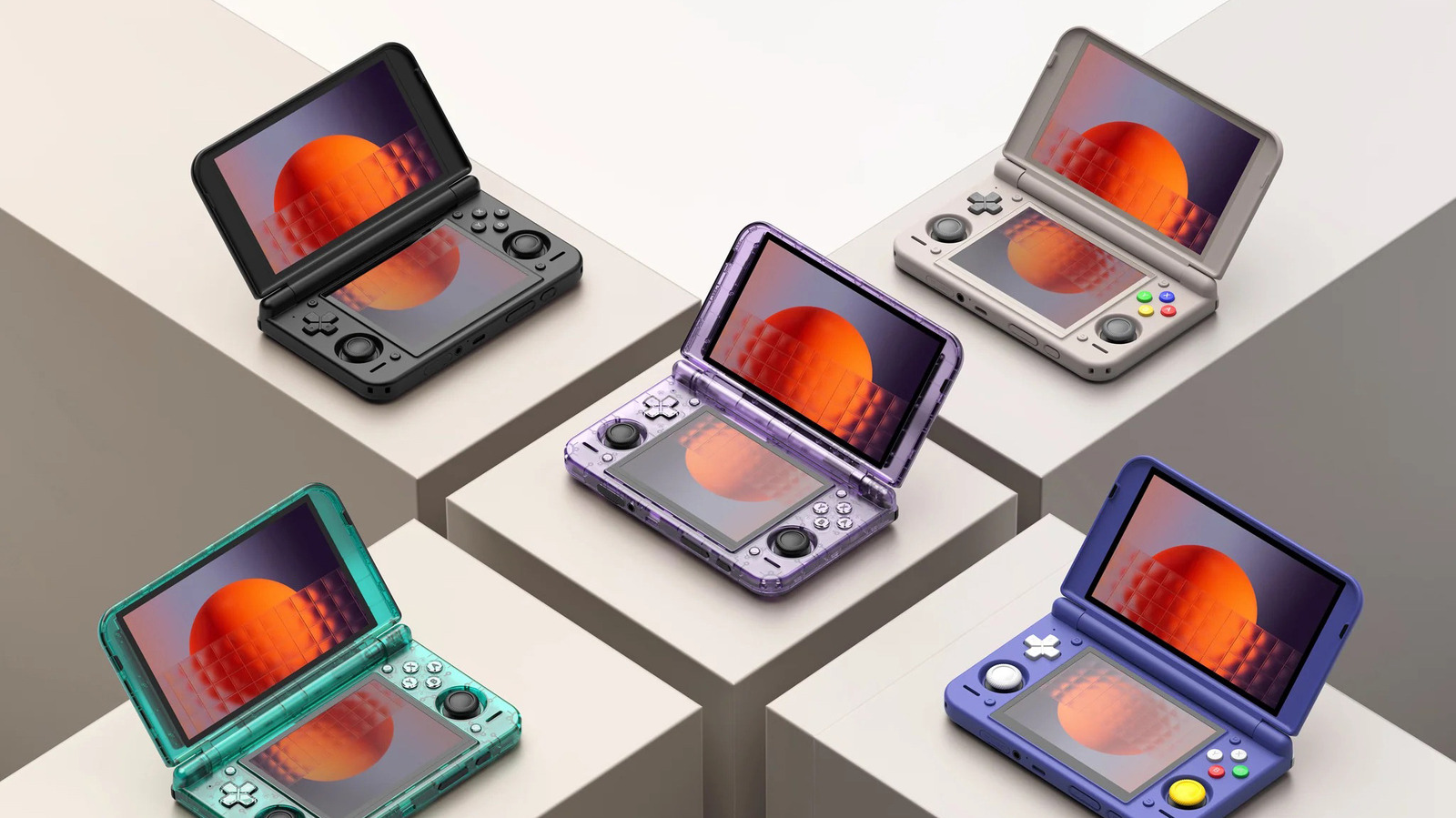
In a rapidly evolving landscape of retro-gaming handhelds, Retroid Pocket has long established itself as a titan of performance-per-dollar hardware. However, the company’s recent attempt to streamline its dual-screen lineup—inspired by the iconic Nintendo DS form factor—has encountered a significant bump in the road. Following the initial launch of the Retroid Pocket Duo and the budget-friendly Duo Lite, the company has unexpectedly introduced a third variant: the Duo Lite Plus. This move, while technically filling a gap in the market, has sparked a firestorm of controversy among early adopters, forcing the manufacturer to scramble with a rare, customer-centric mitigation strategy.
The Core Conflict: A Market Gap or a Marketing Misstep?
The Retroid Pocket Duo series was designed to appeal to two distinct demographics: the enthusiast who demands top-tier specifications and the casual player looking for a compact, nostalgic experience. The original "Duo" serves as the flagship, packing high-end internals into a chassis that some find cumbersome. Conversely, the "Duo Lite" was positioned as a portable-first device, sacrificing internal power to maintain a slimmer, more ergonomic profile.
However, the launch of the "Duo Lite Plus" reveals that Retroid Pocket fundamentally misjudged the appetite of its core user base. Many prospective buyers found themselves trapped in a "Goldilocks" dilemma: the Duo was too large, but the Duo Lite’s performance limitations rendered it insufficient for the more demanding emulation tasks expected of a modern handheld.
The Duo Lite Plus arrives as the perfect middle ground. By marrying the streamlined, slimmer dimensions of the Lite with the high-performance Qualcomm Dragonwing Q-7790 processor—a chip previously exclusive to the premium, larger Duo—Retroid has effectively created the device that the community was asking for all along. While this fills a glaring hole in the product hierarchy, the timing of the announcement, coming just over a week after the initial pre-order window closed, has left many consumers feeling blindsided.
Chronology of the Controversy
The timeline of this release sequence highlights the friction between rapid hardware development and consumer transparency.
- Initial Launch Phase (Early November): Retroid Pocket officially opened pre-orders for the Duo and the Duo Lite. Enthusiast forums and social media channels were abuzz with debate, with many users expressing hesitation over the Lite model’s performance specifications.
- The "Silent" Gap: During the week following the launch, Retroid processed thousands of orders. While the community continued to speculate about potential performance bottlenecks in the Lite, the company remained silent regarding the internal roadmap.
- The Surprise Announcement: Barely ten days after the initial launch, Retroid unexpectedly pulled back the curtain on the Duo Lite Plus. The announcement was met with immediate backlash on platforms like Reddit and X (formerly Twitter), where customers who had already paid for the Duo Lite felt they had been sold a "lesser" device while a superior one was being held in reserve.
- The Mitigation Effort: Recognizing the potential for long-term brand damage, Retroid acted quickly. The company paused shipments for the original Duo Lite and initiated a direct communication campaign, offering full support for those wishing to upgrade their orders.
Technical Specifications: The "Plus" Advantage
The central appeal of the Duo Lite Plus lies in its architecture. For those unfamiliar with the nuance of handheld emulation, the processor is the lifeblood of the device. The Qualcomm Dragonwing Q-7790 is a powerhouse in the mobile space, capable of handling higher-end emulation—including GameCube, PS2, and even some Wii titles—with significantly more headroom than the chipsets typically found in budget-tier Lite models.
By porting this silicon into the smaller chassis, Retroid has effectively rendered the standard Duo Lite redundant for a large swath of the market. The Duo Lite Plus retains the dual-screen aesthetic and the portable form factor that made the Lite appealing, but it removes the "performance anxiety" associated with owning a device that might struggle with the user’s favorite library of titles.
At a price point of $219, with an early-bird incentive of $199, the Duo Lite Plus sits at a competitive price bracket. It is more expensive than the entry-level Lite but significantly cheaper than the premium, full-sized Duo, creating a value proposition that is difficult for enthusiasts to ignore.
Official Responses and Customer Relations
In the gaming hardware industry, companies are often criticized for "bait-and-switch" tactics or for releasing "iterated" hardware too quickly. Retroid Pocket’s response to the current situation stands in stark contrast to the industry norm. Instead of ignoring the dissatisfaction, the company has opted for total transparency and financial burden-sharing.
In an official statement distributed to customers, Retroid noted: "Following the announcement of the new Duo Lite Plus, we want to make sure our existing Duo Lite customers have the opportunity to choose what works best for them."
To facilitate this, the company has taken the following steps:
- Shipment Pause: By halting existing shipments, they have prevented the logistical nightmare of customers receiving a device they no longer want.
- Zero-Cost Exchanges: Perhaps most impressively, Retroid is covering the shipping costs and facilitating the exchange process for any user who wants to move from the Lite to the Lite Plus.
- Direct Dialogue: By engaging with community leaders and providing a clear path for upgrades, the company has successfully pivoted from a potential PR crisis to a moment of reinforced brand loyalty.
The Broader Implications for the Handheld Market
The Retroid Pocket incident serves as a case study for the "SBC (Single Board Computer) Gaming" market, which has grown exponentially over the past three years. Companies like Retroid, Anbernic, and AYN operate in a space where competition is fierce and product lifecycles are lightning-fast.
1. The Perils of Rapid Iteration
The "Plus" model phenomenon is not unique to Retroid. Many manufacturers release iterative hardware to keep up with competitors. However, when those iterations happen within days of a product launch, it risks alienating the "early adopters"—the very people who are most likely to advocate for the brand.
2. The Power of Community Feedback
The fact that Retroid was able to pivot so quickly suggests that the company is listening to the Reddit and Discord communities. While the initial release of the Duo Lite may have been a mistake in reading the market, the willingness to rectify that mistake via an exchange program demonstrates a level of maturity that is rare in the niche handheld market.
3. Sustainability and Consumer Trust
For a company to offer free returns and upgrades is a significant financial undertaking. It cuts into profit margins and creates a massive logistical overhead. However, the long-term cost of losing the trust of the gaming community is far higher. By prioritizing the customer experience over immediate, short-term margin, Retroid is likely securing its position as a preferred manufacturer for future generations of hardware.
Conclusion: A Lesson in Adaptability
As we look toward the mid-November shipping date for the Duo Lite Plus, the narrative has shifted from one of frustration to one of cautious optimism. The Retroid Pocket Duo Lite Plus is not just a new product; it is a testament to the fact that, in the modern digital age, a brand’s reputation is only as strong as its last customer interaction.
For the consumer, the takeaway is clear: the market for high-quality, dual-screen retro gaming is thriving, and manufacturers are increasingly willing to listen to the demands of their users—even if it requires an expensive course correction. While the Duo Lite Plus might have arrived in an unconventional manner, its existence ensures that players no longer have to compromise between the form factor they love and the performance they need. Whether this will set a precedent for future "Plus" models remains to be seen, but for now, Retroid Pocket has successfully navigated a turbulent launch, emerging with a product that stands as a strong contender for the best handheld of the year.


 Laily UPN
 Suro Senen