

This article contains major spoilers for "X-Men ’97" Season 2, Episodes 1-3: "Days of Past Future," "A Force to Be Reckoned With," and "Rise of Apocalypse Part 1."
The X-Men franchise has always operated on the razor’s edge of chronological instability. From Chris Claremont and John Byrne’s seminal 1981 comic book arc "Days of Future Past"—a story that essentially served as the Terminator of the mutant world—to the 1992 animated series’ reliance on the time-hopping soldier Bishop, the X-Men have long been defined by their struggle against a doomed tomorrow.
With the premiere of X-Men ’97 Season 2, the stakes have escalated from mere survival to the fundamental manipulation of the timestream. Following the explosive cliffhanger of Season 1, where the team was scattered across history after the destruction of Asteroid M, the mystery of their displacement has finally been answered. The culprit behind this temporal fracturing is none other than Mother Askani, a revelation that recontextualizes the series’ entire narrative trajectory.
The Chronological Fracture: A Tale of Two Timelines
The Season 2 premiere, "Days of Past Future," wastes no time addressing the whereabouts of the X-Men who were missing in action at the end of Season 1. While fans were left wondering if Storm, Wolverine, and Morph had perished in the fallout of Asteroid M, the reality is far more complex. They were not lost; they were relocated.
The narrative architecture of the season premiere establishes that Mother Askani—a hooded, enigmatic psychic figure portrayed by Gates McFadden—intentionally fractured the X-Men’s timeline. Askani confessed to Storm that she personally orchestrated the displacement of the team, splitting them into two distinct groups. One contingent was sent to the distant future, while the other was thrust back into the ancient past.
This decision was not made out of malice, but out of a desperate, utilitarian strategy to combat the immortal tyrant Apocalypse. By reweaving the threads of time, Askani sought to ensure the survival of the X-Men while positioning them to dismantle the threat of En Sabah Nur before he could achieve his god-like status.
The Strategy of Prevention: Why the X-Men Were Displaced
To understand the weight of Mother Askani’s actions, one must look at the hellscape she calls home. The future overseen by Clan Askani is a barren, scorched earth ruled by the iron fist of Apocalypse. In this reality, oceans have evaporated, and the mutant overlord’s citadel is decorated with the remains of those who dared to defy him.
Askani’s plan is twofold and deeply rooted in the concept of "pre-emptive justice":
- The Future Front: By bringing Scott Summers, Jean Grey, and others to 3960 AD, Askani intended for the team to nurture and train a young Nathan Summers. The goal is to cultivate the man who will eventually become the cyborg supersoldier Cable, the only warrior capable of putting an end to Apocalypse’s eternal reign.
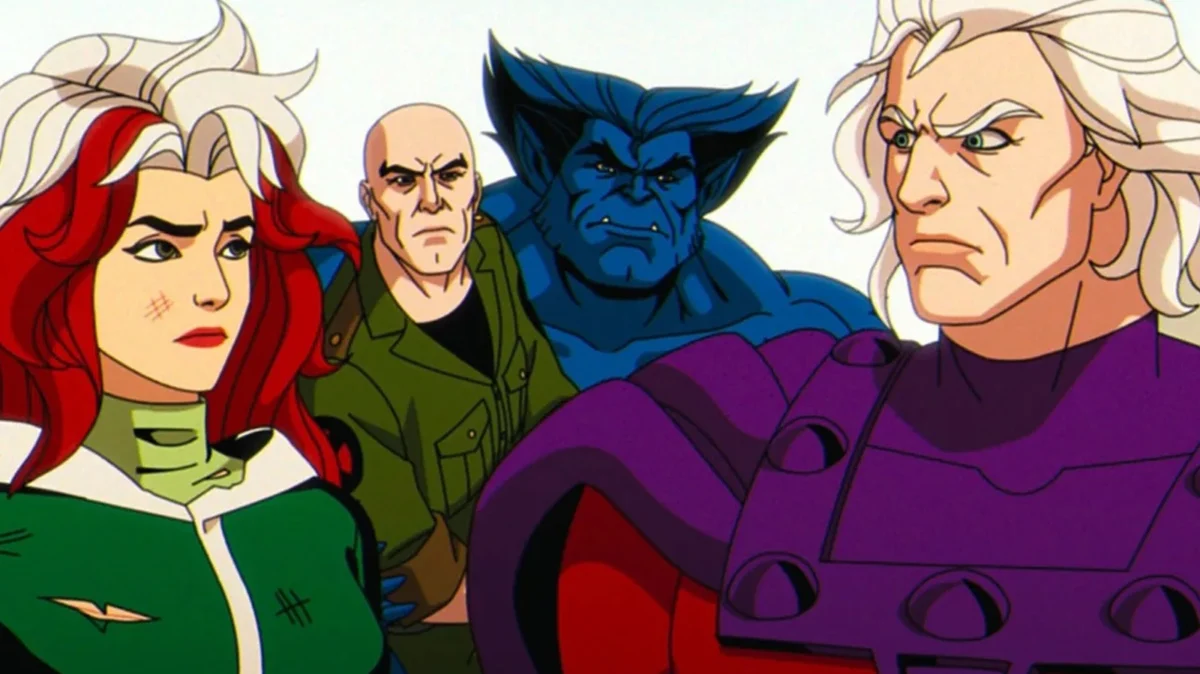
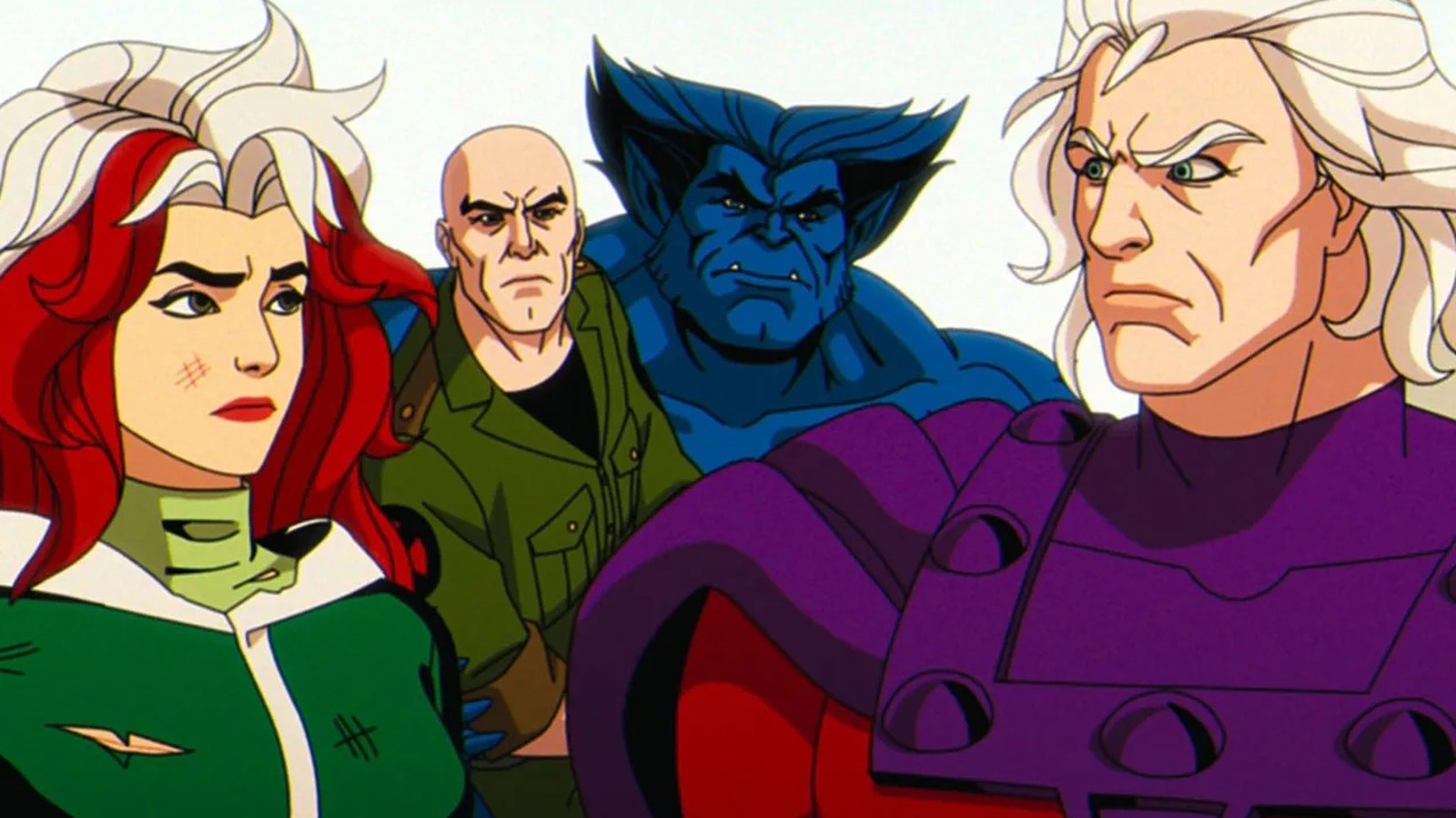
- The Past Front: By sending Professor X, Rogue, Magneto, Beast, and Nightcrawler to ancient Egypt, Askani hoped to stifle the growth of the tyrant in his infancy.
However, the X-Men have never been a team to follow orders blindly. Upon arriving in ancient Egypt, the team discovers that En Sabah Nur is still a mortal, albeit a powerful one. This leads to an unexpected moral pivot: instead of assassination, Magneto—having undergone his own complex journey of redemption and internal conflict—attempts to guide the young Nur toward a path of empathy and Xavieran philosophy. It is a profound irony: the man who once sought to rule the world is now attempting to teach the world’s greatest tyrant the value of mercy.
Implications: The Moral Complexity of Changing History
The decision to attempt a "redemption" of the young Apocalypse represents a significant thematic departure for the series. Magneto’s insistence that Nur could be swayed by the "dream" of Charles Xavier serves as a testament to the growth of his character. As noted in recent arcs, Magneto’s own brief slide back into villainy has left him with a unique perspective on the nature of regret and the possibility of change.
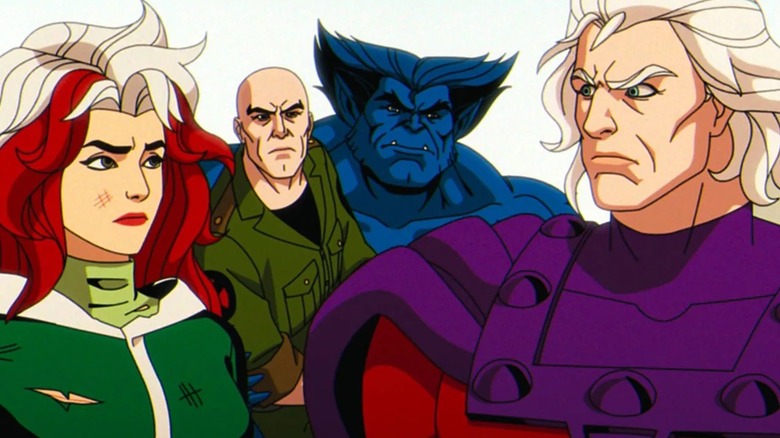
By refusing to commit "pre-emptive murder," the X-Men are betting the entire fate of the future on the idea that even a monster can be taught to choose kindness. This puts them at direct odds with Mother Askani’s more pragmatic, cold-blooded approach. The conflict is no longer just about defeating a villain; it is about whether the X-Men can remain true to their moral code when the survival of the universe is on the line.
Historical Context: The Askani Legacy in Marvel Comics
Mother Askani is a character steeped in the dense lore of the Marvel Universe. Originally created by writer Fabian Nicieza and artist Dwayne Turner in the 1993 Cable series, her character has evolved significantly over the decades. The most prominent source material for the current X-Men ’97 arc is the 1994 miniseries The Adventures of Cyclops and Phoenix, which saw the couple transported to a future timeline to raise the infant Nathan under the guidance of the Askani Clan.
In the original comics, the identity of Mother Askani is deeply tied to Rachel Summers, the daughter of Scott and Jean from an alternate future. Rachel served as a vital member of the X-Men in the classic Days of Future Past comic arc. However, X-Men ’97 presents a challenge to this origin. The show has already established a complex dynamic with Nathan Summers; introducing Rachel Summers as Mother Askani would be a narratively heavy lift, potentially bordering on the melodramatic.
The showrunners have hinted at Askani’s origins through subtle visual cues—most notably the flickering presence of the Phoenix Force within her eyes when she discusses her power. Whether the show intends to reveal her as a version of Rachel Summers or maintain her status as an original, mysterious entity remains one of the season’s most compelling questions. By keeping her origins shrouded, the series maintains a layer of suspense that keeps both longtime comic readers and casual viewers guessing.
Official Responses and Creative Direction
While Marvel Studios Animation has remained tight-lipped regarding the ultimate outcome of the time-travel arc, the creative team behind X-Men ’97 has consistently emphasized the importance of the series’ "serialized evolution." Unlike the episodic nature of the 1992 cartoon, X-Men ’97 is designed as a continuous, long-form narrative where every choice has a lasting, often devastating, consequence.
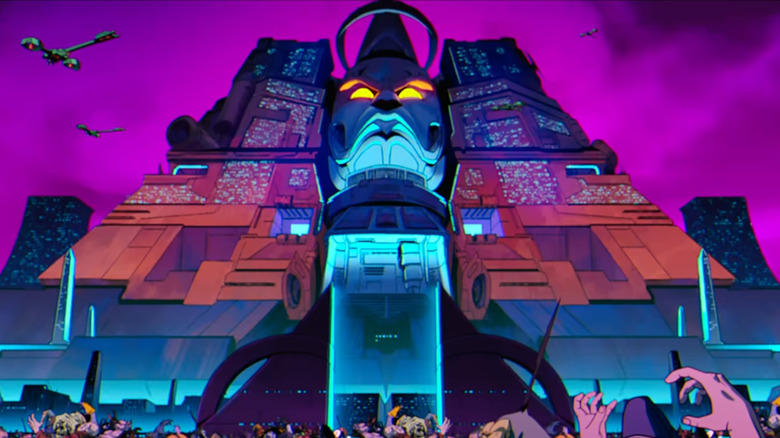
The inclusion of Apocalypse as the central antagonist of the season is a deliberate nod to the character’s status as the ultimate X-Men foil. By stripping him of his Celestial-enhanced technology in the past, the writers are forcing the characters to confront the "humanity" of a character who is usually depicted as an unstoppable force of nature. This humanization is the core of the show’s current appeal: it is a story about how the X-Men’s greatest strength—their capacity for compassion—might be their most dangerous liability in a timeline that demands blood.
Looking Ahead: The Looming Crisis
As the series progresses, the dual-timeline structure creates a mounting sense of dread. If Magneto fails to reform the young En Sabah Nur, the X-Men in the past may find themselves responsible for the very tragedy they were sent to prevent. Conversely, if the X-Men in the future fail to properly train Nathan, the resistance against the tyrant will crumble before it even begins.
The brilliance of X-Men ’97 lies in its ability to take well-worn tropes—like time travel—and infuse them with genuine emotional stakes. We are no longer watching a simple superhero fight; we are watching a group of displaced individuals struggle with the ethics of existence, the burden of history, and the terrifying responsibility of rewriting destiny.
As the team navigates these disparate eras, the question remains: Can they return home, or have their actions in the past and future permanently severed their connection to the world they once knew? With Mother Askani holding the strings, the X-Men find themselves in the most precarious position of their lives. The saga continues, and if history is any indication, the path to salvation is rarely paved with good intentions alone.
X-Men ’97 is currently streaming on Disney+.








