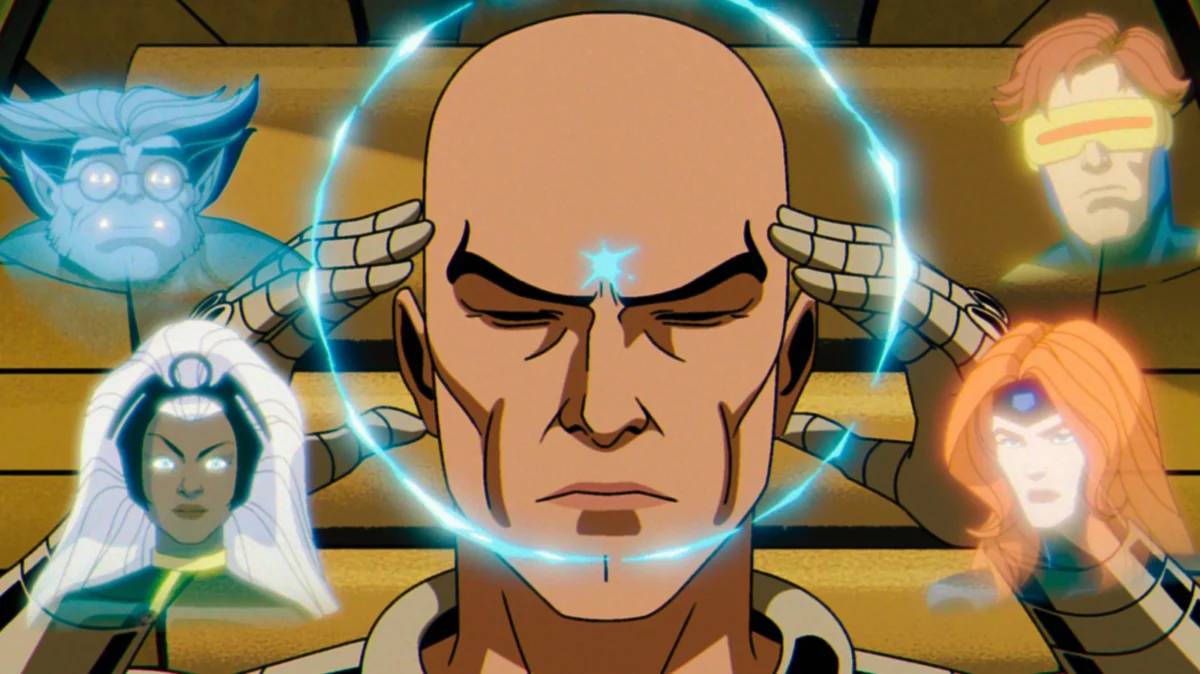
The intersection of science fiction’s most storied franchises has reached a new, surreal zenith. For decades, the fandoms of Star Trek and the X-Men have overlapped, frequently debating the merits of telepathy versus the Prime Directive. Now, Marvel Studios Animation has bridged that gap in the most tangible way possible: by casting iconic Star Trek: The Next Generation (TNG) alumni in pivotal roles for the critically acclaimed series X-Men ’97.
In the third episode of the show’s second season, "Rise of Apocalypse Part I," the production team has enlisted two heavy hitters of the Star Trek universe—John de Lancie and Michael Dorn—to portray central figures in the origin story of Marvel’s most formidable antagonist. This casting decision not only provides a thrill for genre enthusiasts but also deepens the narrative stakes of the X-Men mythos.
The Star Trek-X-Men Nexus: A Long-Standing Connection
The cultural link between these two titans of pop culture has long been anchored by Sir Patrick Stewart. His portrayal of Captain Jean-Luc Picard on Star Trek: The Next Generation cemented him as a pillar of sci-fi nobility. When the bald, intellectual, and authoritative leader was tapped to play Professor Charles Xavier in Bryan Singer’s 2000 X-Men film, it felt like destiny.
While Stewart was initially hesitant to take the role, his performance became the definitive iteration of the character for a generation, a tenure that has lasted over two decades and will continue with his upcoming return in the 2026 blockbuster Avengers: Doomsday. With X-Men ’97 continuing to explore the legacy of the X-Men, it is perhaps fitting that the show has reached into the TNG Rolodex to flesh out its supporting cast. Prior to this, Gates McFadden, known globally as Dr. Beverly Crusher, had already joined the voice cast as Mother Askani, the psychic leader of the anti-Apocalypse resistance in the year 3960 AD.
Chronology: The Rise of a Tyrant in Ancient Egypt
"Rise of Apocalypse Part I" thrusts the viewer into the distant past. Following the chaotic events of the X-Men ’97 Season 1 finale, a cadre of mutants—Professor X, Magneto, Rogue, Beast, and Nightcrawler—find themselves displaced in time, stranded in the sands of ancient Egypt.
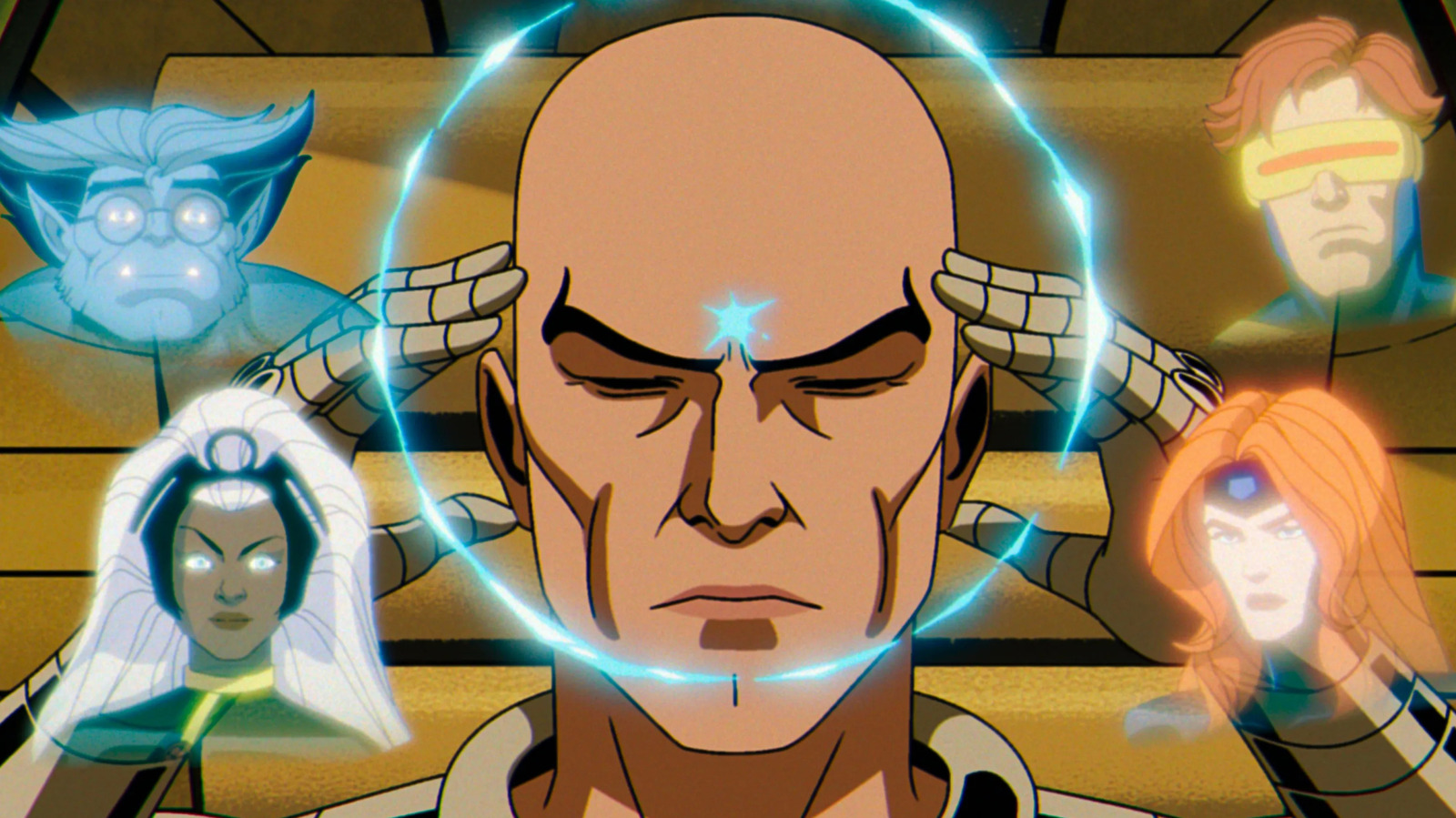
It is here that they encounter a young En Sabah Nur, the boy who will one day evolve into the genocidal mutant god known as Apocalypse. The era is dominated by the iron fist of Pharaoh Rama-Tut. As the X-Men attempt to navigate this hostile timeline, the show introduces the two new Star Trek guest stars, who serve as the ideological anchors—and threats—surrounding the boy who would be a god.
John de Lancie as Rama-Tut: The Omnipotent Trickster Returns
John de Lancie, immortalized in the Star Trek lexicon as Q, the omnipotent, mischievous entity who frequently challenged Captain Picard, brings his signature vocal flair to the role of Rama-Tut.
A Variant of Kang the Conqueror
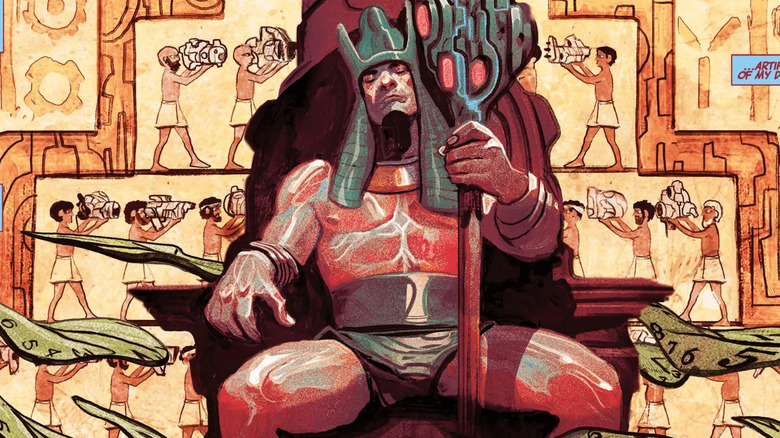
Within the complex web of Marvel lore, Rama-Tut is far more than a simple historical pharaoh. He is a time-traveling variant of the iconic villain Kang the Conqueror. Utilizing 31st-century technology to dominate the ancient world, Rama-Tut treats his rule over Egypt as a grand, intellectual game—a disposition that mirrors the arrogance and cosmic detachment often displayed by Q.
De Lancie’s performance is a masterclass in controlled menace. While Rama-Tut lacks the chaotic, impish energy of Q, he possesses a cold, calculating superiority. His voice—smooth, soft, yet dripping with a sinister edge—makes him an imposing threat to the stranded X-Men. Historically, the character debuted in Stan Lee and Jack Kirby’s Fantastic Four #19, where he first encountered Earth’s heroes, only to eventually evolve into the multifaceted time-traveler known as Kang. By incorporating him into X-Men ’97, the series effectively ties the mutant struggle to the broader, time-bending conflicts that define the Marvel Multiverse.
Michael Dorn as Baal: The Warrior’s Path
While Rama-Tut represents the technological threat of the future, Michael Dorn’s character, Baal, represents the raw, brutal philosophy of the past. Known to millions as Lt. Worf, the first Klingon to join Starfleet, Dorn is no stranger to portraying characters defined by honor, survival, and fierce, warrior-centric codes.
Defining the Mutant "Survival of the Fittest"
In the narrative of X-Men ’97, Baal is the leader of the Sandstormers and the man who adopts the infant En Sabah Nur after he is abandoned in the desert. In the original comics, this abandonment was the catalyst for the boy’s eventual hatred of humanity. Baal serves as the architect of the young Nur’s worldview, teaching him that "survival of the fittest" is the only law of the universe.
Dorn’s casting is thematically resonant; Baal is the kind of hardened, resilient survivor that a Klingon would respect. However, the show adds a layer of conflict by introducing Magneto as a competing mentor. While Baal preaches strength and dominance, Magneto attempts to instill mercy and leadership in the young mutant. This ideological clash is the heart of the episode, as the X-Men struggle to prevent the rise of a monster while dealing with the reality that their presence might be accelerating the very tragedy they seek to avert.
Implications for the Marvel Animated Universe
The inclusion of such high-caliber talent as de Lancie and Dorn is not merely a "fan service" gesture; it is a strategic expansion of the narrative weight of X-Men ’97. By utilizing actors known for their work in high-concept, philosophical science fiction, Marvel Studios is signaling that X-Men ’97 is intended to be treated with the same narrative gravitas as the series that defined the genre in the 1990s.
The Question of Fate
The central tension of the current arc is one of predestination. The X-Men know exactly what En Sabah Nur will become—the immortal, destructive force of nature known as Apocalypse. By inserting themselves into the timeline, they are forced to ask a dangerous question: Can the cycle of "might makes right" be broken, or is the rise of Apocalypse an immutable point in history?
In the original comics, Baal’s death at the hands of Rama-Tut’s forces is the final catalyst that pushes Nur toward his villainous path. X-Men ’97 appears to be exploring whether this tragedy can be mitigated or if the X-Men are doomed to witness the birth of their greatest enemy. The dynamic between the time-traveling pharaoh and the nomadic warrior provides the perfect crucible for this debate.
Conclusion: A Crossover of Legends
The intermingling of Star Trek and X-Men has been a staple of comic book crossover lore for years, but seeing it manifest on screen through the voices of icons like de Lancie and Dorn feels like a culmination of decades of sci-fi appreciation. X-Men ’97 continues to prove that it is not just a nostalgic revival, but a sophisticated, evolving piece of storytelling that honors its source material while actively expanding its scope.
As the series progresses, the involvement of these actors serves as a testament to the enduring appeal of the X-Men franchise. By blending the grand, operatic stakes of Star Trek with the deep-seated emotional drama of mutant struggle, X-Men ’97 is setting a new standard for what animated superhero storytelling can achieve. Whether or not En Sabah Nur can be saved, the journey to find out promises to be one of the most compelling arcs in modern animation.
X-Men ’97 is currently streaming on Disney+.