Laily UPN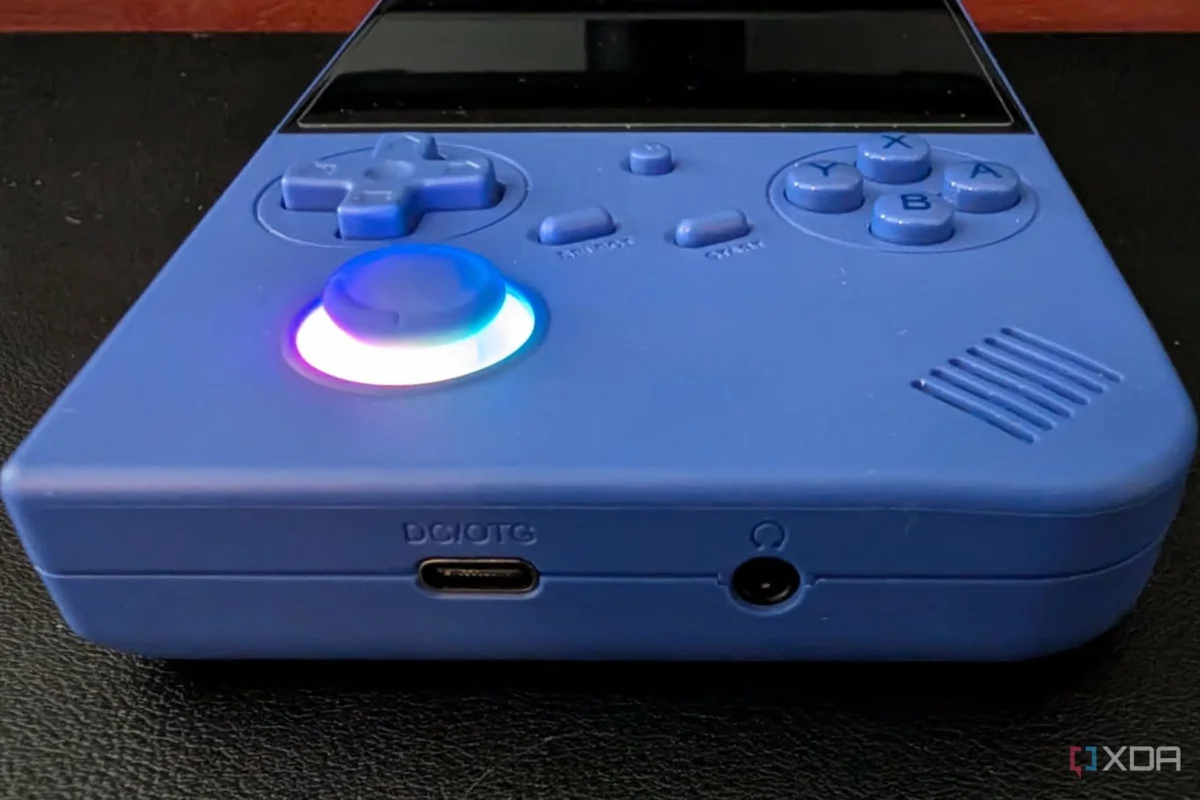
In an industry often defined by planned obsolescence and "closed-box" engineering, the handheld gaming sector has historically been a graveyard for devices with minor physical defects. When a single joystick drifts, a shoulder button loses its tactile click, or a battery swells, users have long been faced with a binary choice: retire the device to a desk drawer or attempt high-risk, third-party repairs with questionable components.
However, a significant shift has occurred. Anbernic, a dominant player in the retro gaming handheld market, has officially launched a dedicated spare parts storefront. This move signals a departure from the "throwaway" culture that has plagued budget-friendly electronics, providing enthusiasts with a direct path to extend the lifespans of their favorite devices.
The Problem: The "Death Knell" of Micro-Electronics
For years, the handheld console community has struggled with the fragility of modern portable hardware. These devices are marvels of miniaturization, packing sophisticated PCBs, lithium-ion batteries, and intricate control schemes into tight, injection-molded plastic shells. While this makes for a highly portable gaming experience, it creates a logistical nightmare for the average consumer when hardware fails.
Historically, if a user experienced a hardware failure, they were left with few options. Warranty support from smaller manufacturers was often slow or non-existent, and third-party parts—when available on sites like AliExpress or eBay—were frequently inconsistent in quality. This often resulted in "frankensteined" devices that rarely performed as well as they did out of the box. By launching an official repository for genuine components, Anbernic is effectively acknowledging the "Right to Repair" movement, allowing users to perform maintenance with the confidence that they are using OEM-grade parts.
A Chronology of the Shift
The transition toward more accessible repairability has been gradual, driven largely by community pressure and the maturation of the retro handheld market.
- Pre-2024: The market was dominated by a "replace, don’t repair" mentality. If a device failed, users were encouraged to purchase the latest iteration rather than fix the old one.
- Late 2024 – Early 2025: As community-led repair guides on platforms like iFixit and various subreddits gained traction, the demand for high-quality, reliable spare parts reached a tipping point. Enthusiasts began clamoring for better access to shells, screens, and daughterboards.
- June 2026: Anbernic officially unveils its dedicated accessories and parts portal. This launch marks a milestone for the company, moving from being a pure hardware manufacturer to providing full-cycle product support.
- Current State: The store is now live, featuring an extensive catalog of components ranging from internal motherboards to aesthetic replacement shells, providing a centralized ecosystem for DIY repair.
Breaking Down the Catalog: What’s Available?
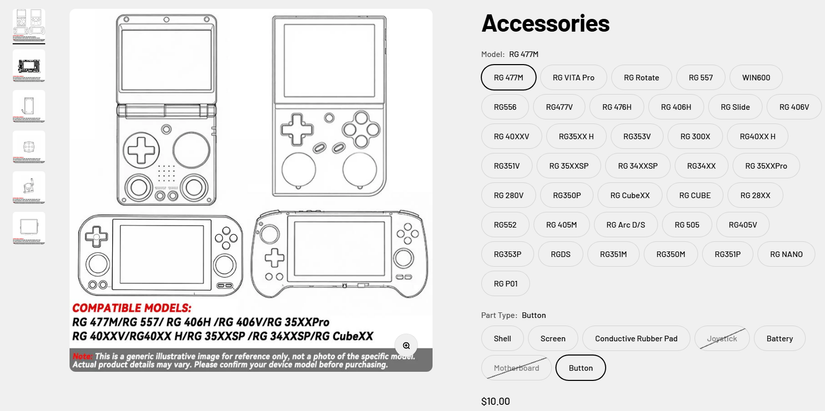
The newly launched store is remarkably comprehensive. Unlike many manufacturers that only offer limited accessories, Anbernic has opened the floodgates to nearly every critical component of their most popular handhelds.
For the DIY tinkerer, the catalog includes:
- Motherboards: For users looking to perform a complete "heart transplant" on their device.
- Displays: The most common point of failure for portable consoles, now available as standalone replacements.
- Shells/Housing: Allowing users to swap out scratched or damaged casings to restore the "new console" feel.
- Batteries: Addressing the inevitable degradation of lithium-ion cells over long-term usage.
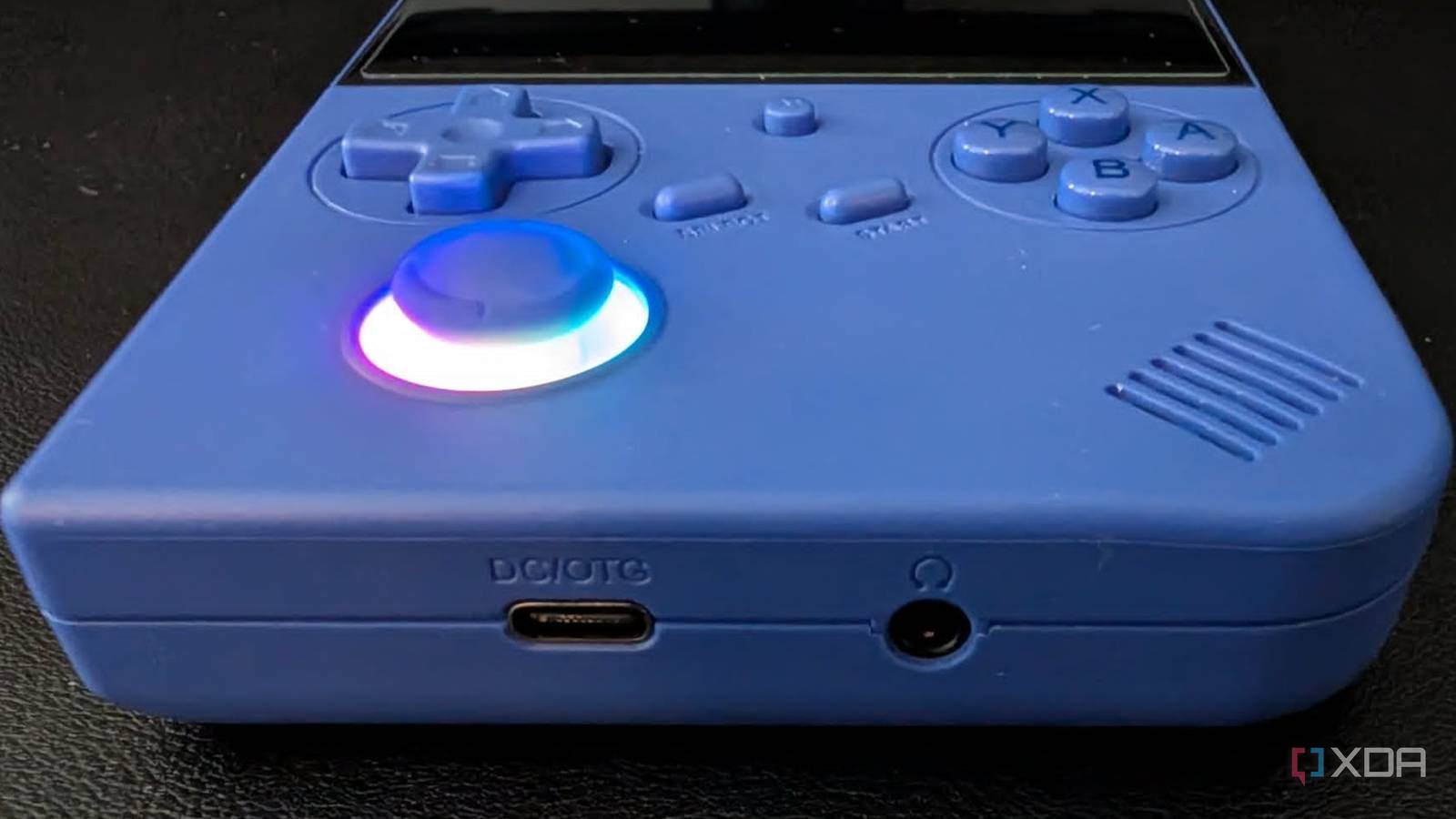
- Input Components: Including joysticks, D-pads, and conductive rubber pads—parts that see the most wear and tear during intense gameplay.
Pricing is another area where Anbernic is making a positive impact. Small components like conductive rubber pads are listed for as little as $3, while batteries are priced around $8. More complex components, such as screens and logic boards, remain affordable, significantly undercutting the cost of purchasing an entirely new unit.
The Caveat: Strict Purchasing Policies
While the initiative is a massive win for the consumer, it is not without its risks. The company’s "Purchase Notes" section carries a stern warning: the store is intended for experienced users.
Anbernic has explicitly stated that they will not offer refunds or exchanges for parts purchased for the wrong console model. This creates a high-stakes environment for the buyer; if you mistake an Anbernic 35XX for a 40XXV during checkout, you are financially responsible for that error. Furthermore, the company has implemented a strict policy regarding aesthetic customization: if a customer fails to specify a color preference for a replacement shell, the order will be canceled within seven days.

This rigid policy highlights the reality of the business model. By keeping support overhead low, they can keep part prices low, but it places the burden of technical literacy squarely on the consumer. Buyers are advised to consult their device’s serial number and technical documentation before clicking "buy."
Implications for the Retro Gaming Ecosystem
The introduction of an official parts store has profound implications for the future of handheld gaming.
1. Longevity and Sustainability
Electronic waste is a growing global concern. By enabling users to repair their devices, Anbernic is directly reducing the number of handhelds that end up in landfills. A device that can be repaired for $10 is a device that stays in a user’s collection for years rather than months.
2. The Professional Repair Market
This move is also a boon for third-party repair shops and hobbyists who offer services to the community. With a reliable supply of official parts, these individuals can scale their businesses and offer higher-quality repairs, further strengthening the ecosystem around Anbernic devices.
3. Setting a New Industry Standard
When one major manufacturer in a competitive market makes a move toward user-friendly repairability, others are often forced to follow suit to remain competitive. We may soon see competitors like Miyoo or Retroid launching similar initiatives to keep pace with Anbernic’s commitment to product longevity.
4. Encouraging Modification and Customization
Beyond simple repairs, the availability of individual parts paves the way for the "modding" scene. Enthusiasts can now mix and match shells, buttons, and even internal components to create custom "one-of-a-kind" handhelds. This fosters a vibrant community of creators who feel a deeper ownership over their hardware.
Final Thoughts: A Welcome Evolution
The retro gaming handheld market has matured rapidly. What began as a niche hobby for tech-savvy tinkerers has evolved into a mainstream consumer phenomenon. With this growth comes a responsibility to support the products long after they have been unboxed.
Anbernic’s decision to open an official parts store is an essential step in the right direction. While the strict no-refund policy demands that users exercise caution, the benefits of accessible, affordable, and authentic replacement parts cannot be overstated. By empowering users to maintain their own devices, Anbernic is not just selling hardware; they are fostering a sustainable culture of gaming that prioritizes the user experience over the cycle of constant consumption.
As the handheld market continues to innovate, one thing is clear: the ability to open your device, swap a part, and keep playing is the ultimate feature—one that every manufacturer should strive to provide. Whether you are a casual gamer looking to fix a sticky button or a hardware enthusiast looking to restore a vintage-style unit, the tools to keep your digital memories alive are finally, and officially, at your fingertips.

 Rifan Muazin
 Nila Kartika Wati