

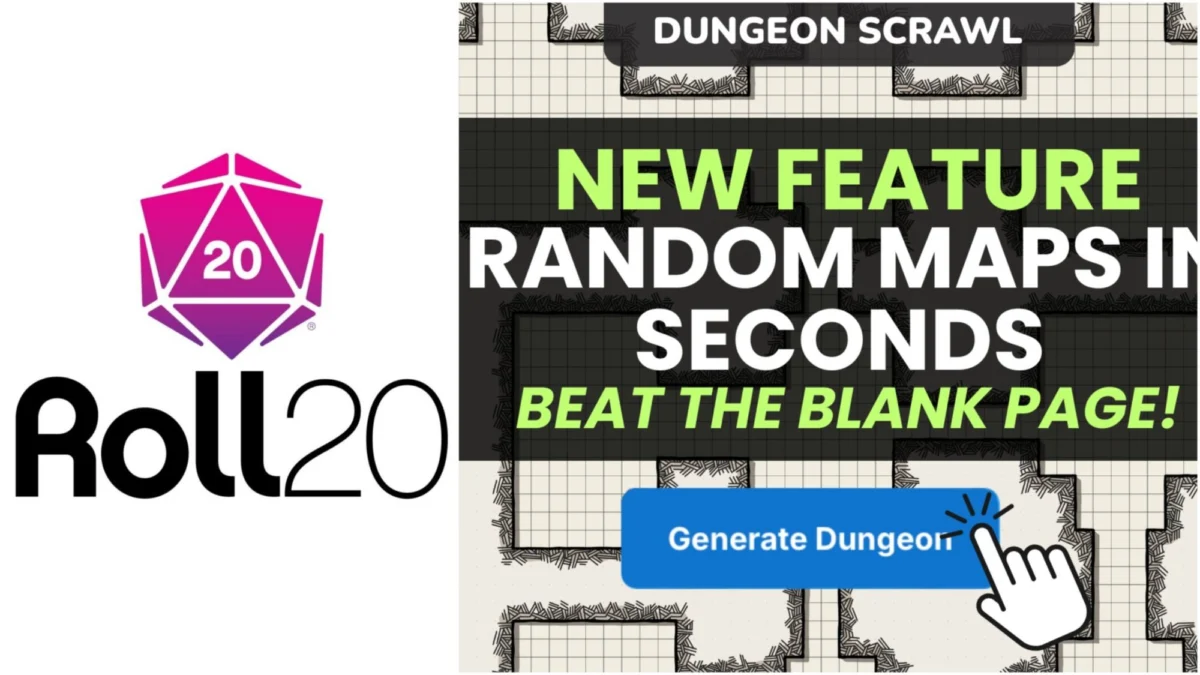
For Game Masters (GMs) across the globe, the process of preparing a session is a delicate balance between creative inspiration and administrative labor. While crafting an intricate narrative or designing compelling NPCs is often the highlight of a GM’s week, the technical requirement of map-making can quickly turn a passion project into a daunting chore. Recognizing this persistent bottleneck in the tabletop role-playing game (TTRPG) community, Roll20 has officially unveiled a powerful, free-to-use Random Dungeon Generator, marking a significant shift in how digital tools can assist in session preparation without relying on the often-hit-or-miss nature of generative AI.
The Problem: The "Map-Making" Bottleneck
Every experienced GM knows the scenario: you have a perfect encounter planned, a brilliant plot hook for the players, and a narrative climax that promises to be legendary. However, the session is only hours away, and you still lack a visual map for the crumbling ruins or the subterranean lair where the action is set.
For years, GMs have been forced to choose between three suboptimal paths: spending hours of precious free time meticulously drawing maps in third-party software, scouring the internet for pre-made assets that rarely fit their specific encounter needs, or resorting to "theater of the mind," which can sometimes diminish the tactical depth that players crave.
Roll20’s latest innovation aims to bridge this gap. By integrating a sophisticated, algorithmic engine into their workflow, they have provided a tool that offers the speed of a generator with the structural integrity of a custom-designed layout.
How the Engine Works: A Non-AI Approach
One of the most notable aspects of the new Roll20 Dungeon Generator is its methodology. In an era where "AI-generated" tools are frequently criticized for creating illogical structures, incoherent layouts, or visually distracting hallucinations, Roll20 has opted for a deliberate, rule-based procedural generation engine.
This is not a black-box machine learning model. Instead, it is a robust utility designed to follow the logic of classic tabletop architecture. When a user navigates to the Dungeon Scrawl sidebar menu within the Roll20 interface, they are greeted with an intuitive control panel. With a single click of the "Generate Dungeon" button, the system populates a canvas with a structurally sound, playable dungeon map.
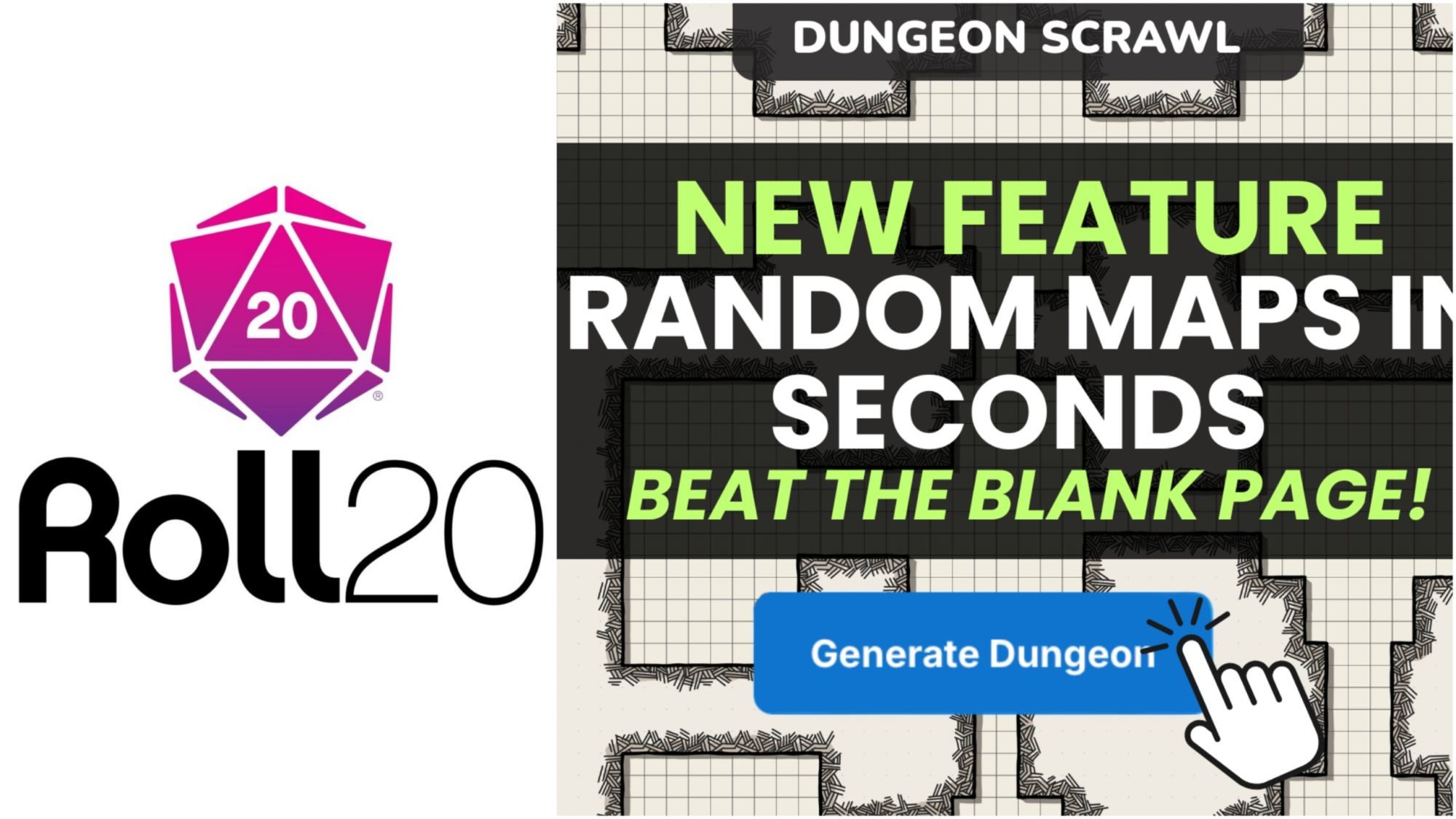
The system is designed for flexibility. Users can adjust parameters such as room density, corridor complexity, and map size, allowing for unique results every time. Whether a GM needs a small, three-room spider den for a quick side quest or an expansive, multi-level labyrinth for a major boss encounter, the generator adapts to the user’s input. Crucially, the tool is entirely free, and—in a rare move for modern digital platforms—does not even require the user to have an active Roll20 account to experiment with the generator, lowering the barrier to entry for new GMs.
Chronology of the Release
The release of this tool follows a broader trend of Roll20 investing heavily in its "quality of life" features. Over the past several months, the company has focused on streamlining the user experience, aiming to make their platform the primary "home" for TTRPGs by reducing the time spent on administrative friction.
The integration with Dungeon Scrawl—a well-regarded, community-favorite mapping tool—has been a strategic move. By acquiring and integrating these features, Roll20 has effectively turned its platform into a one-stop-shop for session preparation. The rollout began with internal testing among pro-tier users before expanding to the public, ensuring that the engine could handle high-traffic usage without compromising the speed of the map generation.
Supporting Data and User Experience
The primary value proposition of this tool is its role as a "launchpad." Roll20 is transparent about the fact that a procedurally generated map is rarely a finished masterpiece. Instead, they position the tool as a solution for the "blank page" problem.
Every element generated by the system—the walls, the hallways, the rooms, and the doors—is fully editable. If the engine generates a layout that is 90% perfect but needs a hidden corridor or an expanded chamber for a specific encounter, the GM can simply toggle into edit mode within Dungeon Scrawl to refine the output.
This workflow creates a "fast-drafting" environment. By automating the tedious task of drawing walls and defining room dimensions, the GM saves hours of labor, allowing them to focus their creative energy on the details that truly matter: room dressing, trap placement, and encounter balance.
Official Stance and Philosophy
Roll20’s official blog post accompanying the release emphasizes that GMing is, above all, a "labor of love." The company acknowledges that even the most dedicated GMs find themselves burning out due to the sheer volume of prep work required for long-form campaigns.
"We were tired of the manual slog," the company stated in their release notes. By addressing the common frustrations—such as inconsistent scale, the difficulty of finding maps that fit specific dungeon themes, and the time-sink of digital drawing tools—Roll20 is attempting to democratize map-making. They aren’t trying to replace the GM’s vision; they are trying to automate the busywork that prevents that vision from coming to life at the table.
The Implications for the TTRPG Industry
The release of the Dungeon Generator has significant implications for the future of digital tabletop gaming.
- Accessibility for New GMs: One of the greatest hurdles for new players looking to transition into the GM role is the perceived difficulty of "prepping." Tools that lower the barrier to entry help sustain the growth of the hobby.
- Standardization of Assets: As more GMs utilize integrated, algorithmic tools, we may see a shift in the aesthetic of TTRPG maps. While hand-drawn, artisanal maps will always have a place in the hobby, the convenience of high-quality, instant, and editable procedural maps will likely become the industry standard.
- Competition and Innovation: This move puts pressure on other virtual tabletop (VTT) providers to prioritize similar utility tools. The "arms race" for the most user-friendly VTT has moved beyond simple lighting effects and audio integration; it is now about providing a complete creative suite for the game master.
- The End of "Low-Effort" AI: By demonstrating that a rule-based, deterministic engine can produce results superior to many current generative AI offerings, Roll20 is setting a benchmark for quality. They are signaling that for tactical environments, logic and structure are more important than the "spectacle" of AI imagery.
A New Era of Prep
As the TTRPG landscape continues to evolve, the tools that GMs use must evolve with it. Roll20’s new Random Dungeon Generator represents a pragmatic, user-centric approach to game design. It respects the GM’s time, preserves their creative autonomy, and provides a tangible, high-quality solution to a universal problem.
For those interested in testing the limits of the generator, the tool is currently live on the Roll20 and Dungeon Scrawl websites. Whether you are running a classic dungeon crawl or a modern fantasy heist, the ability to generate a functional map in seconds is a game-changer. As the hobby continues to grow, it is innovations like these that ensure the spirit of Dungeons & Dragons—a collaborative, imaginative experience—remains accessible, fun, and manageable for all.
In summary, this update is more than just a new feature; it is a declaration that the future of tabletop gaming lies in tools that work with the storyteller, not against them. By stripping away the frustration of technical setup, Roll20 is clearing the path for the stories that really matter to be told.











No comments yet. Be the first to join the conversation!