

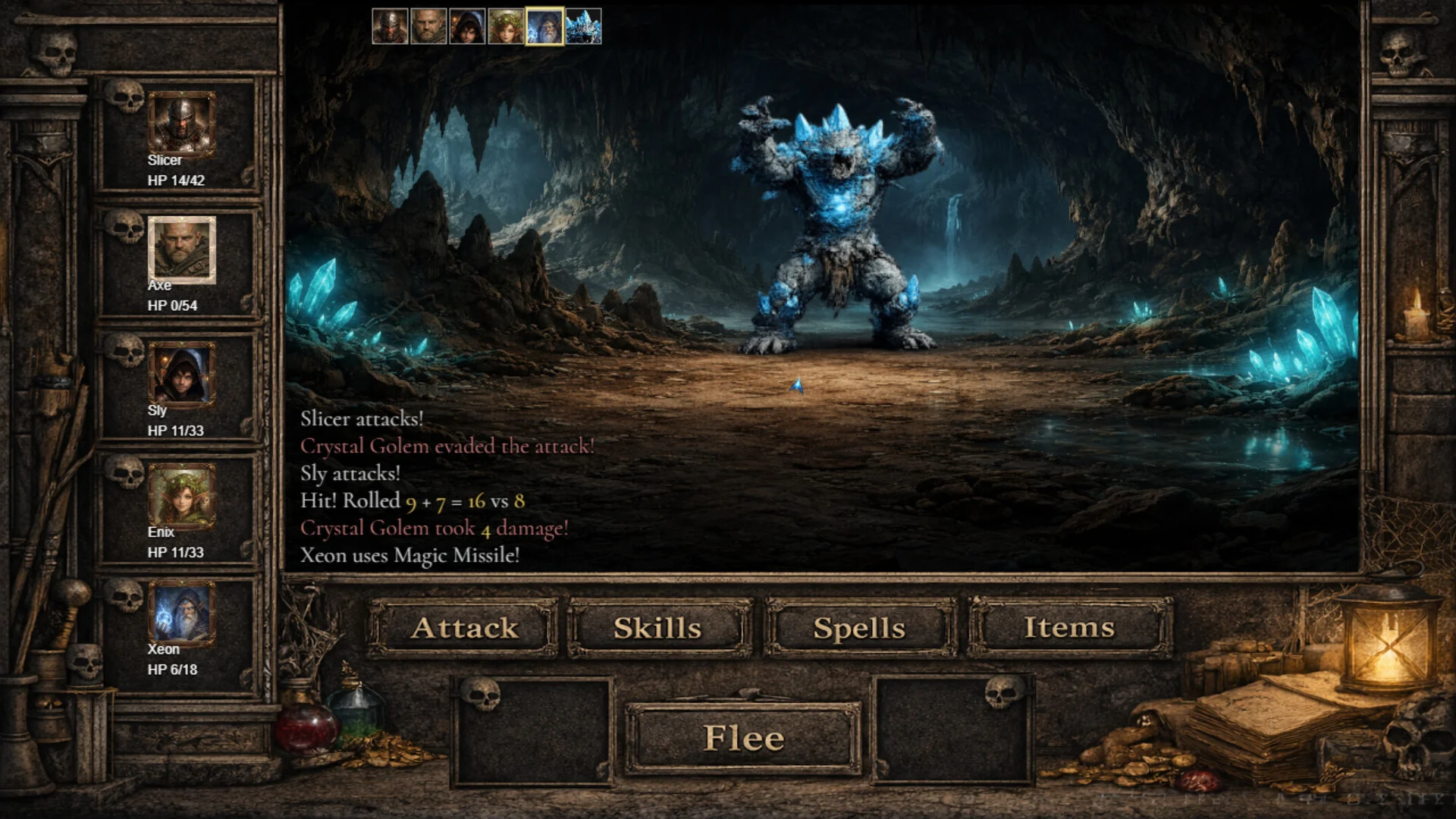
This week, the landscape of role-playing games experiences a fascinating intersection of past and future. From the rugged, low-poly charm of 90s-inspired dungeon crawlers to the high-octane, fluid combat of modern pixel-art masterpieces, players have a wealth of options to explore. The current release cycle is a testament to the versatility of the RPG genre, showcasing how both "retro" aesthetics and innovative mechanics can coexist in the modern gaming ecosystem.
As we survey this week’s arrivals, we find a curious blend: a lone turn-based offering, a highly anticipated action RPG launching into Early Access, and two distinctive titles that serve as love letters to the golden age of PC gaming. Whether you are seeking a nostalgic trip down memory lane or a glimpse into the next generation of indie hits, this week’s catalog has something to offer.
Main Facts: The Week’s Major Releases
The week beginning May 4th represents a significant milestone for several indie studios. The primary titles hitting the digital storefronts include:
- Axe Cop (May 4th): A console port of a cult-classic turn-based RPG that brings its chaotic, child-like imagination to PlayStation 4, PlayStation 5, the Nintendo Switch, and the Xbox ecosystem.
- The Traveller Tale (May 5th): A Windows-exclusive CRPG that unapologetically leans into the aesthetic and mechanical sensibilities of the 1990s.
- Shadows of the Afterland (May 5th): A point-and-click adventure with strong RPG elements, making its debut on the Nintendo Switch following a successful PC launch.
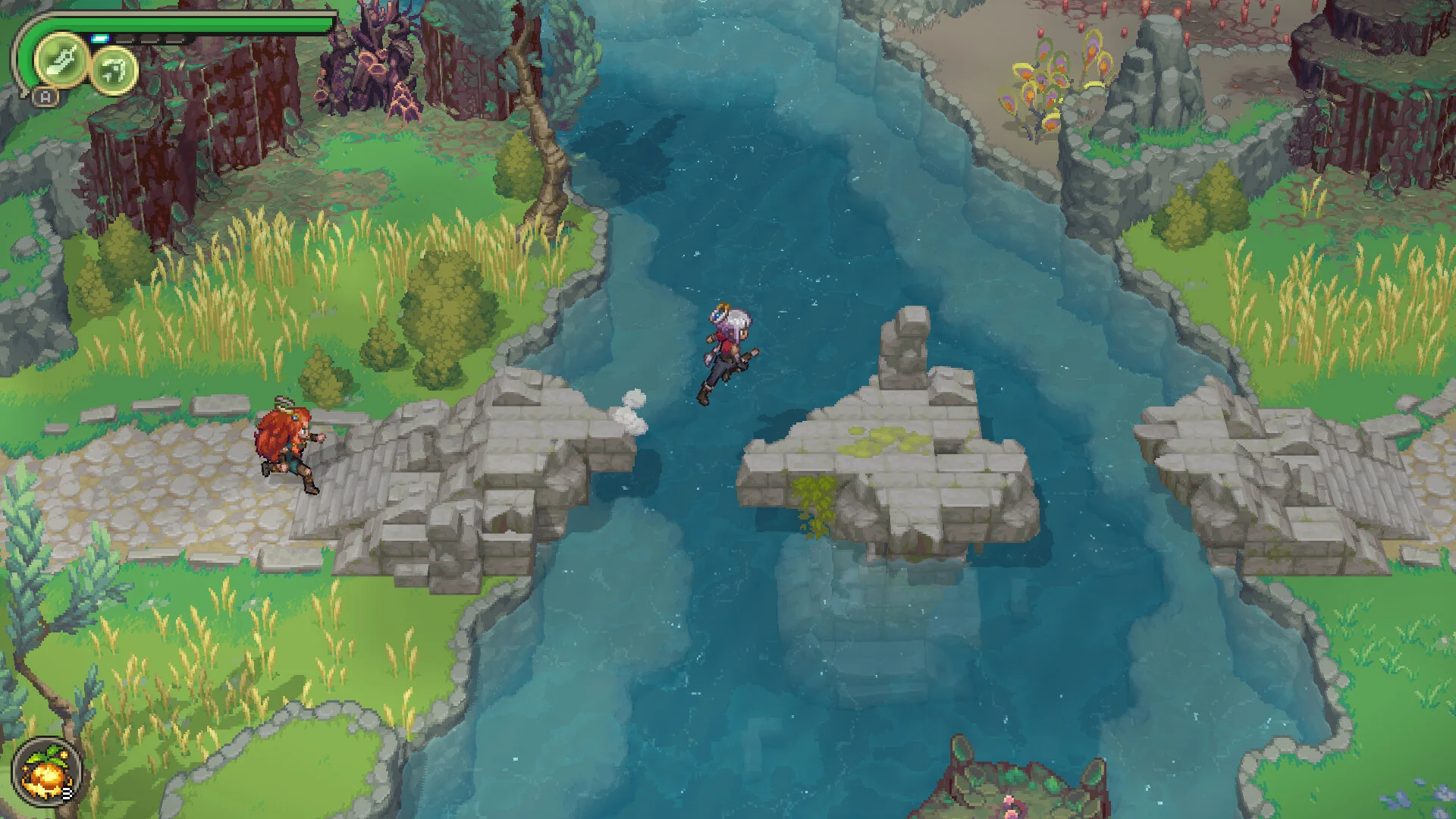
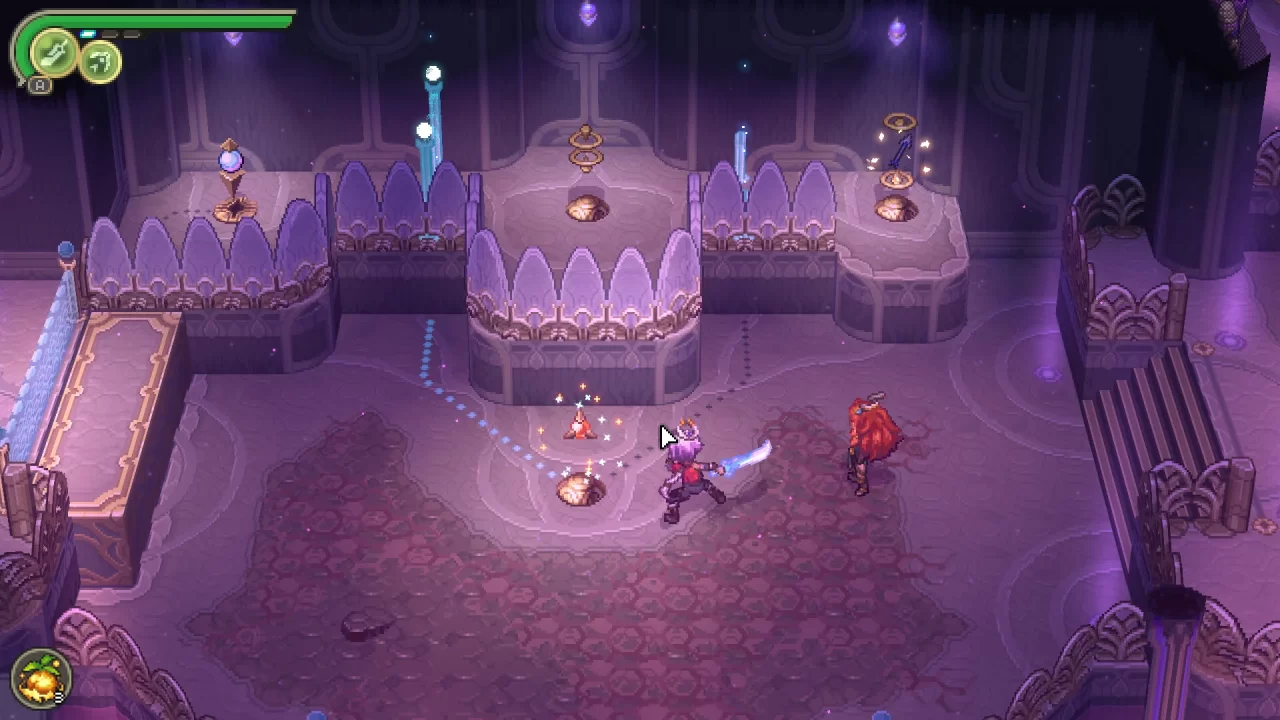
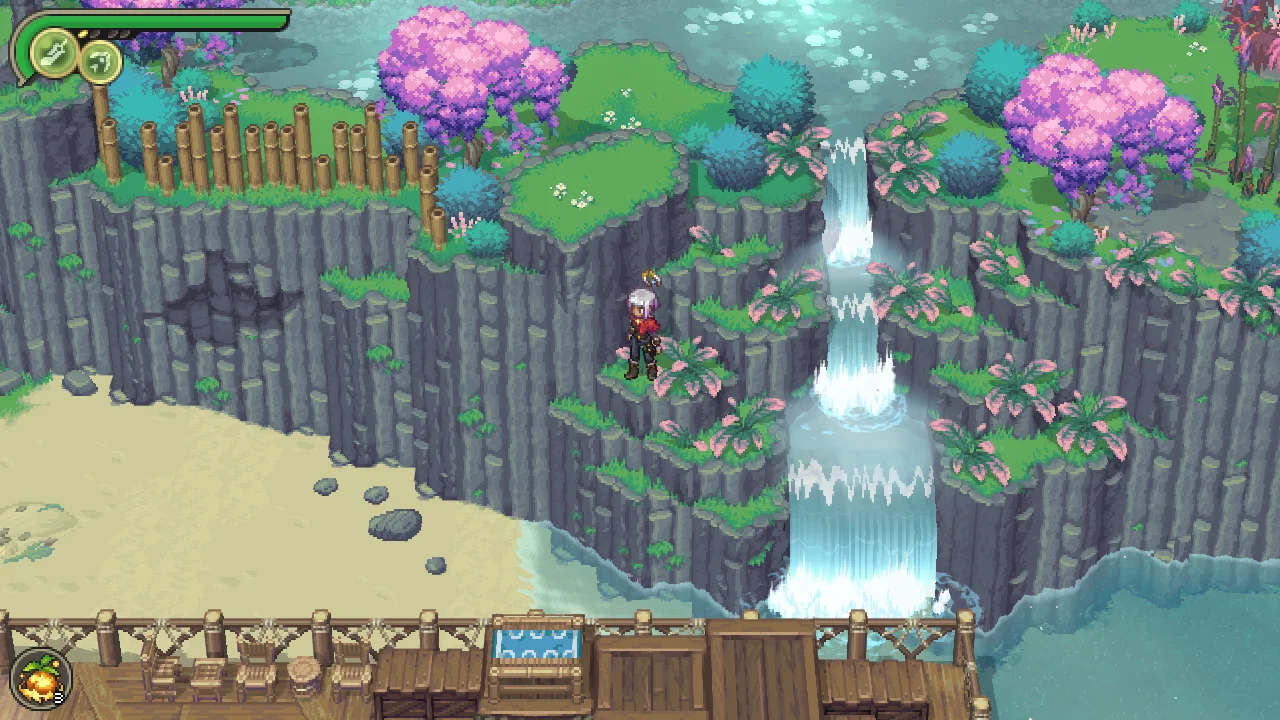
- Alabaster Dawn (May 7th): The highly anticipated spiritual successor to CrossCode, launching into Steam Early Access for Windows and Linux.
Chronological Breakdown
May 4th: The Arrival of Axe Cop
Initially released on Steam in 2020, Axe Cop makes its long-awaited jump to consoles. Developed as a turn-based RPG, the game is notable for its unique narrative inspiration: the unfiltered, whimsical logic of a five-year-old. Visually, the game serves as a time capsule, utilizing a sprite-based aesthetic reminiscent of the 8-bit NES and early Game Boy era. It represents a rare opportunity for console players to engage with a title that balances genuine, tactical turn-based combat with a narrative tone that is refreshingly campy and self-aware.
May 5th: Retro-PC Revival and Narrative Noir
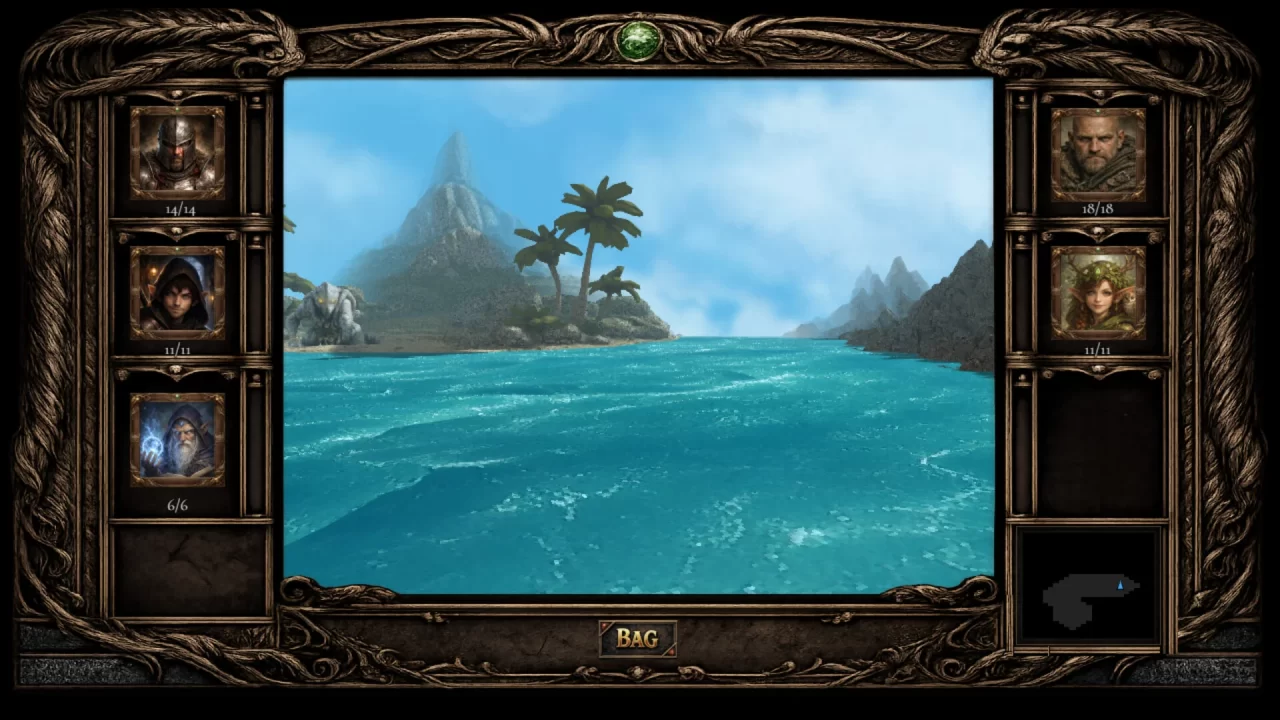
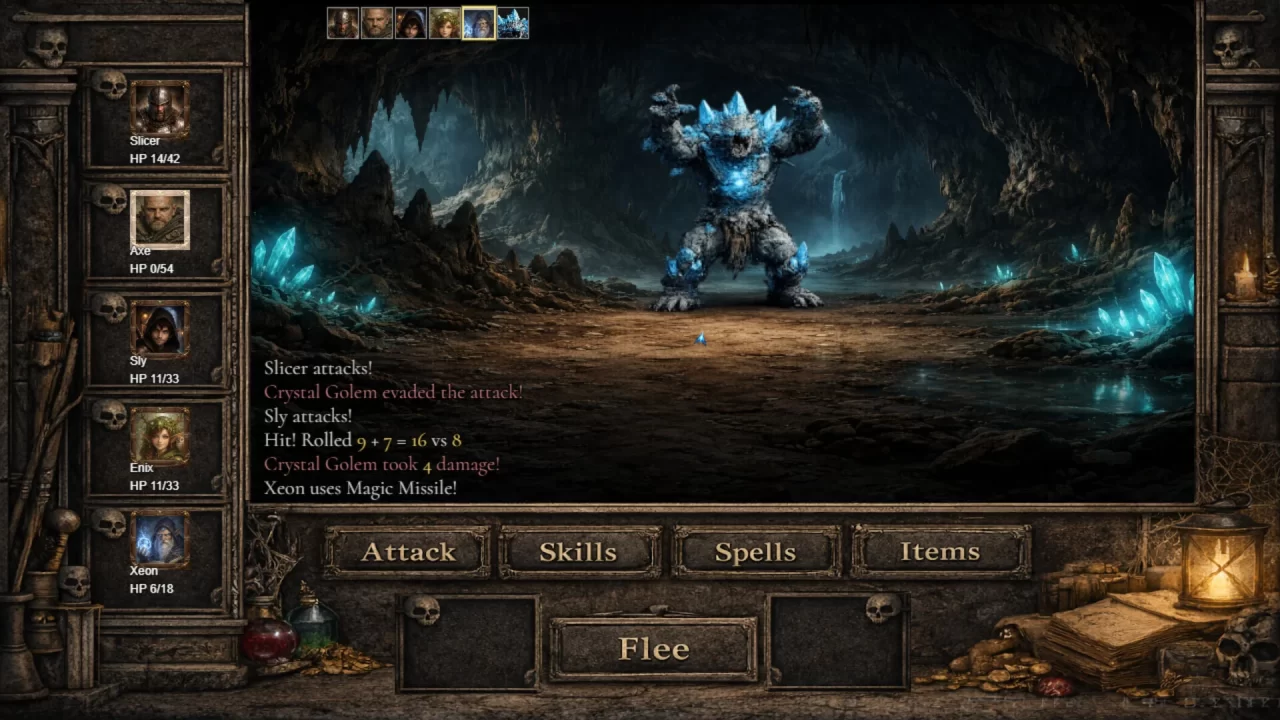
The following day brings a two-pronged attack on nostalgia and mystery. The Traveller Tale, developed by Mystic Dream Studios, arrives for Windows. This title is a deliberate throwback, featuring a first-person perspective, ornate UI framing, and intentional "clunky" animations that evoke the spirit of early 3D dungeon crawlers.
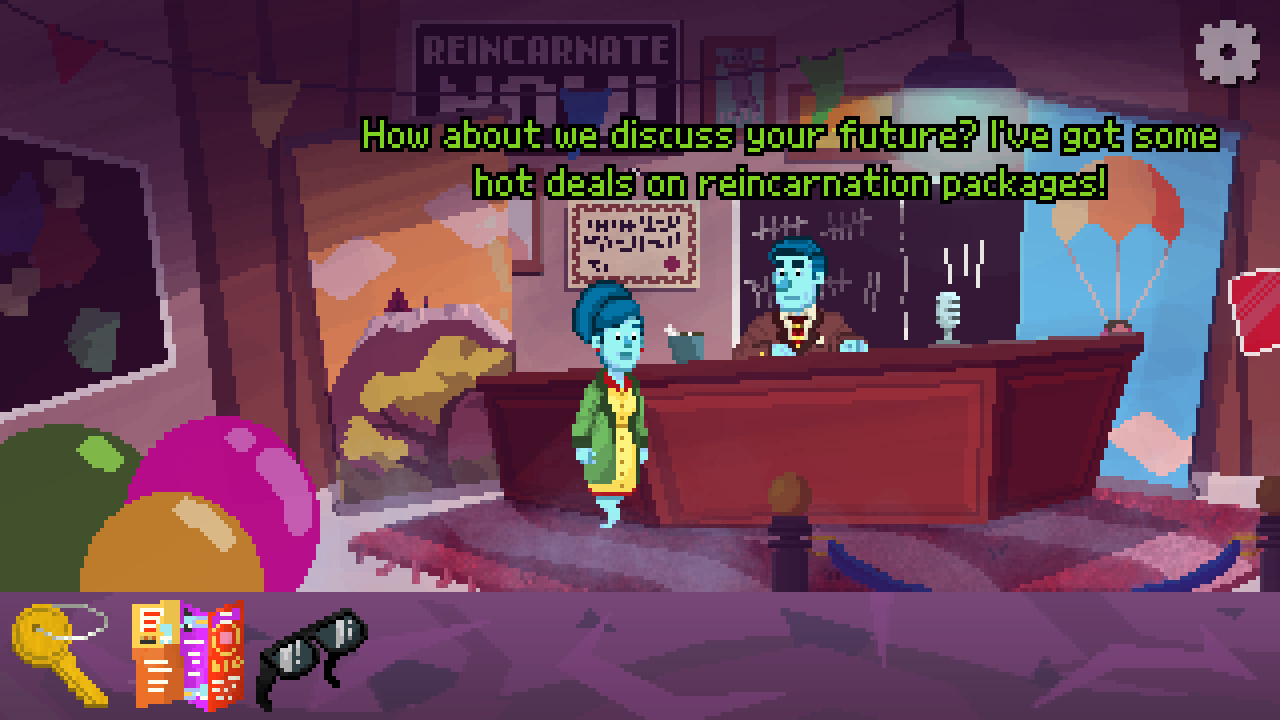
Simultaneously, Shadows of the Afterland arrives on the Nintendo Switch. Originally hitting Steam in February, this title by Aruma Studios shifts the focus toward narrative-heavy exploration. Set in 1960s Madrid, the story follows a maid named Pilar whose afterlife is complicated by the presence of a police officer from 1988 named Carolina. The game’s mechanics revolve around possession and multi-world navigation, appealing to fans of the classic LucasArts adventure era.
May 7th: The Early Access Launch of Alabaster Dawn
Mid-week marks the most significant release for fans of high-speed action: Alabaster Dawn. Developer Radical Fish Games, having earned critical acclaim for their previous title CrossCode, is looking to push the boundaries of their signature style. The game combines platforming, parkour, and complex dungeon puzzles into a cohesive package. In a bold move, the developers have included an optional "roguelite mode" to provide replayability during the Early Access phase, ensuring players have a robust experience while the team continues to iterate on the final build.
Supporting Data and Development Context
The Radical Fish Philosophy
The transition of Alabaster Dawn into Early Access provides a masterclass in modern indie development. Having seen the game in its demo phase last fall, industry observers have noted a significant uptick in polish. Radical Fish Games has opted for an iterative approach, utilizing the Early Access model not just for bug fixing, but for community-driven content expansion. By integrating an optional roguelite mode, they are addressing the common "Early Access fatigue" by providing a repeatable gameplay loop that exists independent of the main narrative progression.
The "Opaque" Aesthetic of The Traveller Tale
Mystic Dream Studios has made a series of conscious design choices that warrant analysis. In an era where high-fidelity, photorealistic water and fluid motion capture are the industry standards, The Traveller Tale moves in the opposite direction. The decision to maintain blocky textures and low-frame-rate animations is not a lack of capability, but a stylistic commitment. This "opaque" aesthetic creates a specific cognitive dissonance that serves to ground the player in the 90s CRPG experience. Furthermore, the inclusion of high-quality voice acting—which defies the "so-bad-it’s-good" trope of early voice work—provides a modern anchor to an otherwise archaic presentation.
Official Responses and Developer Intent
When discussing the shift of Axe Cop to consoles, the developers have emphasized the importance of accessibility. The goal was never to modernize the game into something it is not, but rather to allow a broader audience to experience the humor and structure of the original title. By keeping the Game Boy-esque visuals intact, they have managed to preserve the "innocence" of the game’s core concept—a story written with the uninhibited imagination of a child.
Regarding Shadows of the Afterland, Aruma Studios has been vocal about the importance of the Switch platform for the adventure game genre. "The nature of point-and-click gameplay is perfectly suited for the portable, touch-screen environment of the Switch," a sentiment echoed by the wider indie development community. For many developers, the console release is the final step in ensuring their game reaches the widest possible demographic of "classic adventure" enthusiasts.
Implications: The State of the RPG Market
The current release cycle offers several key implications for the future of the RPG genre:
- The Persistence of Niche Appeal: The success of games like The Traveller Tale proves that there is a thriving, dedicated market for "janky" or retro-styled experiences. Players are increasingly prioritizing artistic intent over technical graphical fidelity.
- Early Access as a Development Tool: Alabaster Dawn serves as a case study for how to manage community expectations during an extended development cycle. By providing a roguelite mode, developers are acknowledging the need for "meat" in the game, even before the full story content is finalized.
- Cross-Genre Integration: The inclusion of Shadows of the Afterland in our "RPGs Coming This Week" highlights the blurring lines between genres. Adventure games with strong narrative agency and character-driven mechanics are increasingly being categorized alongside traditional RPGs. This suggests a shift where "RPG" is becoming less about specific stat-sheets and more about the player’s ability to inhabit a role within a complex, unfolding story.
- The "Console-First" vs. "PC-First" Divide: While the PC remains the primary testing ground for innovative, retro-styled projects, the console market is increasingly hungry for these titles. The porting of Axe Cop and Shadows of the Afterland indicates that publishers are seeing significant value in bringing specialized PC experiences to the living room couch.
As we look toward the remainder of the year, it is clear that the RPG genre is not a monolith. It is a vast, diverse, and deeply creative space that rewards both the studio attempting to push the limits of action-platforming and the studio aiming to replicate the exact feel of a 1994 floppy-disk adventure. For the player, this means a week of unparalleled choice, where the only limit is how much time one can dedicate to these immersive, varied worlds. Whether you are leaping across the crumbling bridges of Alabaster Dawn or solving the afterlife mysteries of Shadows of the Afterland, the RPG community continues to demonstrate that there is no "right way" to build an adventure.











No comments yet. Be the first to join the conversation!