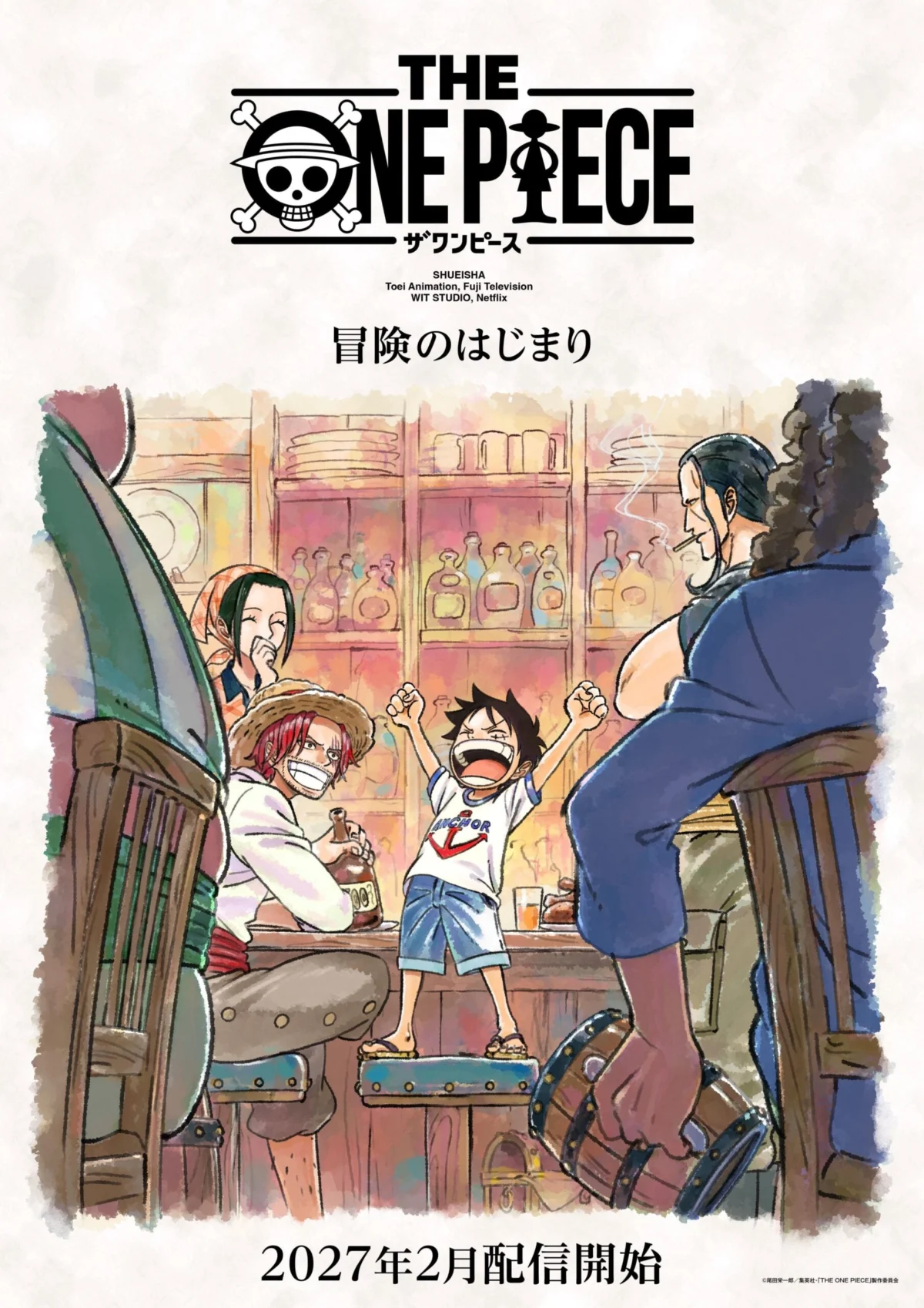
The world of Eiichiro Oda’s One Piece is currently experiencing a renaissance of unprecedented proportions. While the original manga reaches a fever pitch with the Straw Hat Pirates facing the enigmatic Imu, and Toei Animation’s long-running anime adaptation transitions into the highly anticipated Elbaf Arc, a third pillar of the franchise is beginning to take shape. Netflix and Wit Studio have finally broken a nearly two-year silence to provide concrete details regarding The One Piece, a ground-up reimagining of the legendary pirate odyssey.
Scheduled for a global release in February 2027, this reboot aims to strip away decades of "filler" and pacing issues, offering a streamlined, high-fidelity experience for both veteran fans and a new generation of viewers.
Main Facts: A Condensed Journey to the Grand Line
The announcement, disseminated via Netflix’s official "Tudum" platform and subsequent press releases, confirms that the inaugural season of The One Piece will focus exclusively on the foundational "East Blue Saga." However, unlike the original 1999 anime, which took 61 episodes to cover this ground, Wit Studio is opting for a significantly more compact format.
Season 1 is slated to consist of seven episodes, with a total estimated runtime of approximately 300 minutes. This suggests an average episode length of roughly 42 to 45 minutes—nearly double the length of a standard broadcast anime episode. This format aligns more closely with "prestige television" structures seen in Western streaming hits, allowing for cinematic pacing and uninterrupted narrative flow.
The first season will adapt the first 50 chapters of Oda’s manga. This narrative arc encompasses Monkey D. Luffy’s humble beginnings in Foosha Village, his recruitment of the swordsman Roronoa Zoro, the confrontation with Buggy the Clown, the recruitment of Usopp in Syrup Village, and concludes with the high-stakes battle at the floating restaurant, Baratie, where the crew encounters the chef Sanji.
Chronology: From Jump Festa 2024 to the 2027 Horizon
The road to The One Piece began in December 2023 during Jump Festa 2024. The announcement sent shockwaves through the industry: a major studio (Wit) would be re-adapting a property that was still actively being produced by another studio (Toei Animation). This was a nearly unprecedented move in the anime world, signaling Netflix’s intent to turn One Piece into a multi-platform "evergreen" franchise.
Following that initial teaser, the project entered a period of "radio silence" that lasted nearly two years. During this interim, fans speculated on whether the project had been delayed or if the scope had changed. On May 5th—a date significant to fans as it marks Monkey D. Luffy’s birthday—Netflix and Wit Studio finally provided the technical specifications and the 2027 release window.
The timeline reflects a deliberate, slow-burn production cycle. By setting the release for February 2027, Wit Studio is allowing for a three-year production window from the point of announcement. This timeline is indicative of a "prestige" production, moving away from the "weekly grind" of traditional shonen anime to ensure that every frame meets modern cinematic standards.
Supporting Data: The Pedigree of the Production Staff
The excitement surrounding The One Piece is not merely due to the source material, but the "All-Star" team assembled to bring it to life. Netflix and Shueisha have tapped some of the most respected names in the industry to ensure the reboot distinguishes itself from Toei’s version.
Direction and Scripting
The series will be helmed by Masashi Koizuka, a director whose name is synonymous with high-octane action and emotional gravity. Koizuka served as the director for the second and third seasons of Attack on Titan, a series praised for its complex camera work and visceral animation.
Joining him is scriptwriter Taku Kishimoto, whose resume includes the critically acclaimed Haikyuu!!, Blue Lock, and the upcoming Sakamoto Days. Kishimoto is known for his ability to condense long-running manga into tight, emotionally resonant television scripts without losing the essence of the characters.
Visual Identity
The visual aesthetic of the reboot is being handled by a duo of heavyweights. Kyoji Asano, a co-founder of Wit Studio and the character designer for Attack on Titan and Spy x Family, will serve as a chief animation director. Alongside him is Takatoshi Honda, known for his stellar work on the recent cinematic masterpiece The First Slam Dunk.
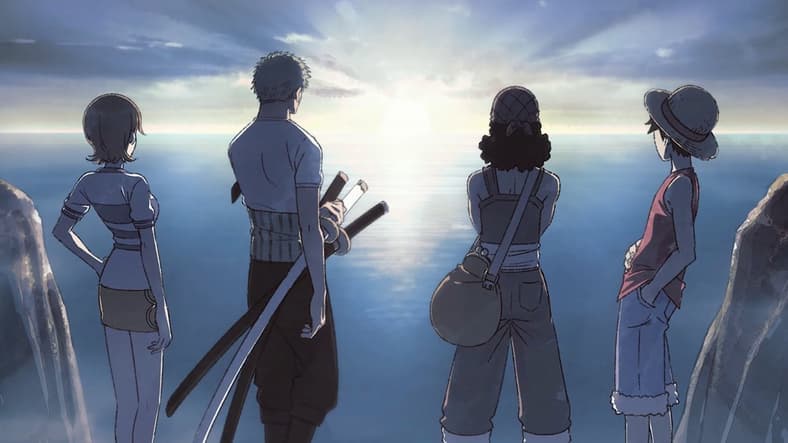
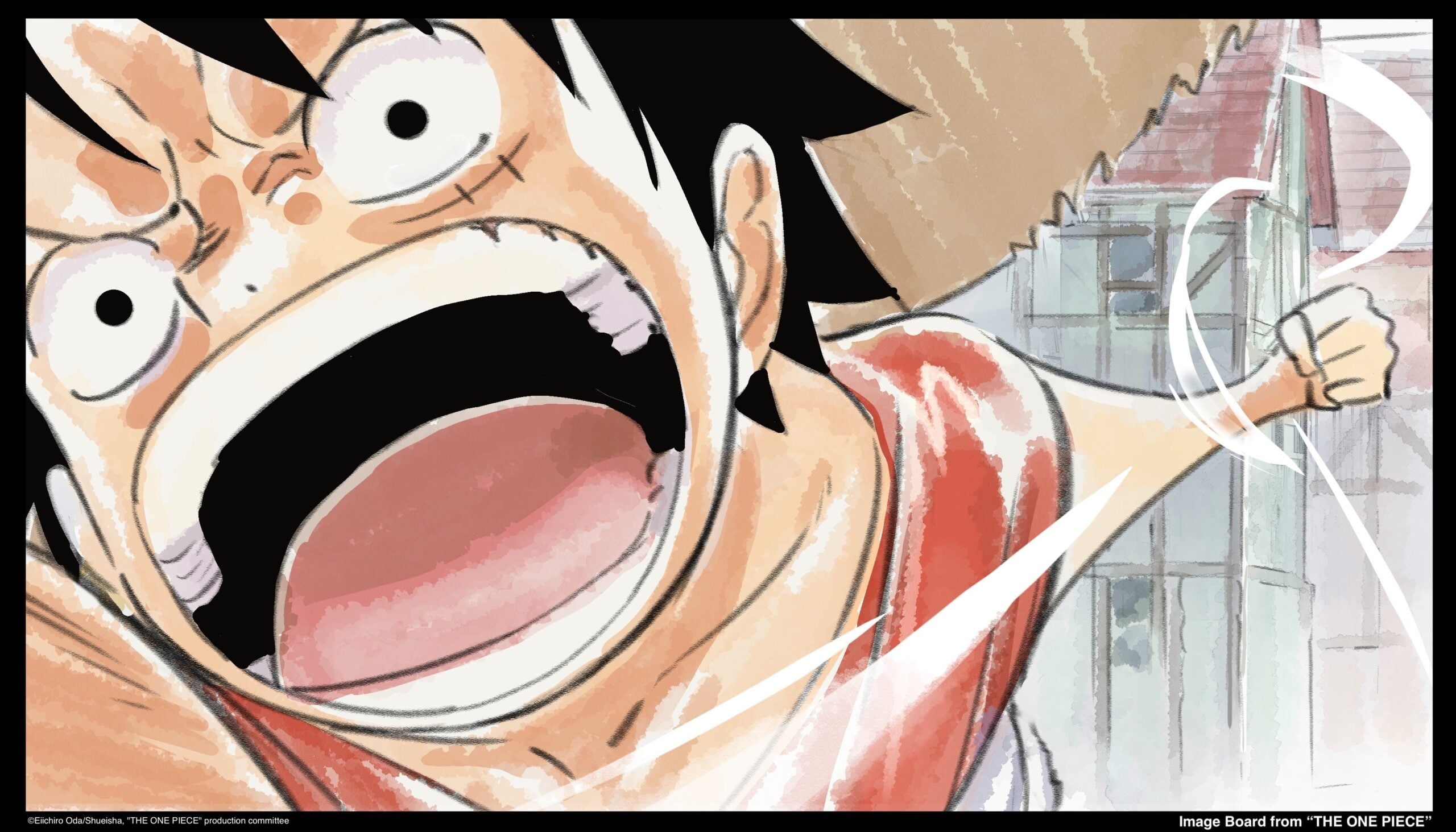
Early concept art released by the studio suggests a departure from the "rubber-hose" simplicity of the early 1990s manga style, opting instead for a more textured, painterly approach that emphasizes the scale of the world and the grittiness of pirate life, while still maintaining the vibrant colors essential to Oda’s vision.
Official Responses: Addressing Fan Anxiety
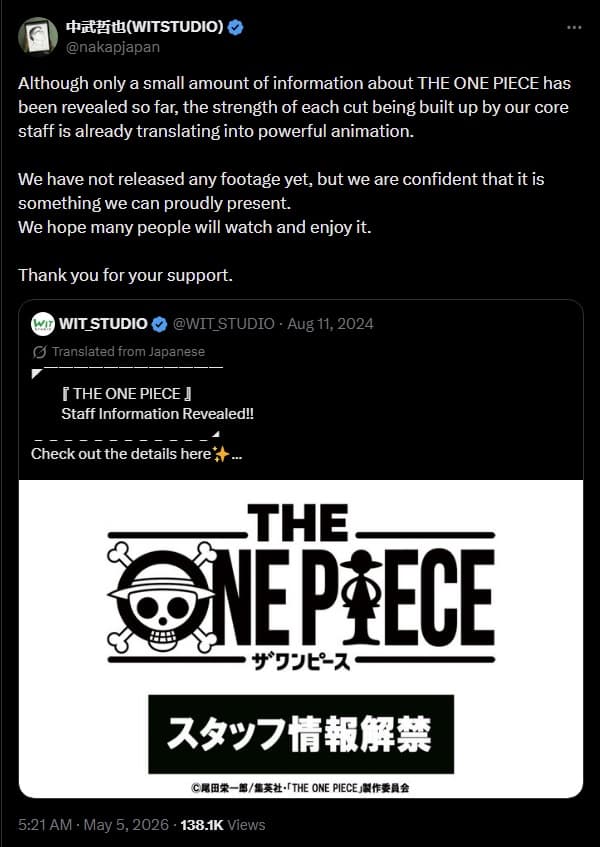
The lack of a traditional trailer—despite the project being in development for a significant period—has caused some trepidation within the "Nakama" community. To mitigate these concerns, Wit Studio Co-Founder Tetsuya Nakatake addressed the public via his personal social media accounts.
Nakatake emphasized that the decision to withhold footage is a matter of quality control rather than a lack of progress. "The effort our core team has poured into polishing every single scene has already transformed into incredibly powerful animation quality," he stated. He further assured fans that while no footage is ready for public consumption, the studio is "confident this is a work we can proudly present to everyone."
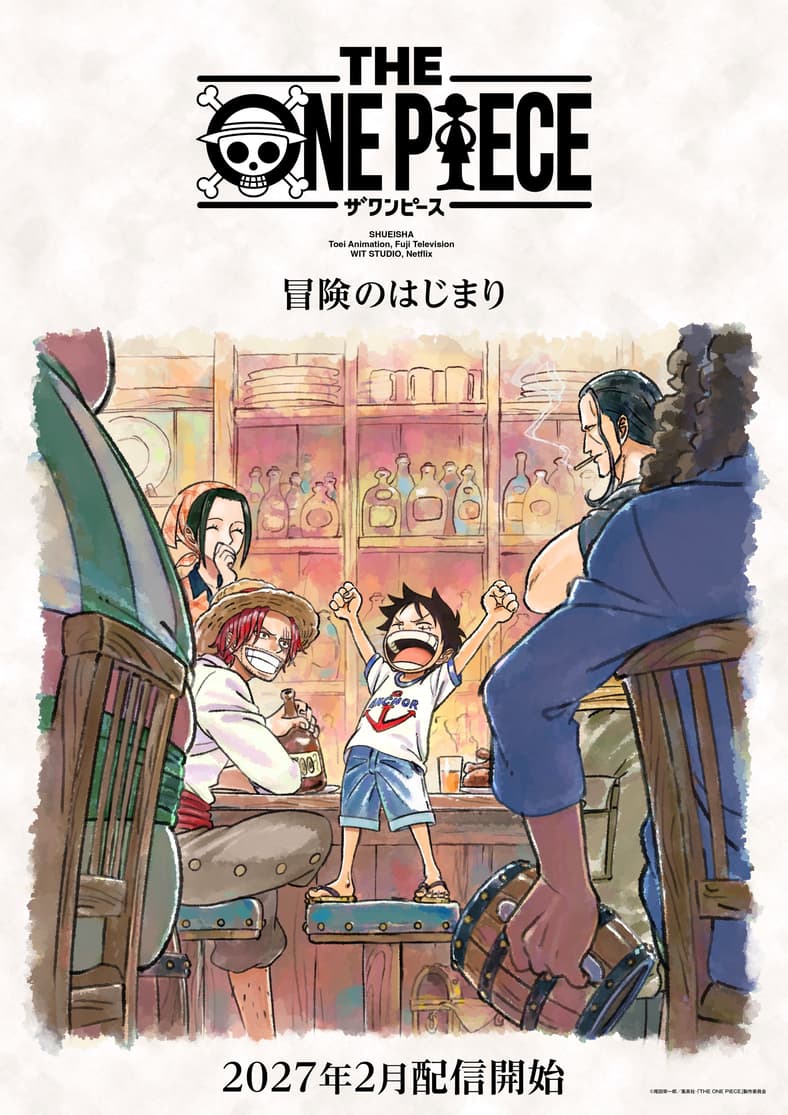
The studio has instead released a series of "Behind the Scenes" vignettes and concept art boards. These images depict iconic moments: a young Luffy receiving the Straw Hat from Shanks, the sprawling vistas of the East Blue, and dynamic character sheets that show a more anatomically detailed version of the Straw Hat crew.
Implications: Why a Reboot, and Why Now?
The existence of The One Piece raises a fundamental question: Why reboot a series that is still successfully airing? The answer lies in the shifting landscape of global media consumption and the specific hurdles of the original One Piece anime.
1. Solving the "Barrier to Entry"
With over 1,100 episodes, the original Toei anime is a daunting prospect for new viewers. By creating a seasonal, high-quality reboot, Netflix is creating a "Goldilocks" entry point—one that is modern enough to appeal to younger audiences but faithful enough to satisfy purists.
2. Pacing and "Filler"
The original anime was produced at a time when the TV broadcast was catching up to the manga. This resulted in "stretched" episodes where a single chapter might be padded out to 20 minutes. The One Piece is free from these constraints. Adapting 50 chapters into 300 minutes allows for a pace of approximately six chapters per hour—a gold standard for modern shonen adaptations like Jujutsu Kaisen.
3. The Netflix Ecosystem
Netflix has seen massive success with its live-action One Piece adaptation. By offering a high-end anime version alongside the live-action and the original Toei version, Netflix creates a "closed loop" for the franchise. A viewer who enjoys the live-action show can transition to the Wit Studio anime for a similar "seasonal" experience, eventually leading them to the manga or the original long-running series.
4. Technical Modernization
The early episodes of One Piece were produced in a 4:3 aspect ratio with standard-definition cel animation. While charming, these episodes do not always translate well to modern 4K home theater setups. Wit Studio is utilizing modern digital compositing, 3D environmental rendering, and high-frame-rate action sequences to bring the East Blue in line with contemporary hits like Demon Slayer.
Conclusion: A Strategic Gamble on Legacy
The One Piece is more than just a remake; it is a strategic attempt to "future-proof" one of the most important stories in literary history. By involving the original stakeholders—Shueisha, Fuji TV, and even Toei Animation—Netflix has ensured that this reboot is not a replacement, but a companion piece.
As the February 2027 release date approaches, the pressure on Wit Studio will only mount. Reimagining the "East Blue Saga"—the arc that defined the childhoods of millions—is a Herculean task. However, with a staff comprised of industry titans and a production schedule that prioritizes quality over quantity, The One Piece is poised to become the definitive way for a new generation to discover why "The One Piece is real."