Jia Lissa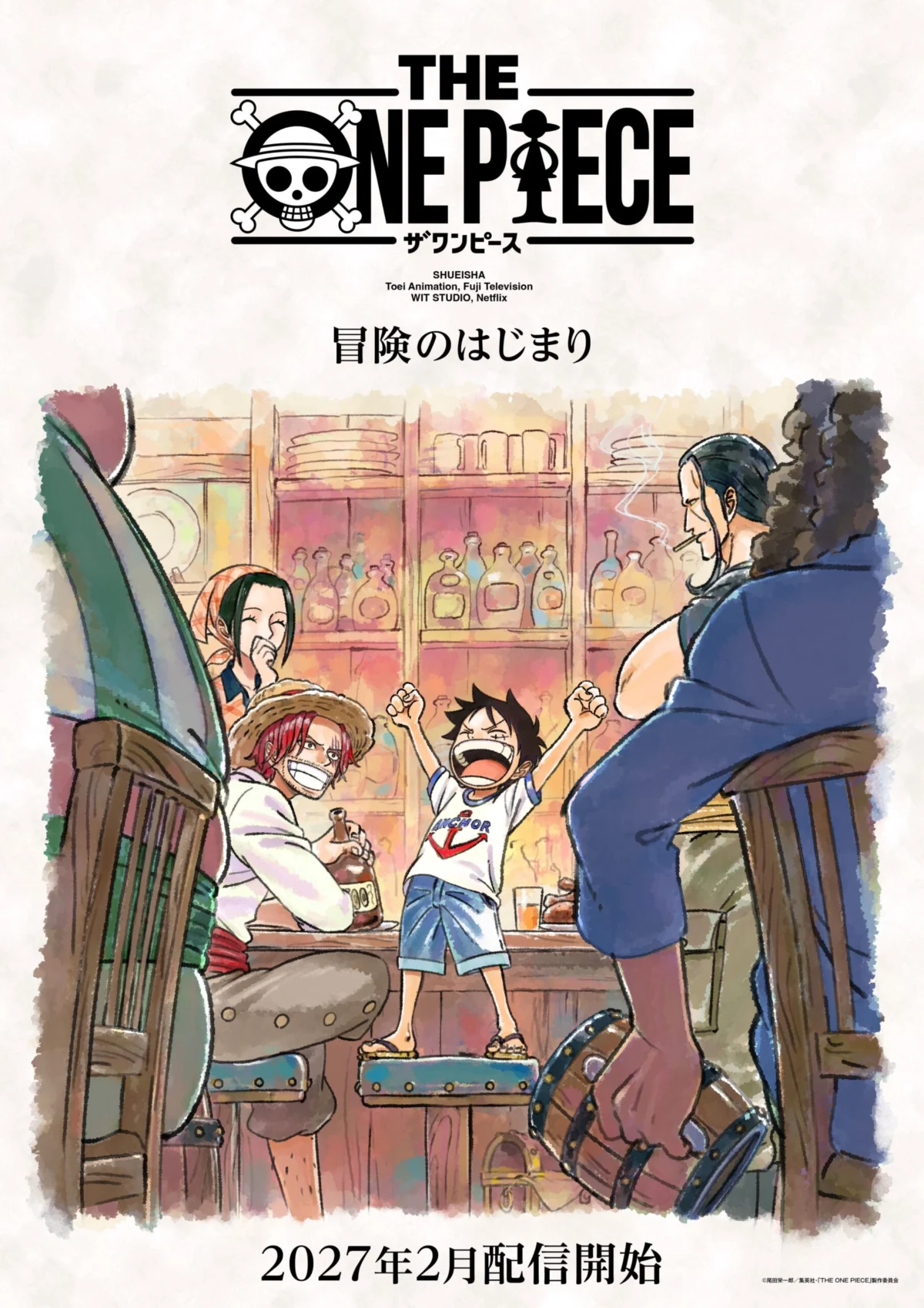
The global cultural phenomenon that is Eiichiro Oda’s One Piece is currently experiencing an unprecedented era of expansion. While the original manga reaches a fever pitch with the Straw Hat Pirates navigating the treacherous waters of Elbaf and confronting the enigmatic Imu, and the Toei Animation series continues its decades-long weekly broadcast, a third major pillar of the franchise is taking shape. Netflix and Wit Studio have officially broken their silence regarding The One Piece, the highly anticipated anime reboot designed to reimagine the legendary odyssey for a modern audience.
In a series of recent updates, the production committee has confirmed that The One Piece is scheduled to debut in February 2027. This ambitious project aims to strip away decades of "filler" and pacing issues, offering a streamlined, high-fidelity adaptation of the source material. With a powerhouse creative team at the helm and a release strategy tailored for the streaming era, the reboot represents a significant gamble on the enduring legacy of Monkey D. Luffy.
Main Facts: A New Pacing for a Legendary Tale
The announcement provides the most concrete details to date regarding the structure and scope of the reboot’s inaugural season. Unlike the original Toei Animation adaptation, which has exceeded 1,100 episodes and often struggled with a "one chapter per episode" pacing constraint, The One Piece will adopt a seasonal, prestige format.
Key Specifications:
- Release Date: February 2027.
- Platform: Exclusive to Netflix.
- Studio: Wit Studio (Attack on Titan Seasons 1-3, Spy x Family, Vinland Saga).
- Episode Count: 7 episodes.
- Total Runtime: Approximately 300 minutes.
- Content Scope: The East Blue Saga (adapting the first 50 chapters of the manga).
By condensing 50 chapters into roughly five hours of content, Wit Studio is signaling a radical departure from the traditional long-running shonen format. This approach suggests a focus on cinematic fluidity and narrative density, ensuring that the foundational "East Blue" arcs—from Luffy’s childhood in Foosha Village to the recruitment of the cook Sanji at the Baratie—are delivered with maximum emotional and visual impact.
Chronology of Development: From Jump Festa to 2027
The journey toward this reboot began in December 2023 at Jump Festa 2024, where Netflix shocked the anime community by announcing a partnership with Wit Studio to re-adapt Oda’s manga from the very beginning. The announcement was met with a mixture of excitement and skepticism, as the original anime is still ongoing and remains a top performer for Toei Animation.
Following the initial reveal, the project entered a period of "radio silence" lasting nearly two years. During this time, fans speculated on the art style, the voice cast, and how the series would differentiate itself from the 1999 original. On May 5th—coincidentally Monkey D. Luffy’s birthday—Netflix and Wit Studio finally broke the deadlock.
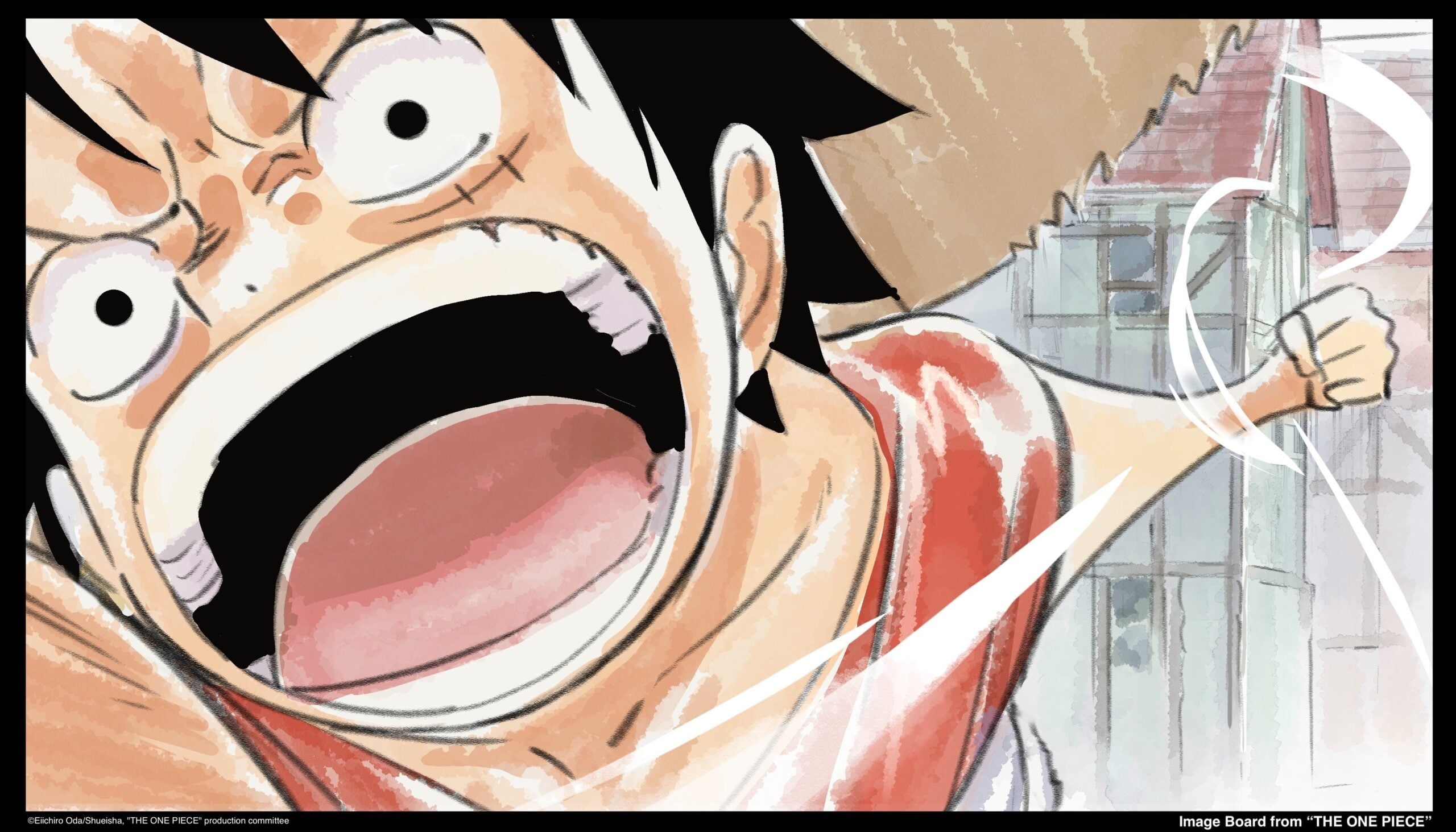
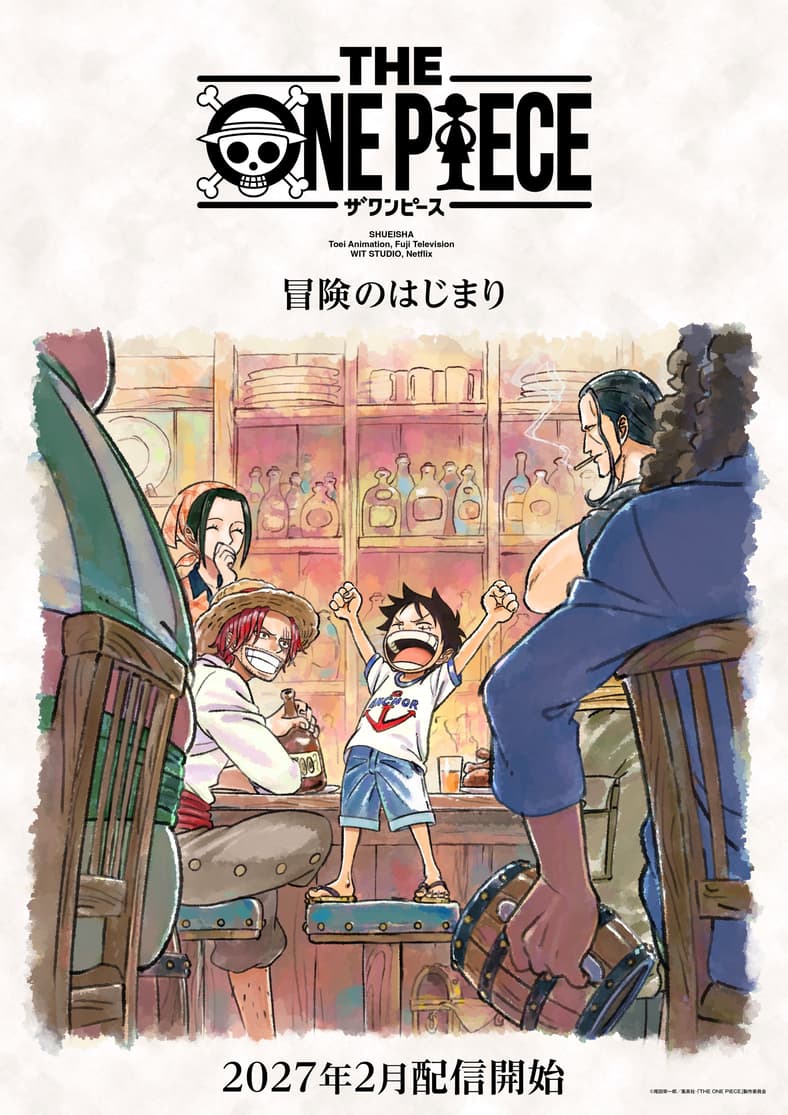
The update provided a glimpse into the pre-production phase, revealing concept art and character design sheets. These visuals showcased a vibrant, painterly aesthetic that honors Oda’s early art style while utilizing modern digital compositing techniques. The timeline has now been solidified, placing the premiere in early 2027, which allows the studio a generous production window to ensure the animation meets the "prestige" standards set by Wit’s previous works.
Supporting Data: The Creative Powerhouse Behind the Scenes
The credibility of The One Piece rests largely on the pedigree of its creative leads. Netflix has assembled a "dream team" of industry veterans known for their work on some of the most critically acclaimed anime of the last decade.
Directorial and Scripting Leadership
The series will be helmed by Masashi Koizuka, whose work as a director on Attack on Titan (specifically Seasons 2 and 3) redefined what was possible for television animation. Koizuka is renowned for his ability to handle complex action sequences and high-stakes drama, making him a natural fit for the kinetic world of One Piece.
Joining him is Taku Kishimoto, a prolific scriptwriter whose credits include Haikyu!!, Erased, and the upcoming Sakamoto Days. Kishimoto’s involvement is a strategic move to ensure the condensed pacing remains coherent. Distilling 50 chapters into seven episodes requires a surgical approach to storytelling, and Kishimoto’s track record with character-driven narratives suggests the emotional core of the Straw Hats will remain intact.
Visual Identity and Animation
The character designs are being handled by a duo of heavyweights: Kyoji Asano and Takatoshi Honda. Asano is a co-founder of Wit Studio and the chief animation director for Attack on Titan, while Honda recently gained acclaim for his work on the visually stunning The First Slam Dunk.
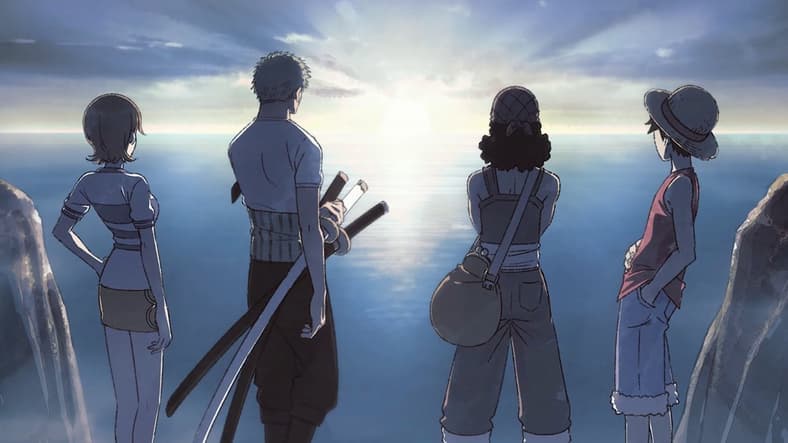
Their task is to modernize the "East Blue" designs, which were originally characterized by simpler lines and rounder shapes, into something that feels contemporary without losing the whimsical charm of the early 1990s manga. Concept art released so far indicates a focus on "texture" and "lighting," with environments like the floating restaurant Baratie and the coastal beauty of Foosha Village receiving a level of detail previously reserved for feature films.
Official Responses: Addressing Fan Concerns
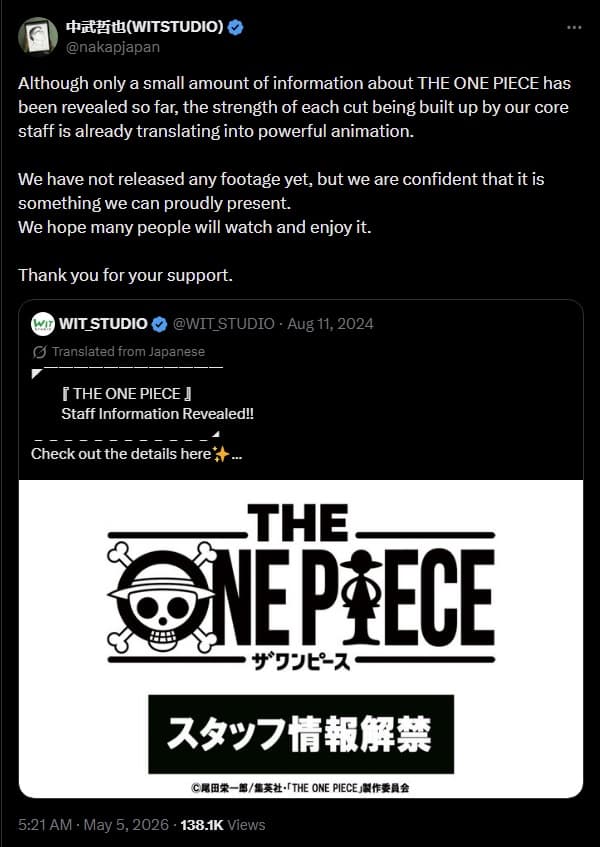
The lack of a fully animated trailer nearly three years after the initial announcement has caused some anxiety within the "Nakama" (fanbase). Addressing these concerns, Wit Studio Co-Founder Tetsuya Nakatake issued a statement via social media to reassure the public of the project’s health.
"Although only a small amount of information about The One Piece has been revealed so far, the effort our core team has poured into polishing every single scene has already transformed into incredibly powerful animation quality," Nakatake stated. He emphasized that the production is prioritizing quality over speed, aiming to create a version of the story that can stand for another twenty years. "Even though no footage has been shown publicly yet, we’re confident this is a work we can proudly present to everyone."
The involvement of Toei Animation and Shueisha as producers alongside Netflix and Wit is also a crucial detail. This collaboration suggests that the reboot is not intended to replace the ongoing Toei series, but rather to coexist with it. Toei’s participation likely ensures that the reboot has access to the franchise’s vast resources while allowing Wit the creative freedom to experiment with a different visual language.
Implications: A Strategic Shift for the Anime Industry
The existence of The One Piece carries profound implications for the future of the anime industry and the "streaming wars."
1. The Rise of the "Remake" Trend
Traditionally, anime remakes were reserved for series that were either unfinished or had deviated significantly from their source material (e.g., Fullmetal Alchemist: Brotherhood or Fruits Basket). One Piece is a unique case: a remake of a series that is still currently airing and is highly successful. This suggests a new industry standard where "legacy" franchises are rebooted to remove filler and update visuals for younger audiences who may be intimidated by a 1,000-episode backlog.
2. Netflix’s Dominance in Global Distribution
Netflix has pivoted from being a mere distributor to a primary producer of high-end anime. By securing The One Piece, Netflix is positioning itself as the "Home of One Piece," alongside its successful live-action adaptation. This vertical integration allows Netflix to capture multiple demographics: those who prefer live-action, those who want the classic weekly experience, and those who want a modern, bingeable reboot.
3. Pacing as a Creative Tool
The decision to cover the first 50 chapters in 300 minutes is a direct response to the "pacing" complaints that have dogged the Toei adaptation for years. In the original anime, the East Blue Saga took 61 episodes to cover roughly 100 chapters. By tightening the narrative, Wit Studio can focus on the "Sakuga" (high-quality animation) moments, such as Zoro’s duel with Mihawk or Luffy’s battle against Don Krieg, without the need for extended reaction shots or repetitive flashbacks.
4. Technical Modernization
The 1999 One Piece anime was produced in a 4:3 aspect ratio with cel animation. While nostalgic, it lacks the visual fidelity of modern 4K HDR standards. The One Piece will utilize the latest in digital animation technology, likely incorporating 3D backgrounds with 2D character layers to create a sense of scale that was impossible in the late 90s. This modernization is essential for the franchise to remain competitive in a market dominated by visually spectacular shows like Demon Slayer and Jujutsu Kaisen.
Conclusion: The February 2027 Horizon
As 2027 approaches, the anticipation for The One Piece will only continue to mount. For veteran fans, it offers a chance to rediscover the magic of the "Romance Dawn" through a fresh lens. For newcomers, it provides an accessible entry point into one of the most complex and rewarding stories ever told in the medium of manga.
While the wait until February 2027 may seem long, the pedigree of Wit Studio and the strategic backing of Netflix suggest that the "Great Pirate Era" is about to be reborn with a level of craftsmanship that honors Eiichiro Oda’s legendary vision. The Straw Hats are preparing to set sail once more, and this time, the journey promises to be swifter, sharper, and more vibrant than ever before.


 Lina Irawan
 Reynand Wu