

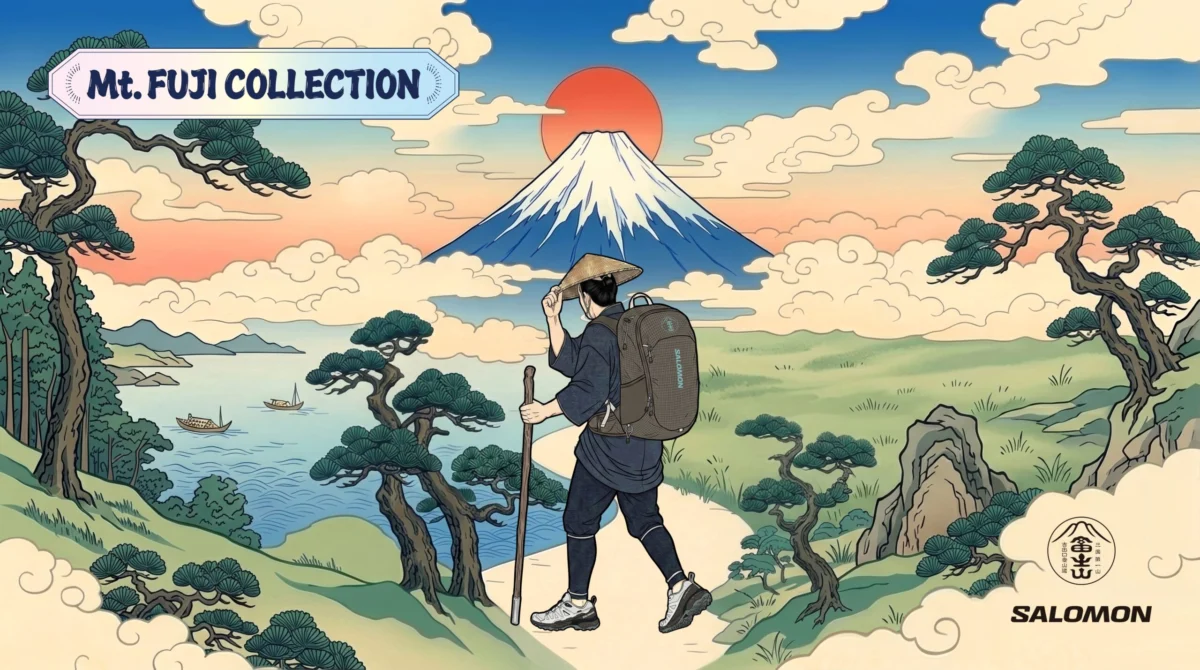
Mt. Fuji is more than a geological marvel; it is the beating heart of Japanese identity. Towering at 3,776 meters, the dormant stratovolcano has served as a divine muse for centuries, immortalized in the woodblock prints of Hokusai and the evocative verses of classical poets. For modern climbers, reaching the summit—especially in time to witness the goraiko (the rising sun)—has become a quintessential bucket-list experience.
However, ascending the "Symbol of Japan" requires more than just spirit; it demands precision, preparation, and the right equipment. Recognizing this, the French mountain sports powerhouse Salomon has unveiled an exclusive Japan-only collection, merging high-performance technical gear with a deep reverence for the mountain’s historical significance.
Main Facts: A Collaboration of Heritage and Performance
Launched on July 1, the Salomon Mt. Fuji Collection is not merely a branding exercise; it is a celebration of the "Mt. Fuji Re-Style Project." Born from a partnership initiated in 2025 between Salomon and the city of Fujiyoshida, the collection aims to bridge the gap between contemporary outdoor performance and the preservation of the ancient Fujimichi—the traditional pilgrimage routes that once defined the ascent to the summit.

The collection features two flagship items designed for durability and comfort:
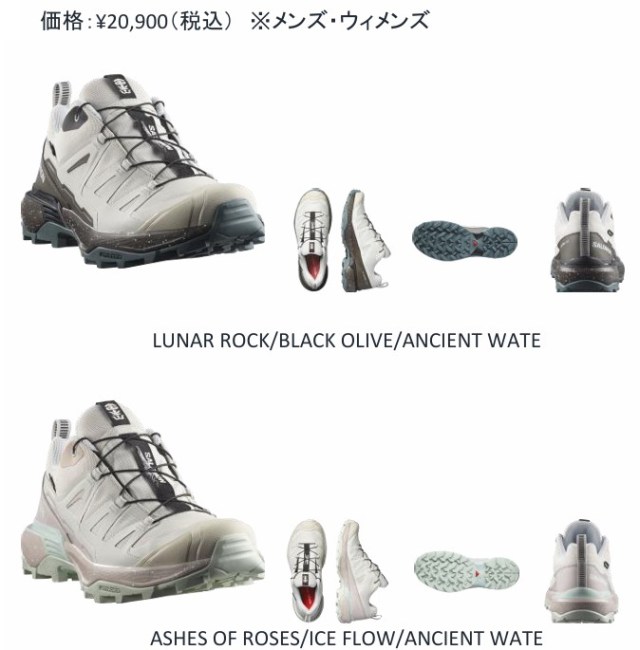
- X Ultra 360 Gore-Tex Fuji Ltd: Retailing at 20,900 yen (approx. US$128), these hiking shoes are engineered for the unpredictable terrain of Fuji’s volcanic slopes. The limited-edition model features a subtle, elegant Mt. Fuji emblem stitched onto the tongue, serving as a badge of honor for the wearer.
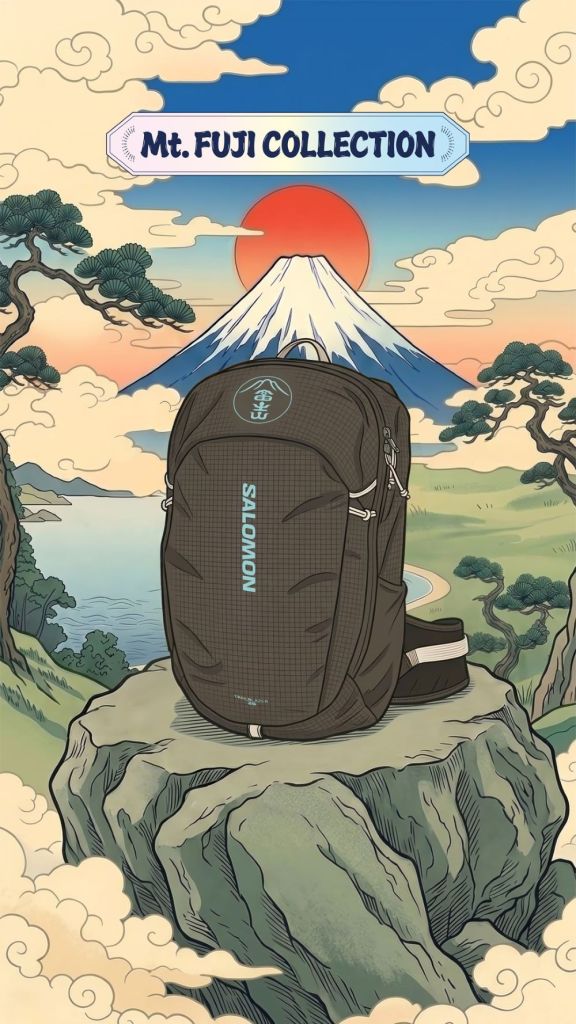
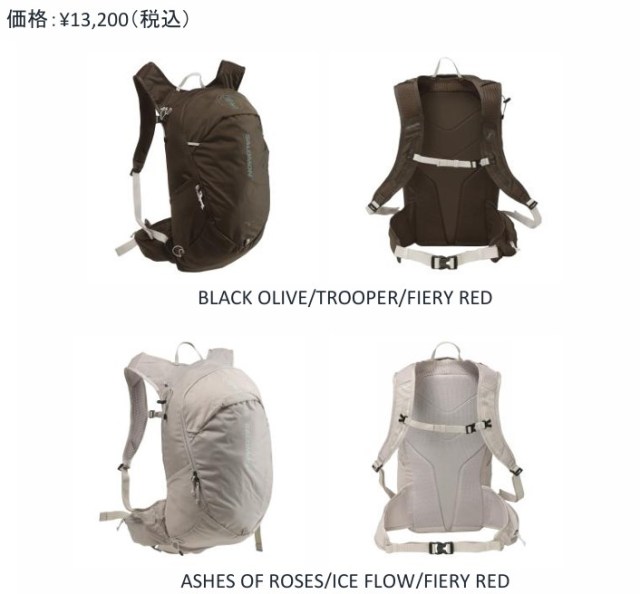
- Trailblazer 20 Mont Fuji: Priced at 13,200 yen, this versatile backpack features the same commemorative branding. It is designed to be the perfect companion for the multi-day approach or the final push to the crater rim.
These items are available at select Salomon retail locations nationwide and through the brand’s official Japanese online portal.
Chronology: The Evolution of the Fujimichi Approach
To understand the significance of this collection, one must look at how the experience of climbing Mt. Fuji has shifted over time. Historically, pilgrims did not start their journey at the fifth station. Instead, they ascended from the base, treating the climb as a spiritual purification ritual that began at the town level.

- Pre-20th Century: The Fujimichi acted as a literal and metaphorical gateway. Pilgrims would traverse the trail from Otsuki Station, winding through lush forests and historic waypoints, eventually joining the Yoshidaguchi Trail. This path led them from the first station all the way to the summit.
- Modern Era: Over the last few decades, the development of toll roads and bus networks shifted the start of the climb to the fifth station. While this increased accessibility, it effectively severed the connection between the mountain and the historical towns at its base.
- 2025: Salomon and Fujiyoshida City formally established the "Mt. Fuji Re-Style Project." The goal: to revitalize the historic, lower-altitude trails and encourage hikers to rediscover the "true" climb.
- July 2026: The release of the commemorative collection marks the next phase of this initiative, tying commercial support directly to the ongoing restoration of the trail infrastructure.
Supporting Data: The Anatomy of the Ascent
The Fujimichi trail is a significant undertaking, spanning approximately 24 kilometers (15 miles). Unlike the popular four main trails—Yoshida, Fujinomiya, Subashiri, and Gotemba—which prioritize a rapid vertical gain from the fifth station, the Fujimichi approach requires a commitment to the journey.
The Role of Naka no Chaya
Central to the project is the revitalization of Naka no Chaya, a resthouse with over 300 years of history situated on the trail to the first station. By renovating this site, the project provides a sanctuary for hikers to rest, refuel with local delicacies, and connect with the mountain’s cultural heritage before the arduous climb ahead.
Safety and Infrastructure
The collaboration extends to the physical safety of modern climbers. Salomon is actively supporting the first aid center located at the eighth station. This is a critical component of the project, as the eighth station is often where climbers encounter the most acute altitude sickness and physical fatigue. By bridging the gap between the base-trail restoration and the high-altitude medical facilities, the project ensures a holistic approach to climber safety.
Official Responses and Strategic Intent
The collaboration between a global outdoor brand like Salomon and a local municipality like Fujiyoshida represents a growing trend in "sustainable tourism" in Japan.
"The goal of this project is to restore the dignity of the pilgrimage," a spokesperson for the Fujiyoshida tourism board noted during the announcement. "By focusing on the lower trails, we are not only preserving historical structures like the Naka no Chaya but also dispersing the massive crowds that currently bottleneck at the fifth station."
Salomon, for its part, views this as an opportunity to reinforce its technical credentials. "Our equipment is built for the Alps, but it is equally at home on the volcanic scree of Mt. Fuji," said a company representative. "By embedding ourselves in the history of the Fujimichi, we are showing that we are not just selling gear; we are participating in the stewardship of the environment we love."
Implications: The Future of Fuji Tourism
The launch of the Mt. Fuji Collection and the underlying Re-Style Project suggest a shift in how Japan intends to manage its most iconic site.
1. Environmental and Cultural Preservation
By incentivizing the use of the lower trails, the project aims to reduce the ecological impact of "over-tourism" at the higher elevations. The restoration of the Fujimichi acts as a form of cultural preservation, ensuring that the legacy of the mountain’s spiritual history is not lost to the convenience of modern bus routes.
2. Economic Revitalization
The project injects revenue into the local economy of the northern face of the mountain. By encouraging hikers to spend time in Fujiyoshida and at historic waypoints like Naka no Chaya, the city can benefit from the tourist economy in a way that is more sustainable and distributed than the current fifth-station-only model.
3. A New Standard for Mountaineering Gear
Salomon’s move sets a precedent for how international brands can engage with local Japanese heritage. Rather than a generic "Japan Edition," the integration of the brand into a municipal infrastructure project creates a deeper, more authentic connection with the consumer. It transforms the purchase of a pair of hiking shoes into a contribution toward the preservation of a national monument.
Conclusion: A Call to the Trails
For those planning to visit Japan this year, the call to climb Mt. Fuji is stronger than ever. However, the experience has evolved. With the release of the Salomon Mt. Fuji Collection, hikers now have the opportunity to equip themselves with gear that honors the mountain’s storied past while providing the technical reliability required for the summit.
Whether you are a seasoned mountaineer or a cultural explorer looking to walk the same paths as the pilgrims of the Edo period, the Fujimichi offers a unique perspective on Japan’s tallest peak. By stepping off the bus at the fifth station and choosing, instead, to walk the historic approach, you are not just hiking—you are participating in a living history.
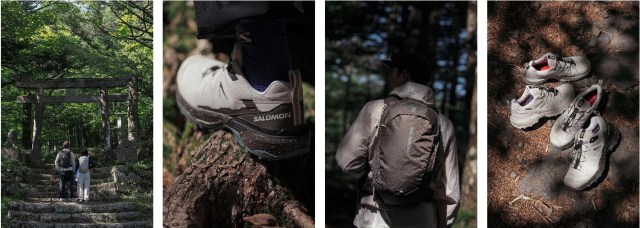
As you lace up your X Ultra 360 Gore-Tex shoes and adjust your Trailblazer 20 pack, remember that you are carrying the legacy of the Fujimichi with you. The journey to the summit is long, but with the right preparation, the right equipment, and a respect for the history of the mountain, it remains an unforgettable, transformative experience.











