Laily UPN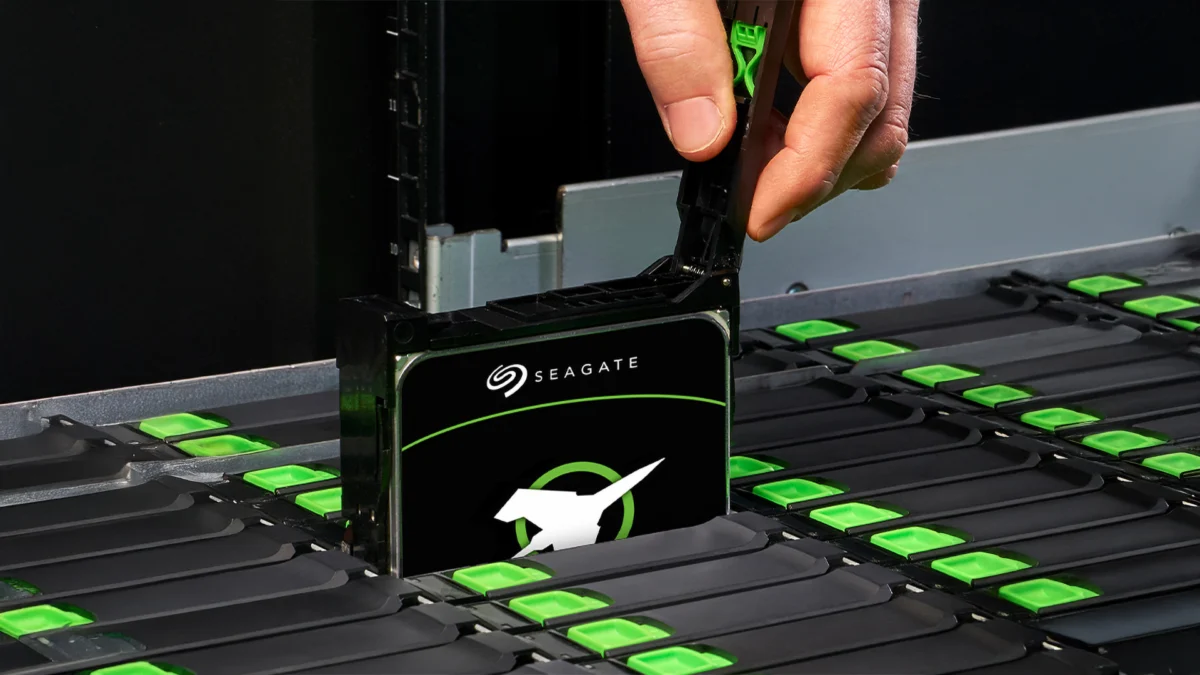
The global data storage landscape is undergoing a tectonic shift, driven by the insatiable appetite of artificial intelligence (AI) and the relentless expansion of cloud hyperscalers. At the heart of this revolution, Seagate Technology has emerged as a critical bellwether for the industry. In its latest financial disclosure, the storage giant confirmed that it is on track to begin customer qualification for its groundbreaking 50TB-class hard disk drives (HDDs) in late 2027, with full-scale shipments expected to commence in 2028.
This announcement comes at a time when the demand for high-capacity storage is outpacing supply, leading to a "sold-out" status for nearline drives well into 2028. As the company navigates this high-growth environment, its strategic focus on Heat-Assisted Magnetic Recording (HAMR) technology has solidified its position as a leader in the race for exabyte-scale density.
The Core Strategy: The Mozaic Platform
Seagate’s roadmap to the 50TB frontier is anchored by its "Mozaic" platform, a proprietary ecosystem that leverages HAMR technology to shatter current areal density limits.
From Mozaic 3 to Mozaic 5
The transition to higher capacities is not merely a matter of adding platters, but of fundamentally redefining how data is written to magnetic media.
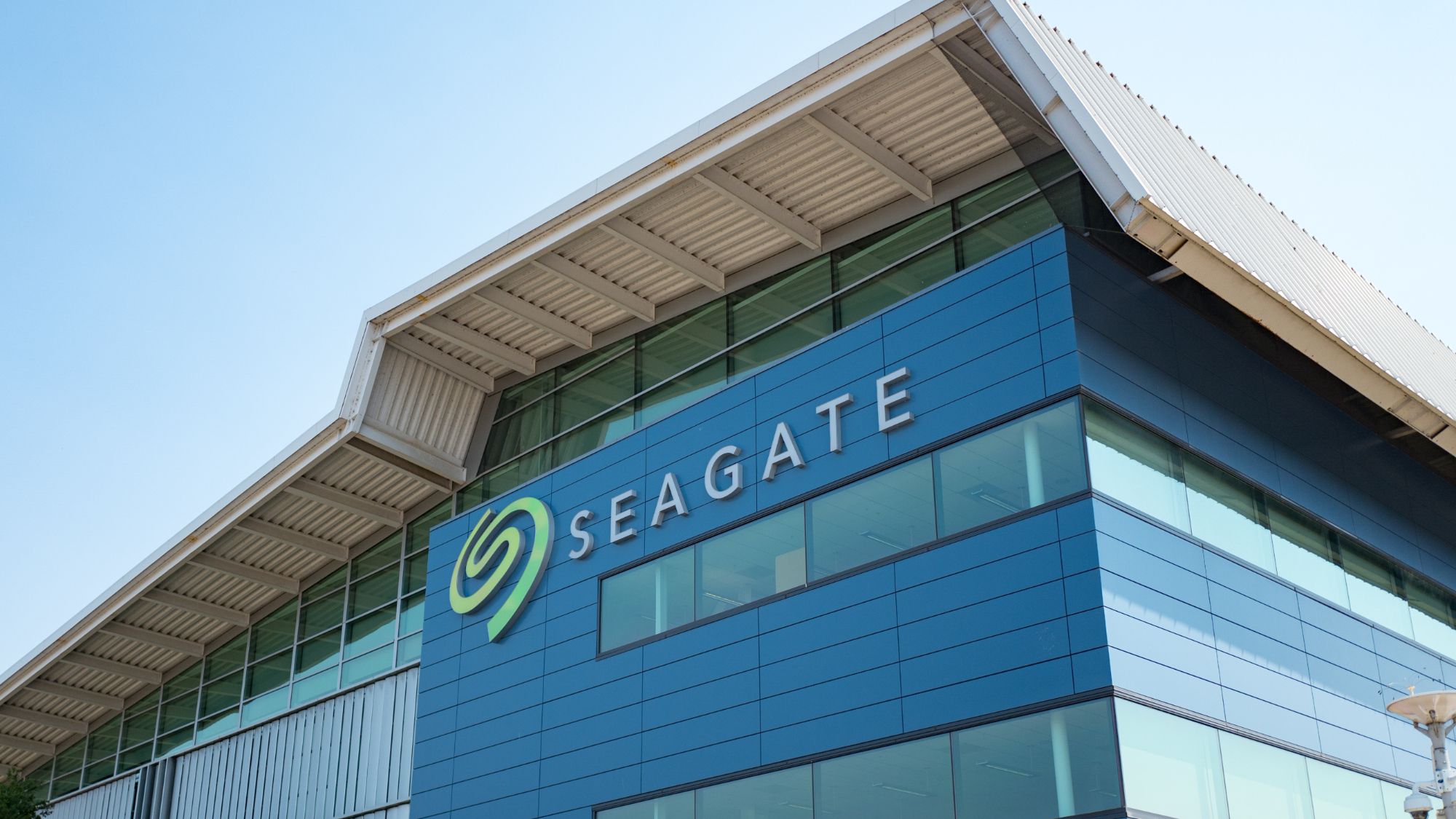
- Mozaic 3: The current backbone of Seagate’s high-capacity portfolio.
- Mozaic 4: Currently in the ramp-up phase, this platform is expected to dominate Seagate’s nearline capacity by 2026, with an estimated 50% of HAMR-based exabytes shifting to this architecture by the end of that year.
- Mozaic 5: The upcoming 5th-generation platform, which will feature platters exceeding 5TB each. By utilizing a 10-platter configuration, Seagate will be able to hit the 50TB-per-drive milestone, offering both Conventional Magnetic Recording (CMR) for performance-focused enterprise clients and Shingled Magnetic Recording (SMR) for massive capacity optimization.
A Chronology of the 50TB Roadmap
The path to the 50TB drive is a meticulous process involving rigorous validation and testing. Seagate’s roadmap is structured to ensure that by the time these drives reach the data center floor, they meet the stringent reliability standards required by hyperscale environments.
- 2024–2025 (The Foundation): Seagate focuses on scaling the Mozaic 3 and 4 platforms, capturing a larger share of the nearline storage market.
- Late 2026 (The Mozaic 4 Milestone): The company targets having 50% of its HAMR-based exabyte shipments running on the Mozaic 4 platform.
- Late 2027 (Qualification): Seagate will begin the critical "qualification shipment" phase for 50TB-class drives. This phase is vital, as server OEMs and hyperscale providers must conduct their own internal validations—which can take anywhere from six to 12 months—to ensure drive durability, shock resistance, and longevity.
- 2028 (The Launch): Commercial shipments of 50TB-class drives are scheduled to begin.
- 2029 (Volume Ramp): Significant market saturation and volume deployment, with customers already negotiating supply allocations for this period.
Supporting Financial Data: A Record-Breaking Fiscal Year
The confidence in Seagate’s roadmap is supported by a robust financial performance. The company’s fiscal year 2026 results reflect the immense pressure of AI-driven storage demand.
Fiscal Year 2026 Highlights:
- Annual Revenue: $12.195 billion, a significant jump from $9.097 billion in the previous fiscal year.
- Net Income: $3.184 billion, more than double the prior year’s earnings.
- Gross Margin: Reached 45.6% for the full year, with the fourth quarter (ending July 3, 2026) hitting a staggering 52.3%.
These figures demonstrate that Seagate is not just moving more units; it is capturing higher value per unit. The transition to HAMR-based drives has allowed the company to command premium pricing, aligning with a broader industry trend of "value-based pricing" currently seen among 3D NAND and SSD manufacturers.
Official Perspectives: Navigating the AI Supercycle
During the recent earnings call, CEO Dave Mosley emphasized the strength of long-term supply agreements (LTAs). "Based on the long-term supply agreements in place today, the vast majority of our nearline exabytes are now allocated into calendar 2028," Mosley noted.
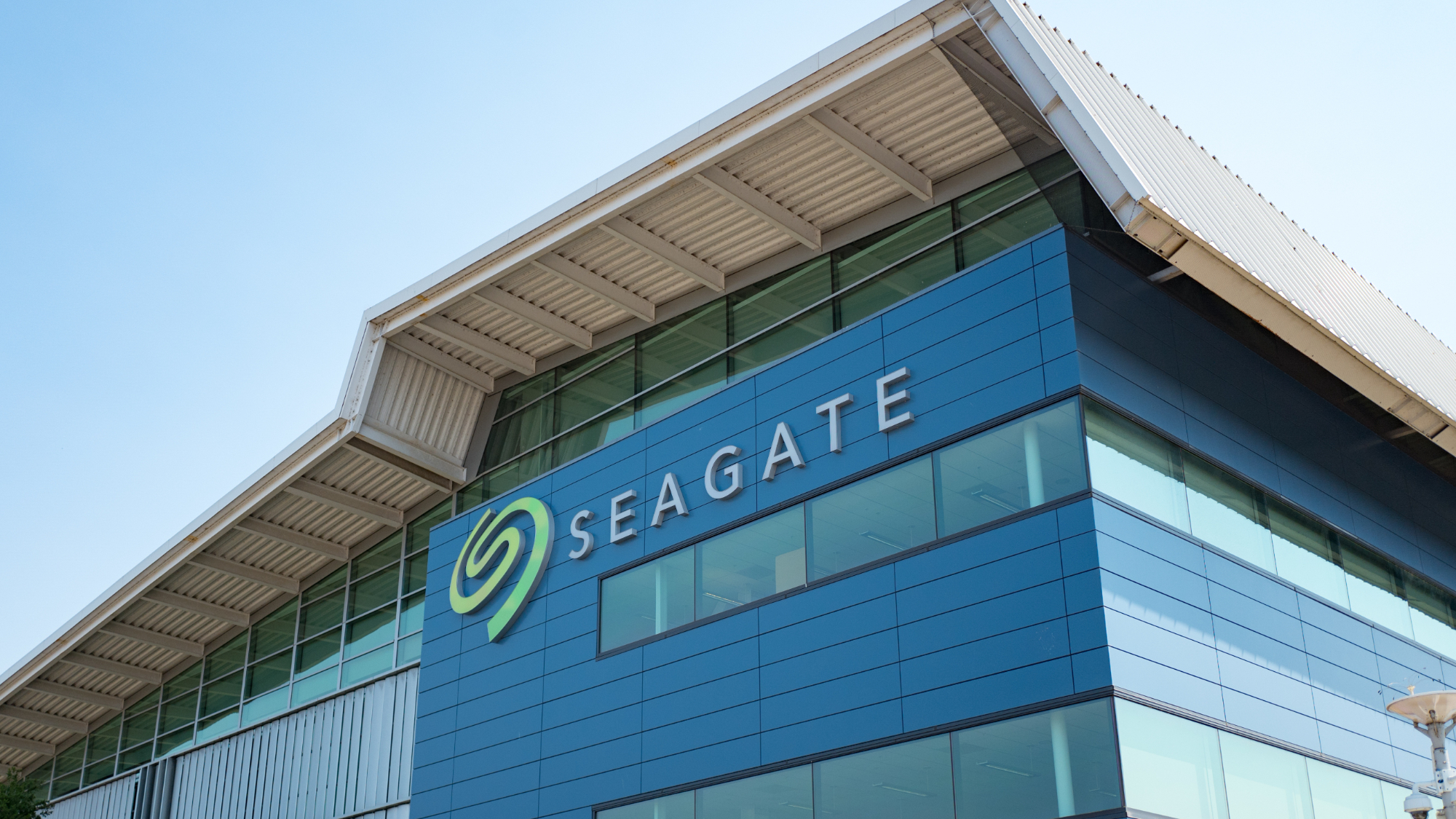
The depth of these relationships is telling; clients are not merely looking at 2027, but are actively extending their planning horizons through 2029 and beyond. This, according to leadership, is a direct reflection of the massive infrastructure investments being made by cloud service providers as they build out the storage capacity required to train and run massive large language models (LLMs).
CFO Gianluca Romano highlighted the supply-demand imbalance: "We think there can be maybe a little bit of output available in fiscal Q1. Of course, we are pricing that increased output at a very good price right now." This candid acknowledgment reinforces the company’s commitment to prioritizing profitable growth over sheer volume, ensuring that they can fund the R&D required for future HAMR generations.
Implications for the Industry
The shift toward 50TB drives has profound implications for the IT sector.
1. The Death of the "Small" Drive in the Data Center
As density increases, the cost per terabyte for high-capacity drives continues to drop, making it increasingly difficult for lower-capacity drives (such as 16TB or 20TB models) to compete in a hyperscale environment where floor space and power efficiency are at a premium.
2. The Power of HAMR
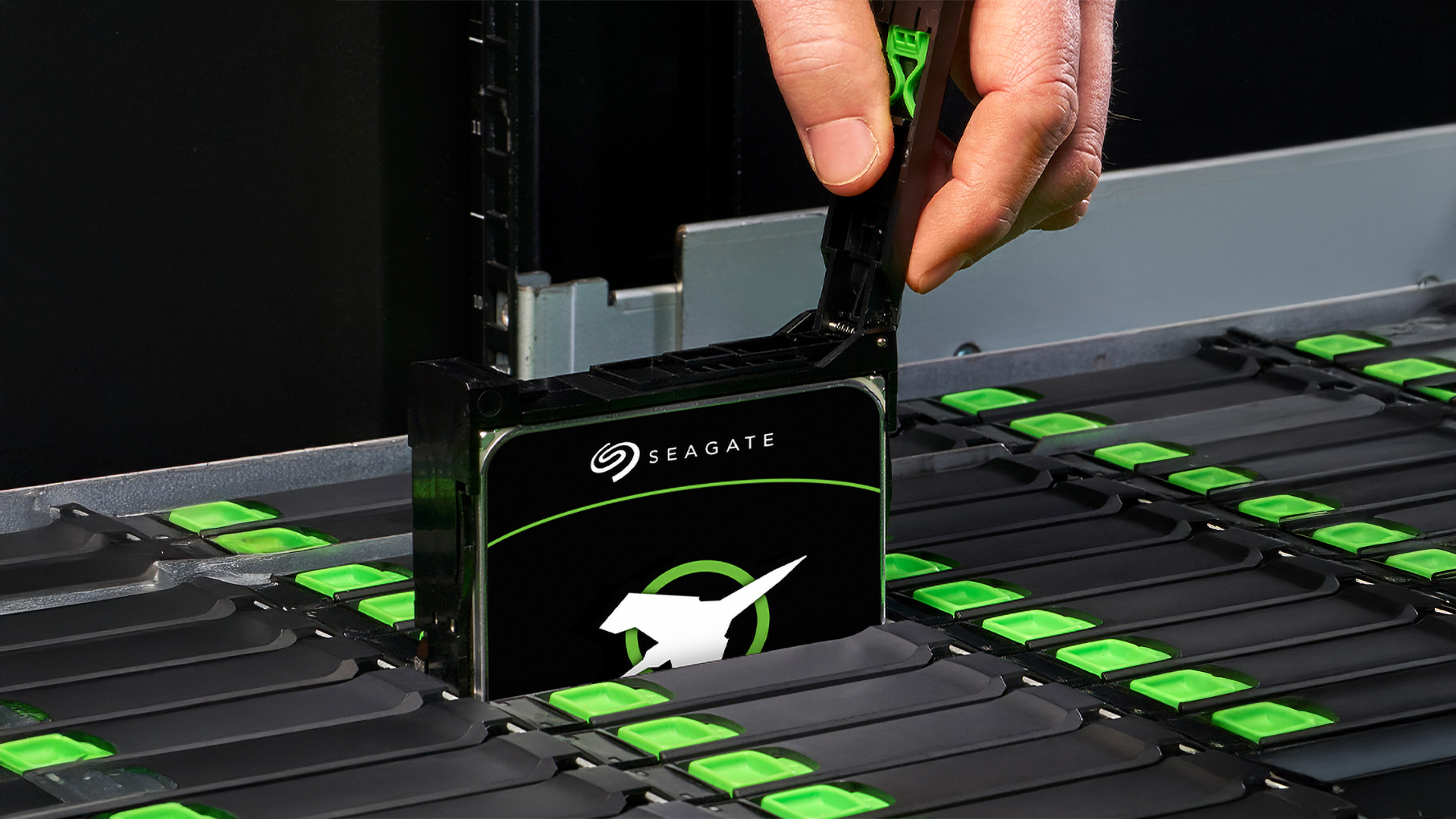
HAMR is no longer an experimental technology; it is the industry standard for high-density storage. By early July 2027, Seagate expects that 70% of its nearline exabyte shipments will be HAMR-based. This transition is essential for the industry to keep pace with the exponential growth of data generated by generative AI.
3. Supply Chain Security
The fact that major customers are negotiating 2029 supply allocations in 2026 speaks to a newfound urgency in the tech sector. The era of "just-in-time" procurement for storage has been replaced by "long-term strategic alignment." Hyperscalers are essentially partnering with storage vendors to secure their future capacity, creating a high barrier to entry for smaller competitors and cementing the dominance of established players like Seagate.
4. Pricing Pressures
With demand consistently outstripping supply, the era of declining HDD prices has effectively paused. Seagate’s "value-based pricing strategy" ensures that as long as AI growth continues, margins will remain high. Customers who lack established LTAs are likely to face volatile pricing, further incentivizing the industry to move toward long-term, fixed-price contracts.
Conclusion
Seagate’s trajectory toward 50TB-class hard drives represents a masterclass in technology roadmap execution. By aligning its hardware innovations—specifically the Mozaic platforms—with the massive, long-term infrastructure needs of the AI era, the company has positioned itself to remain a cornerstone of the global digital economy. As the industry looks toward 2028 and beyond, the focus will remain on density, durability, and the ability to scale in an environment where data is the most valuable commodity on the planet.

 Nana Wu
 Ammar Sabilarrohman