Nana Wu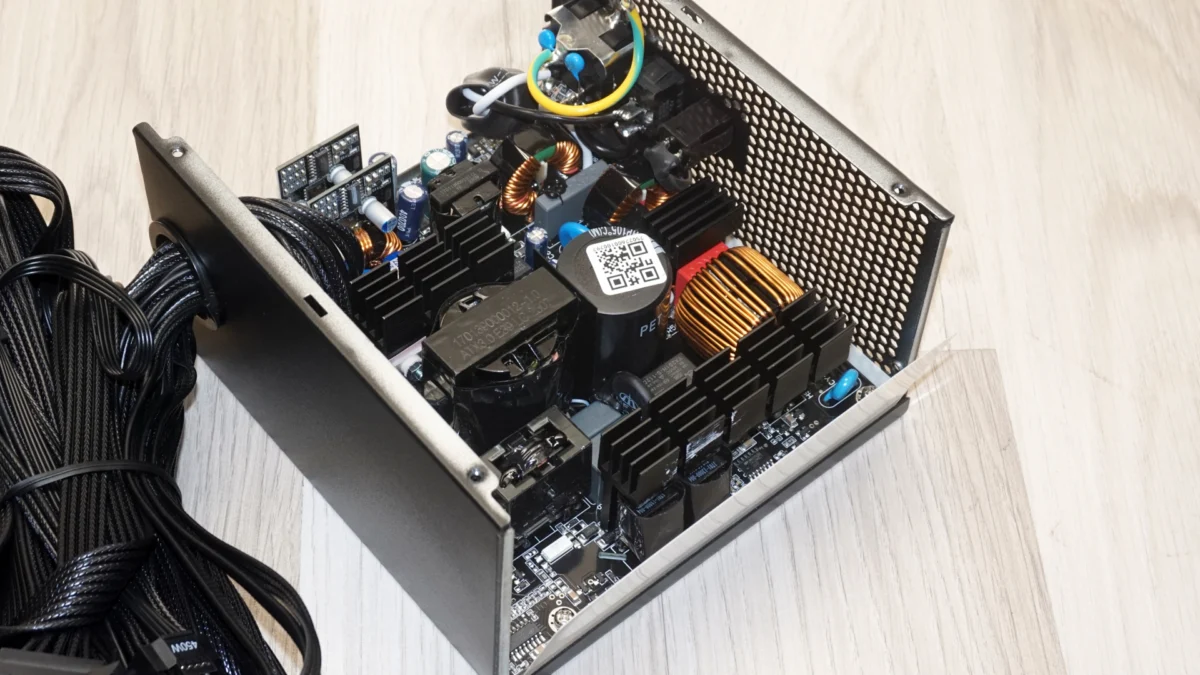
In the crowded landscape of PC components, power supply units (PSUs) often serve as the unsung heroes of a build. While enthusiasts obsess over GPU clock speeds and CPU thermal headroom, the PSU acts as the heartbeat of the system. AZZA, the PC-components subsidiary of Linkworld Electronic, has occupied the value-oriented segment of this market for nearly two decades. Traditionally operating through regional distribution channels rather than the high-profile review circuit, AZZA has maintained a low profile—a strategy that has shielded them from the intense public scrutiny faced by industry titans like Corsair or Cooler Master.
However, the release of the AZZA PSAZ-750G, a 750W unit marketed as ATX 3.1 and PCIe 5.1 ready, brings the company into the spotlight. With an aggressive $78 price point and a "Gold" badge prominently displayed on its packaging, the PSAZ-750G promises modern features at a budget cost. Yet, our comprehensive laboratory testing suggests that while the unit is functional, it is not without significant caveats that potential buyers must carefully weigh.
Chronology of a Budget Platform
AZZA’s approach to the power supply market is typical of many brands in the value tier: they do not design their own internal platforms. Instead, they procure designs from established original equipment manufacturers (OEMs)—in this case, Helly—and apply their own branding and cosmetic flourishes.
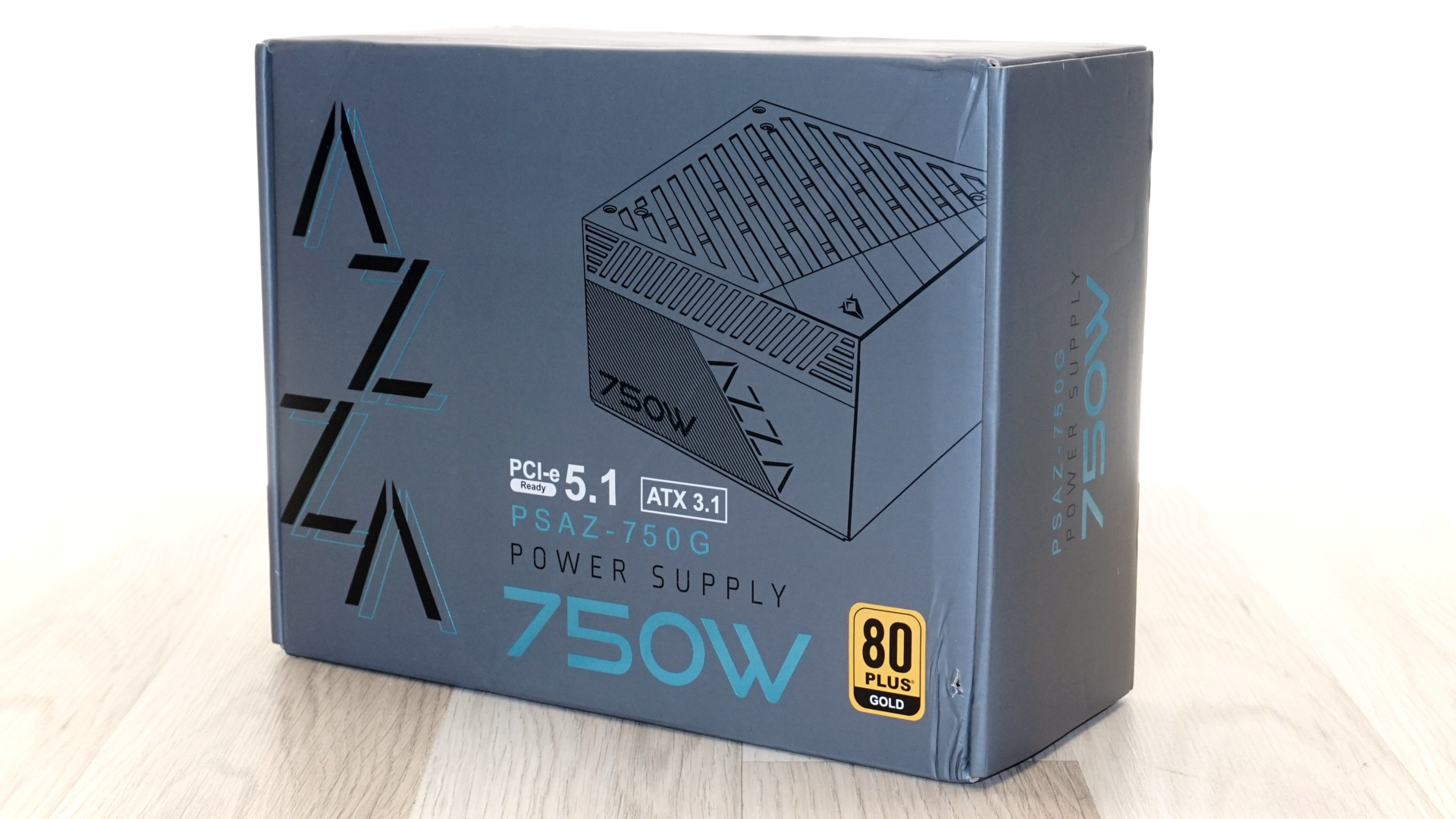
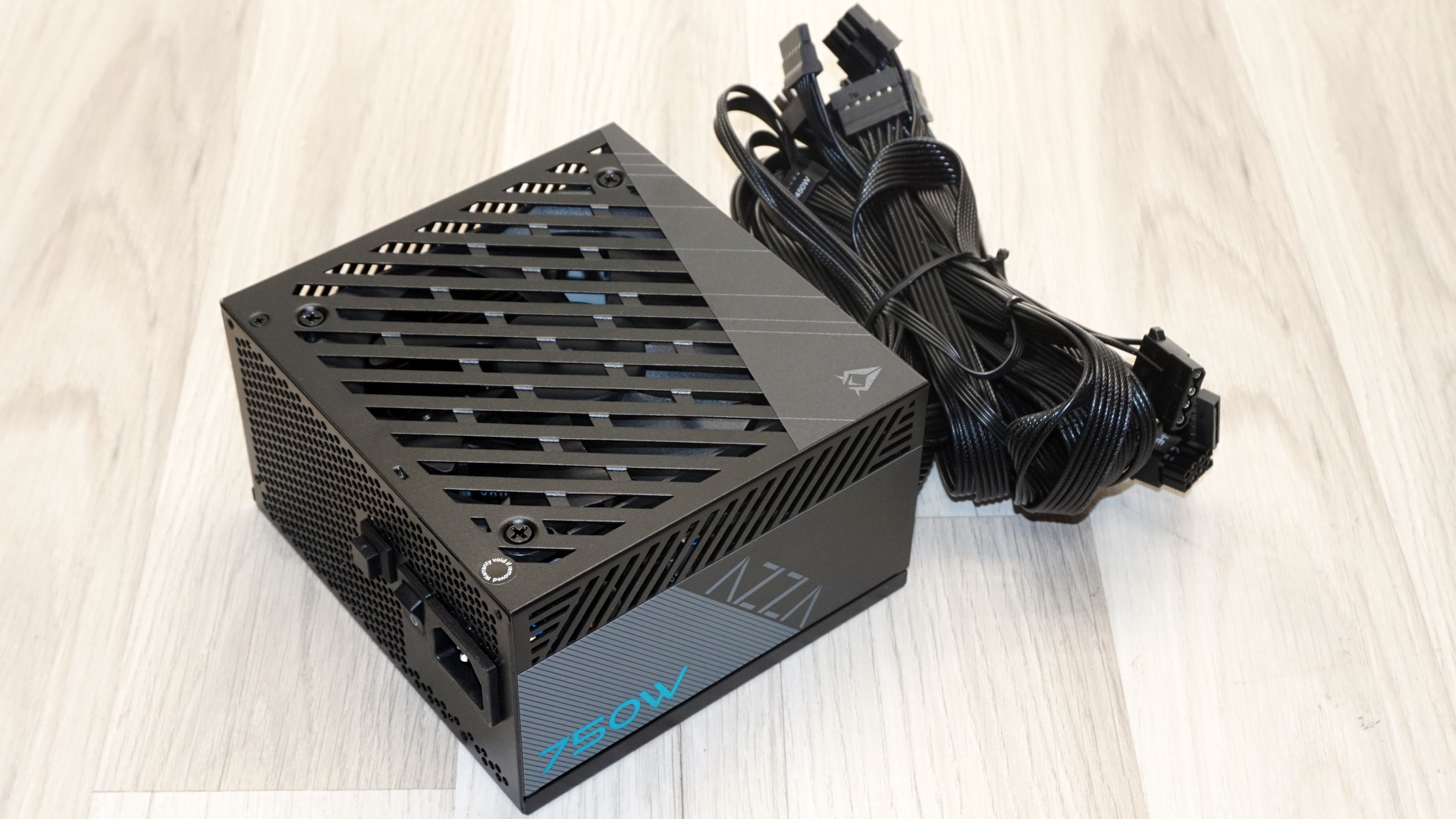
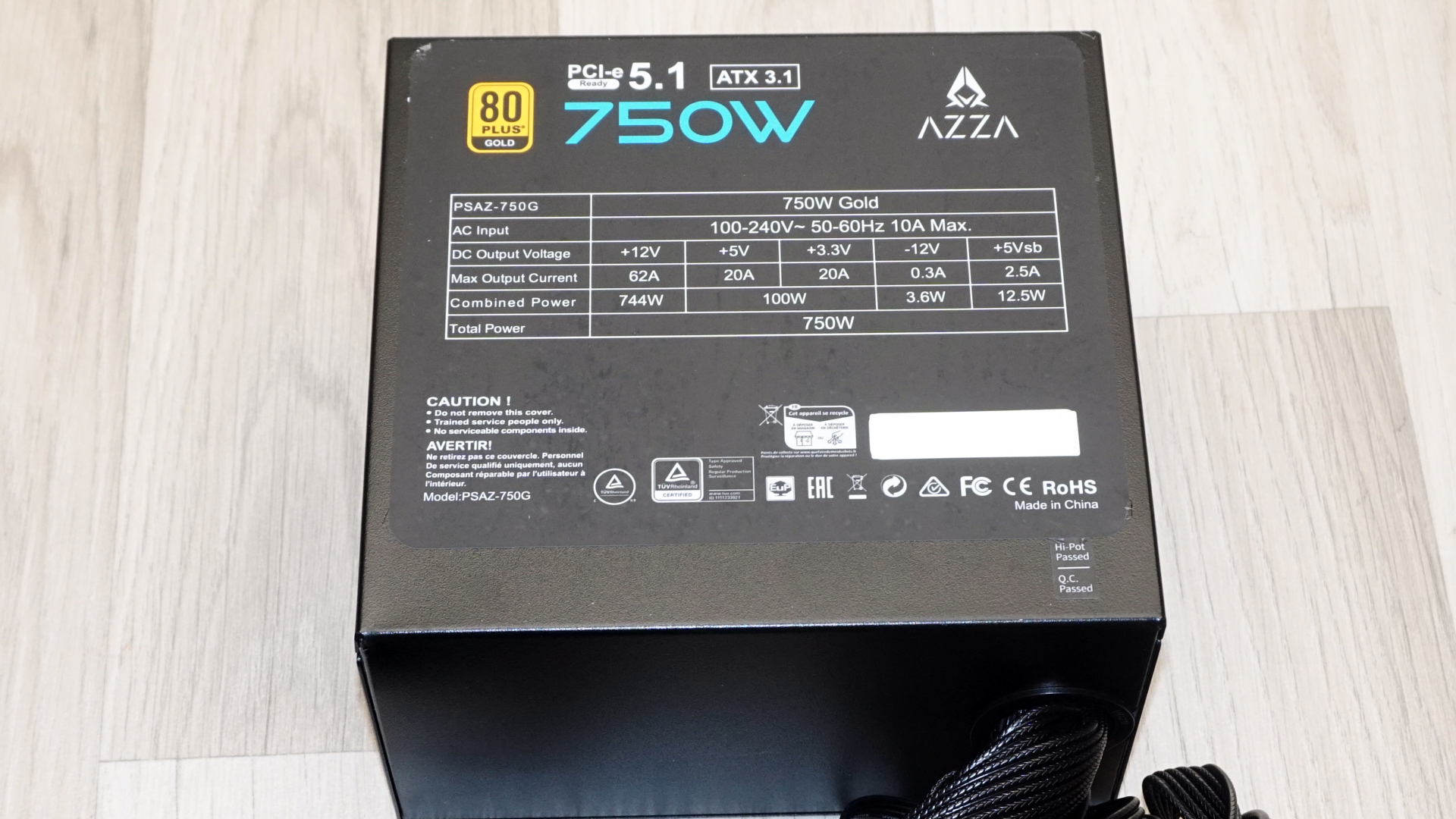
The PSAZ-750G arrives as part of a series intended to address the growing demand for ATX 3.1 compatibility, which ensures the unit can handle the transient power spikes common with modern graphics cards. The unit ships with a native 12V-2×6 connector, which is a major convenience for users running high-end NVIDIA GPUs. However, the most striking aspect of the product is its branding. The retail packaging, the unit’s label, and various online listings all feature the "80 PLUS Gold" logo. Curiously, AZZA has not submitted a PSAZ-series unit for formal 80 PLUS certification since 2015. This discrepancy between the marketing materials and the lack of a current, verifiable certification is the central tension of this review.
Technical Specifications and Design
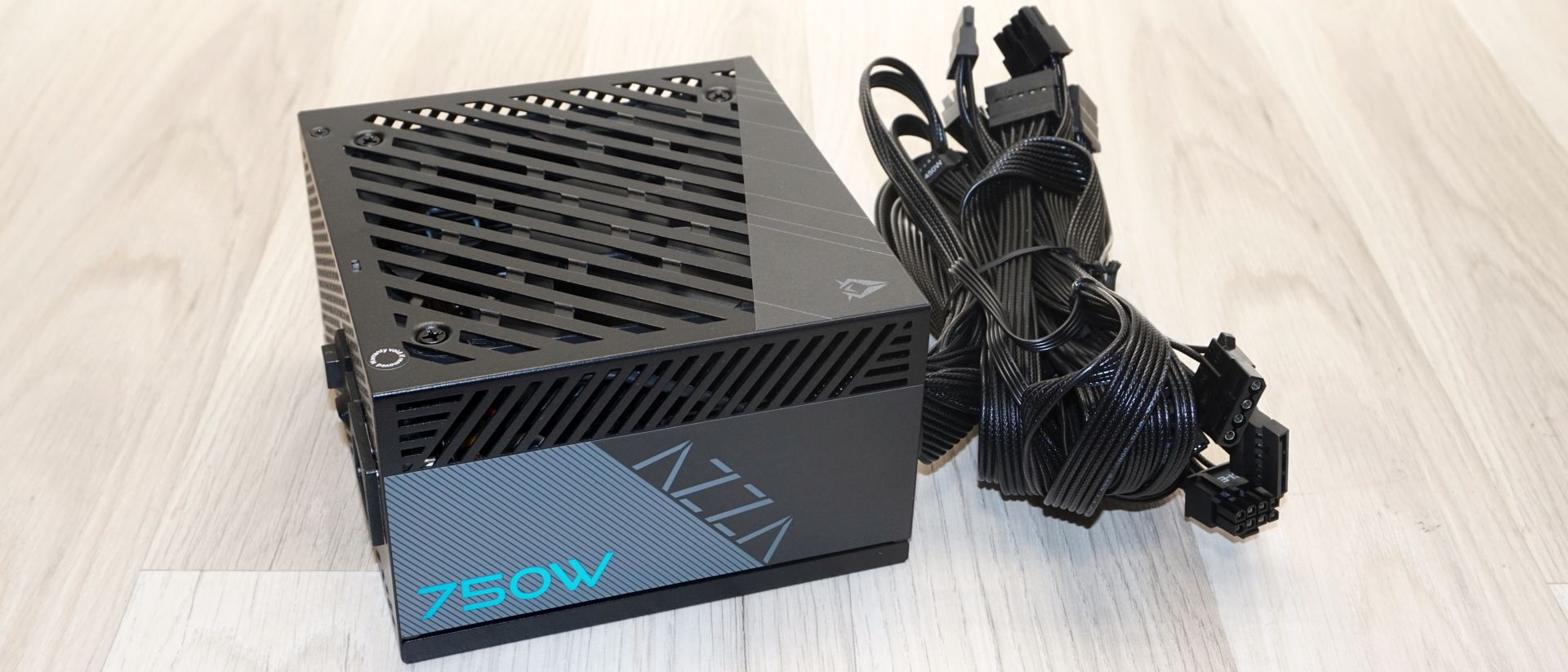
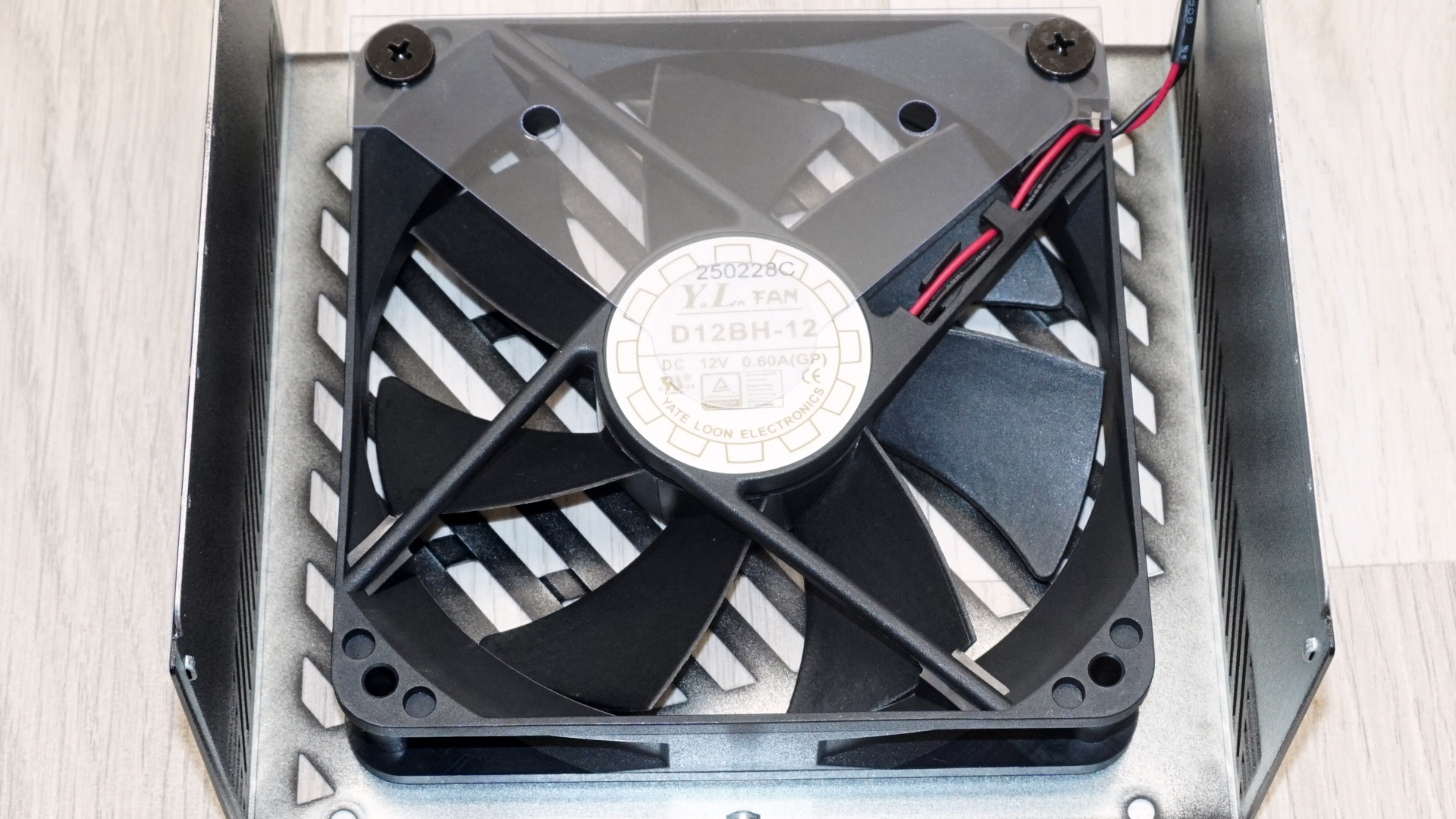
The PSAZ-750G is built to standard ATX dimensions (150 x 86 x 140 mm), ensuring compatibility with the vast majority of mid-tower and full-tower cases. The aesthetic is decidedly industrial, featuring a dark grey-brown matte finish and a diagonal-bar grille over the 120mm fan. While the diagonal bars provide a distinct look, they unfortunately restrict airflow compared to more traditional honeycomb designs, resulting in higher acoustic noise under load.
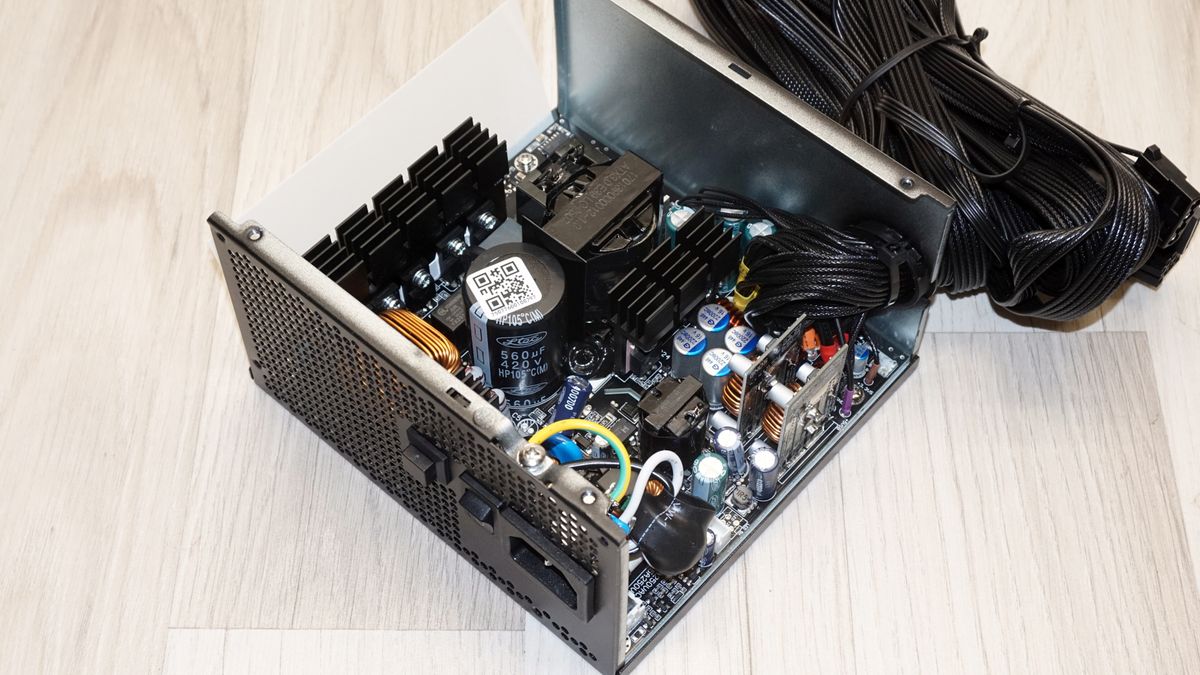
The internal layout is surprisingly modern for a budget-tier unit. It utilizes a half-bridge LLC resonant converter on the primary side, paired with DC-to-DC converters for the 3.3V and 5V rails on vertical daughterboards. The transient filtering stage is robust, featuring four Y capacitors, three X capacitors, and two common-mode chokes.
However, the "budget" nature of the unit becomes apparent when examining the components. The primary bulk capacitor is a 560 µF, 420V Ltec component rated for 105°C. While the capacity is sufficient for a 750W unit, Ltec parts are considered tier-two, budget-oriented components rather than the premium Japanese capacitors found in top-shelf units. Similarly, the secondary filtering relies on a mix of Ltec electrolytics and APAQ polymers. While these are not "bad" parts, their long-term reliability in a power supply environment—where heat is the enemy—is questionable, especially when paired with a restrictive 2-year warranty.
Supporting Data: The Bench Test
To determine the true performance of the PSAZ-750G, we subjected it to rigorous testing using our high-precision electronic load bank, oscilloscopes, and thermal chambers.
Efficiency Under Test
At a 25°C ambient temperature, the unit averaged 90.6% efficiency at 230 VAC and 88.6% at 115 VAC. While these are respectable figures, they highlight the central controversy: the unit is not truly 80 PLUS Gold certified. The 80 PLUS Gold standard requires specific efficiency benchmarks at 20%, 50%, and 100% load. The PSAZ-750G failed to reach the required efficiency threshold at the 50% load marker on both 115V and 230V inputs, albeit by a very narrow margin (0.1 to 0.2 percentage points).
Thermal and Acoustic Performance
The unit shines in light-to-moderate loads, offering a 300W fanless operation mode that keeps the system virtually silent during office tasks or light gaming. However, as the load increases, the story changes. In our "hotbox" test, conducted at a 45°C ambient temperature, the fan ramps up aggressively to compensate for the internal heat. At full 750W load, the fan reaches 52.2 dB(A), which is loud enough to be the dominant noise source in any standard PC build. Furthermore, internal heatsinks reached temperatures of 94°C. While not immediately dangerous, these temperatures suggest that the secondary capacitors are being pushed toward their thermal limits.
Voltage Regulation and Ripple
On the positive side, the unit’s voltage regulation is excellent. The 12V rail fluctuated by only 0.9% across the full load range, outperforming many more expensive units. Ripple suppression, while not "enthusiast-grade," was well within the ATX specification. The 12V rail peaked at 52 mV at full load—well under the 120 mV limit.
Official Stance and Market Implications
The inclusion of the 80 PLUS Gold logo on a product that does not appear to hold a current, valid certification is a point of concern. For consumers, the 80 PLUS certification is a primary indicator of quality and energy efficiency. By printing this logo on the box, the manufacturer implies a level of independent verification that does not exist in the official 80 PLUS database for this model.
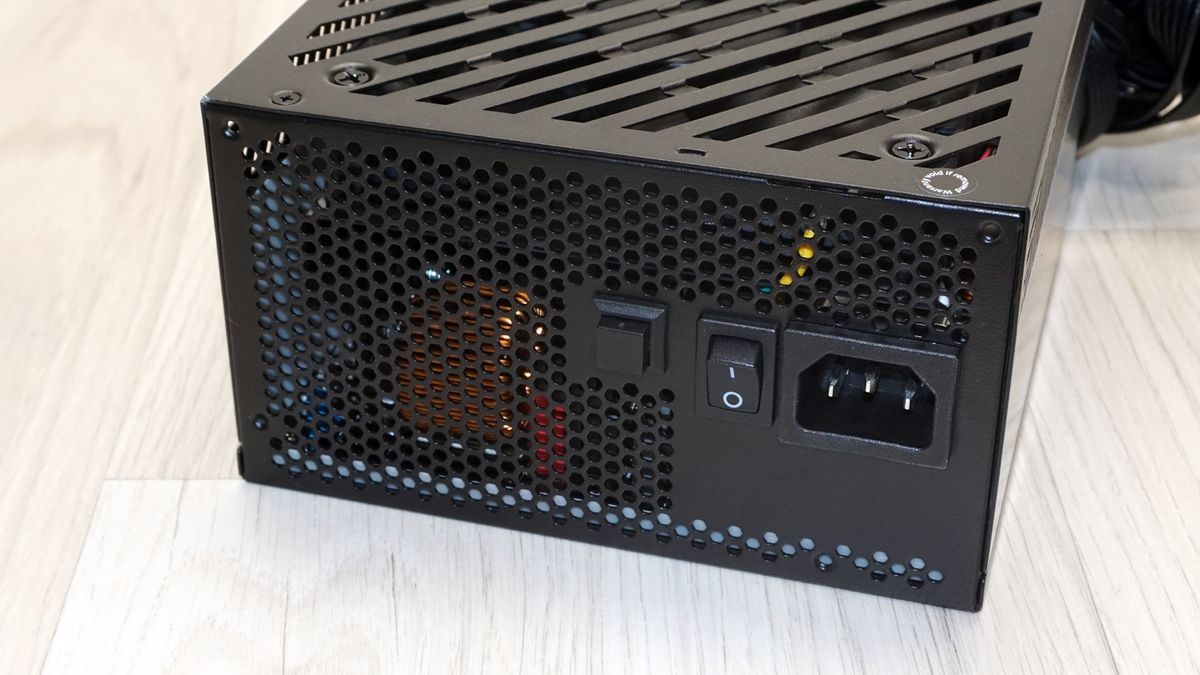
When we evaluate the implications of this, we must consider the price. At $78, the PSAZ-750G is significantly cheaper than industry-standard 750W Gold-certified units, which often retail for $100–$120. The manufacturer has clearly made a trade-off: they are providing a modern, functional platform with high-end features like a native 12V-2×6 connector, but they are cutting costs on components, cable management (hardwired instead of modular), and the length of the product warranty.
The Verdict: A Calculated Purchase
The AZZA PSAZ-750G is a paradox. It is a competent, well-regulated power supply that offers great value for a specific type of user, yet it is marketed with misleading efficiency claims.
The Pros:
- Strong Voltage Regulation: 0.9% deviation on the 12V rail is impressive for this price point.
- Modern Connectivity: The inclusion of a native 12V-2×6 connector makes it ready for modern mid-range GPU builds.
- Silent Idle: The fanless operation up to 300W is a welcome feature for users who value silence during low-power tasks.
- Pricing: At $78, it is a very affordable entry point into 750W ATX 3.1 power.
The Cons:
- Efficiency Claims: The unit fails to hit the Gold standard consistently in our testing, and it lacks current certification.
- Short Warranty: A 2-year warranty is insufficient compared to the 5–10 year warranties offered by competitors like MSI or Cooler Master.
- Component Longevity: The use of mid-tier capacitors and high operating temperatures in the hotbox suggests this unit is not designed for the long haul.
- Fixed Cables: The lack of modularity makes cable management in smaller cases difficult.
In conclusion, the AZZA PSAZ-750G is a viable option if your budget is extremely tight and your hardware requirements are modest (drawing under 450W). It will safely power your system and provide stable voltages. However, it is not the "Gold" unit the packaging claims it to be. If you are building a high-end system with expensive components, we strongly recommend investing the extra $30–$40 for a fully modular, legitimately certified, and longer-warrantied power supply. Buy the PSAZ-750G for what it measures on the bench today, not for the badge on the box.


 Ammar Sabilarrohman
 Reynand Wu