

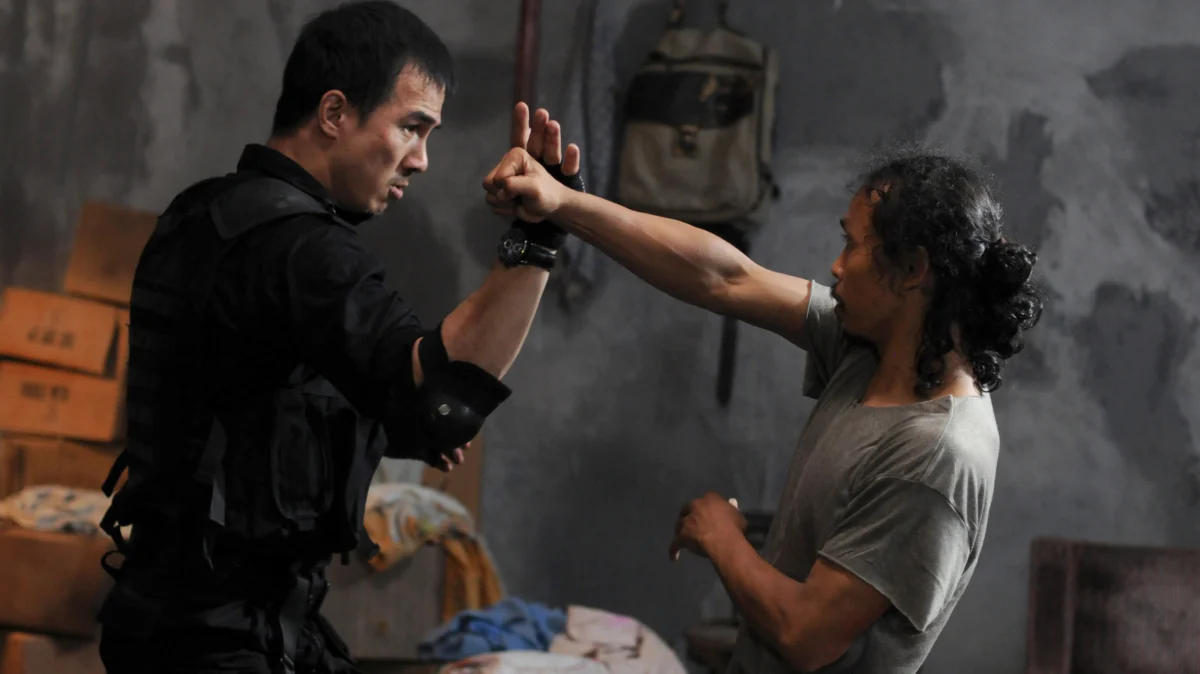
In the vast, often formulaic landscape of global action cinema, there are films that merely entertain, and then there are films that fundamentally rewrite the DNA of the genre. Gareth Evans’ 2011 Indonesian masterpiece, The Raid (released as The Raid: Redemption in North America), occupies the latter category. As of June 1, 2026, the film has arrived on Hulu, offering a new generation of viewers—and a reminder to veteran cinephiles—of the visceral, bone-crunching innovation that changed the trajectory of stunt choreography and fight cinematography forever.
Fifteen years after its initial debut, The Raid stands as a monolithic achievement. It is not just a film; it is a cinematic event that bridges the gap between the gritty, grounded realism of the early 2000s and the highly stylized, balletic violence that would come to define the late 2010s.
The Evolution of the Action Genre: A Chronology of Violence
To understand the seismic shift caused by The Raid, one must place it within the context of its predecessors. Following the tragedy of 9/11, the action genre experienced a period of profound introspective anxiety. The Bourne trilogy, directed by Paul Greengrass and Doug Liman, perfectly captured this zeitgeist. Through the use of "shaky-cam," rapid-fire editing, and a grounded, conspiracy-laden narrative, Bourne traded the operatic flair of the 1980s for a chaotic, hyper-realistic intensity.
However, by the late 2000s, the "shaky-cam" aesthetic had become a crutch, often used to obscure poor choreography or a lack of physical prowess in leads. Audiences were becoming fatigued by the inability to track movement.
Then came 2011. Gareth Evans, a Welsh filmmaker living in Indonesia, collaborated with local martial arts prodigies—most notably Iko Uwais—to produce The Raid. While the Bourne films prioritized the impact of the punch, The Raid prioritized the artistry of the movement. It utilized the Indonesian martial art of pencak silat, characterized by its fluid, devastatingly fast, and lethal strikes.
By 2014, the arrival of John Wick signaled the next phase: a shift toward clarity, long takes, and a "choreographed dance" approach. Yet, if one looks closely at the DNA of John Wick, the influence of The Raid is undeniable. The focus on spatial awareness, the verticality of combat, and the reliance on a singular, relentless objective are all hallmarks that Evans perfected in his tenement-set nightmare.
The Anatomy of a Siege: Narrative and Execution
The plot of The Raid is a masterclass in simplicity, stripping away the bloat of modern blockbusters. A SWAT team infiltrates a derelict apartment complex in the heart of Jakarta, controlled by a ruthless drug lord. Their mission is straightforward: reach the top floor and neutralize the target.
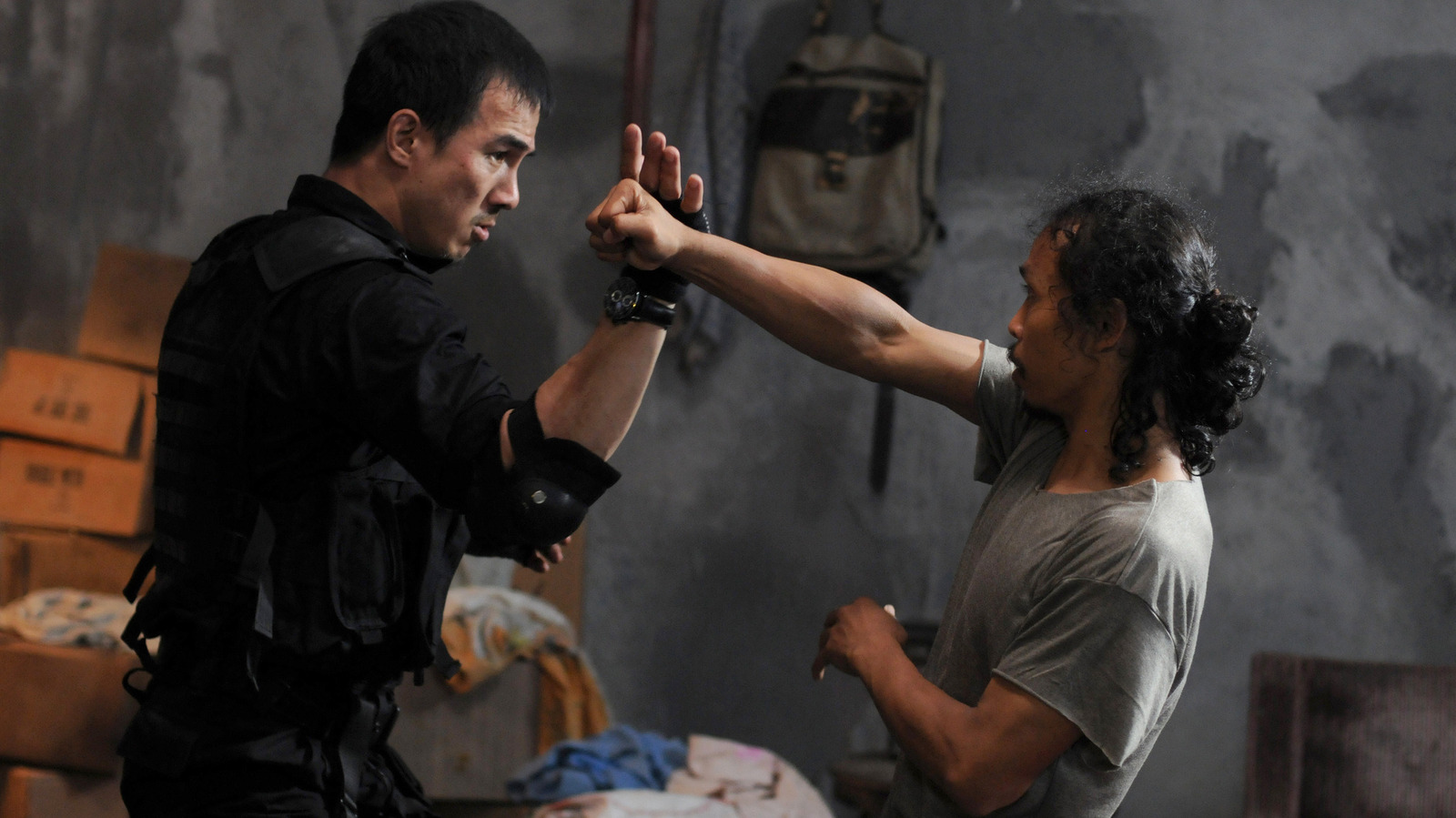
The brilliance lies in the claustrophobia. As the police are pinned down, the apartment building transforms into a vertical gauntlet. The narrative structure is essentially a video game level design brought to life with human stakes: every floor is a new challenge, every hallway is a corridor of death, and every room offers a fresh tactical puzzle.
The film follows Rama (Iko Uwais), a rookie cop who possesses both the moral compass and the physical lethality to survive. As the team is systematically dismantled, the film shifts from a tactical raid to a primal struggle for survival. This three-dimensional use of space—where enemies descend from ceilings, crash through doors, and utilize every piece of furniture—provided a masterclass in cinematic geography that few films have managed to replicate.
The Ripple Effect: Cultural Impact and Legacy
The influence of The Raid is not relegated to niche film circles; it has permeated the highest echelons of Hollywood.
The "Hallway Fight" Phenomenon
Modern television, specifically the Marvel-Netflix Daredevil series, owes a debt of gratitude to the hallway sequences in The Raid. The concept of the "one-take" or "long-take" hallway fight—where the protagonist battles through waves of adversaries in a confined space—has become a mandatory trope in contemporary action-oriented media. While many shows attempt to capture the kinetic energy of these sequences, the original remains the standard against which all others are measured.
The Cameo Effect
The film’s impact was so profound that it effectively "exported" Indonesian talent to the global stage. Yayan Ruhian, who played the iconic antagonist "Mad Dog," found himself thrust into the spotlight of major international franchises. His appearance in Star Wars: The Force Awakens (2015) alongside Iko Uwais served as a meta-nod to the action community. Later, his scene-stealing role in John Wick: Chapter 3 – Parabellum served as a tacit acknowledgment by director Chad Stahelski that the Wick franchise was operating in the world that The Raid helped build.
Beyond the Genre
Films like 2012’s Dredd drew immediate, albeit accidental, comparisons to The Raid. Both films featured a law enforcement unit trapped in a massive, hostile building, fighting their way to the top. While Dredd succeeded on its own sci-fi merits, the existence of The Raid forced audiences to view such premises through a lens of physical intensity rather than just spectacle.
Critical Analysis: Why It Works Where Others Fail
The success of The Raid rests on three pillars:
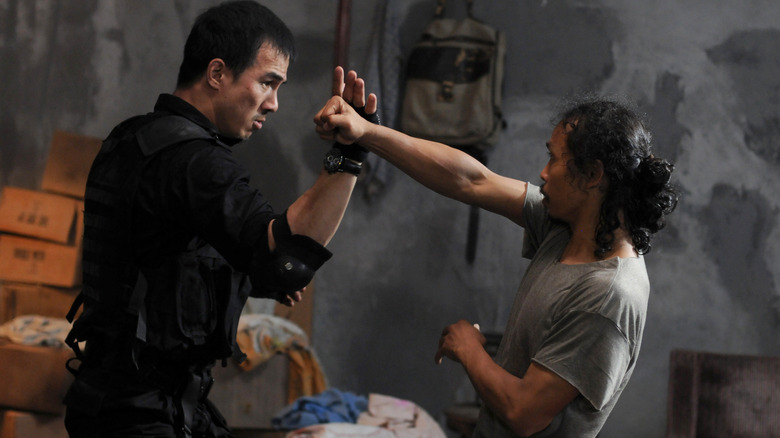
- Technical Authenticity: Unlike many Hollywood productions that rely on wire-work and excessive CGI to compensate for a lead actor’s lack of training, The Raid utilizes genuine martial arts experts. The speed is real. The impact is real. The exhaustion displayed by the actors is a direct reflection of the grueling 101-minute shoot.
- Pacing and Tension: The film does not stop to breathe. It begins with an immediate sense of dread and maintains a relentless momentum until the final frame. The transition from tactical stealth to all-out brawling is seamless.
- The "Mad Dog" Archetype: Yayan Ruhian’s performance as Mad Dog redefined the "henchman." He was not a faceless goon; he was a terrifying, skilled, and deeply personal threat. His presence elevated the stakes, making the final confrontation feel like an inevitable collision of two world-class warriors.
Official Perspectives and Behind-the-Scenes Reality
In various interviews and press releases accompanying the film’s various home media and streaming launches, Gareth Evans has noted the "chaos" of the production. Operating on a modest budget, the team had to be resourceful. They couldn’t afford expensive pyrotechnics or digital enhancements, so they turned to the only asset they had in abundance: incredible physical skill.
The film was not designed to be "over the top"; it was designed to be grounded. Evans has frequently stated that he wanted the audience to feel every hit. By limiting the use of cuts and focusing on wide shots that allowed the actors’ choreography to breathe, Evans ensured that the viewer was a participant in the fight rather than a passive observer.
Implications for the Future of Action Cinema
As The Raid finds a new home on Hulu in 2026, it serves as a litmus test for the state of the genre. We currently live in an era of "Green Screen fatigue," where the weight of action is often lost in digital clutter. The Raid reminds us that the most effective action is that which feels tangible.
The implication for future filmmakers is clear: audiences will always gravitate toward authenticity. The success of modern hits like Furiosa or the John Wick series suggests that the appetite for "real" stunt work is stronger than ever. The Raid remains the blueprint for this. It proves that you don’t need a nine-figure budget to make a genre-defining masterpiece; you need a clear vision, a dedicated cast, and the courage to prioritize physical performance over digital artifice.
Conclusion: An Essential Viewing Experience
For those who have somehow missed the opportunity to experience The Raid, the addition of the film to Hulu is more than just a content update; it is an invitation to witness history.
Whether you are a casual viewer looking for 101 minutes of pure, unadulterated adrenaline or a student of cinema examining the technical evolution of the action movie, The Raid delivers. It is a violent, beautiful, and relentlessly paced journey that demands your attention. It is the film that started the modern revolution, and fifteen years later, it hasn’t lost a single ounce of its impact.
Turn off the lights, clear some space, and prepare to be reminded why this 2011 gem remains the undisputed king of the modern action thriller. It is, quite simply, essential viewing.











No comments yet. Be the first to join the conversation!