

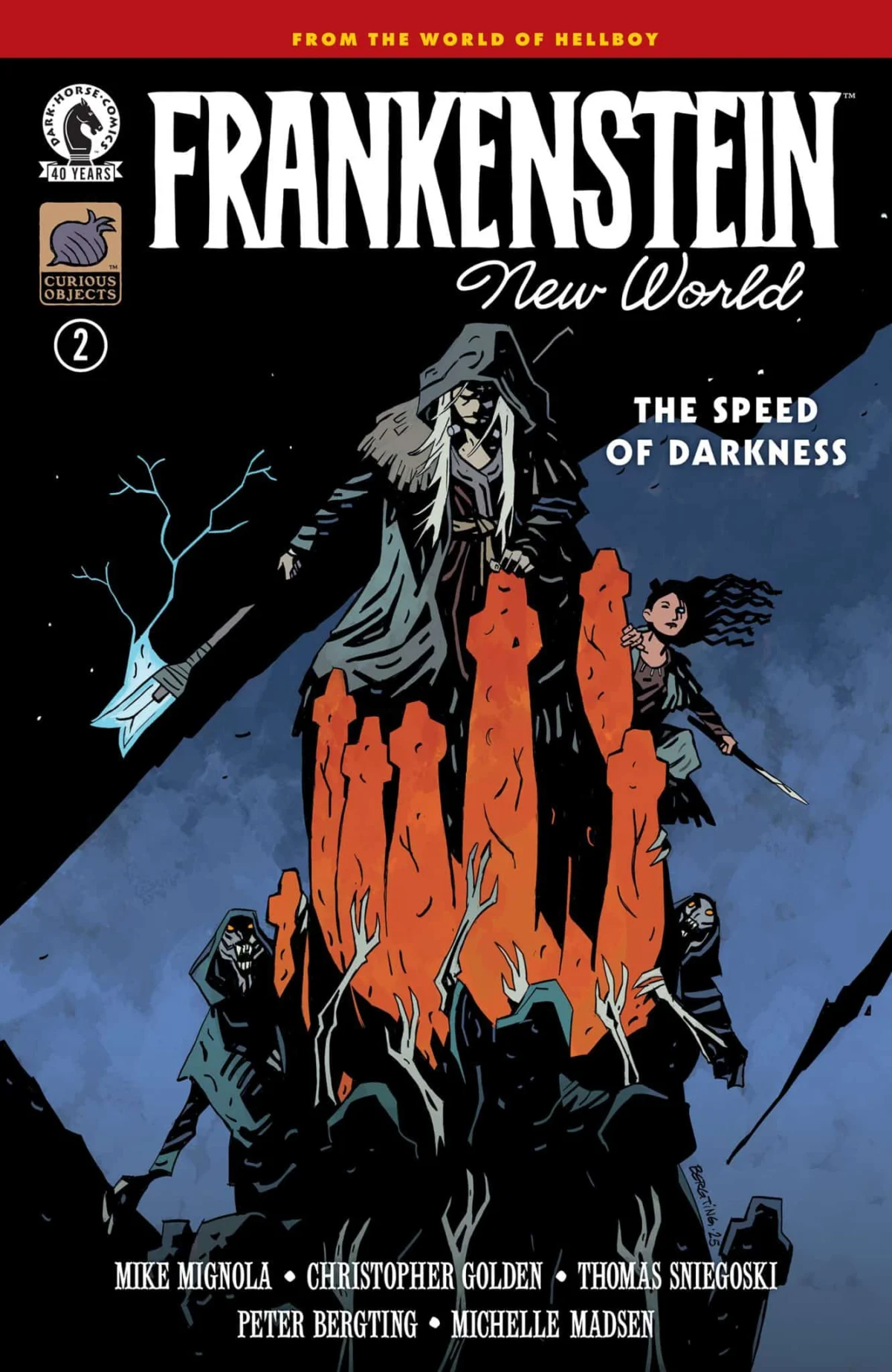
The expansion of the Hellboy Universe continues its haunting trajectory with the second installment of Frankenstein: New World – The Speed of Darkness. As the third miniseries in this particular cycle of the Frankenstein saga, the title further cements its status as a cornerstone of modern gothic comics. With a creative team that reads like a “who’s who” of the Dark Horse Comics stable, the series continues to explore the fractured, post-apocalyptic future that Mike Mignola and his collaborators have meticulously built.
Main Facts: The Narrative Core
Frankenstein: New World – The Speed of Darkness #2 picks up directly from the momentum of the series opener. The narrative follows the titular monster—Frankenstein—as he traverses a desolate, transformed landscape alongside his companion, Lilja. Their primary objective remains the retrieval of Liz Sherman, a pivotal figure in the broader Mignolaverse.
However, the journey is far from a simple rescue mission. The plot is driven by Lilja’s increasingly frantic and urgent visions, which serve as both a compass and a catalyst for dread. As the duo pushes forward, it becomes clear that they are moving deeper into a territory where reality itself is fraying. The “speed of darkness” is not merely a title; it reflects the encroaching, insidious corruption that seems to be consuming the very world around them, challenging the resilience of even the most immortal of beings.
The Creative Powerhouse: A Collaborative Masterpiece
The strength of this series lies in its seasoned creative team. The writing duties are shared by Mike Mignola and Christopher Golden, a duo whose synergy has been a hallmark of Dark Horse’s supernatural catalog for years. Their ability to blend classic horror tropes with the specific, idiosyncratic mythos of the Hellboy world is on full display here.
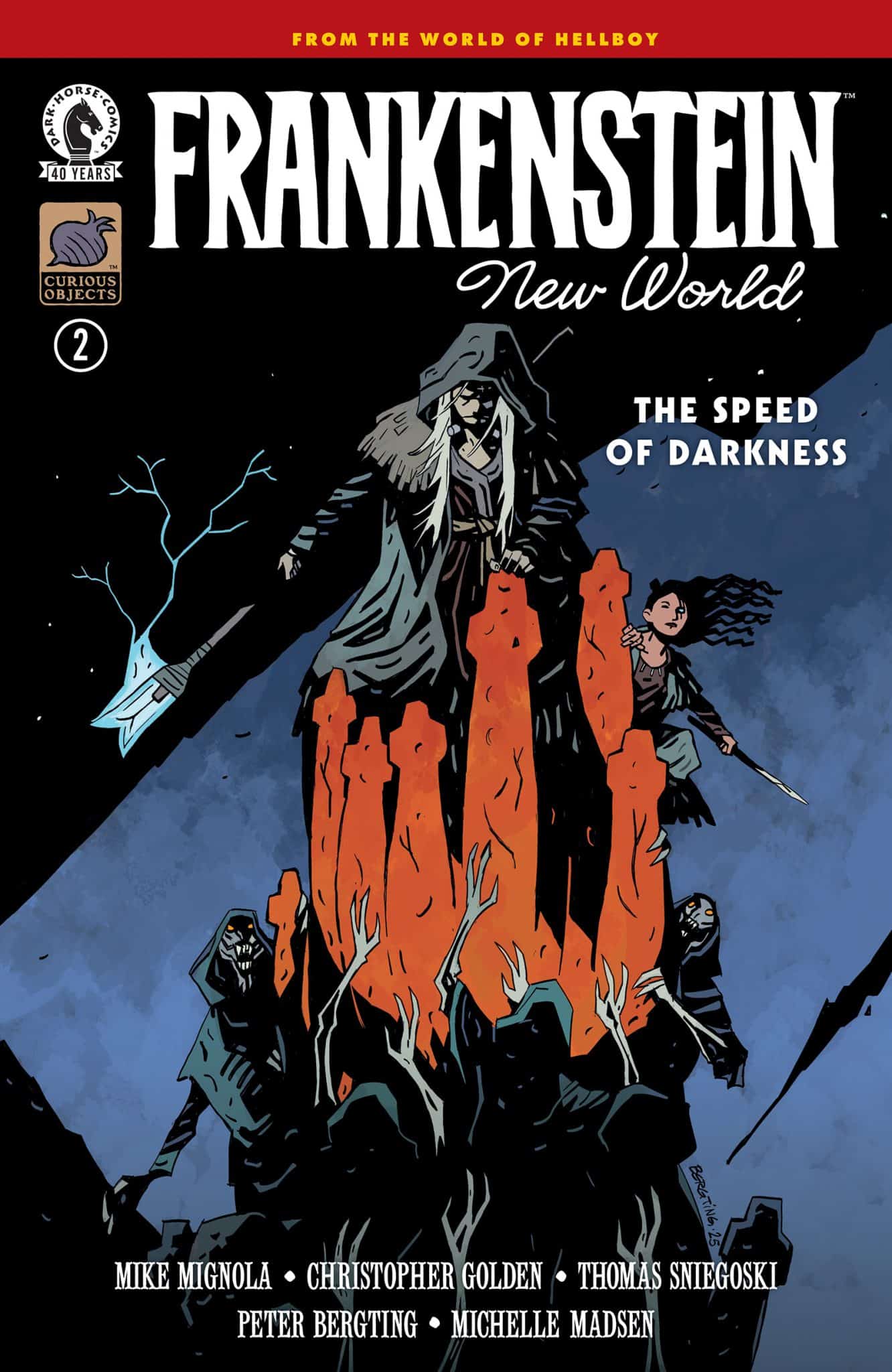
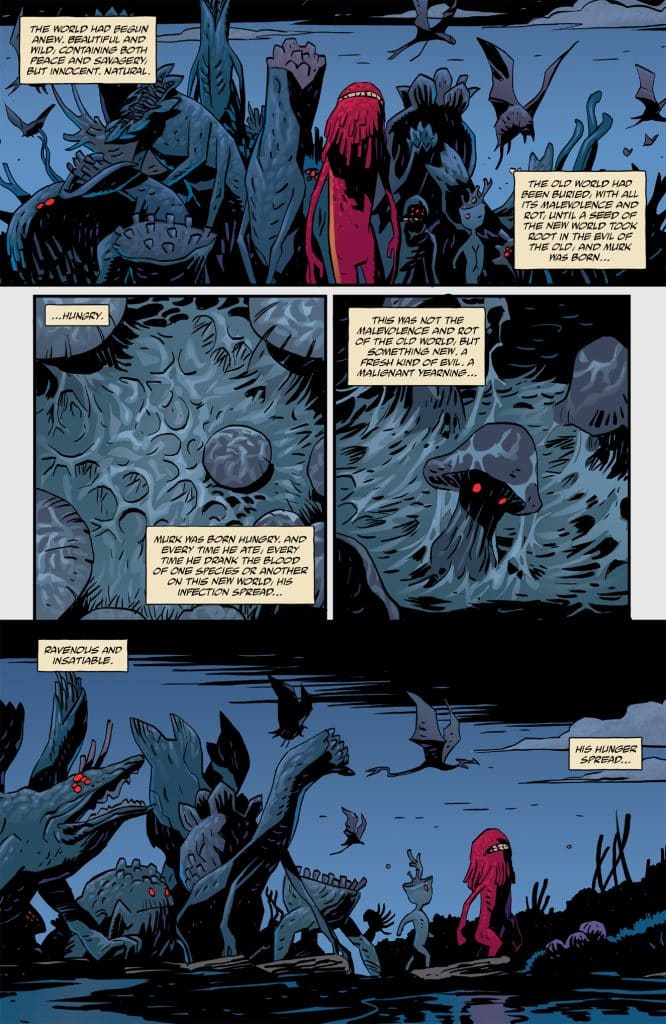
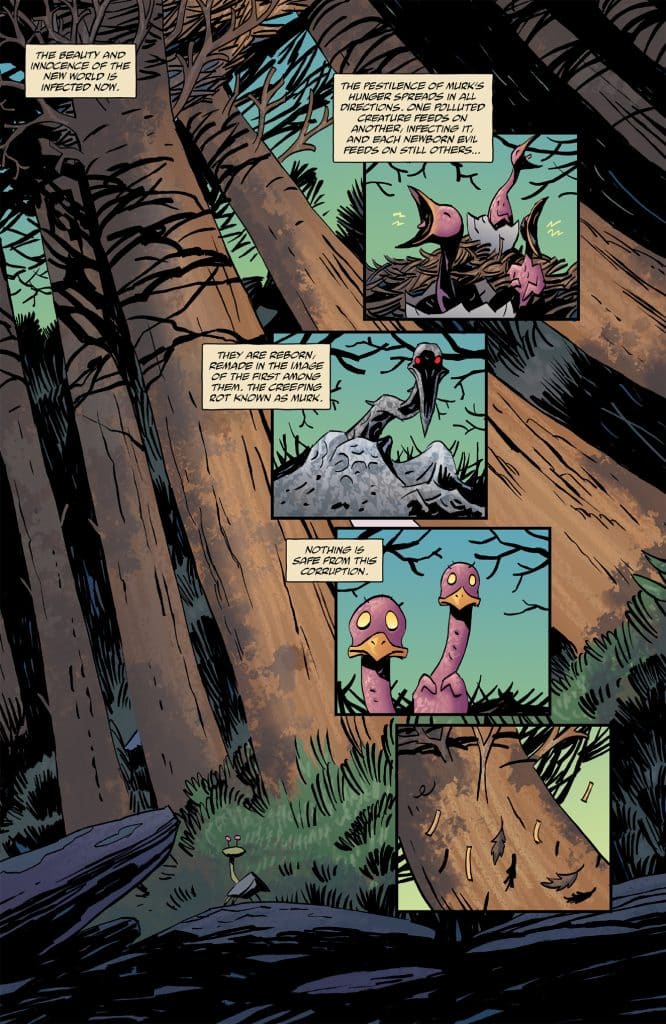
The visual identity of the book is defined by the evocative pencils of Thomas Sniegoski, whose work captures the grotesque beauty of this "New World." Colorist Michelle Madsen provides a palette that shifts from the muted, oppressive tones of the wasteland to the jarring, unnatural flashes of supernatural energy, while letterer Clem Robins ensures that the pacing of the dialogue mirrors the mounting tension of the script. Rounding out the aesthetic is cover artist Peter Bergting, whose chilling, atmospheric imagery sets the tone for the reader before the first page is even turned.
Chronology: The Evolution of the New World
To understand the gravity of The Speed of Darkness, one must look at the progression of the Frankenstein: New World arc within the larger Hellboy timeline.
- The Foundation: The concept of Frankenstein as a wanderer in a post-apocalyptic future was first introduced to bridge the gap between the end of the original Hellboy stories and the eventual fate of the Bureau for Paranormal Research and Defense (B.P.R.D.).
- The First Miniseries: This established the tone and the environment, introducing the "New World"—a landscape shaped by the cataclysmic events of the B.P.R.D. finale.
- The Current Arc: The Speed of Darkness represents the third iteration of this narrative. It marks a shift from simple survival to a more proactive search for key legacy characters like Liz Sherman, suggesting that the "New World" is finally reaching a point of historical convergence.
By layering these stories, Mignola and Golden are essentially building a bridge between the classic Mignolaverse and a future where the echoes of the past determine the survival of the future.
Supporting Data: The Expanding Mignolaverse
The Hellboy Universe remains one of the most successful examples of a shared comic book continuity that relies on atmosphere and lore rather than traditional superhero tropes. Frankenstein: New World acts as a vital tether.
- Character Integration: By focusing on Frankenstein and the search for Liz Sherman, the book appeals to long-time readers who have followed the B.P.R.D. for decades.
- Thematic Consistency: The series maintains the "Mignola aesthetic"—heavy use of shadow, focus on ancient, forgotten magic, and the burden of living forever in a world that is constantly dying.
- Market Position: As part of the Dark Horse library, Frankenstein continues to outperform niche horror comics, proving that there is a sustained, high-level demand for "folk-horror" in the graphic novel medium.
Official Responses and Editorial Direction
While the creative team has been characteristically coy about the specific plot twists in store for the second issue, Dark Horse Comics has emphasized the series’ role as a “must-read” for fans of the Hellboy mythos. In editorial briefs, the focus is consistently placed on the “enchanting yet dangerous” nature of this future.
The publishers have highlighted that this arc is designed to test Frankenstein’s morality. In previous installments, the character was often a passive observer of his own tragedy. In The Speed of Darkness, he is an active participant in a race against an existential threat. The editorial team has hinted that the "insidious evil" mentioned in the synopsis is not just a localized threat, but a fundamental change in the nature of their world, suggesting that the stakes are higher than they have ever been for the monster.
Implications: Where the Story Heads
The inclusion of Liz Sherman in the narrative arc carries massive implications for the future of the Mignolaverse. Liz, one of the most powerful pyrokinectics in the series, has historically been a force of nature. If she is being held or is in hiding, the consequences for the "New World" are catastrophic.
Furthermore, the "speed of darkness" suggests a temporal or dimensional element to the corruption. If the darkness is accelerating, it implies that the protagonists are working against a ticking clock that isn’t measured in hours, but in the degradation of reality itself.
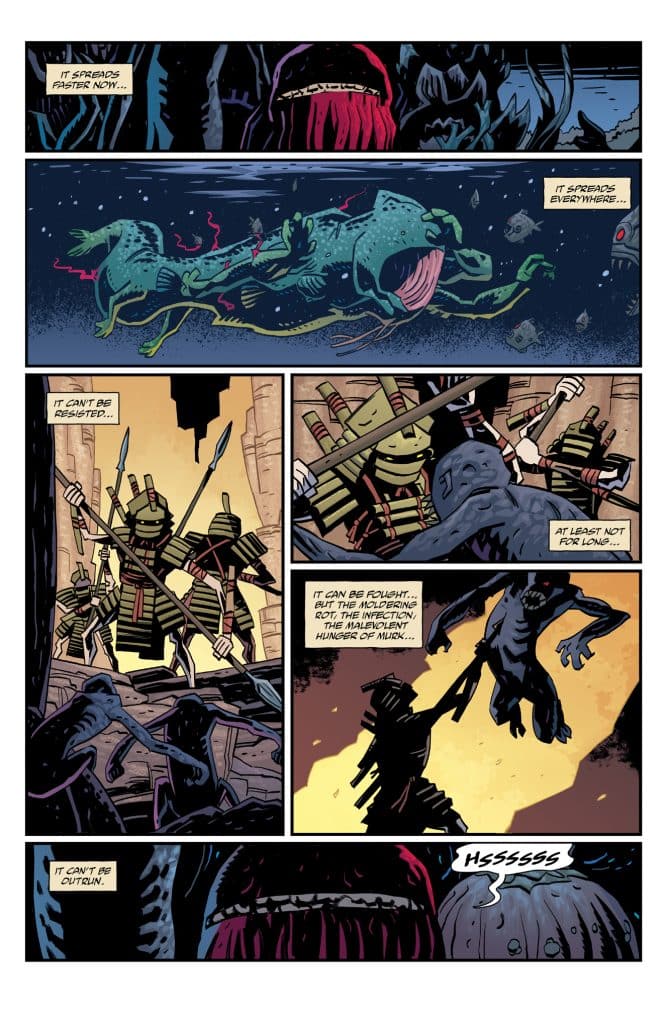
Readers should expect the following as the series progresses:
- Deepening Lore: Answers regarding the state of the B.P.R.D. and the aftermath of the Devil You Know story arc.
- A Shift in Tone: As Lilja’s visions grow more frequent, the narrative is likely to move away from exploration and toward a high-stakes confrontation.
- Character Development: Frankenstein’s internal monologue—a staple of his characterization—is expected to become more philosophical as he grapples with the realization that his struggle may be in vain.
Conclusion
Frankenstein: New World – The Speed of Darkness #2 is more than just a continuation of a series; it is a vital chapter in the history of one of the most influential comic book universes of the 21st century. By bringing together a legendary creative team and setting them against a backdrop of cosmic uncertainty, Dark Horse has ensured that the legacy of Frankenstein remains as relevant and terrifying as it was when it was first introduced.
As we follow Frankenstein and Lilja into the heart of the encroaching shadows, one thing is certain: in the world of Mike Mignola, the darkness never stays static, and the speed at which it moves is the only thing that matters. Whether you are a long-time devotee of the Hellboy franchise or a newcomer to the gothic horror genre, this issue serves as a masterclass in tension, visual storytelling, and world-building. Keep your eyes on the horizon—the light is fading, and the speed of the darkness is only increasing.









No comments yet. Be the first to join the conversation!