

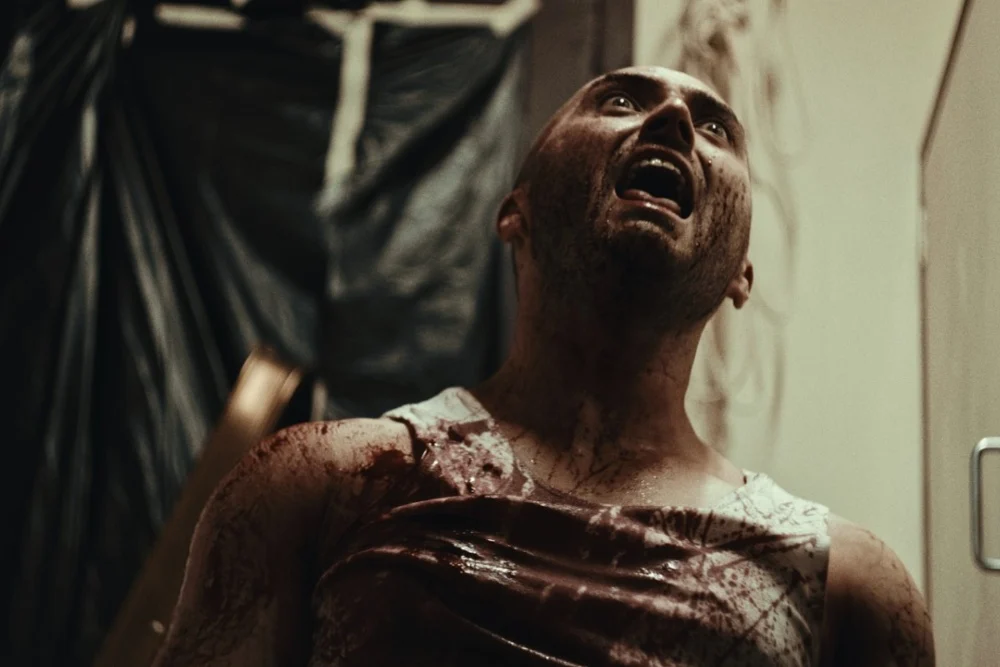
The Australian independent film scene has long been a breeding ground for visceral, high-concept horror, and the latest project to emerge from the continent promises to push the genre into darker, more psychological territories. Black Mandala Films has officially announced the completion of production on Effigy, a supernatural horror feature that blends the nostalgia of late-80s genre cinema with a raw, modern exploration of faith, identity, and the lingering scars of depression. Alongside the completion announcement, the studio has released the first haunting glimpses of the film, signaling a major upcoming festival debut.
Directed by the creative duo Myles McEwen and Ripley Stevens, Effigy is poised to be a standout addition to the supernatural sub-genre. With a narrative anchored in the aesthetic and cultural anxieties of 1989 England, the film explores how the discovery of a seemingly innocuous relic—a mysterious effigy doll—can dismantle a family unit from the inside out.
Main Facts: A Descent into English Gothic
At its core, Effigy follows the Marsh family, whose lives are upended after they unearth a strange artifact. As the family begins to experience a series of violent, escalating supernatural occurrences, it becomes clear that an entity has latched onto their daughter. The situation necessitates the arrival of two paranormal investigators, whose attempts to demystify the haunting ultimately lead them into a traumatic and complex case that challenges their understanding of the spirit world.
The film distinguishes itself by weaving psychosexual undertones into the fabric of a traditional possession narrative. Rather than relying solely on jump scares, McEwen and Stevens have crafted a story that interrogates the nature of faith and the quiet, persistent erosion of the self caused by chronic depression.
The ensemble cast brings together a diverse array of talent:
- Chris Gun (known for his portrayal of Noel Gallagher in Michael Gracey’s Better Man) takes on a pivotal role, continuing his rise in the industry following his previous appearance in With or Without You.
- Lauren Koopowitz portrays the film’s exorcist, bringing a unique intensity to the role. Koopowitz, recognized for her voice work in the highly anticipated Hollow Knight: Silksong and her viral success in the Philippou brothers’ Ash Vlogs, serves as the emotional and spiritual anchor for the investigative side of the plot.
- David Daradan and Saya Kraetzer round out the core cast as Daniel and Ashleigh Marsh, the parents caught in the eye of the supernatural storm.
Chronology of Development: From Concept to Production
The journey of Effigy began with a deliberate effort by McEwen and Stevens to pivot from their previous work. The duo, who also helmed the upcoming Nightfall: A Paranormal Investigation, sought to move away from the documentary-style or experimental formats that dominated their earlier projects.
The Shift in Vision
Following the wrap of Nightfall, which is currently slated for a worldwide release in the coming months, the directors entered pre-production on Effigy with a clear objective: to master the "standard storytelling model." The goal was to marry classic cinematic structure with a thematic depth that felt personal.
"We poured our hearts and souls into this one," McEwen remarked during a recent press briefing. "Unlike our previous features, we followed a standard storytelling model and chose to explore a depression that many of us can relate to. Through this, there’s a genuine heartbeat and soul that emerged from the film."
The 1989 Aesthetic
Production design was a critical pillar in the film’s development. The filmmakers made a conscious decision to shoot and design the movie to feel as though it were a genuine artifact of 1989. This involved not just the set dressing and wardrobe, but a specific approach to cinematography that captures the "magic of cinema" from the late eighties—a period defined by its unique lighting, grain, and practical effects.
Following the wrapping of principal photography, the film moved into an intensive post-production phase. The recent release of two high-contrast, atmospheric frames from the film marks the transition into the distribution phase, with the team now preparing for an imminent, high-profile festival premiere.
Supporting Data: The Black Mandala Influence
Black Mandala Films, known for its commitment to elevated horror and international co-productions, has acted as the primary engine behind Effigy. Executive produced by Michael Kraetzer and Nicolás Onetti, the project fits into the studio’s broader strategy of producing "genre-forward" content that pushes the boundaries of traditional horror tropes.
The Team Behind the Lens
The production team’s pedigree is significant. Michael Kraetzer has been vocal about the unique nature of Effigy, specifically highlighting how it subverts audience expectations. By moving away from the conventional "good vs. evil" exorcism trope and infusing the film with deep-seated psychological horror, the production has aimed to create a viewing experience that is as intellectually taxing as it is frightening.

The casting choices—mixing emerging Australian talent like Chris Gun with the genre-savvy presence of Lauren Koopowitz—reflect a global outlook. By sourcing talent from South Australia, New Zealand, and the broader international independent circuit, the production has ensured a grounded, authentic tone that transcends borders.
Official Responses and Creative Intent
The filmmakers have remained largely cryptic regarding the specifics of the entity, preferring to let the atmosphere of the film do the talking. However, the comments provided by the creative team reveal a high degree of ambition.
"Effigy takes supernatural horror to new heights," stated executive producer Michael Kraetzer. "An exorcism with psychosexual undertones. It’s genuinely terrifying to watch."
For the directors, the project is a testament to the idea that horror is most effective when it acts as a metaphor for the human condition. By tying the haunting of the Marsh family to themes of depression and identity, McEwen and Stevens are positioning the film to resonate with audiences who prefer "elevated horror" similar to modern classics like The Babadook or Hereditary.
When asked about the nature of the entity that stalks the Marsh family, McEwen provided only a chilling, singular tease: "Let’s just say… she’s already here."
Implications: The Future of Australian Supernatural Cinema
The completion of Effigy comes at a pivotal time for the Australian film industry. As local productions continue to gain international recognition through platforms like YouTube, streaming services, and prestigious festivals, the success of a film like Effigy could open new doors for indie creators in the region.
The "Ghost of the 80s" Trend
The choice to set the film in 1989 is indicative of a broader trend in current horror cinema. Filmmakers are increasingly looking back at the turn of the decade—the final years before the digital revolution—to capture a sense of isolation and tactile fear. Effigy utilizes this setting not just for nostalgia, but to ground the story in a time before constant connectivity, making the isolation of the Marsh family feel more absolute.
Market Potential
With the upcoming release of Nightfall: A Paranormal Investigation, McEwen and Stevens are effectively launching a two-pronged attack on the horror market. If both films perform well, the directors will likely cement their reputations as the new guard of Australian supernatural horror.
The film’s focus on "psychosexual undertones" and "depression" suggests it is aimed at an adult audience—a demographic that has shown a strong appetite for horror that requires emotional investment. By avoiding the pitfalls of generic "haunted house" movies and focusing on the internal lives of the characters, Effigy is well-positioned to be a breakout hit on the festival circuit.
Final Outlook
As the industry awaits the official festival premiere, the discourse surrounding Effigy has already begun to build. The combination of strong, locally-rooted acting, a clear thematic vision, and the backing of Black Mandala Films creates a recipe for success.
In an era where horror is often criticized for being formulaic, Effigy promises a return to the visceral and the profound. By rooting its terror in the very real, very painful experiences of the human psyche, and by wrapping it in the authentic, nostalgic aesthetic of 1989, Myles McEwen and Ripley Stevens have crafted a film that is not only a contribution to the horror genre but a reflection of the fears that continue to haunt us all. The entity in the doll may be fictional, but the depression, the struggle for identity, and the desperate search for faith that the film explores are universal—and that is exactly what makes Effigy a film to watch in the coming year.










