Laily UPN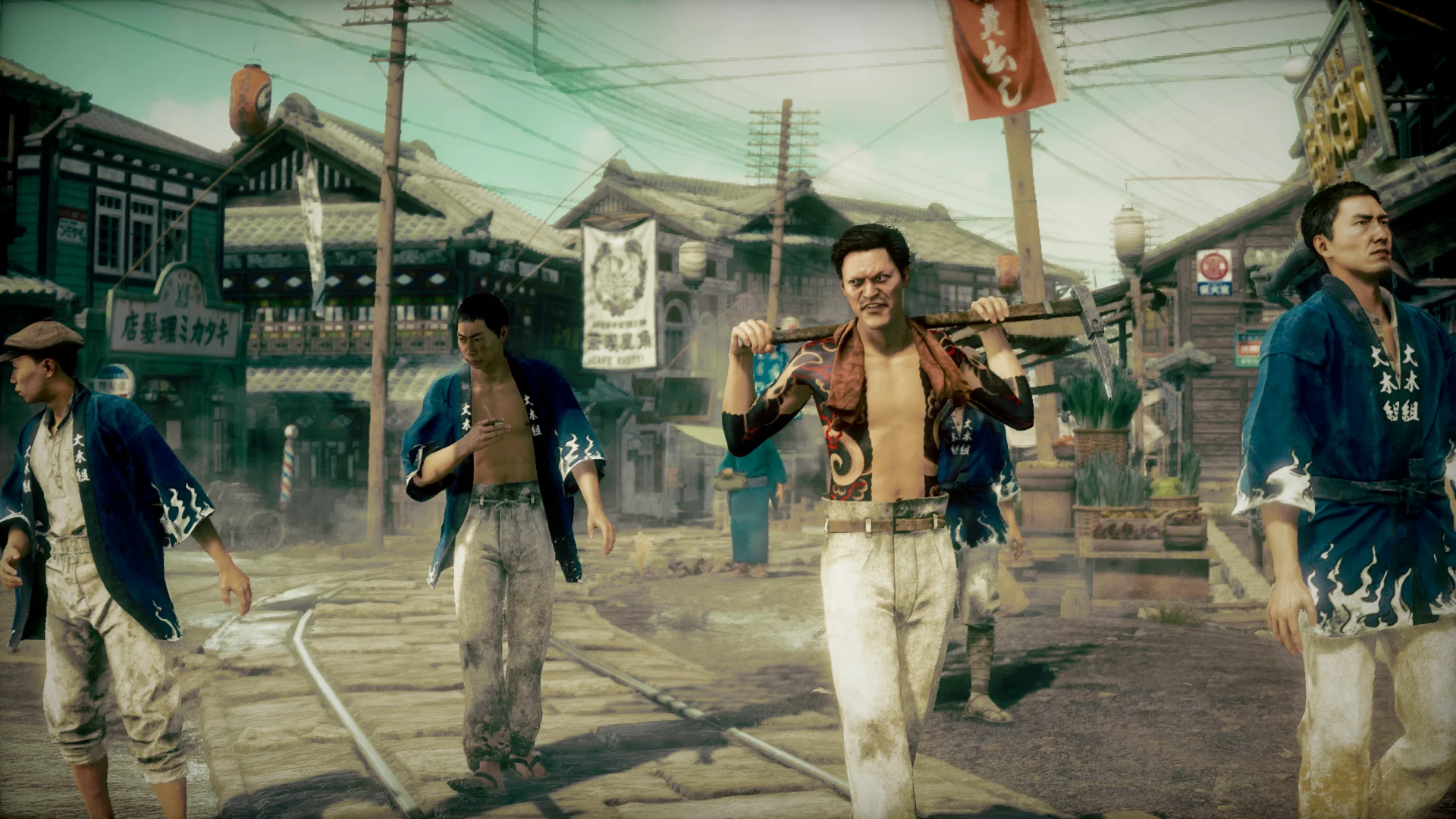
The legacy of Ryu Ga Gotoku (RGG) Studio is one defined by the gritty, neon-soaked streets of Kamurocho and the dramatic, soap-opera intensity of the Yakuza / Like a Dragon series. However, with their latest project, Stranger Than Heaven, the developers are pivoting away from the familiar urban sprawl of modern Japan to offer a sprawling, multi-era odyssey through the country’s turbulent 20th-century history. Recently, during Summer Game Fest, I had the privilege of going hands-on with a combat-focused demo of this ambitious action RPG, providing a glimpse into a title that promises to redefine how we view historical fiction in the gaming landscape.
The Core Concept: A Half-Century of Criminal History
Stranger Than Heaven is not merely another chapter in the RGG playbook; it is an epic narrative undertaking. The game follows protagonist Makoto Daito as he navigates the criminal underworld across five distinct Japanese cities, each captured in a different era. Spanning a half-century of history, the game aims to blend the studio’s signature cinematic storytelling with an entirely new mechanical philosophy.
While the Like a Dragon series has transitioned between brawler and turn-based combat, Stranger Than Heaven opts for a high-intensity, visceral action system that demands a new level of mechanical dexterity from the player. By grounding the narrative in the shifting political and social landscape of 20th-century Japan, RGG Studio is positioning this title as a magnum opus—a project that seeks to bridge the gap between historical drama and the high-octane spectacle the studio is famous for.
A Chronological Journey: The Demo Experience
The demo provided at Summer Game Fest acted as a "vertical slice," stripping away the exploration elements—which were cordoned off by invisible walls—to focus entirely on the game’s combat loops. Players were transported through three distinct historical touchpoints, each escalating in both mechanical complexity and narrative tension.
1915 Kokura: The Introductory Skirmish
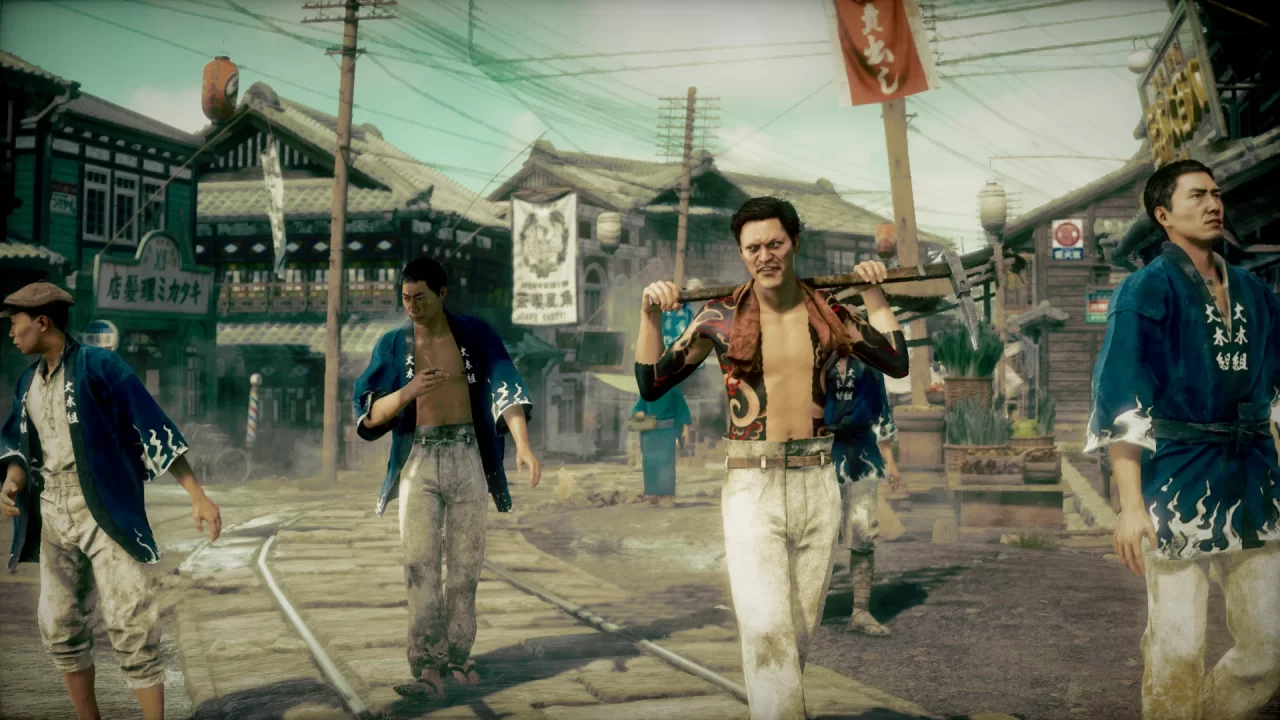
The demo opened in the industrial landscape of 1915 Kokura. This served as an effective onboarding session, introducing players to the fundamental control scheme. In this era, the conflict felt grounded and raw, focusing on group dynamics rather than individual dueling. It allowed me to get comfortable with the unique control mapping that defines the game’s combat.
1929 Kure: The Escalation
The second encounter moved the action to 1929 Kure. Here, the difficulty ramped up significantly. The street brawl felt tighter and more aggressive, forcing players to move beyond basic attacks and into the territory of environmental awareness. It was here that I began to understand that the game treats the player’s two arms as independent instruments of violence, a nuance that transforms standard brawling into something closer to a rhythmic, tactical dance.
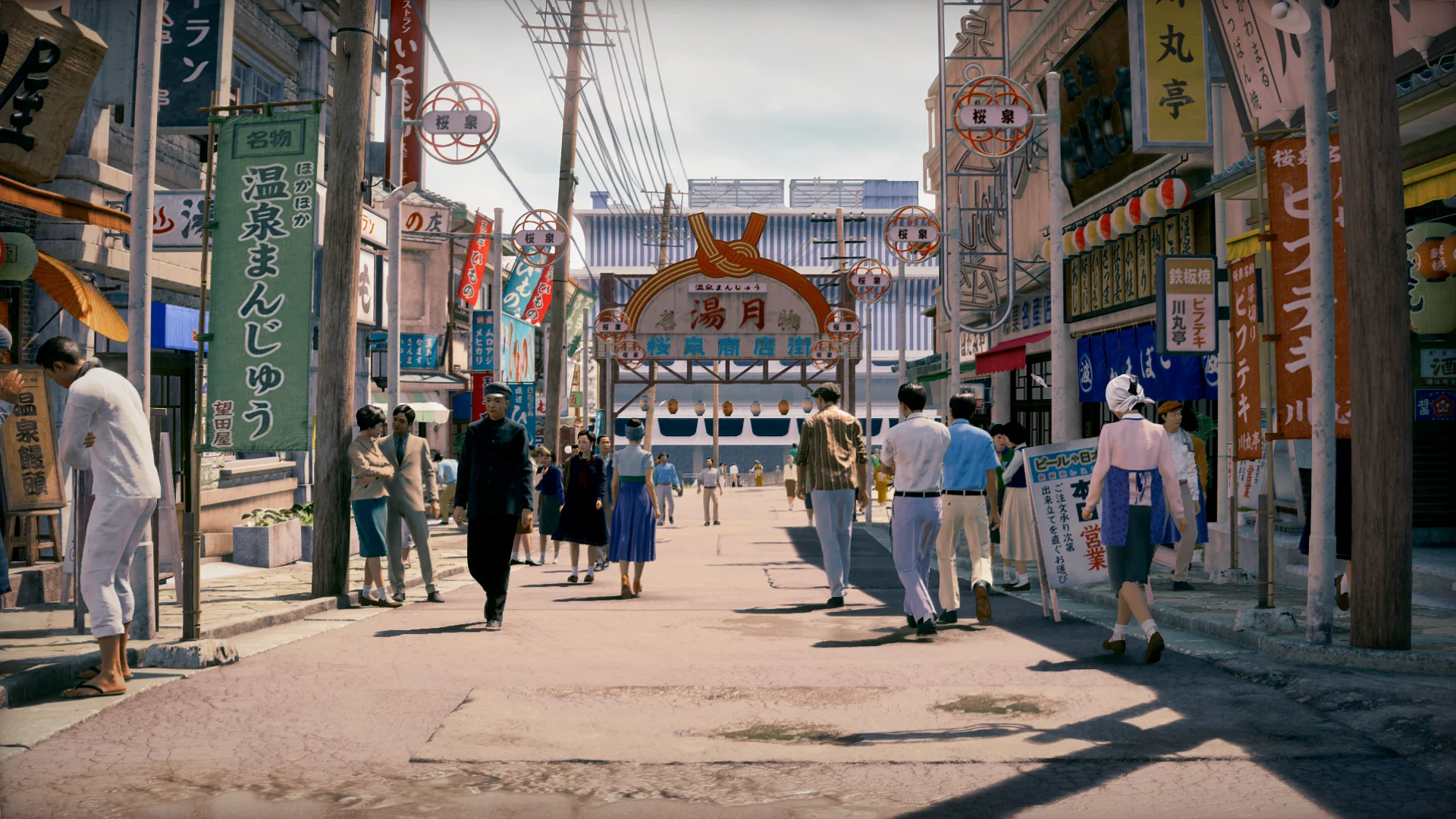
1943 Osaka: The Crucible of the Swordsman
The final encounter was a boss fight set against the backdrop of 1943 Osaka. This was the true test of the demo’s mechanics. Facing a master swordsman in a high-stakes, one-on-one duel required not just reflexes, but an understanding of the game’s stamina management and parry windows. It was a punishing, rewarding encounter that solidified the idea that Stranger Than Heaven is not a game you can "button-mash" your way through.
Mechanical Innovation: The "Dual-Arm" Combat System
The most striking aspect of Stranger Than Heaven is its control scheme. RGG Studio has opted to map attacks to the bumper and trigger buttons of the controller, with the left side controlling Makoto’s left arm and the right side controlling his right.
The Physics of the Brawl
This mapping is not merely an aesthetic choice; it creates a profound sense of tactile engagement. During my playtime, I found that the combat rewards creative improvisation. For instance, if an enemy manages to grapple Makoto’s left arm, the player must instinctively rely on the right arm to break the hold or counter-attack. In another instance, I was able to slam two approaching enemies’ heads together using both arms simultaneously—a moment of emergent gameplay that felt incredibly satisfying.
Weapon Variety and Loadouts
The demo showcased three of the thirteen planned weapon types: bare fists, a serrated knife, and a heavy crowbar.
- Bare Fists: Offer the most fluid movement and are ideal for crowd control.
- The Knife: Quickly became the standout for me. Its speed allows for rapid, slicing combos that can stagger enemies before they have a chance to mount a defense.
- The Crowbar: A heavy-hitter that demands patience. It requires a noticeable "wind-up" period, making it a high-risk, high-reward tool. When it connects, however, the impact is immense, capable of cleaving through groups of enemies with a single, brutal swing.
Defensive Maneuvers: The Stamina of Survival
Combat in Stranger Than Heaven is defined by a rigorous stamina meter. Every dodge, block, and parry consumes energy, meaning players must balance their offensive output with defensive conservation.
For those who lean into the "Souls-like" style of play, the parry system is exceptionally well-implemented. While I have historically preferred the safety of a well-timed dodge, the parries in this title are not just defensive; they are entry points for gruesome, stylish counter-attacks that can turn the tide of a losing battle. The visual feedback of these counters is visceral, emphasizing the dangerous nature of the underworld these characters inhabit.
Implications for the Future of RGG Studio
The success of Stranger Than Heaven could signal a major shift for RGG Studio. By moving away from the safety of the Like a Dragon formula, they are challenging their player base to adapt to a more demanding, mechanical style of gameplay.
Why This Matters
For long-time fans, the game offers a fresh lens through which to view the studio’s technical prowess. For newcomers, the lack of baggage from previous titles makes this an ideal entry point. The game feels like a maturation of the studio’s design philosophy—retaining the "heart" of their narrative-driven games while refining the "muscle" of their action combat.
Market Positioning
With a release window set for this winter across Xbox Series X|S, PS5, and PC, the game is poised to be a major player in the holiday season. The inclusion of the title on Xbox Game Pass at launch is a strategic masterstroke, ensuring that the barrier to entry is low for players who might be curious about this new direction.
Conclusion
My time with Stranger Than Heaven was a revelation. It is rare to see a studio with such a well-established identity take such a bold risk with their control schemes and structural design. While the demo was limited in scope, the combat—with its dual-arm complexity, diverse weapon pool, and unforgiving boss encounters—suggests that the full game will be a substantial, if not essential, addition to the action RPG genre.
As we look toward the winter release, the question remains: will the narrative depth of these five eras match the intensity of the combat? If the attention to detail in the demo’s historical settings and the complexity of the brawl systems are any indication, the answer is a resounding yes.
Stranger Than Heaven is not just a game about fighting in the streets; it is a game about the weight of history, the cost of violence, and the evolution of a development team that refuses to stand still. Stay tuned to RPGFan for further coverage, and if you haven’t yet, check out our Like a Dragon series primer to prepare yourself for the pedigree of storytelling that RGG Studio is bringing to this new, darker horizon.


 Asro
Asro
 Muslim