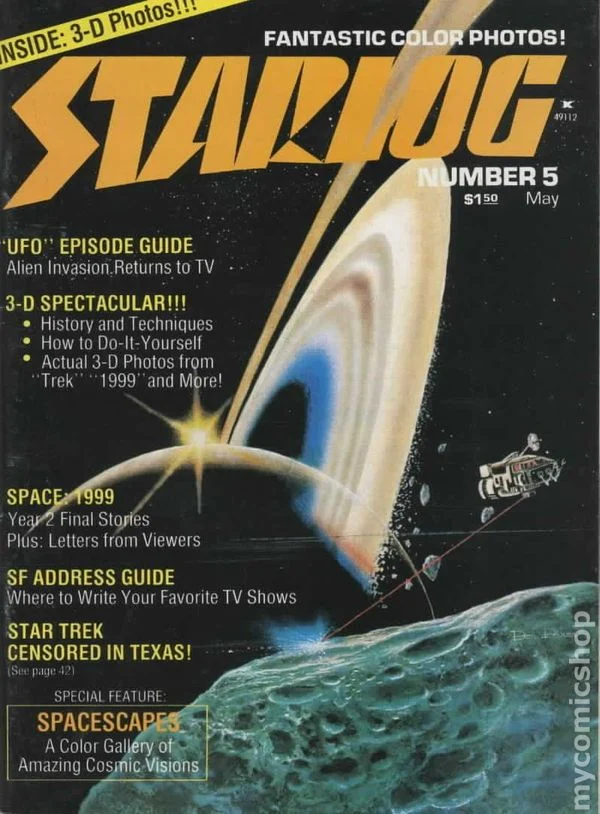
For over three decades, Starlog was more than just a magazine; it was the definitive chronicle of the science fiction imagination. From its debut in the mid-1970s through the digital migration of the early 2000s, it served as a bridge between the sterile halls of academia and the neon-soaked dreams of pop culture. Now, in a move that has sent ripples of nostalgia and excitement through the speculative fiction community, the legendary publication has announced its official return to print. Scheduled to hit newsstands on November 13, 2026, the relaunch marks a bold attempt to marry the tactile, high-fidelity experience of physical media with a modern, multi-platform digital strategy.
The Rebirth of a Visionary Institution
The announcement confirms that Starlog, famously billed as a destination for "visionary sci-fi and cutting-edge science," will return as an annual print publication under the umbrella of the Fangoria media network. This isn’t merely a revival; it is a reimagining. The new iteration of Starlog promises to retain the spirit of its predecessor while adapting to the sophisticated demands of the 2026 reader.
To ensure the publication’s editorial integrity, the leadership team is comprised of industry veterans with deep roots in fandom and professional journalism. Annalee Newitz, a celebrated author and journalist known for her sharp analysis of the intersection of science and culture, will serve as editor-in-chief. Joining her are Meredith Borders, stepping into the role of senior editor, and Jason Kauzlarich, who will oversee the visual aesthetic as senior art director.
This team faces the daunting task of justifying a print product in an era dominated by instantaneous digital content. Their answer is a commitment to premium quality. As Newitz articulated in a recent podcast announcement, the goal is to provide a curated experience that transcends the fleeting nature of online articles. "What is required of a magazine is to have something that you can’t get online, and that’s really thoughtful, engaging articles and beautiful, full-color images that just pop off the page," Newitz noted.
The editorial mandate will focus on two pillars: speculative science—engaging with real-world researchers to forecast the technological horizon—and "deep-dive" cultural criticism, where experts deconstruct the foundational films and novels that have shaped the genre.
A Chronology of the Starlog Legacy
To understand the weight of this relaunch, one must look back at the magazine’s storied history. Starlog first arrived on the scene in August 1976, just a year before Star Wars would fundamentally alter the cultural landscape. It was a time when science fiction fandom was transitioning from small, mimeographed fanzines to professional, glossy publications.

- 1976: The inaugural issue of Starlog is published, capturing the burgeoning enthusiasm for space exploration and the burgeoning cinematic boom of the era.
- 1976–2000: Through the height of the Star Trek film franchise, the Star Wars trilogy, and the golden age of television science fiction like Battlestar Galactica and The X-Files, Starlog served as the essential companion. It was the place to find behind-the-scenes interviews, technical schematics of starships, and candid conversations with the icons of the genre.
- 2009: After 374 issues, the print edition ceased publication. The closure was a victim of the shift toward the digital economy, a trend that saw many legacy print publications struggle to find a foothold in the early web era.
- 2026: Seventeen years after its final print issue, the brand undergoes a comprehensive revitalization under Fangoria, signaling a resurgence of interest in high-quality, long-form print media.
The Multi-Platform Ecosystem
The new Starlog will not exist in a vacuum. Recognizing that modern audiences crave connectivity, the editorial board has structured the relaunch as a full media ecosystem. The annual print magazine will serve as the "centerpiece," but it will be bolstered by two major digital components:
- The Lodestar Newsletter: A weekly email digest designed to keep readers engaged throughout the year. Lodestar will likely act as a bridge between the annual print drops, offering commentary on current sci-fi releases, news updates, and curated links that reflect the magazine’s editorial voice.
- The Starlog Podcast: Hosted by industry fixtures Jordan Hoffman and Dave Gonzales, the podcast serves as the oral counterpart to the print magazine. By hosting conversations with visionary creators, filmmakers, and scientists, the podcast extends the magazine’s mission into the auditory realm, allowing for long-form, unscripted dialogues that dive deep into the creative process.
Official Responses and Editorial Philosophy
The move to include a podcast and a newsletter reflects a broader philosophy regarding the role of "fan media" in the 21st century. The leadership team is clearly attempting to position Starlog as a hub for intellectual curiosity rather than just a promotional vehicle for Hollywood studios.
"We’re going to have a healthy dose of articles about cutting-edge science, speculating with scientists about where we’re headed next," Newitz said during the podcast announcement. "And we’re also going to have deep-dive essays from experts about all your favorite movies and books."
This approach addresses a common criticism of modern entertainment journalism: the tendency to prioritize "clickbait" and spoiler-heavy news over thoughtful synthesis. By leaning into the prestige of the Starlog brand, the team hopes to capture an audience that is tired of the ephemeral, algorithm-driven content cycle and is instead hungry for a curated, authoritative voice. The inclusion of Fangoria—a brand that has successfully navigated its own transition from a print legacy to a modern, multi-channel powerhouse—suggests that Starlog will benefit from robust distribution networks and a sophisticated understanding of fan community management.
Implications for the Future of Genre Media
The relaunch of Starlog is not just a triumph for science fiction fans; it is a significant indicator of the current state of publishing. In recent years, we have seen a "slow media" movement, where readers show a renewed appreciation for high-quality, physical publications. The return of a brand as recognizable as Starlog suggests that the industry is beginning to treat fandom as a mature, intellectual pursuit rather than a passing hobby.
The Return of the Long-Form Read
The decision to publish annually is particularly telling. By eschewing the pressures of a monthly or bi-monthly print cycle, the editors can focus on high-production value, long-form journalism, and photography that demands to be displayed rather than discarded. This aligns with the "coffee table" aesthetic that has seen a resurgence in niche magazine culture.

A New Generation of Scientific Literacy
Perhaps most importantly, the emphasis on "cutting-edge science" signifies a desire to return to the roots of science fiction as a field of inquiry. In the mid-20th century, the lines between speculative fiction writers and actual scientists were often blurred. If Starlog can successfully re-establish that connection, it could provide a vital service in helping the public navigate the complexities of emerging technologies like AI, space travel, and biotechnology through the lens of creative storytelling.
Challenges Ahead
However, the path forward is not without its hurdles. The print industry remains a high-overhead venture. Relying on an annual print release means that the brand’s relevance depends entirely on the strength of its digital ecosystem—the Lodestar newsletter and the Starlog podcast must work overtime to keep the brand top-of-mind for the other 364 days of the year. If the content fails to justify the premium price point of the print issue, or if the digital offerings feel disconnected from the magazine’s core identity, the relaunch could struggle to maintain momentum.
Conclusion
When Starlog #374 hit the shelves in 2009, many believed that the era of the science fiction magazine had come to an end. It was a somber moment for those who grew up using those glossy pages to explore the outer reaches of the galaxy. Yet, the 2026 relaunch proves that the cultural appetite for such a publication was never truly sated; it was merely waiting for the right moment and the right leadership to reignite the spark.
With a team that respects the magazine’s legacy while embracing the tools of the future, Starlog is poised to become, once again, the definitive voice of the genre. Whether you are a scientist looking for a creative outlet, a filmmaker exploring the boundaries of the craft, or a fan seeking a deeper connection to the worlds you love, the return of Starlog is a momentous event—a reminder that in science fiction, as in the universe, the best stories are the ones that never truly come to an end.