

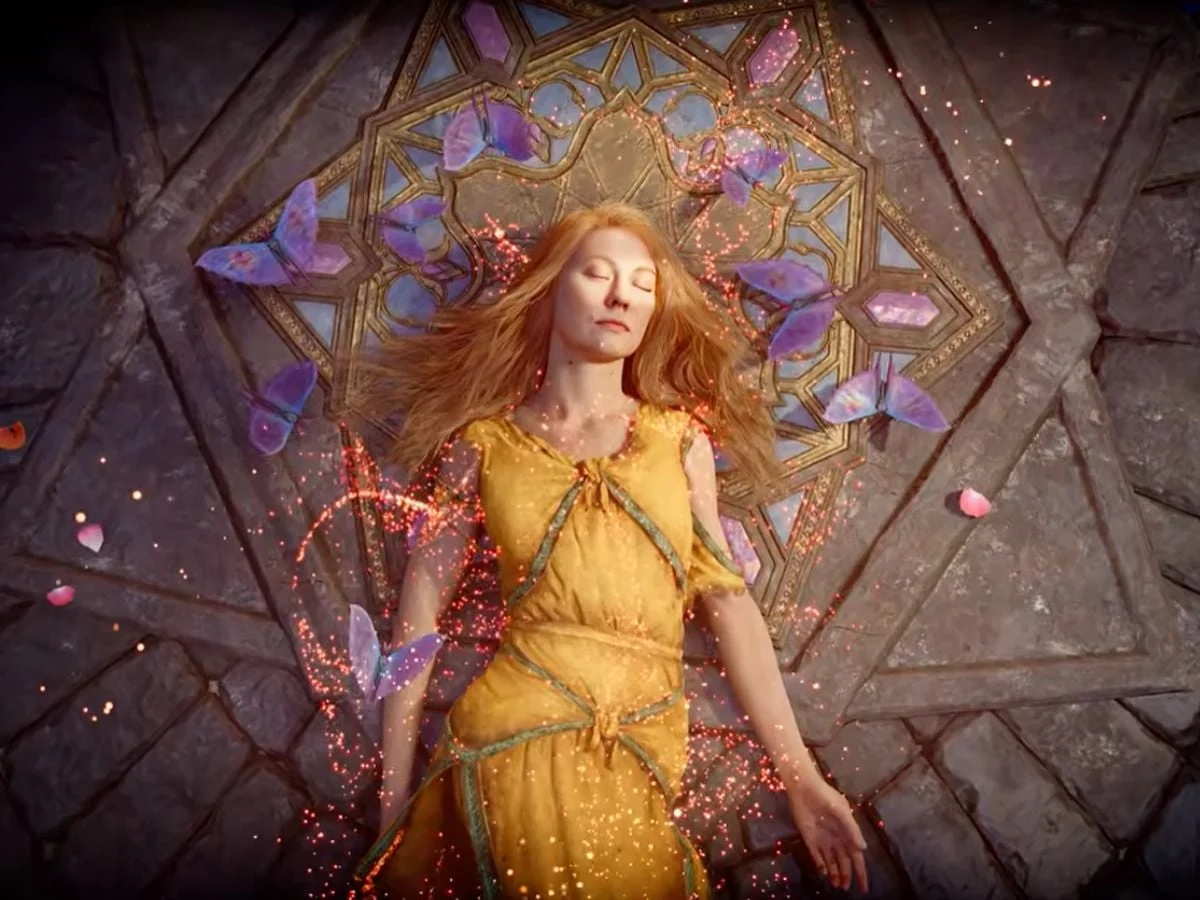
Following the recent PlayStation State of Play on June 2, 2026, the gaming world has been set ablaze by the official announcement of the next major installment in the God of War franchise: God of War: Laufey. While the title has garnered significant anticipation, it has also sparked a contentious debate within the community regarding the absence of the franchise’s long-standing protagonist, Kratos. As Santa Monica Studio prepares to pivot toward the perspective of Faye—Kratos’s late wife and a legendary figure in Norse mythology—the development team is moving to clarify their creative vision for this bold expansion of the series.
The Core Revelation: Moving Beyond the Ghost of Sparta
The announcement trailer, which debuted to a global audience, confirmed that the upcoming title will focus entirely on the origins and exploits of Laufey the Just. For nearly two decades, the God of War franchise has been synonymous with Kratos, the Spartan warrior whose journey from a vengeful demigod to a weary father defined the series’ narrative arc.
However, in a comprehensive interview with IGN, game director Ariel Lawrence and creative director Cory Barlog underscored that the decision to shift focus was not a rejection of Kratos, but rather a necessary evolution of the universe they have spent years constructing.
"We’ll always tell stories about Kratos," Barlog explained during the discussion. "But I think for us, it was just a chance to talk about somebody who was so pivotal to the beginning, to get to know them, and to push beyond into this new world. It gives us a place to be surprised and see how things connect."
For the development team, Laufey is not a replacement, but an expansion. By stepping into the shoes of the woman who shaped both Kratos and Atreus, players will finally gain insight into the events that preceded the 2018 God of War reboot, filling in the gaps of a history that has only ever been hinted at through dialogue and lore entries.
Chronology: From Mythic Lore to Playable Protagonist
To understand the significance of this shift, one must look at the chronology of Faye’s influence on the franchise. Since the 2018 soft reboot, Faye has existed as a phantom presence—a catalyst for the narrative whose influence guided Kratos’s path through Midgard.
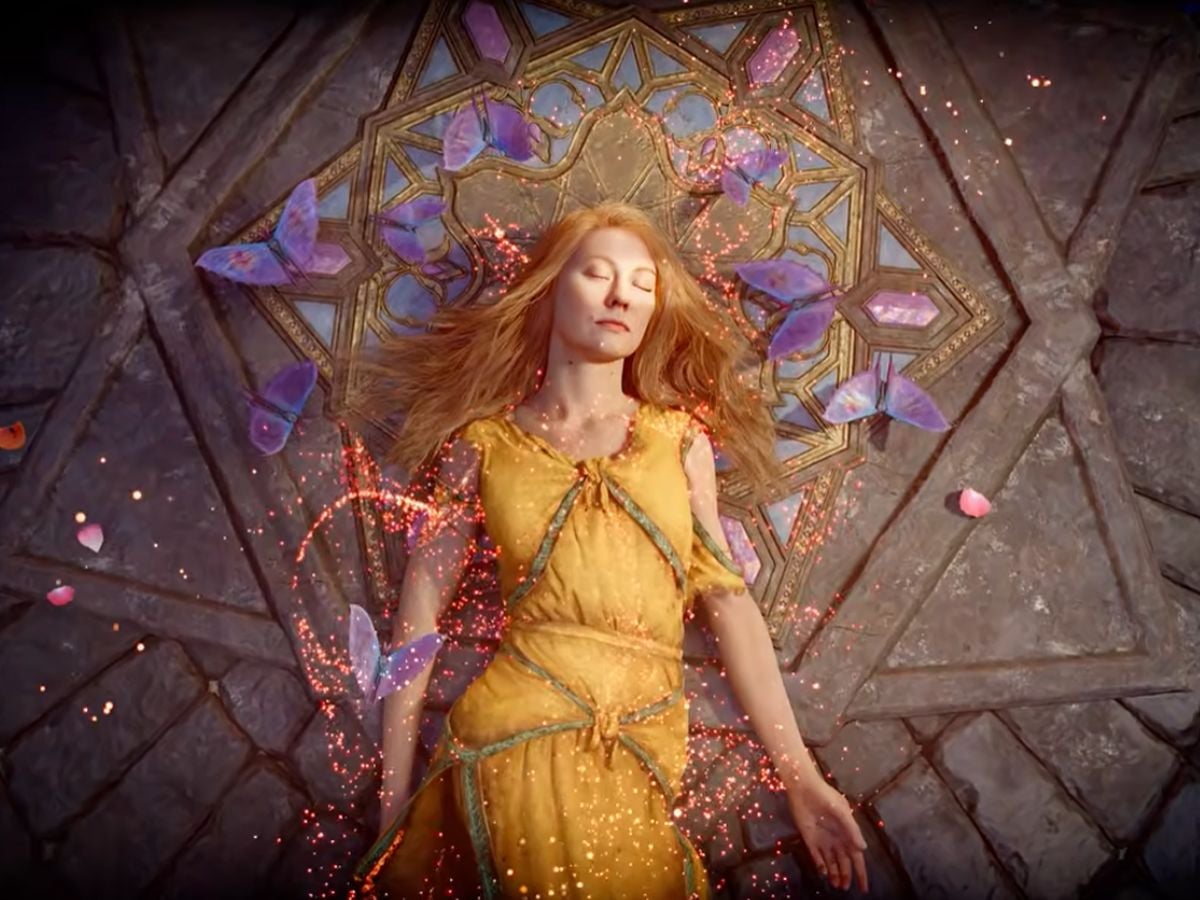
- Pre-2018: Faye’s life as a guardian of the Jötunn and her resistance against the Aesir gods serves as the backdrop for the new game. Players will explore her role as a leader of the giants and her struggle to protect the realm of Jotunheim.
- 2018 – 2022: During the events of God of War (2018) and God of War: Ragnarök, Faye was deceased, her legacy serving as the moral compass for Kratos.
- 2026: With the announcement of God of War: Laufey, Santa Monica Studio is pulling back the curtain on the "anchor" Barlog referenced. The narrative is expected to bridge the gap between her early days as a warrior and the events that led her to meet the Spartan exile.
Barlog noted that the desire to explore Faye’s story has been present at the studio for years. "The character to usher us into this sort of new world is this character, who is such an anchor to the rebirth of where we were going into the franchise," he remarked.
Technical Evolution: Redefining the Combat Loop
One of the most pressing questions from the fanbase concerns the gameplay mechanics. Kratos is defined by his heavy, deliberate, and brutal combat style—a "brick wall" approach, as described by Ariel Lawrence. Faye, conversely, requires a different design philosophy.
"How do we show somebody who’s his equal as she is?" Lawrence posited. "The Greek era had an influence on Faye. The Norse era has an influence on Faye. So, we are looking at our more agile combat roots but also retaining our companions and our gritty, close-quarters combat."
The transition to a more fluid, high-speed combat system is expected to mirror the agility often seen in characters like Atreus, though it will likely be bolstered by the tactical depth associated with the main God of War titles. By merging the speed of the series’ earlier entries with the modern, grounded combat established in the Norse saga, the developers hope to create a "uniquely Faye-feeling" experience. The challenge, as Lawrence described it, is to marry these disparate styles into a cohesive system that feels distinctly like a Santa Monica Studio production.
The Industry and Fan Backlash: Is it Still ‘God of War’?
Despite the promise of innovation, the reaction from the community has been polarized. On social media platforms and gaming forums, a vocal segment of the fanbase has questioned whether a God of War game can exist without the series’ iconic protagonist.
Adding fuel to the fire, David Jaffe—the original creator of God of War—has been critical of the direction. In recent commentary, Jaffe suggested that the brand’s identity is inextricably linked to Kratos’s character arc, Greek mythology, and specific visceral gameplay hooks. For Jaffe and a subset of long-term fans, the new title represents a dilution of what made the series a cultural phenomenon.
These sentiments reflect a broader tension in the video game industry: the struggle between maintaining a legacy brand and the creative desire to evolve. While Santa Monica Studio maintains that Laufey is a spin-off, the branding under the God of War name inevitably carries high expectations. The studio faces the daunting task of proving that the "God of War" mantle is about the world and the mythos, rather than just the man who currently holds the title.
Implications for the Future of PlayStation
The move to prioritize Faye also serves as a strategic maneuver for Sony. By diversifying the roster of playable characters within their flagship franchises, Sony is signaling a departure from the "single protagonist" model that defined the PlayStation 4 era.
If God of War: Laufey succeeds, it could set a precedent for how Sony handles its intellectual properties, potentially opening the door for more standalone stories set within established universes. This approach allows developers to explore different combat styles, narrative tones, and historical settings without needing to force the same character into every scenario.
However, the risk is significant. Should the game fail to resonate with the core audience, it could lead to increased pressure on developers to stick to established formulas. The lack of a confirmed release window—though many industry analysts project a 2027 arrival—suggests that the team is taking the necessary time to refine the mechanics and ensure that the narrative weight of Faye’s story earns its place in the pantheon.
Conclusion: A New Chapter for the Nine Realms
As the industry turns its eyes toward the future of God of War, the discourse surrounding Laufey highlights the passion and proprietary nature of modern fandom. While some are resistant to change, others are eager to see how Santa Monica Studio will expand upon the lore that has made the Norse saga one of the most celebrated achievements in modern gaming.
Whether God of War: Laufey will be remembered as a bold, successful expansion of the series or a contentious detour remains to be seen. What is clear, however, is that Faye is no longer just a memory or a catalyst—she is the centerpiece of a new journey. For a studio that has repeatedly defied expectations, this pivot may well be their most ambitious undertaking yet. As we wait for further updates, one thing is certain: the world of God of War is becoming significantly larger, and the shadow of the Spartan may not be the only thing looming over the Nine Realms anymore.










No comments yet. Be the first to join the conversation!