Ammar Sabilarrohman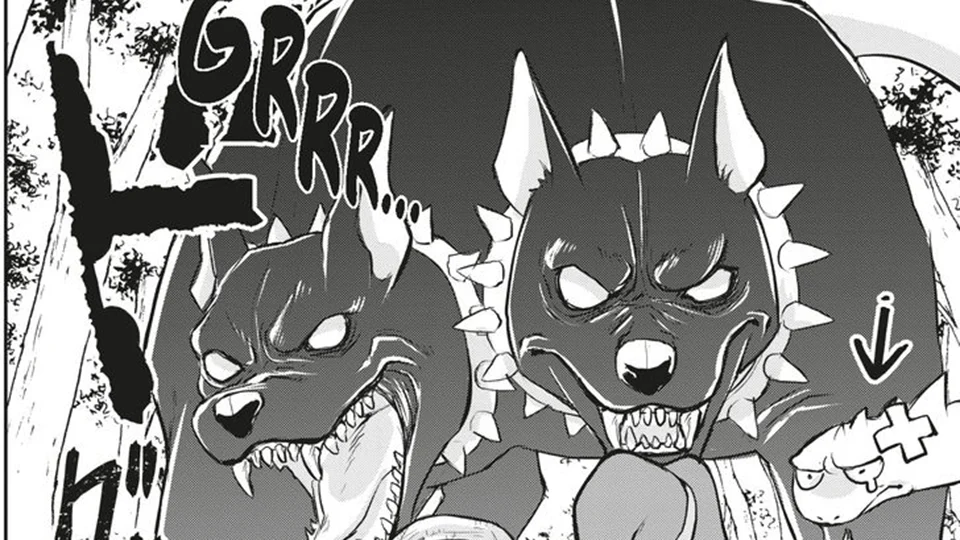
The isekai genre has long been dominated by stoic swordsmen, tactical geniuses, and overpowered protagonists seeking a clean slate in a fantasy realm. Yet, the repetitive nature of these narratives has left many readers craving a deviation from the norm—something louder, bolder, and significantly more amplified. Enter Isekai Metaller, the latest genre-bending sensation from creator Kasuga Ryo. Set to hit bookshelves in North America via Titan Manga this October, the series promises a radical departure from traditional fantasy by infusing the high-stakes world of dungeon-crawling with the rebellious, high-decibel energy of heavy metal culture.
The Core Narrative: A Symphony of Lightning and Magic
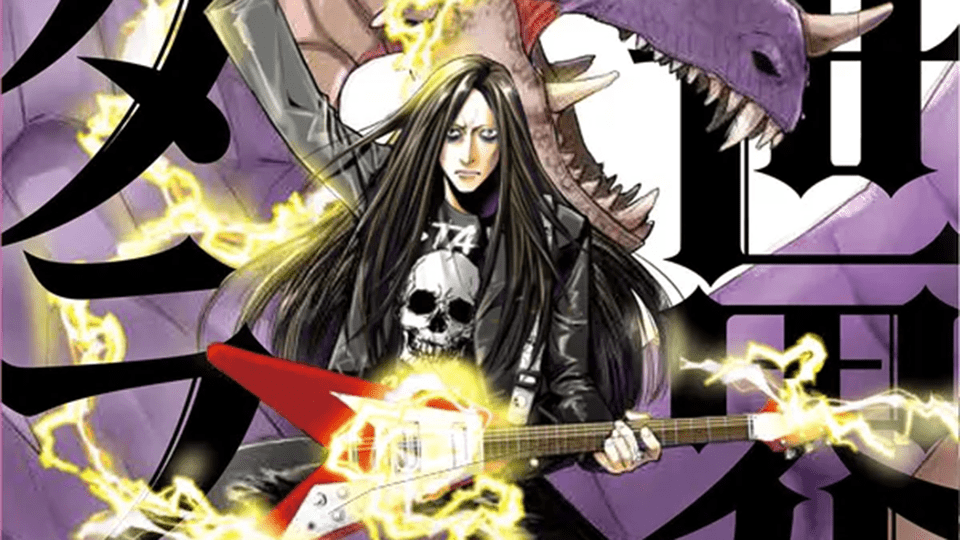
At the center of this sonic storm is Alexi, a protagonist whose character design acts as a deliberate subversion of the typical "hero" archetype. A die-hard metalhead, Alexi’s life in our world was defined by the isolation of a shy, misunderstood youth who found his voice only through the aggressive, cathartic power of electric guitars and distorted riffs. His bandmates may have lacked his intensity, but Alexi’s devotion to the genre remained absolute.
The catalyst for his transition into the fantasy realm is as thematic as it is tragic: a fatal electrocution during a live concert. Rather than a quiet afterlife, Alexi is thrust into a chaotic world teeming with monsters, demons, and rigid power hierarchies. However, he is not powerless. In a stroke of narrative brilliance, the world gifts him with lightning-based abilities that mirror his musical passion. Imagine a Dungeons & Dragons bard, but rather than playing a lute in a tavern, he is wielding a Flying V guitar and casting high-level "Thunder Wave" spells that level the playing field.
Chronology of a Heavy Metal Hero
The arc of Isekai Metaller follows a trajectory that blends the "Zero-to-Hero" progression with a "Music-as-Philosophy" narrative.
- The Origin (The Mortal Coil): We see Alexi struggling with social anxiety and his inability to express himself, culminating in his tragic accident on stage.
- The Transmigration: Alexi awakens in a realm governed by magic levels. His immediate realization is that his "death" was essentially a high-voltage baptism that granted him a level 999 status—an overpowered protagonist who refuses to act like one.
- The Party Formation: Unlike typical heroes who seek out legendary warriors, Alexi’s party consists of the outcasts: a mage with untapped potential, a warrior of the wolf-kin variety, and an orphaned thief. Each represents a different "voice" that society has silenced.
- The Conflict: The central tension is not merely against the "Demon King," but against the systemic cruelty of this world. In this society, low-level fighters are considered expendable, sacrificed by the elite for the "greater good." Alexi’s mission is to disrupt this hierarchy through the unifying force of his music.
- The Philosophical Climax: The confrontation with a rival—a "glam rocker" reincarnate—serves as the emotional anchor of the first volume, forcing Alexi to defend his belief that music is not about technical perfection or genre elitism, but about the authenticity of the soul.
Supporting Data: Why the "Metal" Aesthetic Matters
The success of Isekai Metaller lies in its commitment to the subculture it portrays. Kasuga Ryo does not merely use metal as a superficial coat of paint; the manga incorporates elements of music theory, stage presence, and the history of rock and roll into the combat system.
In literary terms, the manga functions as a commentary on the "silent" protagonist trope. For decades, isekai leads have been defined by their utility—how many monsters they kill, how many spells they learn. Alexi, conversely, is defined by his expression. His "level 999" power is secondary to his desire to hold a concert for the very monsters he is supposed to be hunting.

This approach has resonance with current trends in manga, where "niche" hobbies are increasingly becoming the focal point of action-adventure stories. By grounding his power in his identity as a musician, Ryo ensures that every battle is an extension of Alexi’s character arc. When he plays, the world reacts; the monsters aren’t just targets, but an audience that has never been given the chance to experience a power ballad.
Official Responses and Industry Outlook
The anticipation for the English release of Isekai Metaller has been significant, particularly within the Titan Manga community. Publisher representatives have highlighted that the series fills a void in the current market for "high-concept humor with a heart."
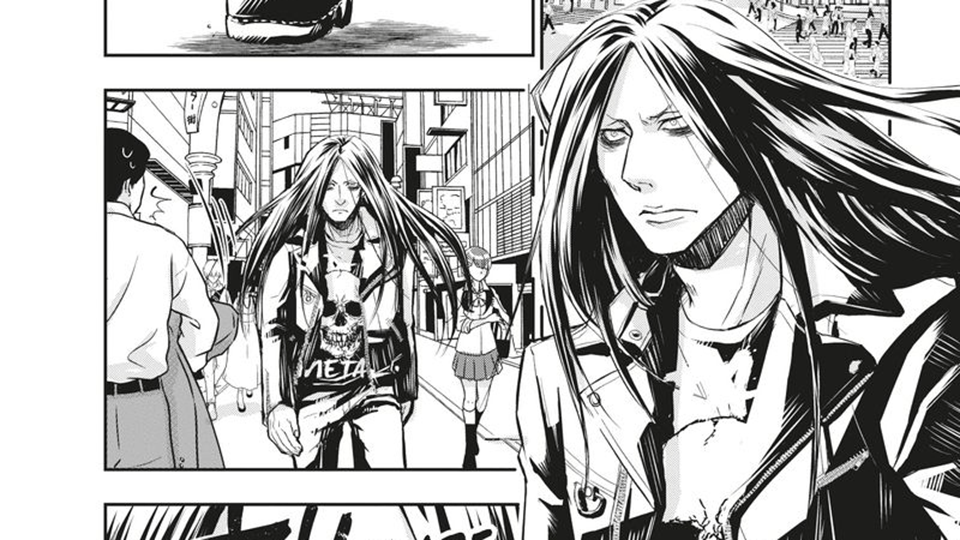
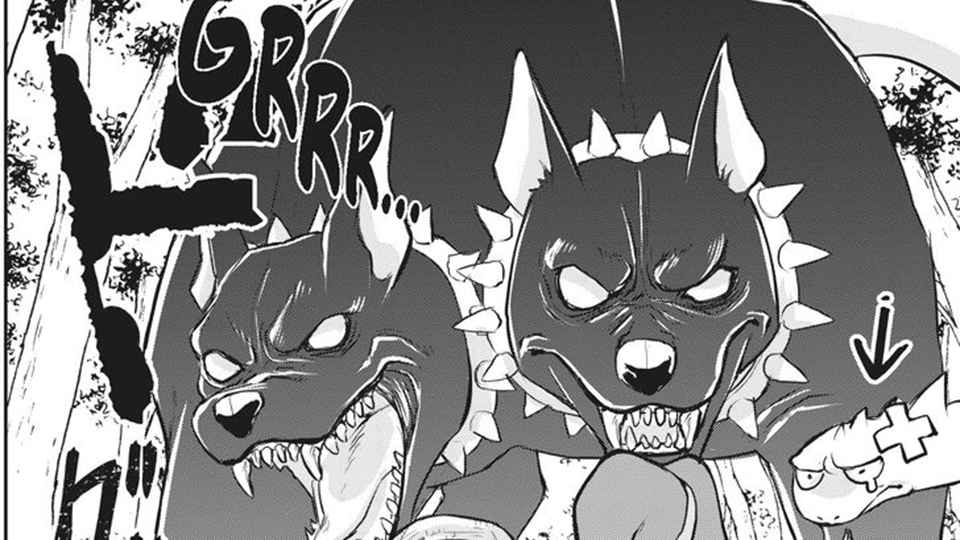
Critics who have previewed the Japanese volumes have noted the impeccable artwork, particularly the paneling during combat sequences. The illustrations of the "glam rock" rival and the various fantasy beasts are described as being reminiscent of classic 1980s metal album covers—think Iron Maiden or Megadeth aesthetics blended with modern character design.
"What we wanted to bring to readers," a spokesperson for the publishing team noted, "is a story that isn’t afraid to be loud. It’s a book about empathy masquerading as an action fantasy. You come for the lightning-charged guitar solos, but you stay for the message that everyone, even a monster, deserves to be heard."
Implications: The Evolution of the Isekai Genre
The rise of Isekai Metaller signals a shift in the genre’s evolution. For years, the market was saturated with "dark" or "cynical" isekai stories, where the focus was on extreme violence or complex game mechanics. Isekai Metaller represents a "Third Wave" of isekai storytelling:
- Deconstruction of the "Edgelord": Despite his frightening, metalhead aesthetic, Alexi is the most compassionate character in the book. This creates a powerful juxtaposition between his appearance and his actions.
- Social Commentary: By attacking the practice of sacrificing low-level citizens, the story touches on themes of class struggle, inequality, and the dehumanization of the "weak"—all through the lens of a guy who just wants to shred a guitar solo.
- The Power of Inclusivity: The story’s central thesis—that music isn’t about the "right" genre but about whether it speaks to the individual—is a direct challenge to the gatekeeping culture often found in both music and gaming fandoms.
The implication here is clear: the audience for isekai is maturing. They are no longer satisfied with simple power fantasies. They want narratives that grapple with identity and the ethics of power. By using the "Demon King" not as a boss to be defeated, but as an entity that simply needs a new perspective (or a killer riff), the manga suggests that communication is a far more potent weapon than a sword.
Final Thoughts: A Must-Read for October
As we approach the release date of October 14, Isekai Metaller stands out as a unique entry in a crowded field. Whether you are a fan of heavy metal, a seasoned dungeon crawler, or just someone looking for a story that dares to be different, this series offers something truly refreshing.
It asks the reader to consider: If you were transported to another world, would you try to conquer it, or would you try to change the way it thinks? Alexi has chosen the latter. He has his Flying V, he has his thunderous magic, and he has a message for every monster, mage, and monarch in the land.
The stage is set, the amplifiers are humming, and the first volume is ready to drop. For those who feel that the current wave of isekai stories has lost its rhythm, Isekai Metaller is the heavy-duty, high-voltage revival you’ve been waiting for. Don’t miss out on what is shaping up to be one of the most unexpected and soul-stirring adventures of the year.


 Neng Nana
 Asro
Asro