As the Star Trek franchise marks its monumental 60th anniversary, the industry is awash in retrospectives, commemorative festivals, and long-form interviews reflecting on a legacy that has spanned generations. Yet, as fans gather at global celebrations—including the highly anticipated events at the Italian Global Series Festival—it is worth remembering that Star Trek’s status as a cultural juggernaut was anything but guaranteed.
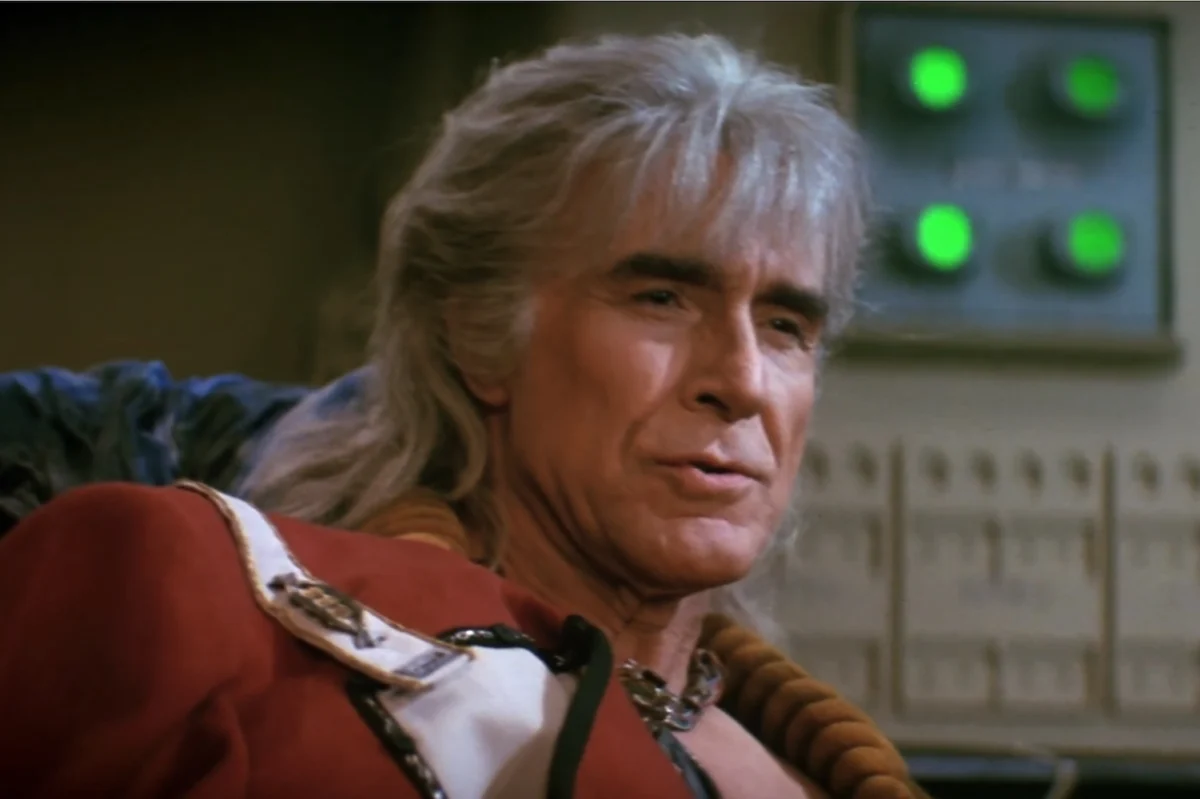
The story of the franchise’s survival hinges on a single, unlikely pivot: the 1982 release of Star Trek II: The Wrath of Khan. In a recent, illuminating conversation with Variety, legendary director Nicholas Meyer opened up about the precarious state of the series four decades ago and how, through a blend of budgetary constraints and literary inspiration, he managed to resurrect a dying starship.
The Financial Brink: A Franchise on Life Support
To understand the magnitude of The Wrath of Khan, one must look at the climate of Paramount Pictures in the early 1980s. The 1979 debut, Star Trek: The Motion Picture, had been a financial success, but it was an incredibly expensive one. With a bloated budget that ballooned due to massive production overruns, the studio was left with a bitter taste.
Paramount’s executives were clear: they wanted more Star Trek, but they were unwilling to bankroll another high-stakes gamble. The mandate handed down to television producer Harve Bennett was direct and daunting: "Can you make a movie better than the first one for half the money?"
Bennett’s response—that he could effectively produce five Star Trek films for the cost of the first—set the stage for a lean, character-driven production. The final budget for The Wrath of Khan settled at approximately $11.2 million. By Hollywood standards of the era, it was a shoestring budget, yet it would ultimately deliver the definitive cinematic experience for the original crew.
A Reluctant Captain: Nicholas Meyer’s Outsider Perspective
Perhaps the most surprising revelation from the production history is that the man who saved Star Trek had little interest in it. Nicholas Meyer, brought on to helm the sequel, admits he was not a fan of the original television series.
"I had seen Star Trek on TV, and I didn’t get it at all," Meyer shared with Variety. "I missed everything that was interesting about the show—the idea that people of different races and genders and cultures could come together to do something good. That blew right by me."
Meyer’s admission highlights the unique position he held: as a creative outsider, he was not beholden to the rigid lore or the internal politics of the fanbase. He was a professional filmmaker tasked with a job, and he approached the script with the same discipline he would apply to any other narrative project. His connection to the project was initially personal, rooted in his friendship with Harve Bennett, but it soon evolved into a creative breakthrough that would define the franchise’s tone for years to come.
Chronology: The Road to the Genesis Planet
The development of The Wrath of Khan was a chaotic, high-pressure process that stands in stark contrast to the polished final product.
- 1979: Star Trek: The Motion Picture is released to mixed reviews and significant financial pressure.
- 1980–1981: Paramount greenlights a sequel but demands a drastic reduction in production costs. Harve Bennett is brought in to lead the project.
- Late 1981: After several drafts that failed to capture the studio’s or the creators’ vision, Nicholas Meyer is hired as director.
- Early 1982: Meyer conducts an uncredited rewrite of the script, injecting a sense of naval drama and stakes that had been missing from earlier iterations.
- June 1982: Star Trek II: The Wrath of Khan hits theaters, becoming a massive critical and commercial success, effectively securing the future of the film franchise.
The Hornblower Connection: Finding the Heart of Kirk
How does a director who "didn’t get" Star Trek manage to create the most beloved installment in its history? The answer, as Meyer explains, lies in the literature of his youth.
While struggling to find the "way in" to the character of James T. Kirk, Meyer looked to the novels of C.S. Forester. The Horatio Hornblower series, which chronicled the life of a Royal Navy officer during the Napoleonic Wars, provided the missing piece of the puzzle.
"It’s obviously supposed to be Lord Nelson, but it’s a captain in the Royal Navy during the Napoleonic Wars, and he has many adventures, and he has a girl in every port," Meyer noted. "When you’re 13, this sounded pretty good. And I thought, ‘Wait a minute, Kirk is Hornblower in outer space.’ I know how to do that."
This realization allowed Meyer to strip away the "techno-babble" of the first film and replace it with the weight of human experience: aging, loss, and the moral responsibilities of command. By framing the Enterprise not as a spaceship, but as a vessel of war in a vast, dangerous sea, Meyer turned a space-opera into a classic seafaring drama.
Supporting Data: Why ‘Khan’ Remains the Benchmark
The success of The Wrath of Khan is not merely anecdotal. It remains the highest-rated entry in the franchise on platforms like Rotten Tomatoes and Metacritic, and it fundamentally altered the economics of the film industry’s approach to intellectual property.
| Metric | The Motion Picture | The Wrath of Khan |
|---|---|---|
| Budget | ~$44 Million | ~$11.2 Million |
| Box Office | ~$139 Million | ~$97 Million |
| Profit Margin | Moderate | High (due to budget efficiency) |
| Legacy | Slowed Momentum | Launched a 6-film arc |
The film’s efficiency allowed Paramount to move forward with sequels, leading to the "Golden Age" of Star Trek films in the 1980s. It proved that audiences were not necessarily paying for high-budget spectacle; they were paying for the relationships between Kirk, Spock, and McCoy.
Official Responses and Industry Impact
In the decades since, the "Meyer Method"—focusing on the humanity of the crew rather than the mechanics of the ship—has been cited by showrunners and directors across the science fiction genre. The late Harve Bennett’s insistence on "half the money" inadvertently forced the creative team to prioritize dialogue and character development, a lesson that modern streaming-era productions often struggle to replicate.
Industry analysts suggest that the success of the film also served as a template for "soft reboots." By grounding the story in themes that were relatable to non-fans (the fear of death, the burden of leadership), Meyer and Bennett ensured that the franchise could survive outside of its own echo chamber.
Implications: The Legacy of the Ear Bug
Beyond the critical analysis and the box office numbers, The Wrath of Khan left an indelible mark on the public consciousness—and, for some, a lasting trauma.
Meyer, as an uncredited writer on the project, was instrumental in finalizing the film’s darkest sequences, including the notorious Ceti eel scene. Whether or not he is solely to blame for a generation’s "lifelong fear of ear bugs" remains a point of lighthearted contention among fans. However, that specific scene is a testament to the film’s effectiveness; it was visceral, terrifying, and unforgettable.
As the franchise moves into its seventh decade, the implications of Meyer’s work are clear: Star Trek is at its best when it is small. When it strips away the galactic threats and focuses on the internal struggle of its captains, it finds its true power.
Nicholas Meyer’s journey from a confused director who "didn’t get it" to the architect of the franchise’s salvation is the ultimate Star Trek story. It is a story of adaptation, of finding the right perspective, and of boldly going where others had failed to tread—not by spending more, but by thinking deeper. As we celebrate 60 years, the lesson of 1982 remains as relevant as ever: the heart of the Enterprise is not in its engines, but in the people who command it.