Sagoh
Sagoh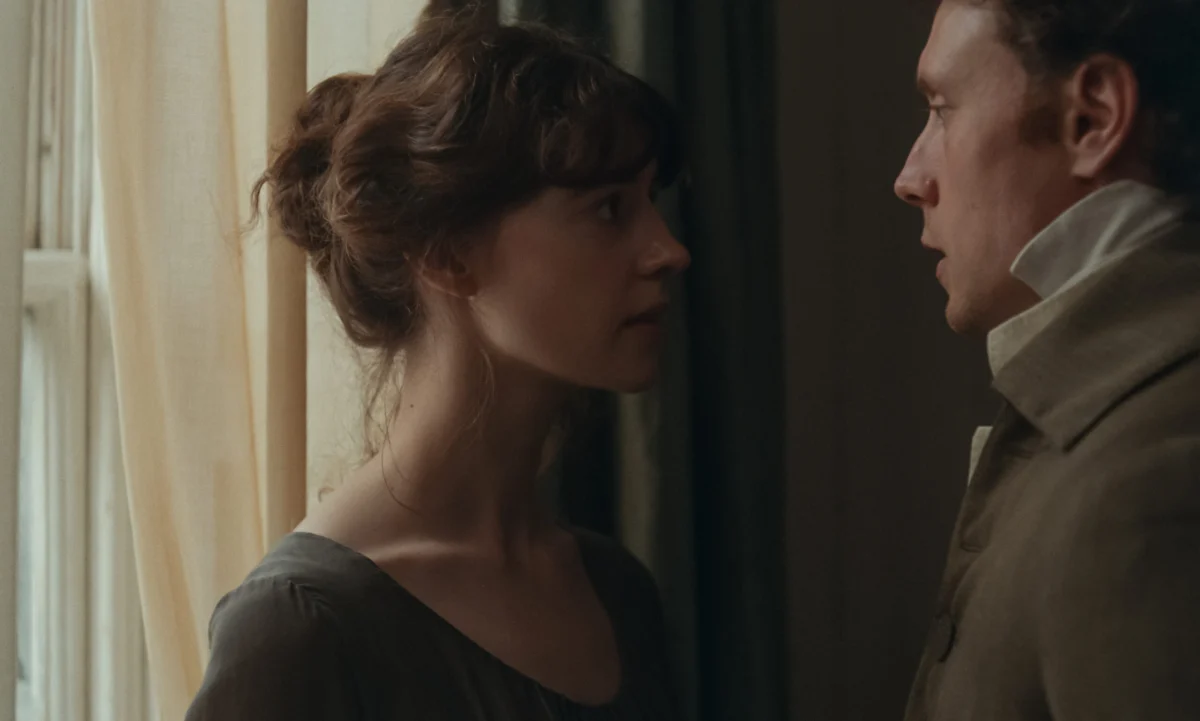
We are currently living through a golden age of Jane Austen adaptations. Whether it is the bold, stylized maximalism of Autumn de Wilde’s 2020 Emma, the polarizing yet conversation-sparking 2022 Netflix adaptation of Persuasion, or the anticipation surrounding the newly announced limited series of Pride and Prejudice, Austen’s literary footprint has never felt larger.
This enduring "Austen-mania" is not merely a trend; it is a cultural recalibration. As we revisit these 18th-century social landscapes, we find that the themes of economic precariousness, the constraints of gender, and the search for authentic connection resonate with a modern audience with startling intensity. Now, Focus Features is adding a major new chapter to this canon with a fresh, highly anticipated adaptation of Sense and Sensibility.
The New Dashwood Sisters: A Bold Creative Vision
The latest iteration of Sense and Sensibility features a compelling creative team designed to bridge the gap between classic Regency charm and contemporary sensibilities. Starring Daisy Edgar-Jones as the pragmatic, self-sacrificing Elinor Dashwood and Esmé Creed-Miles as the passionate, headstrong Marianne Dashwood, the film promises a nuanced exploration of the sisterly bond.
The production is helmed by Georgia Oakley, the acclaimed filmmaker behind the BAFTA-nominated debut Blue Jean. Oakley’s appointment suggests a focus on interiority and emotional realism, moving away from the "costume drama" tropes that have occasionally plagued the genre. The screenplay is penned by bestselling author Diana Reid, whose literary success with Love & Virtue and Seeing Other People speaks to her sharp, modern understanding of social dynamics and romantic tension.
Joining Edgar-Jones and Creed-Miles in this star-studded ensemble are George MacKay, Outlander icon Caitríona Balfe, Frank Dillane, Herbert Nordrum, Bodhi Rae Breathnach, and the venerable Fiona Shaw. This diverse cast signals an intention to inject fresh energy into the well-trodden corridors of Barton Park and Norland Estate.

A Chronology of the Austen Revival
To understand the significance of this new film, one must look at the recent timeline of Austen-related projects that have kept the author at the forefront of the cultural zeitgeist:
- 2020: The release of Emma (directed by Autumn de Wilde) set a new visual standard for adaptations, prioritizing vibrant color palettes and eccentric character work.
- 2022: Netflix’s Persuasion offered a modern, meta-textual take on the source material, sparking intense debate about tone and faithfulness.
- 2024: The 20th-anniversary re-release of Joe Wright’s Pride and Prejudice (2005) served as a stark reminder of the film’s enduring perfection, sparking renewed interest in the "classic" cinematic approach.
- 2025: A limited series adaptation of Pride and Prejudice was announced, featuring Emma Corrin and Jack Lowden, signaling that streamers are hungry for long-form narrative arcs.
- 2025 (June): Focus Features officially confirms the new Sense and Sensibility, emphasizing the novel’s history as an anonymous publication—initially credited only to "A Lady."
- 2026 (October): The theatrical release date for the new Sense and Sensibility is set for October 16.
The Weight of Expectation: Comparing the New to the Iconic
The inevitable question facing Georgia Oakley’s film is: How does it differentiate itself from the 1995 Ang Lee masterpiece, which featured a career-defining screenplay by Emma Thompson?
The 1995 film is widely considered the gold standard of Austen adaptations, balancing wit with a somber, melancholic undercurrent. However, the 2026 version aims for a different texture. Per the official logline, the film is framed as an "irresistible new take," focusing on the "charming, witty, and deeply relatable" aspects of the story.
The trailer, released today, offers a visual feast. It depicts the harrowing transition of the Dashwood women as they are uprooted from their family home—a moment that remains one of the most painful in all of literature. Yet, beneath the inevitable social humiliation, the footage highlights a sense of mystery and a modern pacing that suggests a faster, perhaps more emotionally immediate narrative flow than the measured steps of the 1995 original.
Literary Pedigree Meets Cinematic Craft
The inclusion of Diana Reid as a screenwriter is a strategic masterstroke. Reid’s literary career has been defined by her ability to dissect modern social performance. Her debut, Love & Virtue, was a runaway success that earned the ABIA Book of the Year Award, while her subsequent works, Seeing Other People and Signs of Damage, have solidified her reputation as a sharp observer of human folly. By tasking Reid with the adaptation, Focus Features is clearly signaling that they want a script that respects the biting social satire inherent in Austen’s original prose.

Behind the scenes, the production is bolstered by industry heavyweights. Tim Bevan and Eric Flint of Working Title Films—a production house synonymous with the best of British cinema—are producing alongside India Flint of November Pictures and Jo Wallett. This combination of institutional experience and a fresh, female-led creative team (Oakley and Reid) positions the film to appeal to both purists of the Regency genre and younger audiences who gravitate toward emotionally complex, character-driven storytelling.
Implications for the Industry
The success of this film will likely determine the future trajectory of "Literary Period" adaptations in Hollywood. We are currently seeing a move away from the stuffy, overly reverent depictions of the 19th century in favor of films that highlight the universal nature of the characters’ dilemmas.
The financial success of The Other Bennet Sister (a spin-off project) and the continued success of Bridgerton-adjacent properties prove that audiences are not just interested in the story of Jane Austen, but in the world she created. By focusing on the "restraint and passion" of the Dashwood sisters, Focus Features is betting that the core audience for this film is looking for a reflection of their own struggles with modern-day financial uncertainty and romantic ambiguity.
Why ‘Sense and Sensibility’ Still Matters
Austen’s Sense and Sensibility was her first published novel, and it remains arguably her most emotionally punishing. While Pride and Prejudice is a comedy of manners, Sense and Sensibility is a tragedy of circumstances. It explores what happens when the moral "sense" of a woman is pitted against the "sensibility" of her heart in a world where money dictates one’s survival.
As we look toward the October 16 release, the stakes are clear. This film must balance the weight of historical context with the lightness of a modern romantic drama. With a cast that brings high-caliber talent to every role—from Fiona Shaw’s gravitas to the youthful energy of Edgar-Jones—there is every reason to believe that this will be the defining Austen experience for a new generation.

In an era of fleeting digital content and ephemeral trends, the enduring power of Austen’s work—and this new, bold attempt to capture it—proves that even after two centuries, we are still learning how to navigate the complex, often treacherous, and always beautiful landscape of the human heart.
Focus Features will release Sense and Sensibility in theaters on Friday, October 16.


 Nana
Nana
 Jia Lissa