

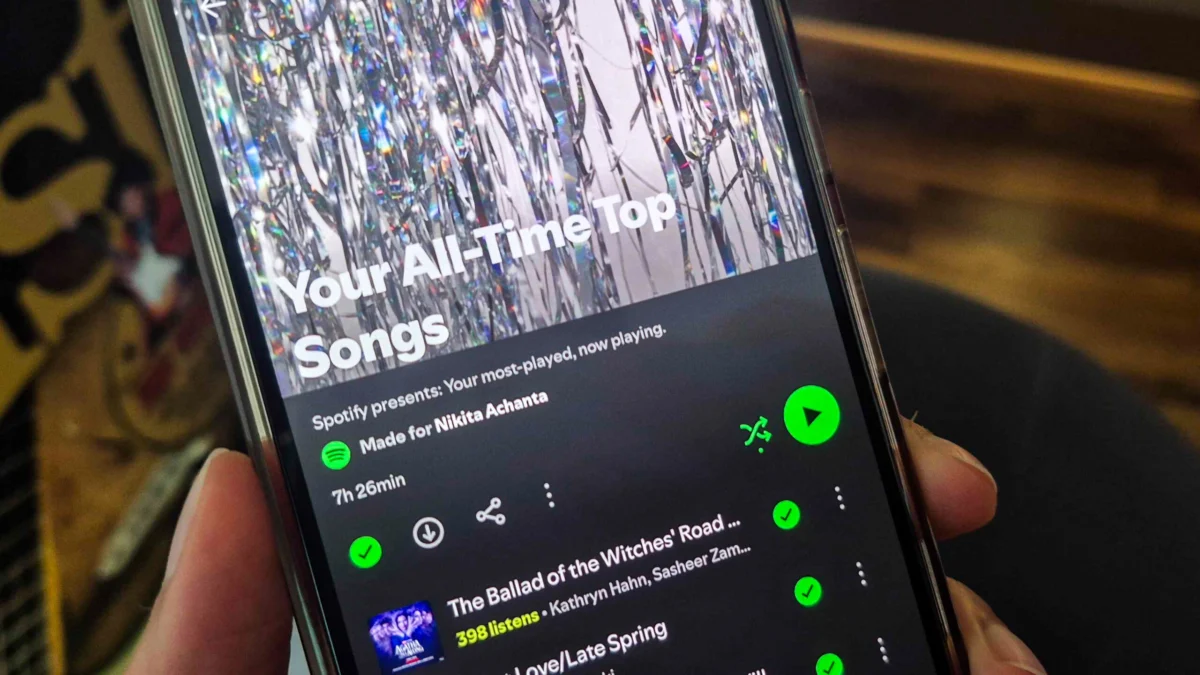
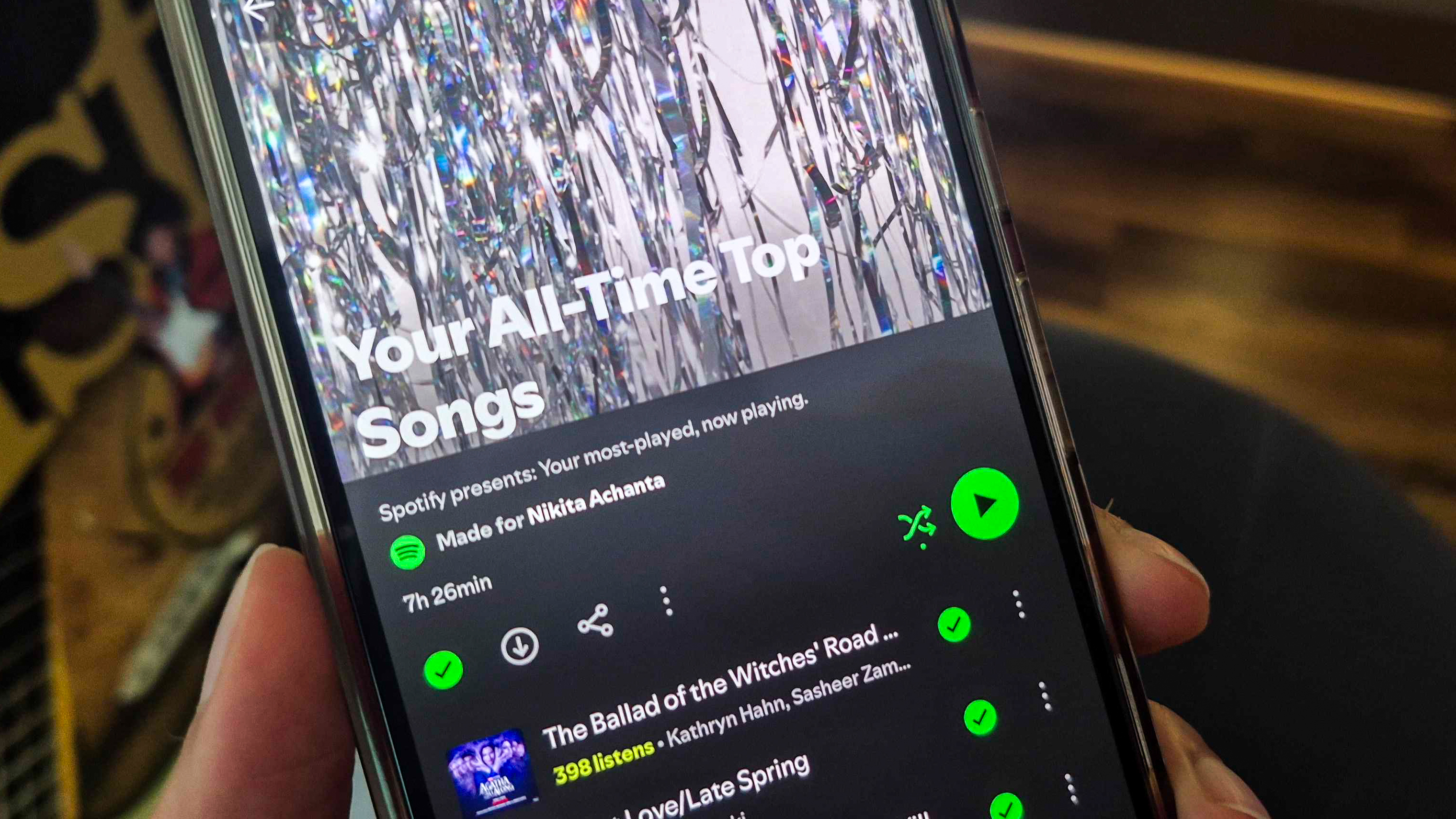
As Spotify marks its 20th anniversary this month—a milestone symbolized by the festive, disco ball-themed logo currently gracing the application—the streaming giant is shifting its focus from mere discovery to deep, user-centric customization. In a significant announcement this week, Spotify unveiled a suite of interface and backend improvements designed to provide listeners with unprecedented control over their digital libraries, more robust offline capabilities, and a more intuitive approach to playlist management.
These updates arrive at a pivotal moment for the platform. As the streaming market reaches maturity, Spotify is pivoting away from rapid feature expansion toward refining the "reliability" and "usability" of its core architecture. While some of these tools are exclusive to Premium subscribers, others are being pushed to the global user base, reinforcing Spotify’s commitment to maintaining its position as the world’s most versatile audio platform.
The Core Updates: A Breakdown of New Functionality
The recent announcement highlights three distinct pillars of improvement: enhanced playlist organization, refined queue management, and the long-awaited stabilization of offline listening.
1. Playlist Organization and Curation
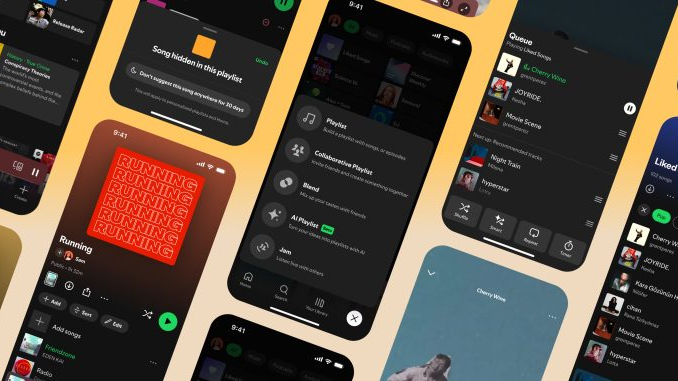
For years, power users have clamored for the organizational depth of the desktop application to be mirrored on mobile. Spotify has finally answered that call. Users can now create and manage playlist folders directly from their mobile devices. This allows for the categorization of music by mood, genre, or activity, essentially allowing users to turn their chaotic, sprawling libraries into neatly organized archives.
Furthermore, Spotify has introduced in-playlist bulk actions. Previously, managing large playlists felt like a chore, requiring individual taps to remove or reorder tracks. With the new update, users can select multiple tracks, podcast episodes, or audiobooks simultaneously to move, delete, or reorganize them in one fluid motion. This feature is rolling out globally to all users, regardless of subscription tier.

2. Premium-Exclusive Queue Control
Premium subscribers are receiving a specialized treat: the return of bulk management for the "Play Queue." After a multi-year absence, users can once again highlight and manage multiple songs within their active queue. This is paired with a new "Reshuffle" button. Unlike the standard toggle, which simply turns shuffle mode on or off, the Reshuffle button acts as a dynamic disruptor, instantly reordering the queue to provide a fresh sequence without forcing the user to exit their current listening state.
3. Background Downloads for iOS
Perhaps the most significant technical upgrade concerns offline listening. Spotify is introducing background downloads for iOS users. In previous versions, if a user navigated away from the app or allowed the screen to lock during a large download, the process would frequently stall. Now, downloads will persist in the background, with the app providing granular notifications regarding progress. While this is a massive win for mobile commuters and travelers, the company has yet to provide a timeline for an Android rollout.
A Chronology: Two Decades of Sonic Evolution
To understand the weight of these updates, one must look at the arc of Spotify’s twenty-year history.
- 2006: Founded in Stockholm, Sweden, by Daniel Ek and Martin Lorentzon, Spotify launched with the goal of providing a legal alternative to the rampant music piracy of the early 2000s.
- 2008: The official public launch in select European markets changed the industry’s perception of music ownership, shifting the paradigm toward access rather than possession.
- 2011: Spotify enters the United States, sparking a massive shift in American media consumption habits.
- 2015: The introduction of "Discover Weekly" solidified the platform’s reputation as an AI-driven tastemaker, using sophisticated algorithms to curate personalized listening experiences.
- 2018: Spotify went public on the New York Stock Exchange, cementing its status as a global tech behemoth.
- 2020-2024: A period of aggressive diversification into podcasts, audiobooks, and live audio experiences, moving beyond just music streaming.
- 2026: The 20th-anniversary celebration marks a return to the fundamentals, focusing on user interface (UI) and user experience (UX) refinements that prioritize the listener’s personal organization of their data.
Supporting Data: Why Reliability Matters
The shift toward these specific features is not arbitrary. According to recent market analysis, "library fatigue"—the anxiety or annoyance caused by a disorganized collection of thousands of saved songs—is a growing complaint among long-term subscribers.
Internal data from Spotify suggests that users who actively curate their playlists are 40% more likely to retain their subscriptions over a five-year period. By implementing folders and bulk-editing tools, Spotify is essentially gamifying the organizational process, encouraging users to spend more time "cleaning" their libraries, which in turn increases their emotional investment in the platform.
Furthermore, the focus on background downloads for iOS addresses a specific pain point in the "offline-first" demographic. Data indicates that a significant percentage of churn (users canceling their subscriptions) occurs when users experience frustration with app performance during travel or network instability. By making offline listening "more dependable," Spotify is targeting a reduction in churn for its most valuable demographic: mobile-heavy, frequent commuters.
Official Stance and Corporate Vision
In its official statement, the company framed these changes as part of a broader "performance-first" initiative.
"Our goal for our 20th year is to make Spotify not just the place where you find music, but the place where you truly master your personal soundscape," a company representative stated. "By focusing on the technical backend—the ‘plumbing’ of the app—we are ensuring that as your library grows, the app remains responsive, intuitive, and, above all, reliable."
The decision to limit certain features, such as the queue reshuffle and background downloads, to Premium members is a clear strategic choice to drive conversions. By reserving "power-user" features for the paid tier, Spotify is creating a distinct value proposition that justifies its subscription price against rising competition from Apple Music and YouTube Music.
Implications: The Future of the Streaming Interface
What do these updates signify for the future of digital audio?
First, it signals an end to the "feature bloat" era. For years, streaming services added social features, live audio, and complex recommendation engines. While popular, these features often cluttered the interface. The current pivot toward manual organization—folders, bulk edits, and manual queue shuffling—suggests that users are reclaiming agency from the algorithms. There is a growing desire to be the curator of one’s own life, rather than a passive recipient of algorithmic suggestions.
Second, the technical stability of offline downloads suggests that Spotify is preparing for a future where mobile data consumption is more strictly managed by users. As global mobile data costs fluctuate and users become more conscious of battery and data usage, a "dependable" offline experience becomes a competitive advantage.
Finally, the 20th-anniversary milestone acts as a psychological anchor. By celebrating its history while simultaneously upgrading its tools, Spotify is signaling that it is not a legacy tech company in decline, but a platform capable of evolving with its user base. For the millions who have grown up with the platform, these changes feel less like new features and more like long-overdue home improvements.
As we look toward the next decade, the competition will likely not be fought over who has the largest library, but over who provides the most seamless, user-controlled interface. Spotify’s latest update is a definitive opening salvo in this new chapter of the streaming wars.
Whether you are a casual listener or a power-user with a library spanning two decades, these tools offer a welcome reprieve from the clutter, allowing the music—and the listener—to take center stage once again.












No comments yet. Be the first to join the conversation!