

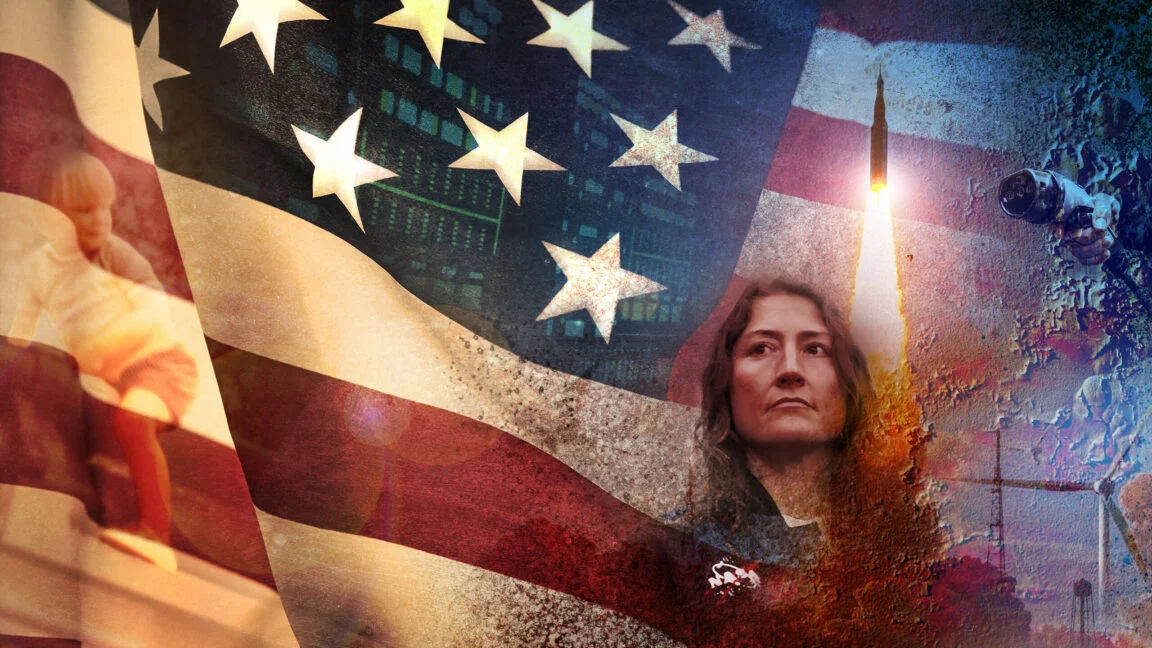
As the United States marks its 250th anniversary in July 2026, the mood across the nation is a complex tapestry of nostalgia, exhaustion, and profound introspection. For those who remember the Bicentennial of 1976—a time characterized by a collective, if imperfect, sense of optimism—today’s landscape feels markedly different. The transition from the post-Cold War era of American hegemony to the current period of fragmentation has left many citizens questioning whether the American project is still moving toward a "more perfect union" or if it has lost its way entirely.
The Arc of a Nation: A Chronology of Change
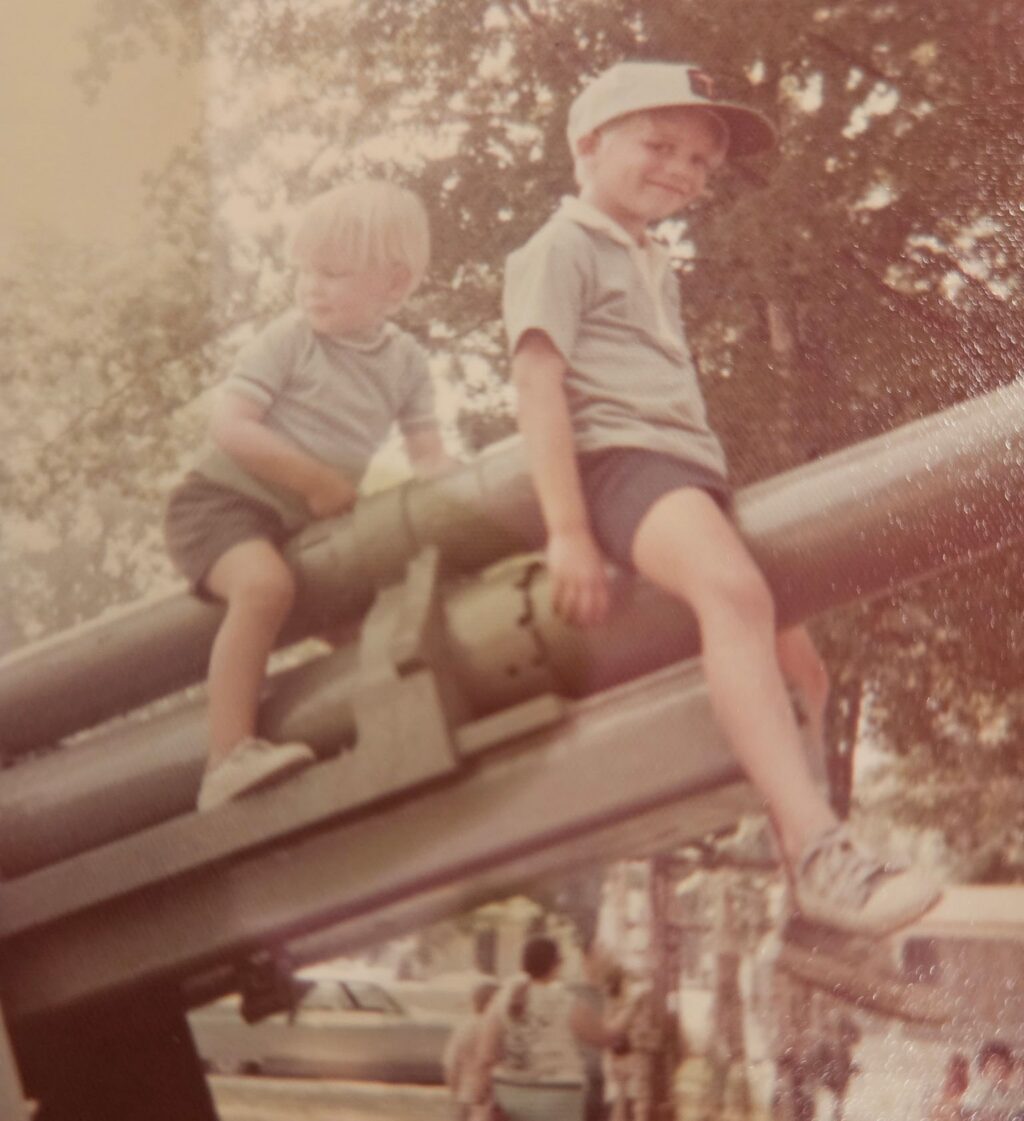
To understand the current malaise, one must look at the trajectory of the last half-century. In 1976, the country was emerging from the trauma of Vietnam and the stain of Watergate. Yet, there was a shared belief in the institutions of democracy. My own earliest memories, formed as a three-year-old in small-town Michigan, are rooted in that era: the sight of a local parade, the sound of a veteran father speaking about the virtues of civic duty, and the tactile reality of climbing on a courthouse cannon.
The 1980s and 1990s represented a period of relative stability and global cultural dominance. The fall of the Berlin Wall and the subsequent economic boom solidified the U.S. as the world’s sole superpower. Scientific advancement and basic research were the bedrock of this success, fueling an era where America was not just a political leader, but an economic and technological powerhouse.
However, the turn of the millennium marked an inflection point. The September 11 attacks shattered the sense of domestic security, and the ensuing military entanglements in Iraq and Afghanistan drained both the national treasury and the public’s faith in government intervention. The 2008 financial crisis further eroded the social contract, exacerbating wealth inequality and planting the seeds for the intense political polarization that defines 2026.
The Erosion of Consensus
The modern American condition is defined by a lack of shared reality. The rise of social media and the subsequent proliferation of digital echo chambers have made it increasingly difficult for the citizenry to agree on fundamental facts.
"We are living in an era where the public square has been fractured," notes one political analyst. "When you cannot agree on what is true, you cannot debate in good faith."
This erosion of trust has had tangible, often dangerous, consequences. The rejection of life-saving medical interventions, the rise of political vitriol, and a growing cynicism toward the democratic process have created a toxic atmosphere. When Donald Trump ascended to the presidency a decade ago, it was the culmination of a long-standing frustration among a populace that felt ignored by the political establishment. The "disruption" they voted for arrived in full force, bringing with it a tide of narcissism, corruption, and a troubling affinity for autocratic models of governance.
Data and Despair: The State of the Union
Statistical evidence confirms that the national mood is at a nadir. According to recent data from Gallup, American optimism regarding the future has plummeted to record lows in 2026, falling beneath even the grim benchmarks set during the height of the COVID-19 pandemic.
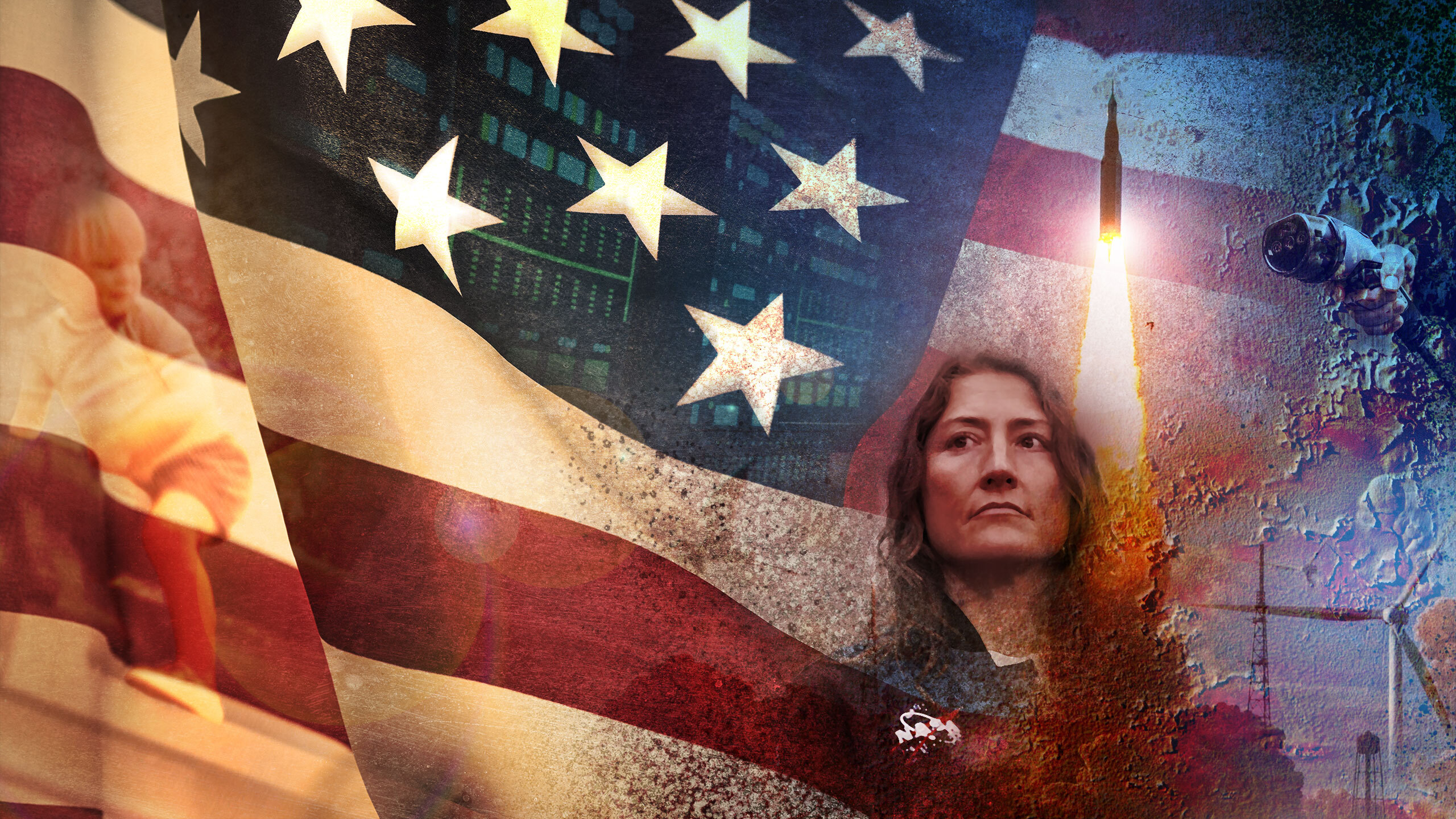
While the reasons for this unhappiness vary across the political spectrum, the result is a unified sense of drift. Younger generations, specifically Generation Z, are entering a workforce marked by uncertainty and the looming, existential question of how artificial intelligence will reshape their livelihoods. The dream of homeownership—the traditional pillar of the American middle class—has become increasingly inaccessible, leaving many to wonder if the "American Dream" is being systematically dismantled.
The Case for Resilience: Reasons for Hope
Despite the gloom, the American story is one of iterative reinvention. The very systems that are currently strained—free speech, economic mobility, and the electoral process—are the same tools that have allowed the nation to correct its course in the past.
As a journalist who has spent a quarter-century covering science and space, I have witnessed firsthand that the engines of American ingenuity are far from stalled. In the space sector, I have met thousands of dedicated individuals working to push the boundaries of human reach. They are building satellites to track deforestation, harvesting solar energy to combat climate change, and pioneering technologies that will eventually allow us to tap into the resources of the solar system, reducing the environmental burden on our own planet.
Furthermore, the scientific community remains a beacon of progress. Despite political attempts to defund agencies or push ideological agendas, the U.S. Congress has repeatedly shown bipartisan support for the sciences. For the average American, the pursuit of knowledge remains a priority. From breakthroughs in oncology and the development of cancer vaccines to the globalization of research, the march of human progress continues at an exponential pace.
Implications: The Power of Individual Agency
The fundamental question for the next 50 years is how the nation will reconcile its internal contradictions. History teaches us that "truth will out." Whether it is the failure of poorly constructed technology, the collapse of corrupt financial entities like Enron, or the way satellite imagery has forced transparency in international conflicts like the war in Ukraine, reality eventually asserts itself over propaganda.
We are at a crossroads. We can continue to succumb to the "enshittification" of our culture—a slide into cynicism and clickbait—or we can choose to be "makers." As we look toward the 300th anniversary, the responsibility lies not with a singular leader or political party, but with the aggregate power of individuals.
The "off-ramp" from our current highway of despair is the act of engagement. It is found in the creation of reliable, no-hype information sources, the support for evidence-based policy, and the refusal to let anger mediate our interactions.
Conclusion
As I look at my two daughters, now young adults, I worry about the world they are inheriting. Yet, I refuse to succumb to doom-scrolling. The United States is not a static object; it is a process. It is a messy, loud, and often frustrating experiment, but it is one that has demonstrated an unparalleled ability to adapt.
The most profound realization at the age of 250 is that the power to change the country is not entirely lost—it is simply waiting to be exercised. We are the architects of the next century. By focusing on the tangible work of building, learning, and protecting the truth, we can ensure that the next chapter of the American story is not a decline, but a resurgence. The "plot" has not been lost; it is simply waiting for us to pick up the pen and begin writing the next page.











