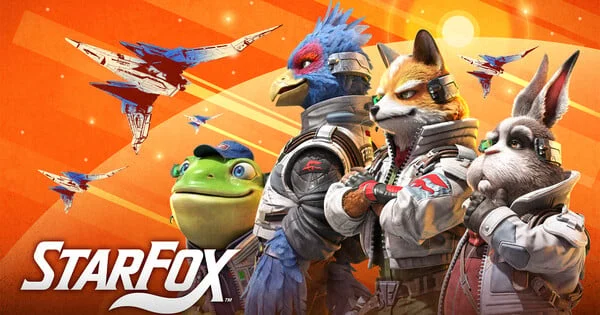
Tokyo, Japan – July 6, 2026 – Nintendo’s highly anticipated remake of the classic space shooter, Star Fox, has made a spectacular debut, immediately seizing the number one position on Japan’s video game sales charts for the week of June 22-28. The nostalgic revival of the beloved franchise, released exclusively for the Nintendo Switch 2, sold an impressive 41,680 units, signaling a strong return for the intergalactic heroes.
This triumphant launch comes amidst a generally robust week for the Japanese gaming market, with Nintendo titles dominating the top rankings. The data, compiled by the reputable gaming publication Famitsu, offers a comprehensive look at consumer purchasing trends and highlights the enduring appeal of established franchises, as well as the growing influence of newer platforms.
A Familiar Fox, A New Horizon: The Debut of Star Fox Remake
The resurgence of Star Fox has been a topic of fervent discussion among gamers and industry analysts alike. The original Star Fox, with its groundbreaking 3D graphics and innovative gameplay, captivated a generation of players. This remake, built for the next iteration of Nintendo’s flagship console, the Nintendo Switch 2, promised to blend that classic charm with modern technological advancements. The immediate success of the title suggests that Nintendo has successfully tapped into a deep well of nostalgia while also appealing to a new audience eager to experience the thrill of piloting the Arwing.
The 41,680 units sold in its debut week, while a strong opening, also provides a benchmark for future performance. In a market often characterized by rapid shifts, the longevity of Star Fox‘s appeal will be closely watched. However, given the franchise’s established legacy and the dedicated fanbase it commands, a sustained presence in the top charts is a distinct possibility.
A Week of Nintendo Dominance: Analyzing the Sales Data
The Famitsu sales chart for June 22-28 paints a vivid picture of the Japanese gaming landscape, with Nintendo titles occupying a significant majority of the top 20 positions. This dominance underscores Nintendo’s consistent ability to resonate with Japanese consumers, a testament to their carefully curated portfolio of first-party games.
The evergreen popularity of titles like Tomodachi Life (ranked #2 with 28,543 weekly copies sold), Pokémon Pokopia (ranked #5 with 5,870 weekly copies sold), and Mario Kart World (ranked #6 with 4,521 weekly copies sold) demonstrate the enduring strength of Nintendo’s established intellectual properties. Even older titles such as Minecraft (ranked #10 with 3,353 weekly copies sold) and Animal Crossing: New Horizons (ranked #15 with 2,029 weekly copies sold) continue to maintain a respectable sales presence, highlighting their long-term appeal and strong community engagement.
The presence of Powerful Pro Baseball 2026-2027 (ranked #3 with 16,950 weekly copies sold) and eFootball Kick-Off! (ranked #4 with 6,483 weekly copies sold) from Konami indicates the continued strength of sports simulation games in Japan. These titles consistently find a dedicated audience, reflecting the nation’s passion for both virtual and real-world athletics.
Intriguingly, the chart also features a few independent and niche titles, such as Medabots Card Robattle RB Kabuto Ver./Kuwagata Ver. (ranked #7 with 4,348 weekly copies sold) and Blackish House ~sideZ~ -Retour- (ranked #8 with 4,114 weekly copies sold), suggesting a diverse range of gaming interests among Japanese consumers. The inclusion of 007 First Light on the PlayStation 5 at #18, while a lower ranking, is notable as it represents a multi-platform release in a predominantly Nintendo-dominated chart.
Chronology of Success: The Road to the Top
The release of the Star Fox remake on June 26th marked the culmination of significant anticipation. Pre-release marketing campaigns, including trailers showcasing updated graphics and gameplay mechanics, as well as nostalgic nods to the original titles, had generated considerable buzz. The decision to launch the remake on the Nintendo Switch 2, a platform that has quickly established itself as a powerhouse in the Japanese market, was a strategic move that clearly paid off.
Looking back at the previous week’s rankings (June 15-21), the landscape was different, with titles like Tomodachi Life and Powerful Pro Baseball 2026-2027 holding stronger positions. The introduction of Star Fox has significantly disrupted this order, demonstrating the impact a major new release can have on market dynamics. The fact that the remake immediately claimed the top spot, displacing established best-sellers, speaks volumes about its immediate impact and the pent-up demand for a revitalized Star Fox experience.
The subsequent weeks will be crucial in determining the staying power of the Star Fox remake. While its debut has been exceptional, the ability to maintain sales momentum against ongoing releases and the general ebb and flow of consumer interest will be the true test of its success.
Supporting Data: A Deeper Dive into the Numbers
The provided sales data offers several key insights:
- Platform Concentration: The overwhelming presence of the Nintendo Switch (NSw) and Nintendo Switch 2 (NSw 2) in the top 20 is undeniable. This highlights the platform’s dominance in Japan and the strong ecosystem Nintendo has cultivated.
- Franchise Power: The consistent performance of Nintendo’s flagship franchises – Mario Kart, Pokémon, Animal Crossing, and now Star Fox – underscores the value of brand recognition and established gameplay loops.
- New vs. Established: The success of the Star Fox remake alongside older, yet still popular, titles like Minecraft and Splatoon 3 illustrates a dual market dynamic: consumers are eager for fresh experiences while also retaining strong affection for proven gaming staples.
- Publisher Landscape: Nintendo is the clear leader, but Konami and Square Enix also maintain a significant presence, showcasing their continued relevance in the Japanese market.
- Debut Impact: The Star Fox remake’s debut at #1 with 41,680 units sold is a strong indicator of initial consumer enthusiasm. For comparison, Final Fantasy VII Rebirth on the Switch 2, released on June 3rd, has sold 39,376 units to date, with only 1,985 in its most recent reported week. This suggests that Star Fox‘s launch performance was robust.
The data also reveals the longevity of certain titles. Mario Kart 8 Deluxe, released in 2017, continues to sell consistently, demonstrating the long-term value of well-supported games. Similarly, Animal Crossing: New Horizons (2020) and Splatoon 3 (2022) maintain healthy sales figures, indicative of ongoing player engagement and potential for new content updates.
Official Responses and Industry Reactions
While direct official statements from Nintendo regarding the Star Fox remake’s sales performance may not have been immediately released, the company’s track record suggests a quiet satisfaction with such strong launch numbers. Nintendo typically celebrates successful product launches through their investor relations and occasional press releases. The immediate #1 ranking is a powerful endorsement of their development and marketing strategy for the title.
Industry analysts and gaming media outlets have widely lauded the remake’s debut. The consensus appears to be that this success validates Nintendo’s approach to reviving beloved franchises and their commitment to delivering high-quality experiences on their latest hardware. The strong sales of Star Fox are likely to encourage further investment in remakes and remasters of other classic IPs from both Nintendo and other publishers.
The performance of the Star Fox remake also contributes to the broader narrative of the Nintendo Switch 2’s growing market share and its ability to attract significant consumer spending. As the platform continues to mature, the quality and appeal of its exclusive titles will be paramount to its sustained success.
Implications for the Future of Gaming
The remarkable debut of the Star Fox remake carries significant implications for the video game industry:
- The Power of Nostalgia: This success reinforces the potent appeal of nostalgia in driving sales. Publishers who can effectively tap into fond memories of classic games, while offering modernized experiences, are likely to find fertile ground.
- Nintendo’s Enduring Strength: The continued dominance of Nintendo in the Japanese market is a consistent theme. Their ability to cultivate a loyal fanbase and deliver consistently high-quality first-party titles remains a formidable competitive advantage.
- The Nintendo Switch 2’s Trajectory: The strong performance of the Star Fox remake on the Switch 2 bodes well for the platform’s future. It suggests that consumers are embracing the new hardware and are eager to play flagship titles on it.
- The Remake/Remaster Trend: The Star Fox remake’s success adds fuel to the ongoing trend of remakes and remasters. It validates the investment in these projects, especially when executed with care and attention to detail.
- Market Diversity: While Nintendo titles dominate, the presence of other publishers and genres in the top rankings indicates a healthy and diverse market. However, the sheer volume of Nintendo’s presence suggests that their strategic approach to game development and marketing continues to be highly effective in Japan.
As the gaming industry continues to evolve, the lessons learned from the Star Fox remake’s triumphant entry into the Japanese sales charts will undoubtedly inform future development and marketing strategies. The return of the legendary Fox McCloud to the top of the charts is not just a victory for Nintendo, but a testament to the enduring power of well-crafted, beloved gaming experiences.