The anime industry, long a bridge between Japanese cultural exports and a global audience, is currently embroiled in a heated debate over the ethics and boundaries of localization. While the medium has historically relied on creative adaptation to bridge linguistic gaps, a growing rift has emerged between "purist" viewers seeking fidelity to the original text and "liberal" localizers who prioritize contemporary Western vernacular.
The latest flashpoint in this ongoing conflict is the third season of Reborn as a Vending Machine, I Now Wander the Dungeon (produced by Studio Gokumi). Recent analysis of the series’ English-language dub on Crunchyroll has revealed significant departures from the original Japanese scripts, sparking accusations of "activist fanfiction" and "slang-heavy" rewrites that critics argue undermine the source material’s tone and setting.

I. Main Facts: The Discrepancy Between Text and Voice
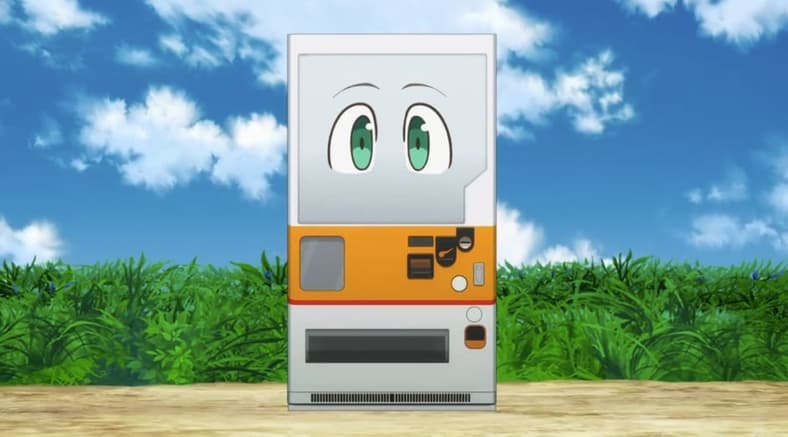
At the heart of the controversy is the character of Boxxo, a sentient vending machine voiced by Jun Fukuyama in the original Japanese and Garrett Storms in the English dub. Adapted from the light novel series by Hirukuma, the show follows an isekai premise where a vending machine otaku is reincarnated into a fantasy dungeon. Because Boxxo’s verbal communication is limited to pre-programmed machine phrases, his internal monologue serves as the narrative’s emotional and intellectual core.
In Season 3, Episode 3, titled "A Stay in Enemy Territory," Boxxo witnesses a complex interaction involving the Snow Spirit Sulream and Ash, the son of a mercenary captain. The English subtitles—which generally adhere closer to the literal Japanese translation—portray Boxxo as a bewildered observer attempting to make sense of a deceptive performance.
However, the English dub script undergoes a radical transformation. Where the subtitles use standard descriptive English, the dub introduces modern internet slang, Western professional wrestling terminology, and contemporary legal jargon. These changes have been characterized by critics as "jarring" and "anachronistic," particularly within the context of a high-fantasy dungeon environment.

II. Chronology of a Growing Localization Crisis
The friction surrounding Reborn as a Vending Machine does not exist in a vacuum. It is the latest in a series of events that have redefined the relationship between streaming platforms and their audiences.
- The Rise of Modern Localization (2015–2023): Over the last decade, major streaming platforms began moving away from literal translations toward "punchy" scripts intended to make anime feel more "accessible" to Western audiences. This era saw the introduction of memes and political references into shows like Miss Kobayashi’s Dragon Maid and Prison School.
- The AI Integration Threat (2024–2025): As artificial intelligence began to show proficiency in literal translation, internal localization teams faced mounting pressure to "add value" that AI could not replicate. This often manifested as increasingly idiosyncratic and stylized scripts.
- The Dead Account Incident (Early 2026): Shortly before the release of Vending Machine Season 3, Crunchyroll faced backlash for inserting TikTok-style slang and ephemeral internet memes into the Dead Account anime dub. This established a precedent for the "1996-style" localization approach—a reference to the early days of anime dubbing (e.g., the Ghost Stories era) where scripts were frequently discarded in favor of local jokes.
- The Current Controversy (Mid-2026): With the release of Reborn as a Vending Machine Season 3, viewers noted that while subtitle teams (under threat from AI automation) were becoming more precise, the dubbing department appeared to be doubling down on liberal adaptations.
III. Supporting Data: A Comparative Analysis of Episode 3
The specific linguistic shifts in Episode 3 offer a clear look at the "localization gap." Three primary sequences highlight the departure from the original intent:
1. The "Marking Out" Sequence
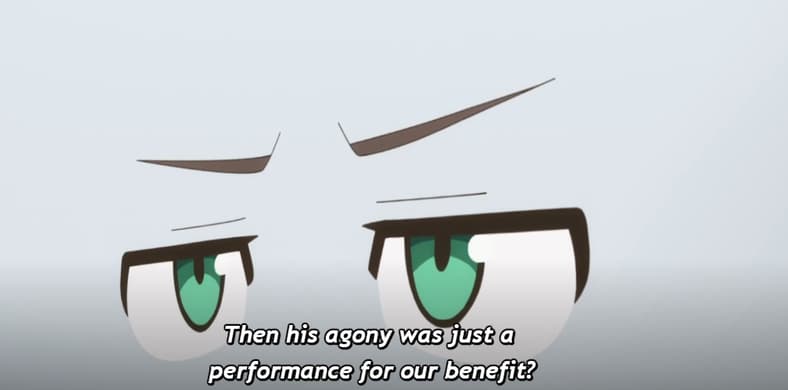
When Boxxo realizes that a character’s apparent suffering was merely an act, the subtitles read:

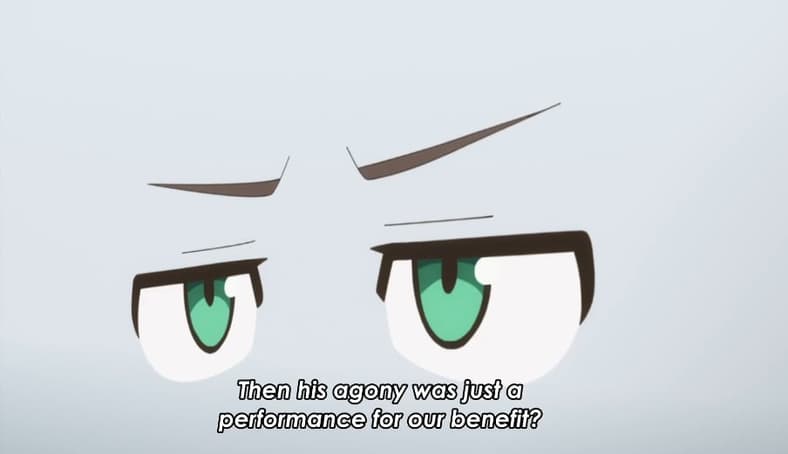
- Sub "Then his agony was just a performance for our benefit?"
- Dub: "Meaning the munchkin went method and totally had us marking out."
Analysis: The dub script replaces a straightforward observation with "marking out," a niche term from professional wrestling culture referring to a fan who believes scripted events are real. Critics argue that a Japanese man reincarnated as a machine in a fantasy world is unlikely to use specific Western carny-slang, breaking the immersion of the "isekai" logic.
2. The "Registry" Reference
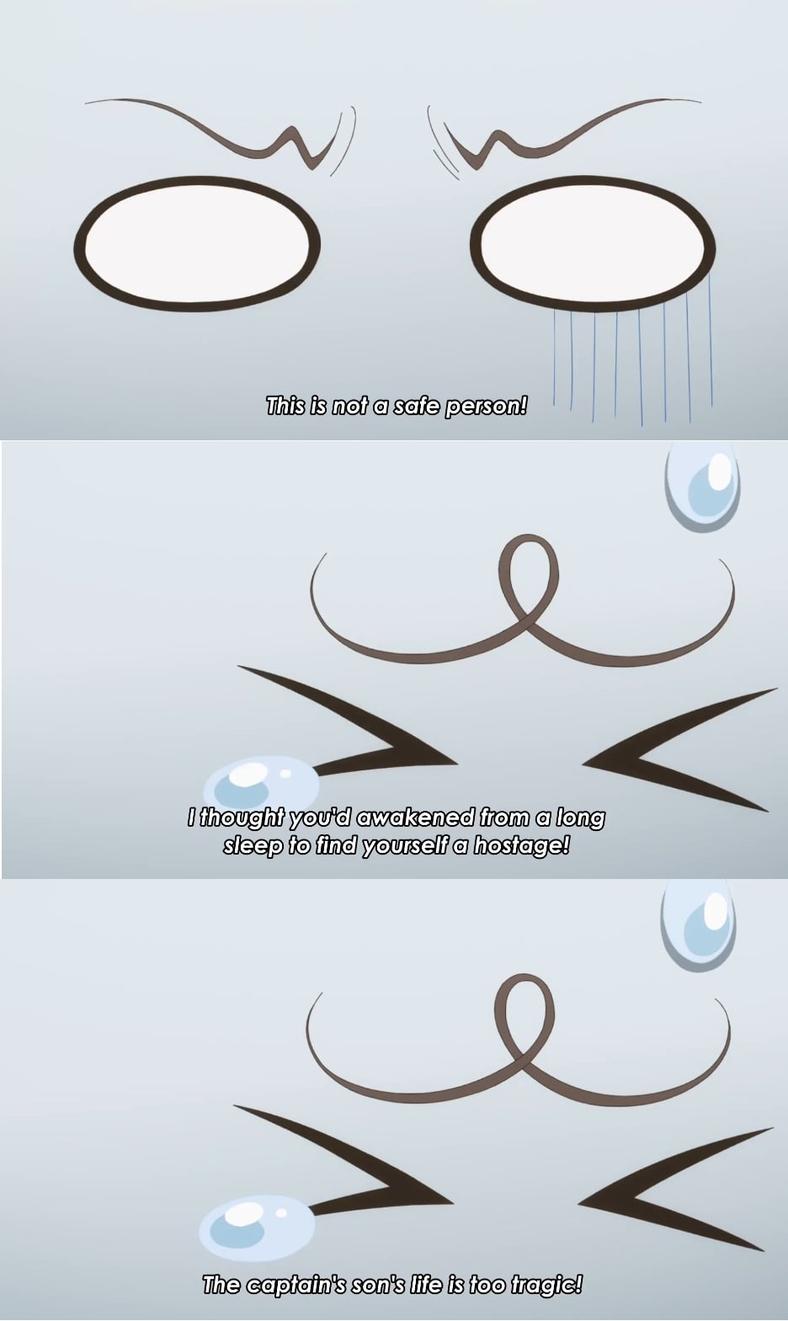
Upon discovering the predatory nature of the Snow Spirit’s interest in the young boy, Boxxo’s reaction is significantly altered:
- Sub "This is not a safe person! I thought you’d awakened from a long sleep to find yourself a hostage! The captain’s son’s life is too tragic!"
- Dub: "That chick belongs on a registry! This poor kid got curse whammied then woke up only to be held hostage! It’s like a Russian novel, anime style!"
Analysis: The inclusion of "belongs on a registry" is a direct reference to modern Western sex offender registries. While the original Japanese conveys Boxxo’s alarm at a "dangerous person," the dub localizes the sentiment into a specific Western legal framework. Furthermore, the "Russian novel" meta-commentary replaces the character’s genuine empathy with snarky, fourth-wall-leaning humor.
3. The "Ick Factor" and "Whack" Dialogue
In the final realization of the bizarre cultural differences between species, Boxxo tries to rationalize the situation:
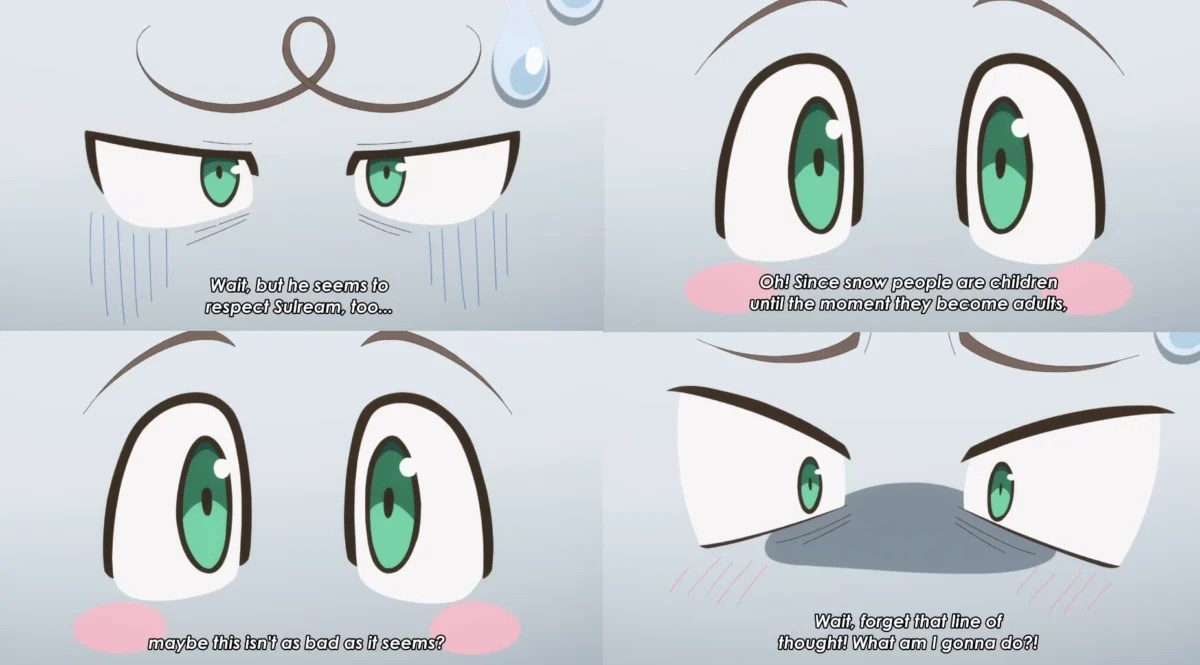
- Sub "Wait he seems to respect Sulream, too… Oh! Since snow people are children until they become adults, maybe this isn’t as bad as it seems? Wait forget that line of thought! What am I gonna do?!"
- Dub: "Why does he seem to respect that walking after-school special? Oh, lifeline! Since snow people until they suddenly become adults, maybe the ick factor is reduced? I did not just think that! This is whack!"
Analysis: The dub employs "ick factor" (a 21st-century social media term) and "whack" (90s/early 2000s slang). The phrase "walking after-school special" is a uniquely American cultural reference to 1980s televised morality plays, a concept that has no equivalent in the Japanese setting or the character’s established backstory.
IV. Official Responses and Industry Defense
Crunchyroll and other major distributors have historically defended liberal localization as a necessary tool for "cultural translation." The general argument from dub scriptwriters is that a "dry" literal translation fails to capture the vibe or energy of a scene for a non-Japanese speaker.
In past statements regarding similar controversies, industry spokespeople have maintained that:
- Dubbing is an Art, Not a Science: Unlike subtitles, dubbing requires "lip-flaps" (matching the length of the English sentence to the character’s mouth movements). This often necessitates adding or changing words.
- Character Voice: Localizers argue that they are "enhancing" the personality of the characters to make them more relatable or entertaining to a domestic audience.
- The Sub vs. Dub Divide: Platforms often point out that purists can always watch the subtitled version, while the dub is intended for a more casual audience that appreciates local flavor.
However, the creator of the original light novels, Hirukuma, has not officially commented on the specific English dub changes. Historically, Japanese creators have limited oversight over international dubbing scripts, often leaving the creative control entirely in the hands of the licensing platform.
V. Implications: The Future of Fan Trust
The "localization war" represented by Reborn as a Vending Machine Season 3 has several long-term implications for the anime industry:
1. The Erosion of Brand Integrity
When a script is heavily altered, the "voice" of the original author is effectively replaced by the voice of the localizer. For fans of the original light novels, this is often seen as a betrayal of the source material. If a show becomes a vehicle for the localizer’s "fanfiction," it risks alienating the core fanbase that drives merchandise and home video sales.
2. The AI Paradox
Ironically, the more localizers attempt to differentiate their work from AI by adding "personality" and slang, the more they may be driving fans toward AI-assisted literal translations. If the official dub is perceived as "untrustworthy" or "activist," viewers may seek out unofficial "fan-dubs" or AI-generated scripts that promise a more faithful experience.
3. Cultural Homogenization
By replacing Japanese-specific nuances with American slang like "after-school special" or "marking out," the unique cultural identity of the anime is diluted. Critics argue that the beauty of international media is learning how other cultures express ideas; "Westernizing" those ideas into local slang deprives the audience of that cross-cultural experience.
4. The "Dated" Content Problem
Slang like "ick factor" and "whack" has a very short shelf life. While it may seem "current" to a writer in 2026, it risks making the anime feel incredibly dated within just a few years. Literal translations, by contrast, tend to remain timeless.
As Reborn as a Vending Machine, I Now Wander the Dungeon continues its third season, the scrutiny on its localization serves as a microcosm of a larger industry struggle. The balance between making a show "accessible" and keeping it "authentic" remains the most contentious tightrope in modern media—one that, in the eyes of many fans, Crunchyroll has currently slipped from.